
Fire-Rated Cladding: What It Means and Why It Matters
In modern construction, fire safety is no longer an afterthought, it’s a fundamental design requirement. Following updates to UK building regulations, the choice of façade materials has never been more important.

Author Name
Chief Writer
Thu, 28 Jul 2026
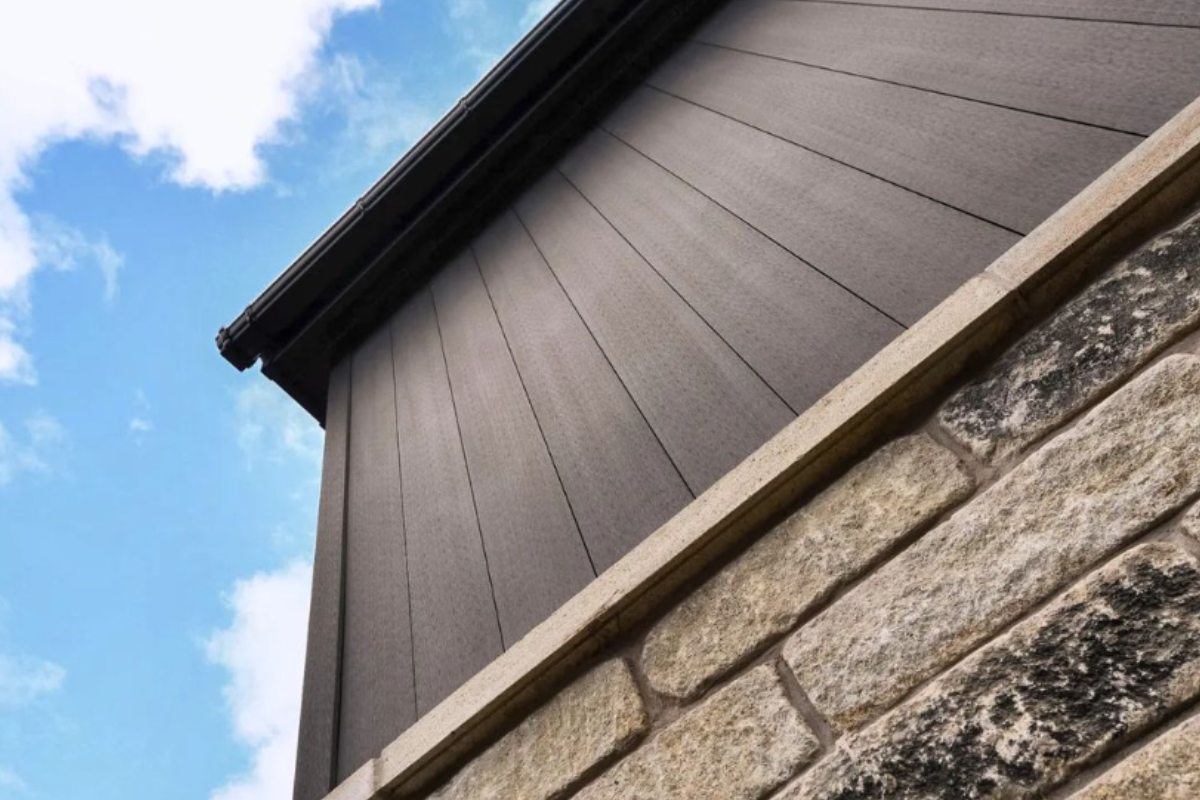
What Is Fire-Rated Cladding?
Fire-rated cladding refers to exterior wall systems that have been tested and classified for their performance in a fire, including how easily they ignite, how quickly flames spread, how much heat they release and how much smoke they produce.
Unlike standard decorative cladding, fire-rated systems are designed to resist ignition, slow the spread of flames, and minimise smoke emissions, protecting the building structure.
The fire performance of cladding is typically determined through rigorous testing in accordance with the European standard for classifying construction materials. It is essential to always consult fire safety experts and adhere to local regulations when selecting and installing cladding materials.
Common Types of Fire-Rated Cladding Materials
Aluminium Cladding
Aluminium cladding is an excellent choice for fire-rated cladding, achieving an A-rating in the Euroclass system due to its non-combustible properties. This makes it particularly suitable for high-rise buildings and structures where stringent fire safety regulations are in place.
While not always necessary for residential homes, aluminium cladding provides unparalleled fire resistance, making it the ideal option for those prioritising safety.
In addition to its fire safety advantages, aluminium cladding is durable and resistant to corrosion. Its sleek, modern appearance and low maintenance requirements make it a popular choice in architectural applications, especially in environments requiring the highest fire safety standards.
Fire-Rated Composite Cladding
Composite cladding is a modern alternative to timber, manufactured from a blend of recycled wood fibres and polymer resins. The boards are engineered for superior durability and low maintenance.
While standard wood–plastic composites (WPCs) typically achieve a Class C or D Euroclass rating, advanced fire-rated composite cladding systems can achieve Class B, making them suitable for low-rise residential façades up to 11 metres in height (subject to regulatory approval).
In addition to its fire performance, composite cladding offers strong sustainability credentials, up to 90% recycled content and manufactured with 100% renewable energy. This combination of sustainability, safety and visual appeal makes it one of the most versatile cladding materials for contemporary architecture.
Understanding Fire Classification: Euroclass Ratings
The European Reaction to Fire classification system (Euroclass) determines fire ratings for cladding materials in the UK and across Europe. This system evaluates building materials based on how they react to fire.
The main classes are:
Class A1: Completely non-combustible (no contribution to fire).
Class A2: Limited combustibility (very limited contribution).
Class B: Very limited contribution to fire spread.
Class C–F: Increasingly combustible materials.
Additional designations describe smoke (s1–s3) and droplet (d0–d2) performance:
Smoke Rating (s1, s2, s3):
s1: Low smoke production.
s2: Moderate smoke production.
s3: High smoke production.
Flaming Droplets Rating (d0, d1, d2):
d0: No flaming droplets or particles.
d1: Limited flaming droplets or particles.
d2: Significant flaming droplets or particles.
Before adopting the Euroclass system, the UK used the "Class 0 Fire Rating" system to classify building materials based on their fire performance. This rating was part of the British Standards (BS 476) and focused on two primary tests: the 'surface spread of flame' test and the 'fire propagation' test. To achieve a Class 0 fire resistance rating, a material had to exhibit limited flame spread in both tests and minimal contribution to fire growth.
Although Class 0 provided a useful benchmark for assessing fire safety, it did not account for factors like smoke production or flaming droplets, which the more comprehensive Euroclass system includes.
Benefits of Fire Rated Cladding
Whether you’re specifying materials for a residential development, a balcony installation or a commercial façade, using fire-rated cladding ensures compliance, protection and peace of mind.
1. Compliance with UK Building Regulations
Since 2018, amendments to Approved Document B have prohibited the use of combustible materials in the external walls of residential buildings over 18 metres (and more recently 11 metres in some regions). Specifying an appropriate fire-rated cladding system ensures compliance from the outset.
2. Safety and Peace of Mind
Fire-resistant materials significantly reduce the risk of flame spread, helping to protect building occupants and adjoining structures. Even in smaller projects, choosing a higher-performing material adds an extra layer of safety.
3. Insurance and Warranty Requirements
Insurers and warranty providers increasingly require certified fire-rated materials to limit potential liability. Using verified systems helps avoid costly remediation later.
4. Long-Term Durability
Fire-rated cladding materials often have enhanced formulations that improve UV, moisture and impact resistance, providing long-term performance alongside compliance.
Disclaimer: Customers are responsible for determining the suitability of cladding for their specific private or commercial installations. They should also consult with local building control to meet the fire classification project requirements when choosing fire rated cladding.