

Why Slippery Decking Is Such a Common Problem
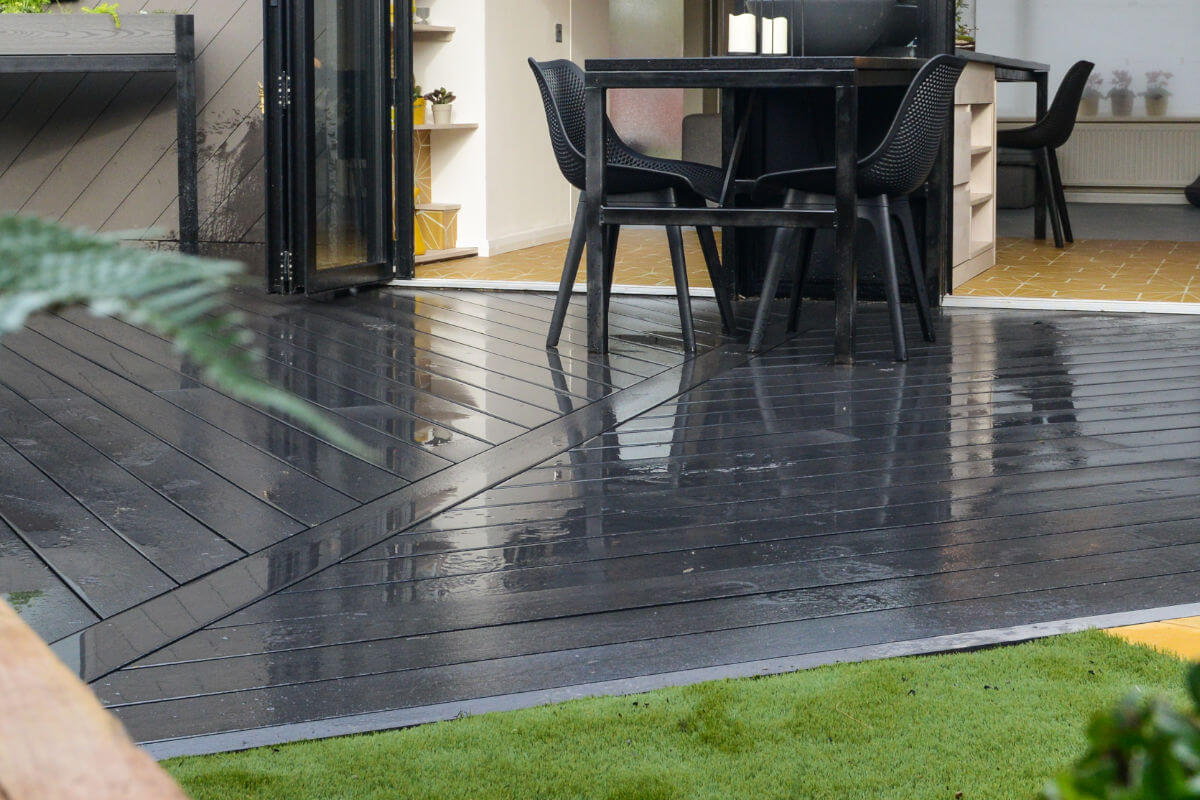
Before we talk about solutions, it helps to understand why decking becomes slippery in the first place. Traditional timber decking is highly porous. It absorbs water readily, which means it stays damp for longer, and damp surfaces invite algae and moss growth. Algae, in particular, is almost invisible when it first forms, yet it dramatically reduces surface grip. If your garden is north-facing, shaded by fencing or planting, or simply sees little direct sunlight, this problem is compounded. Shaded and sheltered spaces stay wet for longer, meaning slippery decking is less of an occasional inconvenience and more of a persistent seasonal hazard.
Even with regular maintenance, oiling, and sealing, timber can still become a serious slip risk. The surface texture degrades, the treatments wear off, and unless you're on top of your cleaning schedule, the grip that was there on day one may not be there when you need it most.
This is exactly why so many homeowners are making the switch to composite and recycled plastic decking, materials engineered specifically to be anti slip deck boards to address the problem of decking that's slippery when wet.
What Makes Anti Slip Deck Boards Actually Work?
Slip resistance isn't something you can simply add on as an afterthought. With quality composite decking, it's built into the product from the ground up. Here's what to look for:
Engineered Surface Texture
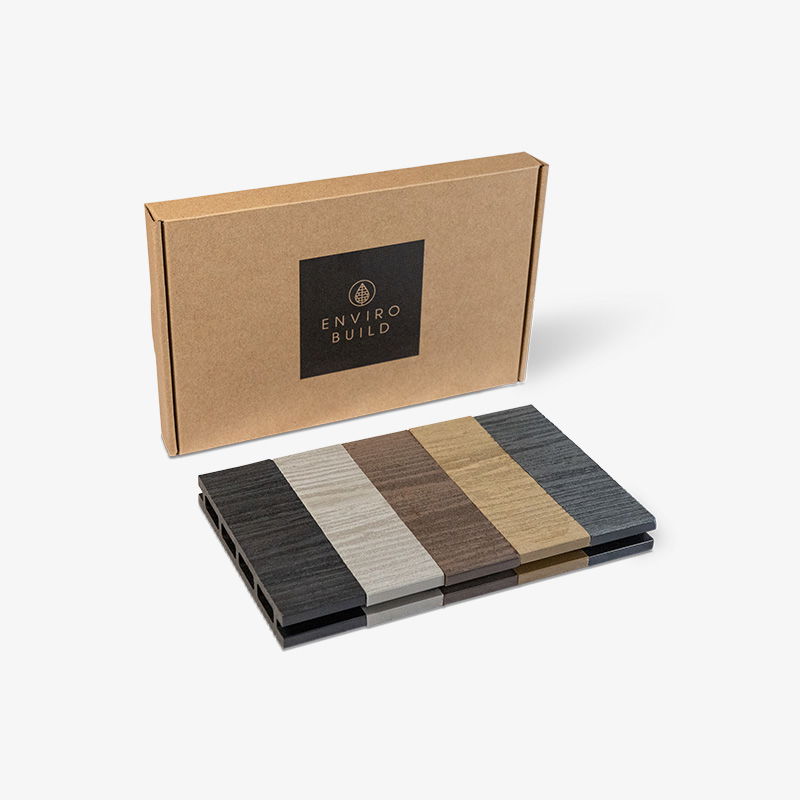
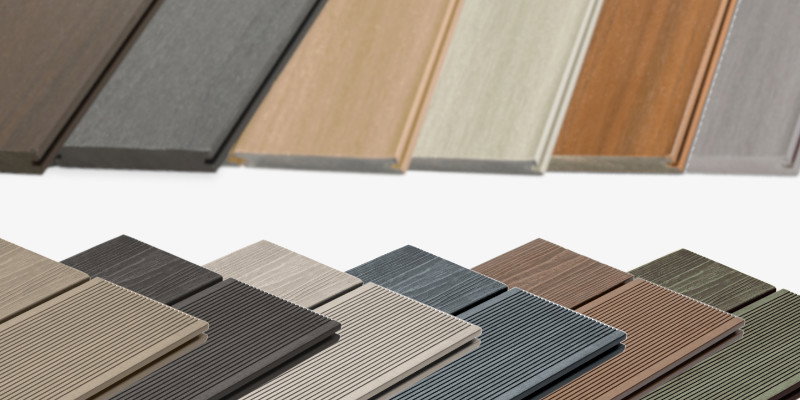
The most effective anti slip decking boards feature a textured surface, either brushed, grooved, or embossed, that creates friction underfoot. EnviroBuild's Frontier and Explorer ranges, for example, feature a brushed or embossed wood grain finish that increases traction significantly, even in wet conditions. The texture isn't purely decorative; it's a functional part of the board's performance.
Low Water Absorption
One of the key reasons composite outperforms timber when it comes to slippery decking and anti slip deck boards solutions is its resistance to moisture. Composite boards absorb very little water, which means they dry quickly after rain and are far less likely to harbour the algae and moss growth that makes timber so treacherous. Less moisture retained means a safer, more consistent surface.
Capped Protective Layer
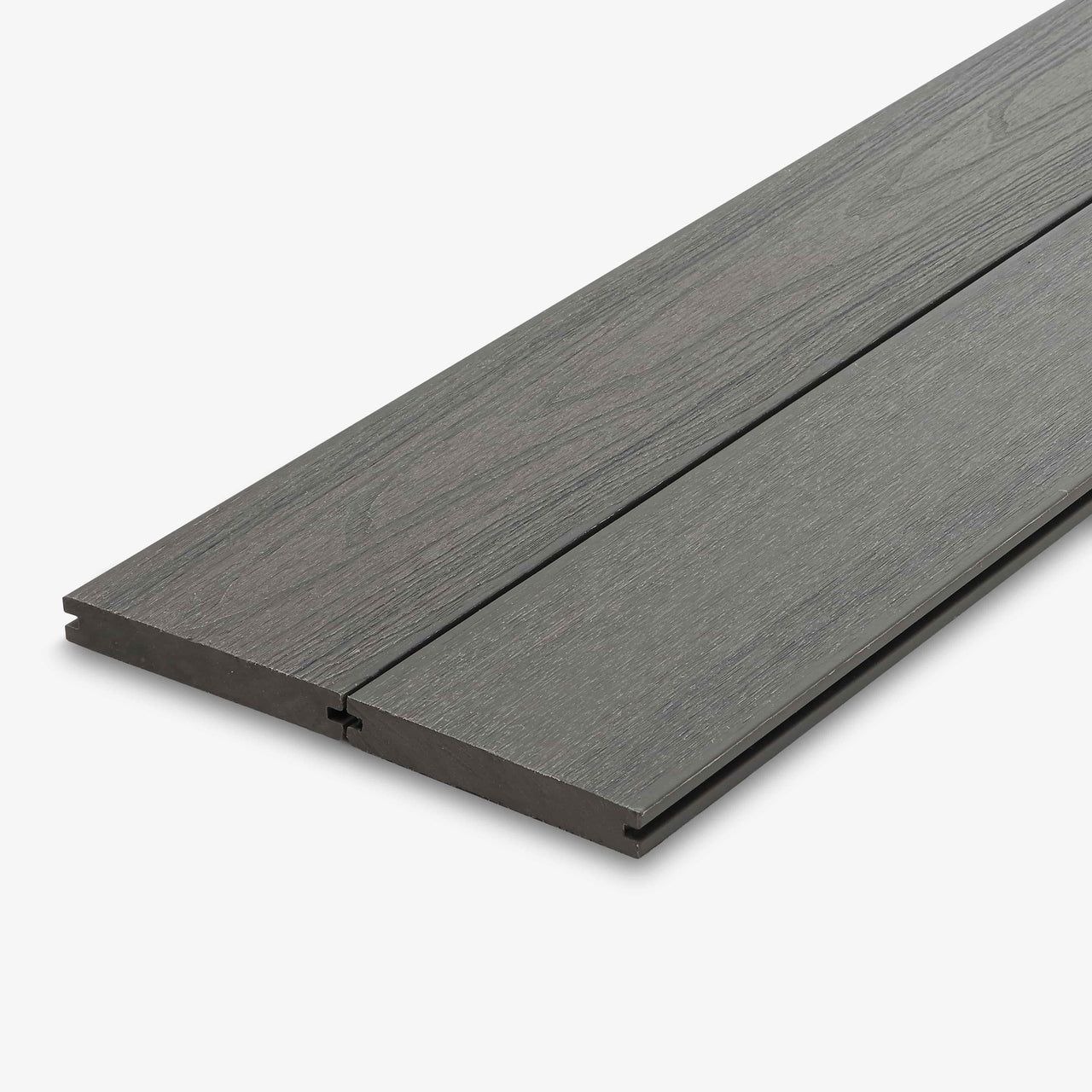
Our premium Frontier range includes a capped protective polymer shell around the board core. This cap seals the surface from moisture ingress, making the board easier to clean and more resistant to staining and fading. Crucially, it also helps the anti-slip texture remain effective for longer. You're not relying on a surface coating that wears away over time.
Independent Testing
When you're investing in a deck that needs to be safe for the whole family, you shouldn't have to take anyone's word for it. Products should be independently tested so that the results confirm low slip potential, giving you the assurance of verified, certified non slip deck boards, not just a marketing claim.
Composite vs. Timber: Which Should you Choose
If you're weighing up your options and wondering whether composite decking is slippery, the differences between timber and composite are worth understanding before you commit. When it comes to slip resistance in wet conditions, timber performs poorly without regular treatment, whereas composite boards have grip engineered in from the point of manufacture. Water absorption tells a similar story. Timber soaks up moisture readily, while EnviroBuild composite boards absorb less than 1% water, meaning they dry faster and stay safer underfoot. That low absorption rate also explains why algae and moss growth is far less common on composite; timber decks frequently struggle with recurring organic buildup that makes the surface unpredictable underfoot.
Maintenance is another area where the gap is significant. Keeping a timber deck safe typically means a regular cycle of oiling, sealing, and cleaning, and even then, the results aren't guaranteed. Composite boards, by contrast, need little more than an occasional wash-down to stay in good shape. The texture of timber also varies from board to board depending on grain and hardness, which means grip can be inconsistent across the deck surface. Composite offers a uniform finish across every board, so you know what you're getting from edge to edge. And while timber decking is rarely independently certified for slip resistance, EnviroBuild's composite boards have been tested to the BS7976-2:2002 standard.
Composite decking is not slippery in the way that timber is. While no outdoor surface can claim to be entirely slip-proof in every condition, composite boards consistently outperform timber thanks to their engineered textures and low-porosity construction. With our EnviroBuild composite boards, slip resistance is designed in from the start, not bolted on later.
EnviroBuild's Anti-Slip Decking Ranges
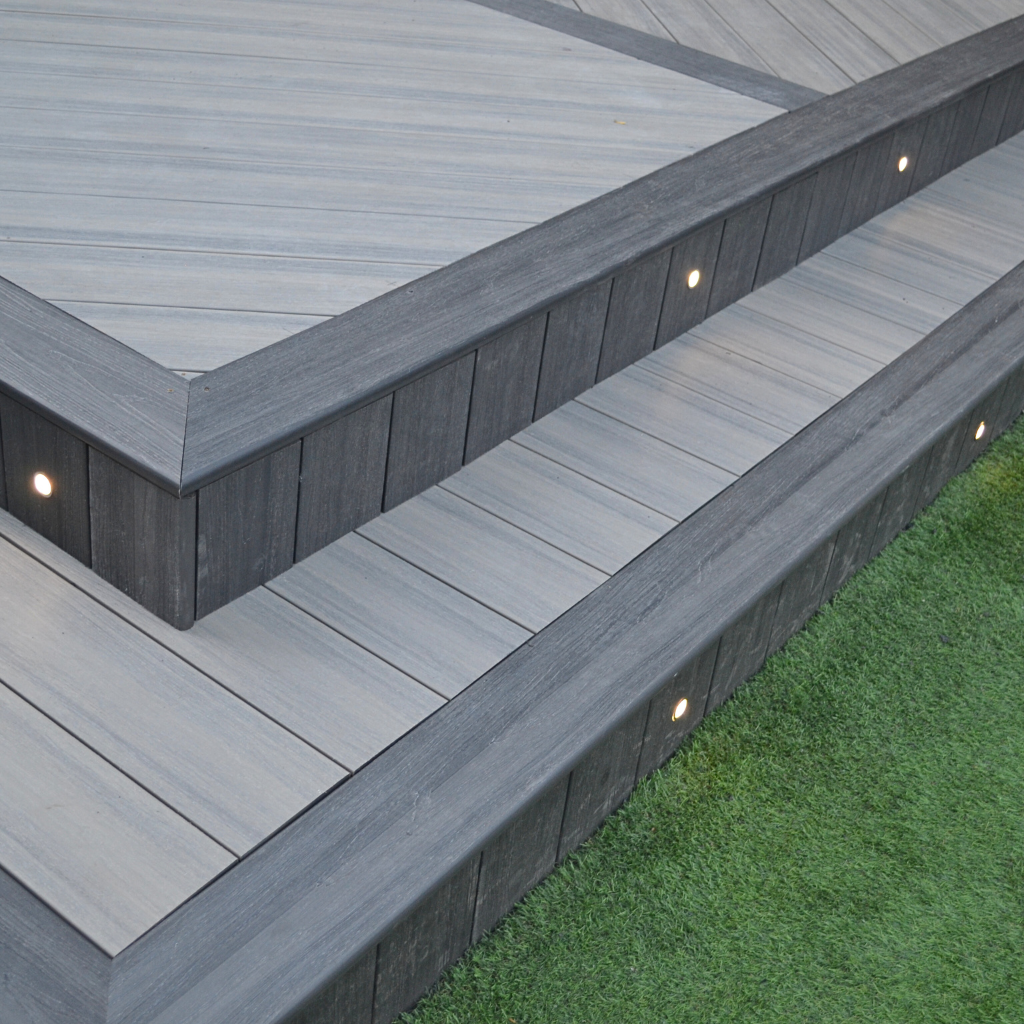
EnviroBuild offers several anti slip deck boards ranges suited to different budgets, aesthetics, and performance needs. Here's how the main options compare for slip resistance:
Explorer Range
Explorer is a mid-range option that uses recycled wood powder to create a natural embossed wood grain finish. It includes UV stabilisers within the board itself to resist sun damage, keeping the surface and its texture looking good for longer. Ideal if you want the aesthetic of natural wood without the maintenance burden or the slip risk.
Frontier Range
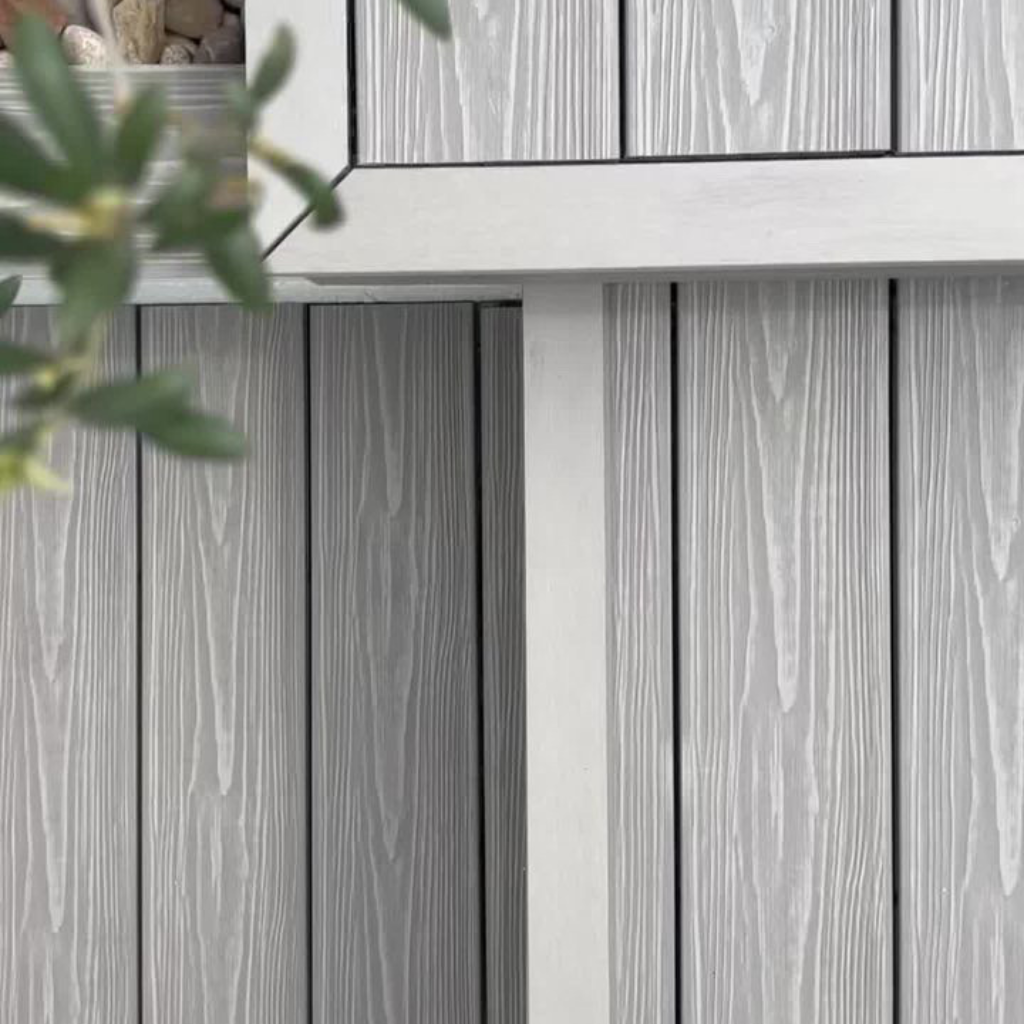
The Frontier anti slip deck boards are our premium capped composite decking. The protective cap layer makes it exceptionally resistant to moisture, staining, and fading, and it's the range most suited to high-traffic areas or exposed outdoor spaces. The brushed finish provides excellent underfoot grip, and the capping ensures that finish is preserved over years of use. If you're looking for the most robust anti slip boards in the composite range, Frontier is the one to consider.
Choosing the Right Anti Slip Boards for Your Garden
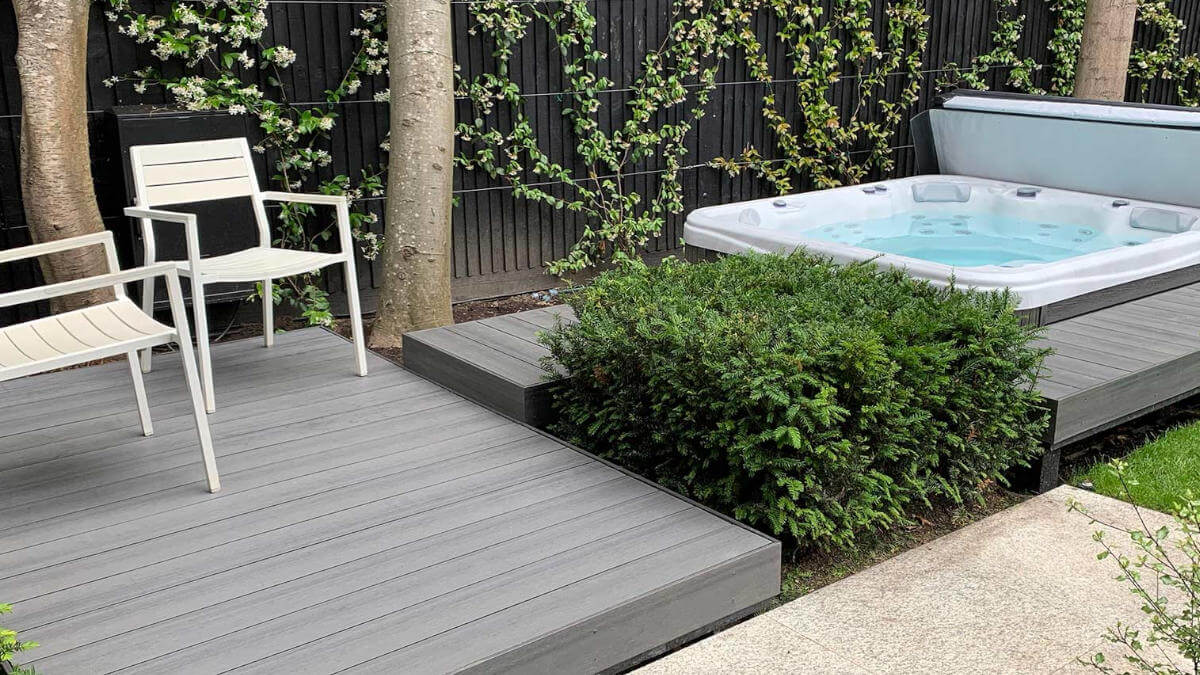
Not every garden is the same, and the best anti slip decking boards for your project will depend on a few key factors:
Garden orientation and climate. If your outdoor space is north-facing, surrounded by mature planting, or sits in regular shade, you'll want a board with high moisture resistance and strong algae resistance. These conditions are where decking is slippery most often and where composite really earns its keep.
Who uses the space. Families with young children, elderly relatives, or pets have a stronger case for choosing boards with certified anti-slip ratings. The same goes for commercial settings or any deck where you have a duty of care.
Traffic and wear. High-traffic decks, think a main patio used daily or a commercial walkway, need a board that maintains its texture under sustained use. For these applications, capped composite or recycled plastic decking will serve you better over the long term.
Your maintenance appetite. If you'd rather spend weekends enjoying your deck than maintaining it, composite boards remove almost all of the ongoing upkeep burden that comes with timber, with no annual oiling, no re-sealing, and no specialist treatments.
Anti Slip Deck Boards: Keeping Your Anti-Slip Decking Performing Well
Even the best anti slip deck boards benefit from occasional care. The good news is that maintenance for composite and plastic decking is minimal compared to timber. A periodic sweep and wash-down with warm soapy water is usually sufficient to keep your boards looking good and gripping well. The key is to prevent algae and mildew from establishing on the surface. Once cleared, composite boards are far more resistant to regrowth than timber due to their low-porosity construction. Avoid applying decking oils, waxes, or sealants that aren't specifically formulated for composite, as these can actually reduce grip rather than improve it. Stick to this simple routine, and your non slip deck boards will continue to perform confidently underfoot season after season.
Ready to Find Your Anti Slip Deck Boards?
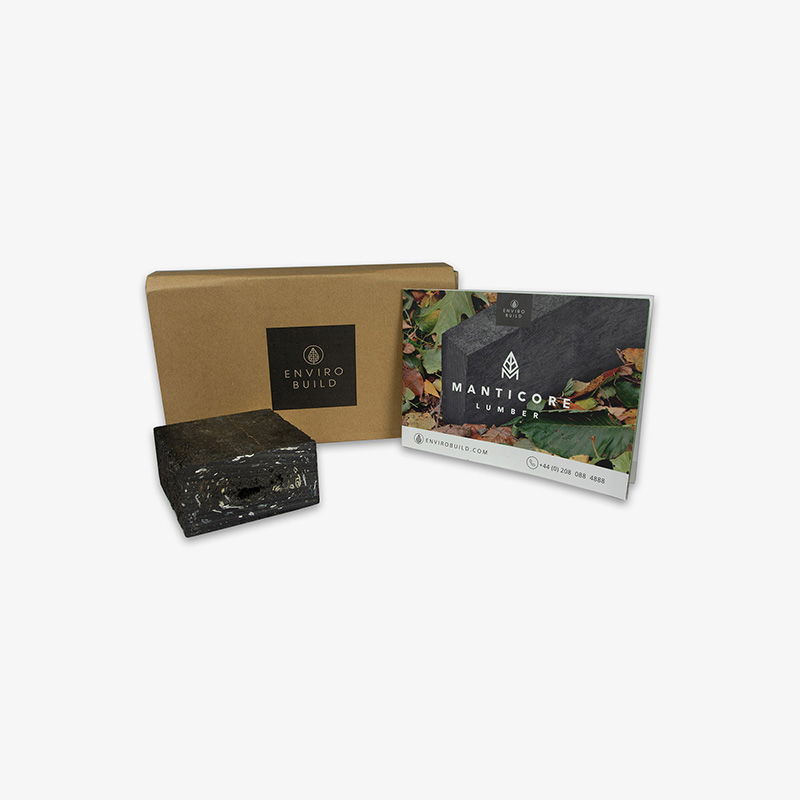
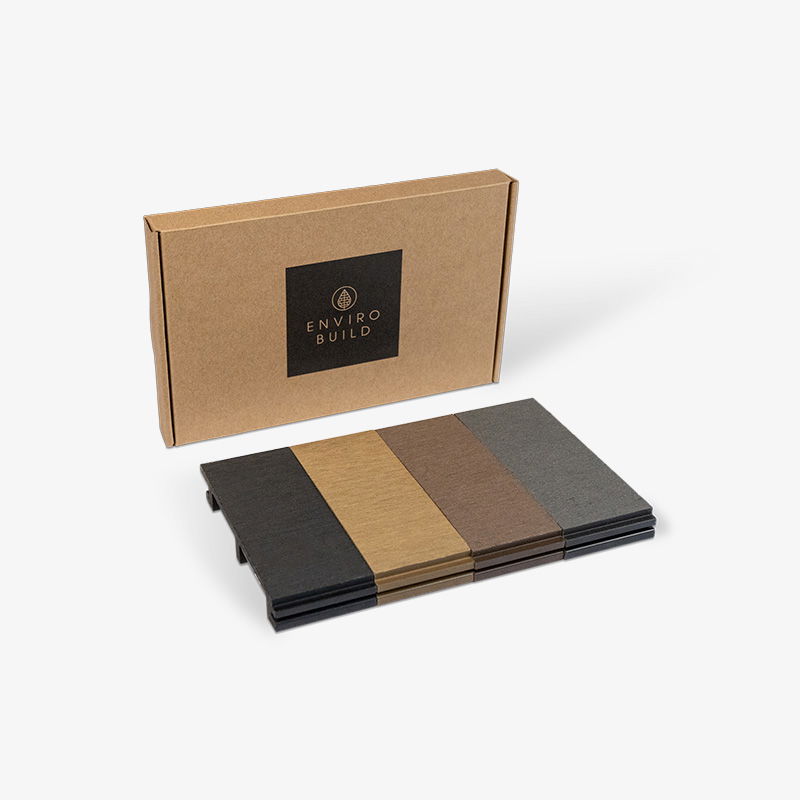
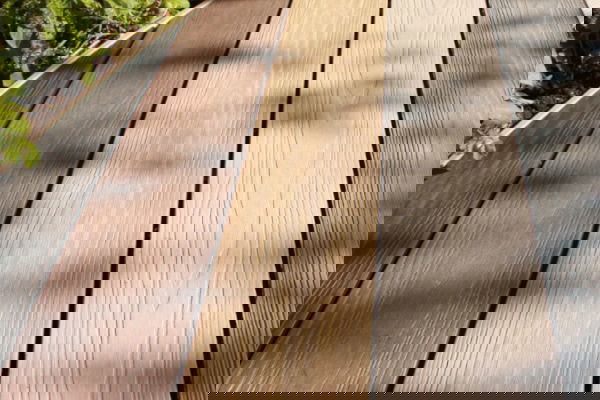
Choosing anti slip deck boards for your garden doesn't mean compromising on style. Our ranges span a variety of colours, finishes, and price points, all designed with safety and sustainability in mind, and all backed by genuine slip-resistance credentials. Whether you're dealing with a persistently slippery decking problem on an existing build or starting fresh and wanting to get it right from the beginning, EnviroBuild has an option to suit your space, your family, and your budget. Order your free samples today and see, and feel, the difference for yourself.