
October Decking Sale Now On
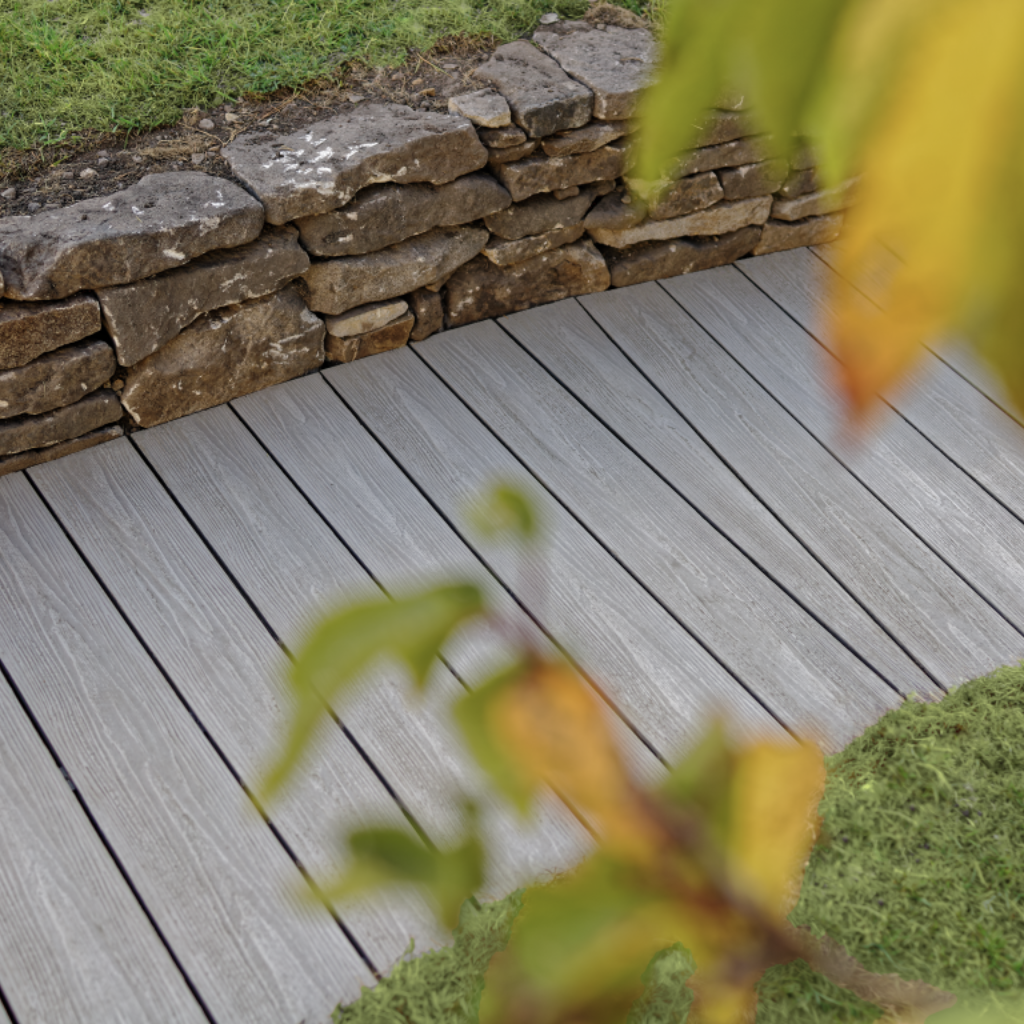
Composite Decking
Composite decking is made from a blend of wood fibers and plastic, engineered to resist rot, warping, splintering and insect damage. Offering wood-like aesthetics with low maintenance properties.
Contact a decking expert:
0208 088 4888
Composite Decking Ranges
Composite decking ranges built for different budgets and finishes: Explorer for everyday performance, Frontier for premium fade and stain resistance.
Free Delivery on orders over £1200*
Up to 90% Recycled Materials
15–25 Year Warranty
Sale
Sale
Explorer
Frontier
Colours
Stone / Walnut / Granite / Oak / Silver Birch / Moss Green
Slate / Iroko / Marble / Teak / Pearl White / Larch
Length
4m
4m
Profile
145 x 21mm
143 x 22mm
Weight
11.20 kg
13.44 kg
Core Structure
Hollow
Solid
Capping
Uncapped
Capped
Finish
Grooved / Woodgrain effect
Embossed Woodgrain
Residential Warranty
15-year warranty
25-year fade and stain warranty
Recycled Content %
(Post-consumer HDPE plastic and FSC® 100% certified wood fibres)
87% recycled materials
90% recycled materials
Carbon Footprint
27.1 kg CO₂e / m²
(64% Lower Than Timber)
32.5 kg CO₂e / m²
(57% Lower Than Timber)
Best For
Low-traffic residential gardens
Premium projects and high foot-traffic areas
Composite Decking Colours & Finishes
Composite decking is available in a wide range of colours, finishes and board styles. Browse real gardens below to see how each option looks in place.
View Full Gallery

Oak - Explorer Range
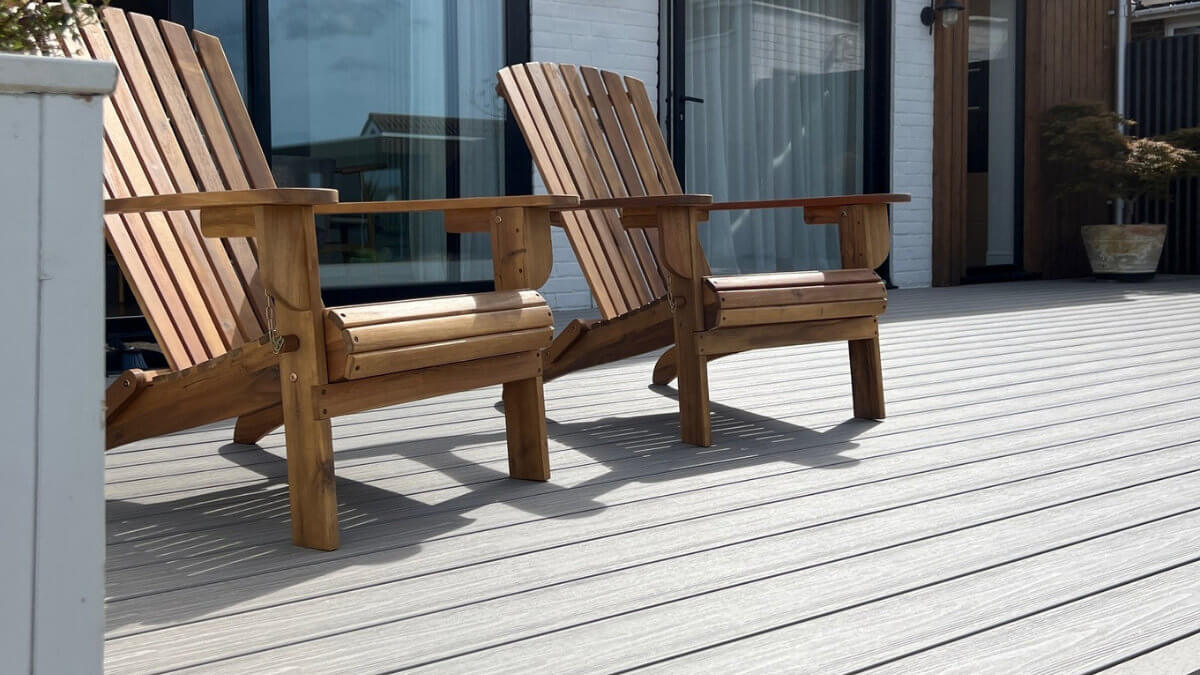
Silver Birch - Explorer Range
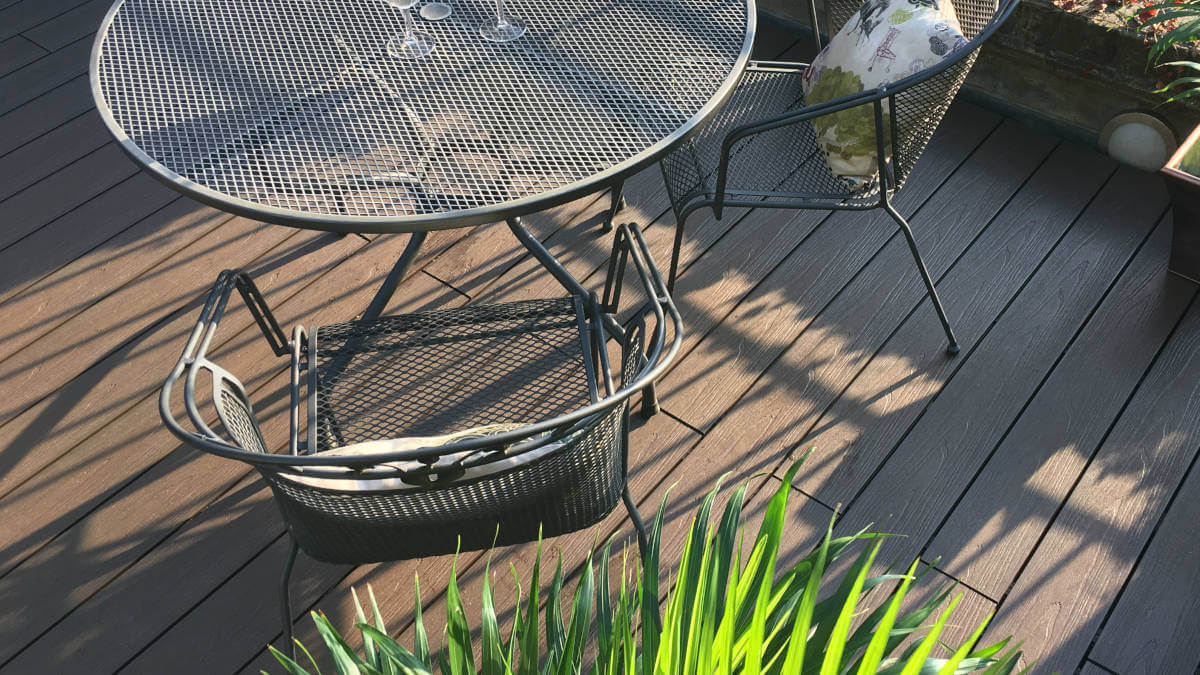
Iroko - Frontier Range
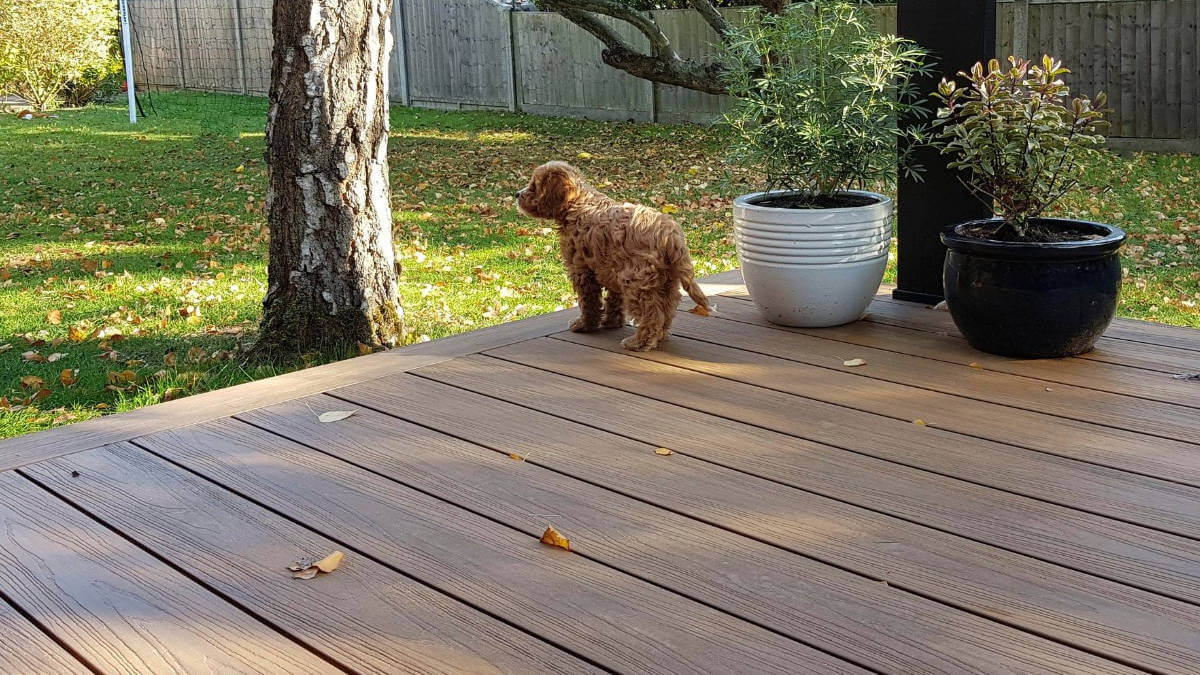
Teak - Frontier Range
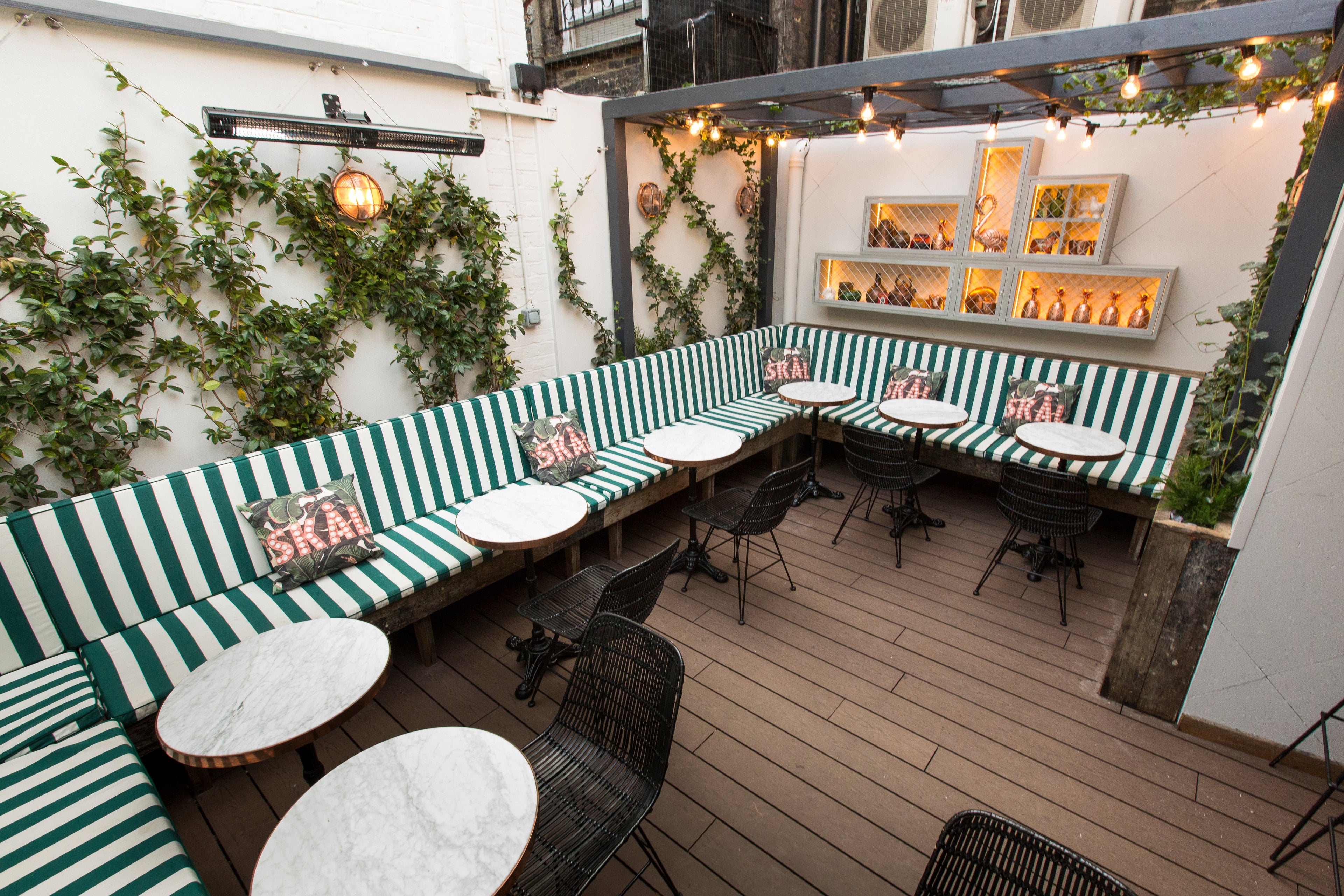
Walnut - Explorer Range

Marble - Frontier Range
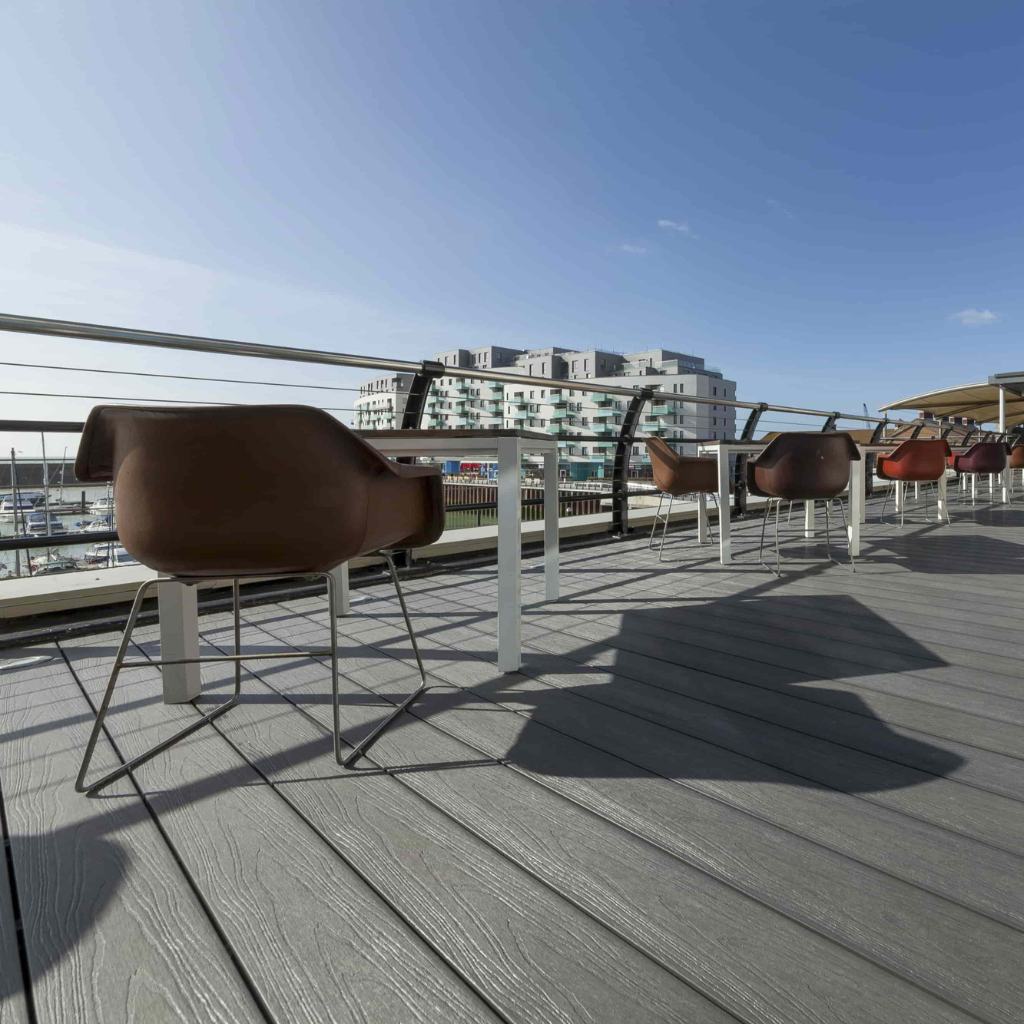
Slate - Frontier Range
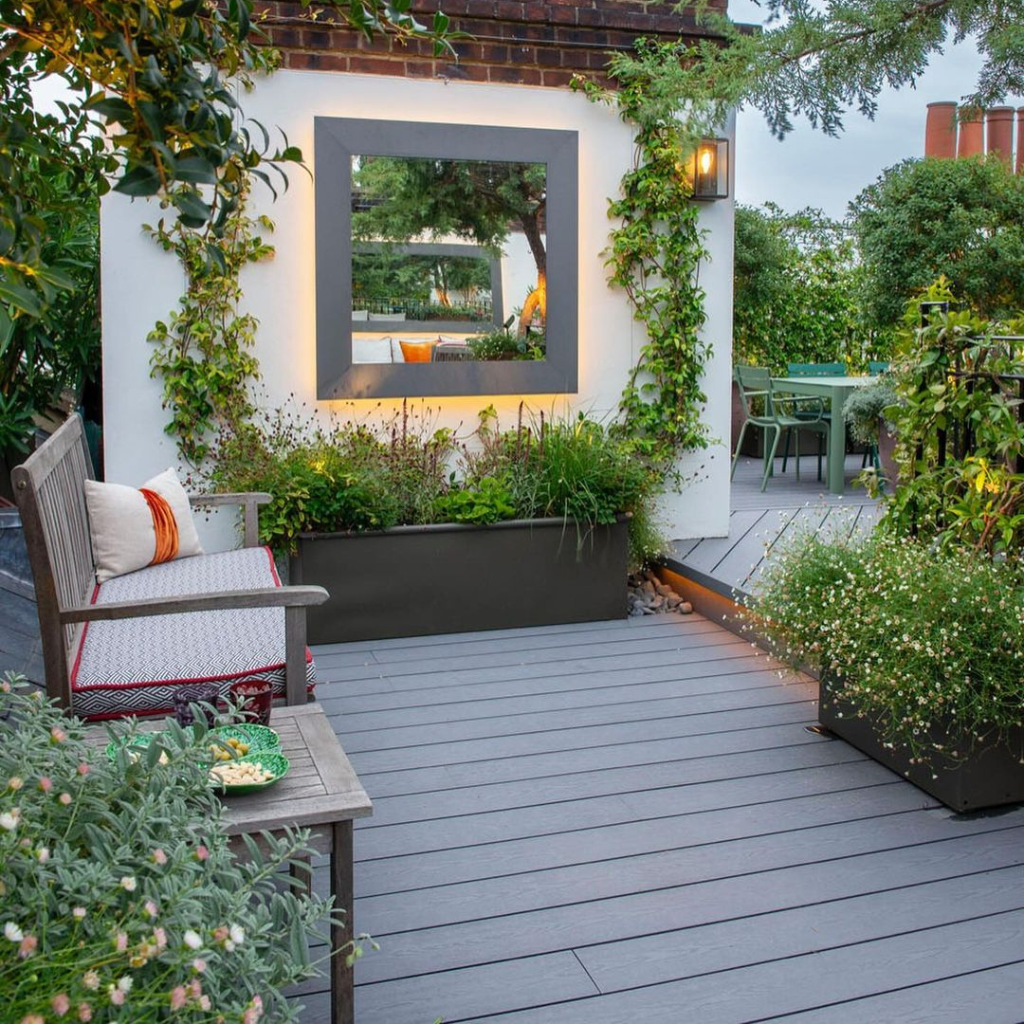
Stone - Explorer Range
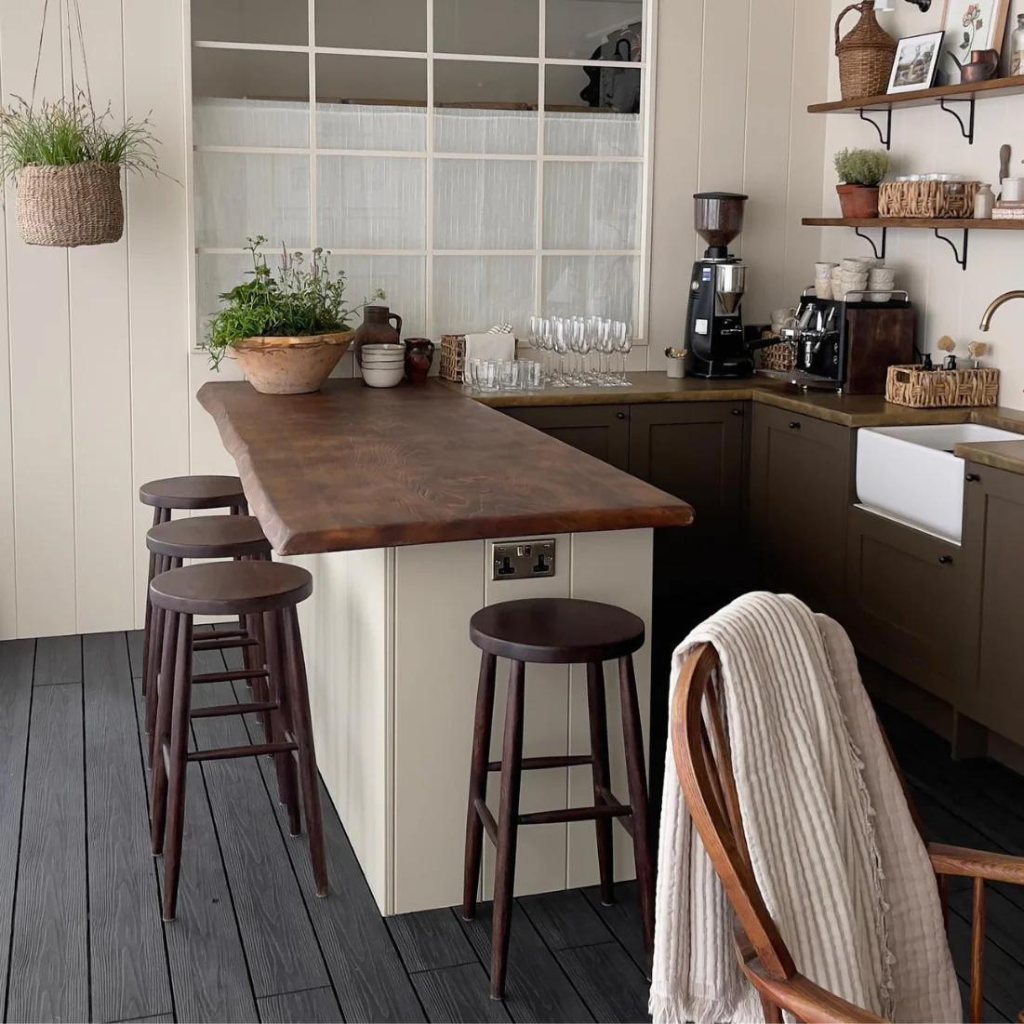
Granite - Explorer Range
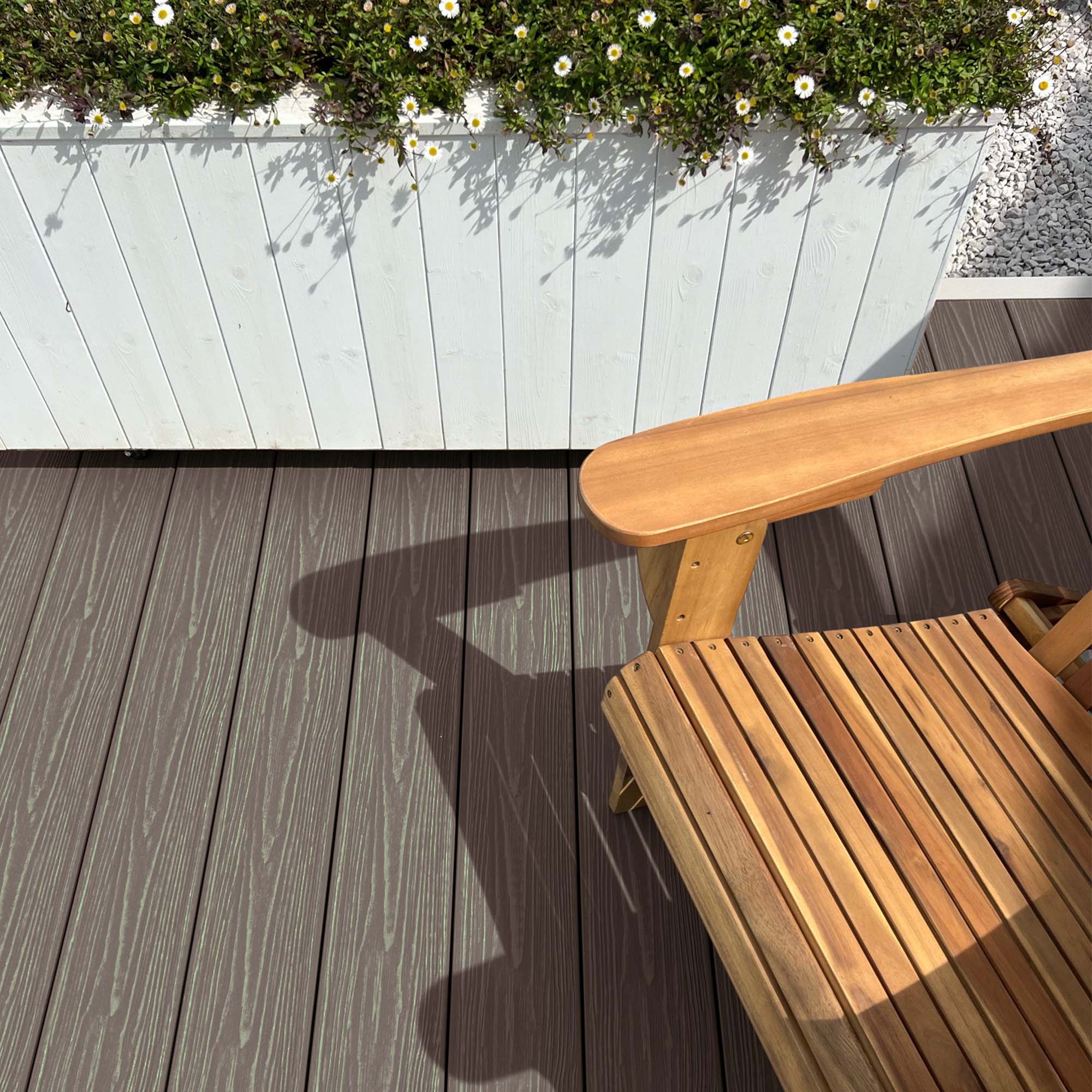
Moss Green - Explorer Range
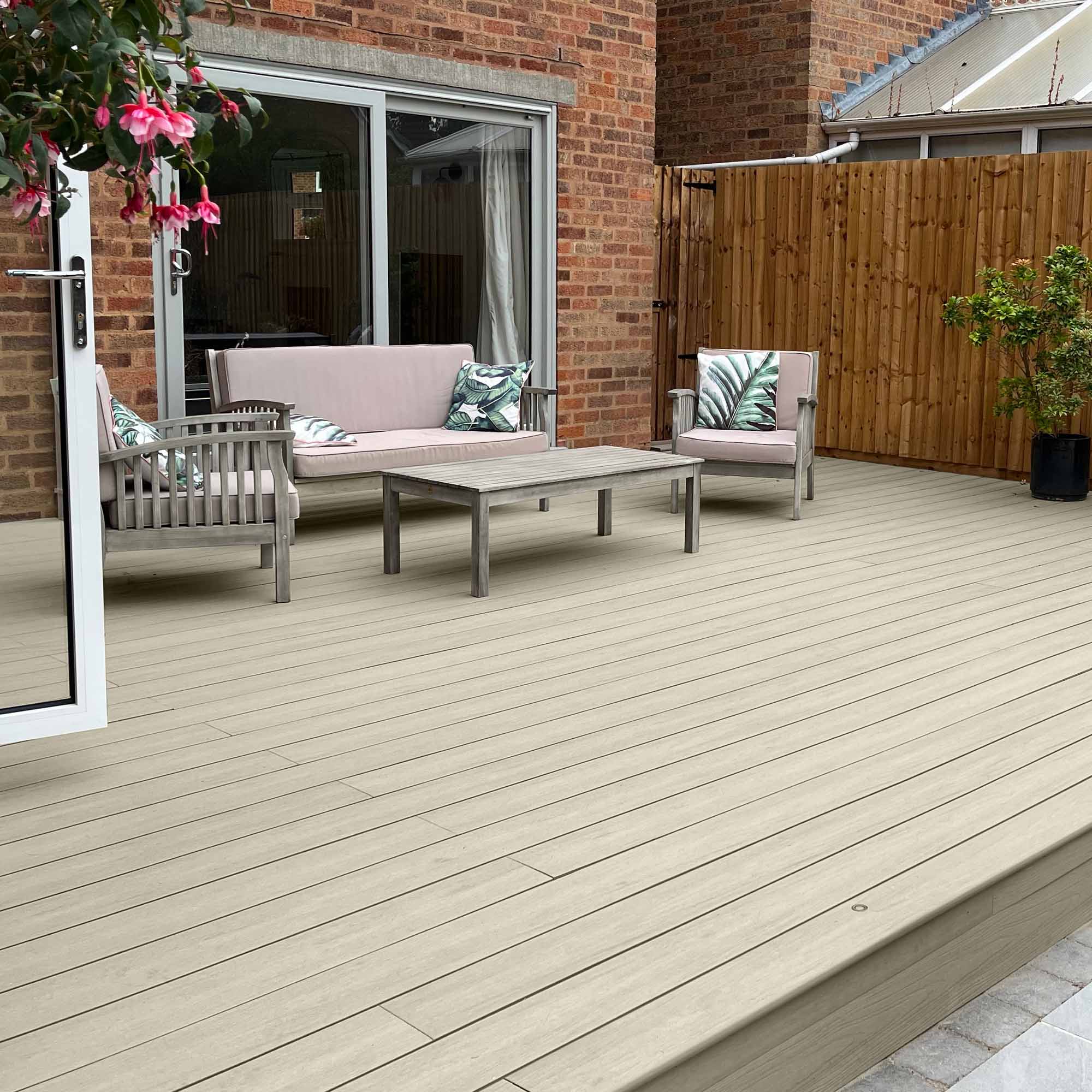
Pearl White - Frontier Range
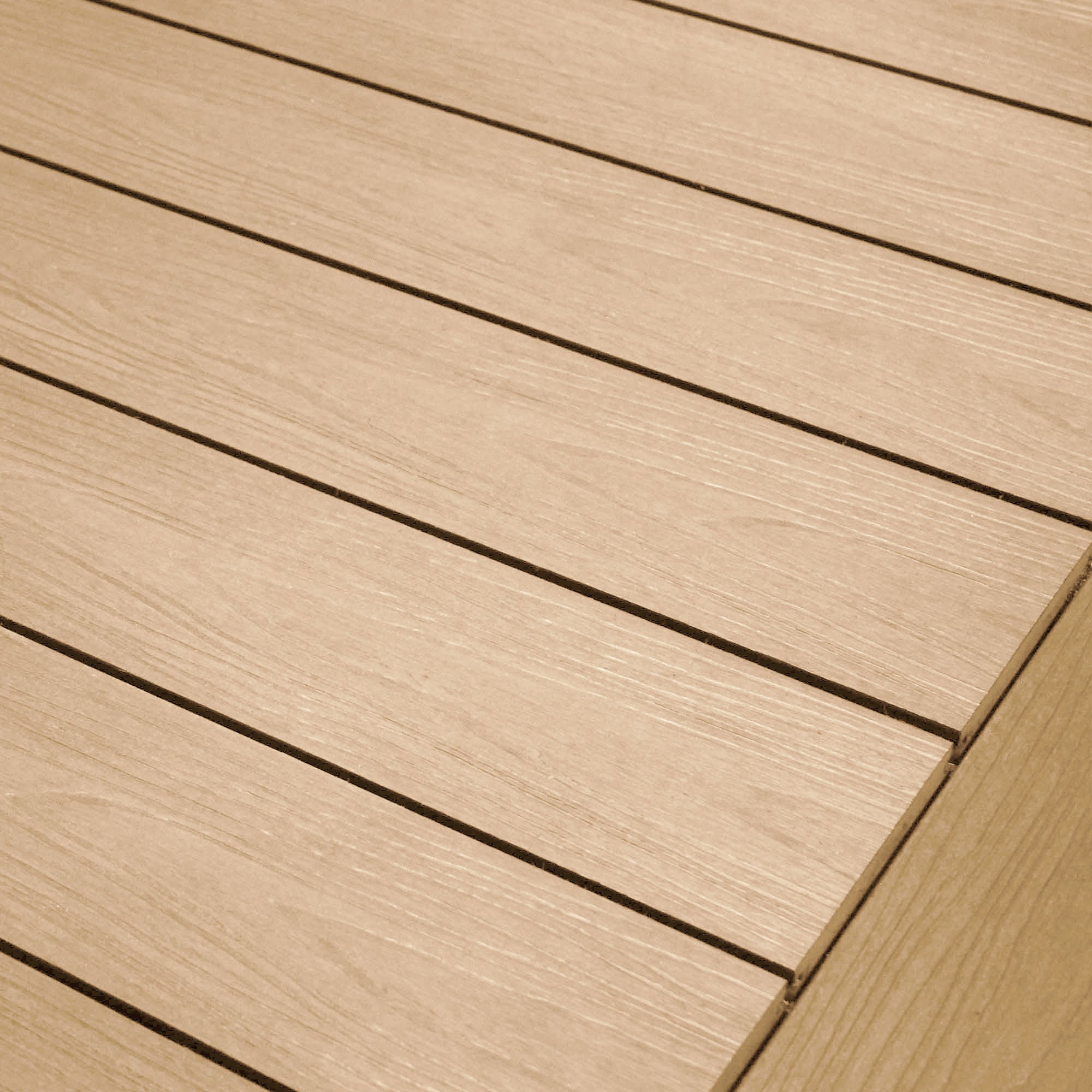
Larch - Frontier Range
Plan Your Decking Project
Everything you need to plan your decking project: visualise colours and trims, get design inspiration and estimate material quantities.
Decking Visualiser
See each deck board and trim colour side by side
Compare Now
Decking Design Ideas
Layout patterns, edging styles and other design ideas
Find Inspiration
Decking Case Studies
See how our decking performs in real projects
Explore Case Studies
Decking Calculator
Estimate how much decking you need
Use Calculator
Composite Decking Installation
With easy-to-follow instructions and expert support available, you can install your composite decking with confidence - no specialist tools required.
Hidden fastener system for a clean finish
Composite decking boards feature a hidden clip system that secures each board in place without visible screws on the surface.
Step-by-step installation guide
We provide a detailed installation guide to walk you through every stage of the process.
Find an installer with our installer network
Connect with our network of trusted and experienced composite decking installers across the UK

Decking Substructure
Every composite deck needs a solid substructure underneath, a supporting frame that your boards are fixed to. How those joists are supported depends on your site: on soft ground, joists are typically attached to posts; on hard surfaces like concrete, patios or rooftops, adjustable pedestals are recommended.
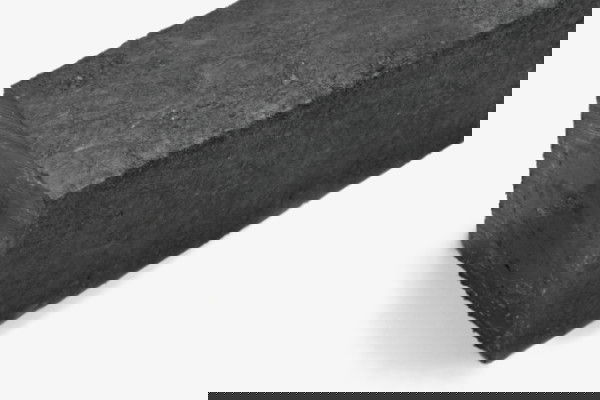
Decking Joists
Non-rot joists form the essential framework beneath composite decking, providing long-term structural stability and support.
View Joists
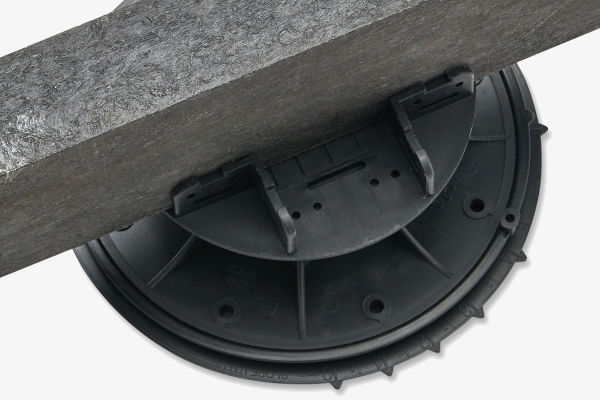
Decking Pedestals
Pedestals support decking joists and are easily adjustable to provide perfect levelling, even on uneven ground or sloping surfaces.
View Pedestals
Composite Decking Explained
Not all composite decking is made the same. From material sourcing to manufacturing energy, here's what sets EnviroBuild's decking apart:
High Recycled Material Content
Made with up to 90% post-consumer plastic and FSC® 100% certified wood
Wind Powered Manufacturing
Manufactured using 100% renewable wind energy
Long-Term Residential Warranty
Backed by warranties of up to 25 years for total peace of mind
Donations to Conservation
10% of profits go towards environmental conservation around the world
Is composite decking better than wood? For most homeowners, yes — composite decking outperforms timber on lifespan, maintenance and long-term cost, however the initial investment costs more upfront. Here's exactly how the two compare:
Timber Decking
Composite Decking
Needs yearly staining
Never needs staining
Splinters over time
Splinter-free
Rots / warps
Resists rot
Fades and greys
UV-resistant finish
Slippery with algae
Slip-resistant
Composite decking is made in four main stages: blending, extrusion, embossing and cutting. Here's how raw material becomes a finished board.

1. Blending - Wood fibre and recycled plastic granules are blended into a uniform wood-plastic composite (WPC) feedstock.
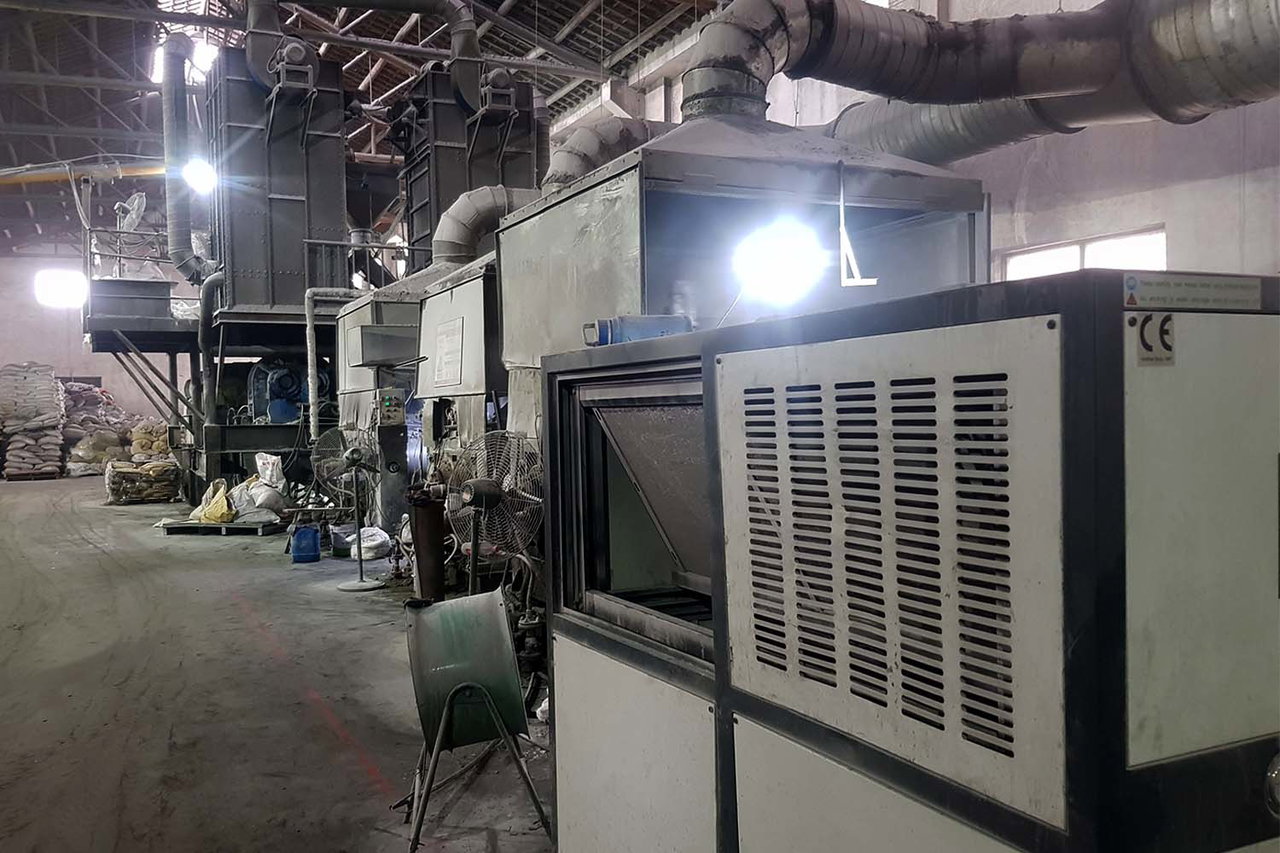
2. Extrusion - The feedstock is heated and forced through a die to form the board's profile.
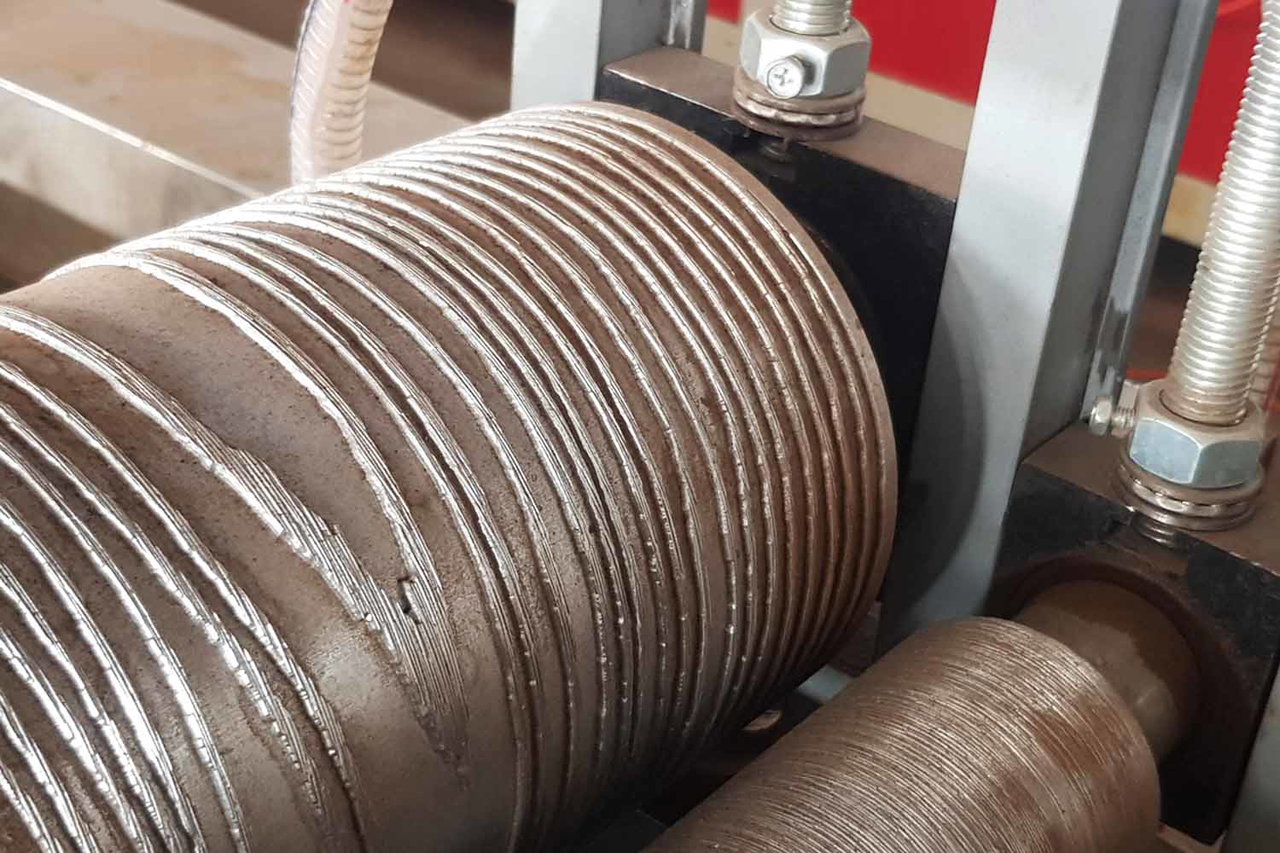
3. Embossing - While still warm, an embossing roller presses a realistic wood-grain texture into the surface.
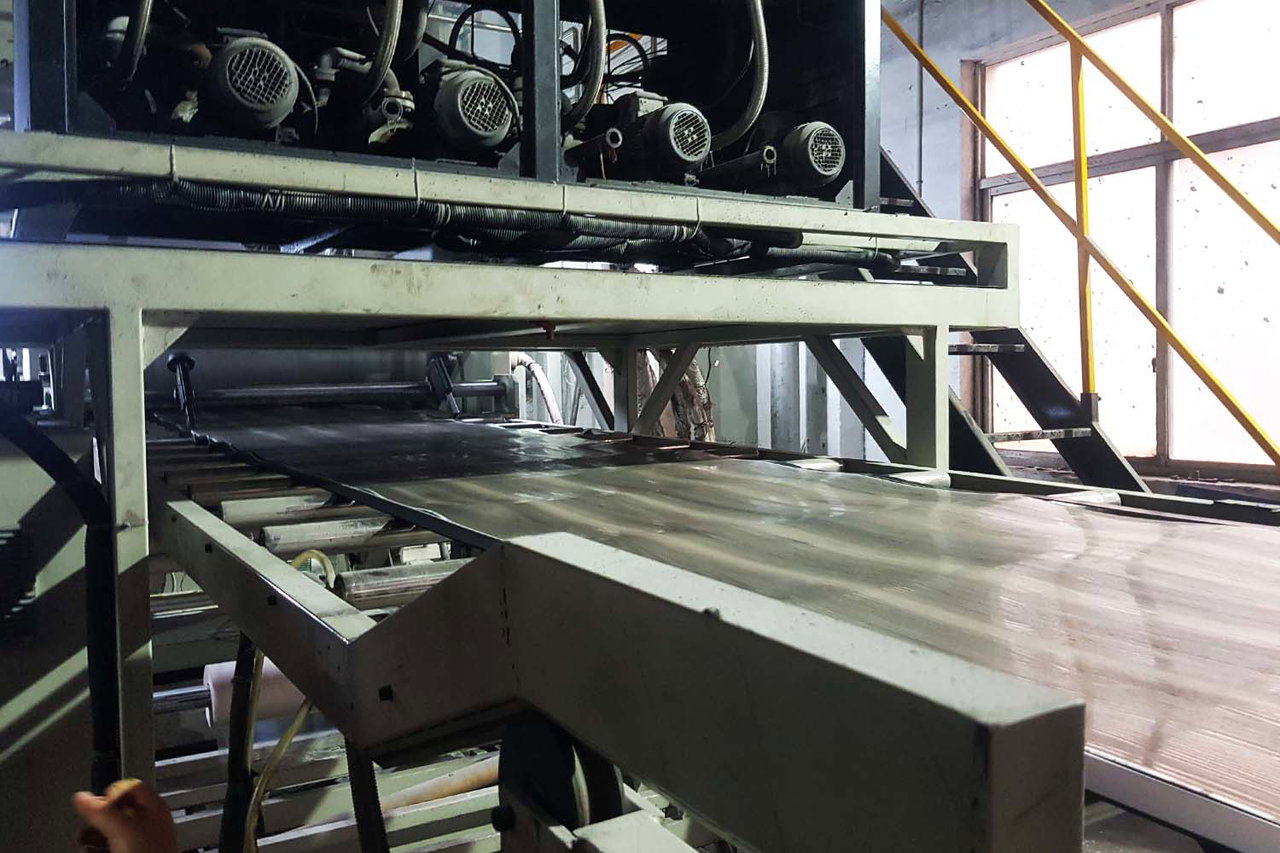
4. Cutting & Haul-off - A haul-off unit pulls the textured board through to be cooled, then cut to length.
Composite decking costs £40-90/m² for materials, depending on board finish and range.
The cost of a full deck depends on several factors:
Deck Size
Board Type
Installation
Substructure
Trims & Fascia
Balustrade
Composite Decking FAQs
If you don’t find the answer you're looking for, our team of experts is here to help. Give us a call on 020 8088 4888.
No, composite decking will not rot, one of its biggest advantages over traditional timber. Composite decking boards are made from a blend of recycled wood fibres and high-performance plastics, creating a dense, moisture-resistant material that resists the fungal growth and decay associated with natural wood.
Unlike timber, which can absorb water and break down over time, eco-friendly outdoor decking made from composite materials is specifically engineered to be low-maintenance and long-lasting—even in wet or humid environments.
Moisture resistance: The plastic content repels water, preventing it from seeping into the board.
No organic breakdown: With no exposed wood grain, there’s no food source for fungi or mould that cause rot.
Capped protection (on some ranges): Premium capped boards have an added polymer shell for even greater protection against moisture, staining, and mildew.
If you're looking for a decking solution that resists the elements and avoids the pitfalls of rotting wood, composite decking boards are a reliable and sustainable choice for both residential and commercial projects.
Composite decking is designed for long-term colour stability, but some initial fading or lightening is normal, especially in uncapped boards. This early change is due to UV exposure and the natural bleeding of tannins from the wood fibres within the board.
Tannin leaching: During the first 8 - 10 weeks after installation, especially in wet weather, tannins from the wood content may leach out of uncapped boards. This can temporarily darken or stain the surface but is a normal part of the weathering process and usually washes away naturally.
UV exposure: Like any outdoor material, sunlight can cause surface fading. With composite decking, this typically results in a slight lightening that stabilises quickly.
Uncapped composite decking: May show more visible tannin marks and minor colour change initially, but these boards settle into a consistent tone over time.
Capped composite decking: Features a durable polymer shell that resists both UV damage and tannin staining, offering superior fade resistance and longer-lasting colour.
Once early weathering is complete, composite decking boards settle into a consistent tone and require no painting or staining. It’s a simple, low-maintenance way to create a great-looking outdoor space that stays that way.
No, composite decking is designed to offer excellent slip resistance, even in wet conditions. While no outdoor surface can be entirely slip-proof, especially in areas prone to standing water or algae, most composite decking boards outperform traditional timber due to their engineered textures and low-porosity surfaces.
Textured surface finishes: Composite boards are manufactured with slip-resistant patterns, such as grooves or embossed woodgrain, that provide reliable grip underfoot.
Low water absorption: Unlike timber, composite decking boards do not swell or become slippery as they absorb water. Their material composition resists moisture ingress, reducing long-term hazards.
Correct deck installation is essential. A slight fall or slope allows water runoff, preventing puddling that can lead to slippery areas.
Routine cleaning helps maintain optimal performance. Keeping the surface free from organic debris, algae, and mould is key to long-term slip resistance.
When properly installed and maintained, composite decking provides a safe and reliable solution for outdoor spaces.
Technically, yes, you can paint composite decking, but it’s generally not recommended. Most composite decking boards, particularly capped varieties, are engineered with a protective outer shell that resists moisture, fading, and staining. This makes paint unlikely to adhere properly and can void the manufacturer’s warranty.
Low-Maintenance by design: One of the key benefits of composite decking is that it never needs sanding, sealing, or painting, making it a true low-maintenance decking solution.
Warranty risks: Altering the board’s surface may compromise product guarantees, especially for UV and stain resistance.
For older, uncapped composite boards that have faded significantly or suffered surface damage, painting may be a last-resort option.
Ultimately, for a long-lasting and eco-friendly outdoor decking solution, it’s best to choose a composite board in a colour you’re happy with long-term, avoiding the need to paint altogether. Proper deck installation and minimal upkeep will ensure a consistent, durable finish for years to come.
Maintaining composite decking is straightforward and significantly easier than with traditional timber. Designed as a low-maintenance decking solution, composite boards require only occasional cleaning to keep them looking their best and performing well year-round.
Regular cleaning: Sweep the deck regularly to remove leaves, dirt, and debris. This prevents staining and helps avoid mould or algae build-up.
Washing: Clean the surface with warm soapy water and a soft-bristle brush, or use a pressure washer on a low setting (typically under 1500 psi). Always follow the grain of the board to avoid damage.
Tannin & water marks: Some early weathering, such as tannin leaching or water spots, is normal and will fade over time. Light rinsing or gentle scrubbing can help.
Avoid harsh chemicals: Do not use bleach, strong solvents, or oil-based cleaners, as they may damage the surface or compromise colour stability.
Ensure proper drainage during deck installation to reduce standing water and prevent slipping or staining.
Inspect fixings and joists annually to ensure the substructure remains secure, particularly on commercial or high-traffic installations.
Thanks to its durability and weather resistance, eco-friendly outdoor decking made from composite materials delivers long-lasting performance with minimal effort, making it ideal for both residential gardens and large-scale landscaping projects.
Composite decking is a man-made building product manufactured with a blend of wood fibres, plastic polymers and a small amount of bonding agents. This mix is heated, formed into board shaped lengths and then cooled.
Recycled wood fibres: Typically sourced from sawdust or reclaimed wood, these fibres provide the deck board with strength and a natural grain-like texture.
Recycled plastics: High-density polyethylene (HDPE) or polypropylene is used to bind the board together and add moisture resistance. These plastics are often sourced from post-consumer waste such as packaging or plastic bottles.
Additives and binders: Colour pigments, UV inhibitors, and bonding agents are added to improve fade resistance, colour consistency, and structural stability.
Capped composite decking includes a protective polymer shell that surrounds the core, providing enhanced resistance to staining, fading, and moisture.
Uncapped composite decking boards are more affordable but may be more susceptible to early weathering or surface marking.
This eco-friendly outdoor decking solution not only diverts waste from landfill but also offers excellent durability and aesthetics with minimal upkeep.
In many ways, composite decking is a better long-term choice than traditional wood decking, especially when it comes to durability, maintenance, and environmental impact. While timber remains popular for its natural aesthetic and lower upfront cost, composite decking boards offer several key advantages that make them a smarter investment for modern outdoor spaces.
Low maintenance: Composite decking doesn’t require sanding, staining, or sealing. Occasional cleaning is all that’s needed, making it a truly low-maintenance decking solution.
Longer lifespan: Unlike timber, composite boards won’t rot, splinter, warp, or suffer from insect damage.
Slip and fade resistance: Capped composite boards are designed to resist UV fading, stains, and moisture, maintaining their appearance.
Eco-friendly materials: Most eco-friendly outdoor decking options use recycled wood and plastics, reducing landfill waste and deforestation.
For some projects, such as heritage restorations or where a weathered natural finish is specifically desired, wood may be appropriate. However, for the vast majority of deck installation projects, especially where longevity, performance, and sustainability are priorities, composite decking is the superior choice.
The best composite decking depends on your specific style and needs: budget, location, intended use, and aesthetic. However, in general, capped composite decking boards are considered the highest-performing option on the market today due to their enhanced durability, stain resistance, and long-term colour retention.
Capped boards: These include a protective polymer shell that surrounds the core, offering superior resistance to fading, moisture, mould, and staining. Ideal for high-traffic areas or exposed outdoor spaces.
High slip resistance: Look for boards with textured surfaces or anti-slip certifications, particularly important for commercial spaces or wet climates.
Warranty coverage: Leading manufacturers offer warranties of 15–25 years or more, covering structural performance and colour stability.
Sustainable manufacturing: The best eco-friendly outdoor decking options are made from up to 90% recycled materials and manufactured using renewable energy.
The best composite decking balances performance, aesthetics, and sustainability. Whether you’re building a family-friendly outdoor retreat or specifying materials for a commercial project, investing in a high-quality, low-maintenance decking system ensures lasting value and professional-grade results.
Composite decking typically lasts 25 to 30 years or more, depending on the quality of the board, exposure to the elements, and how well it’s maintained. This far exceeds the lifespan of traditional timber decking, which often requires replacement after 10–15 years due to rot, warping, or insect damage.
Durable materials: Made from a blend of recycled wood fibres and plastic, composite decking boards resist moisture, mould, and decay.
Capped protection: Premium boards feature a protective shell that shields against fading, stains, and surface wear, significantly extending the deck’s usable life.
Low-maintenance performance: With no need for sanding, staining, or sealing, composite decking maintains its integrity with minimal upkeep, ideal for both homeowners and landscapers seeking reliable, long-term results.
With residential warranties ranging from 15 to 25 years (depending on product range), we have confidence in the long-term performance of our products.
Eco-friendly outdoor decking made from composite materials offers a low-maintenance decking solution that stands the test of time. While proper deck installation and basic care will ensure it continues to perform for decades.
Composite decking costs vary depending on the board type, quality, and whether you're pricing for materials only or a fully installed deck. As a general guide, composite decking boards in the UK range from around £25 to £60 per 4m board, with entry-level uncapped boards at the lower end and premium fully capped boards at the higher end.
For EnviroBuild boards specifically:
Explorer range (uncapped): from £29.99 per 4m board
Frontier range (fully capped): from £41.99 per 4m board
When calculating project costs, it helps to think in square metres. Depending on board width and spacing, composite decking typically costs between £40 and £90 per m² for materials alone. This should be budgeted alongside the cost of substructure (joists, pedestals, fixings) and, if applicable, professional installation.
What affects the total cost?
Board type: Fully capped solid boards cost more upfront but typically offer longer warranties and lower maintenance costs over time, making them a better long-term investment for high-traffic or exposed areas.
Deck size and shape: Larger or irregular-shaped decks require more cutting and waste allowance, increasing material costs.
Substructure: A correctly specified substructure, non-rot joists, adjustable pedestals and hidden fixings, adds to the initial outlay but is essential for long-term performance.
Installation: Installation costs vary depending on your location, deck size, and site conditions.
Is composite decking more expensive than timber?
Composite decking generally costs more upfront than treated timber, which can be sourced from around £20–£30 per m². However, timber requires regular maintenance (sanding, treating, and potentially replacing boards), which adds significant cost over time. When comparing over a 10–15 year period, composite decking often works out cheaper overall, with the added benefit of a longer warranty and no ongoing treatment costs.
Ready to Transform Your Outdoor Space?
Take the next step with EnviroBuild composite decking. Whether you're ready to buy or just exploring, our team is here to help you build a garden deck that lasts.
Contact Us
Our team of experts is here to answer your questions.
Send Message
Order Free Samples
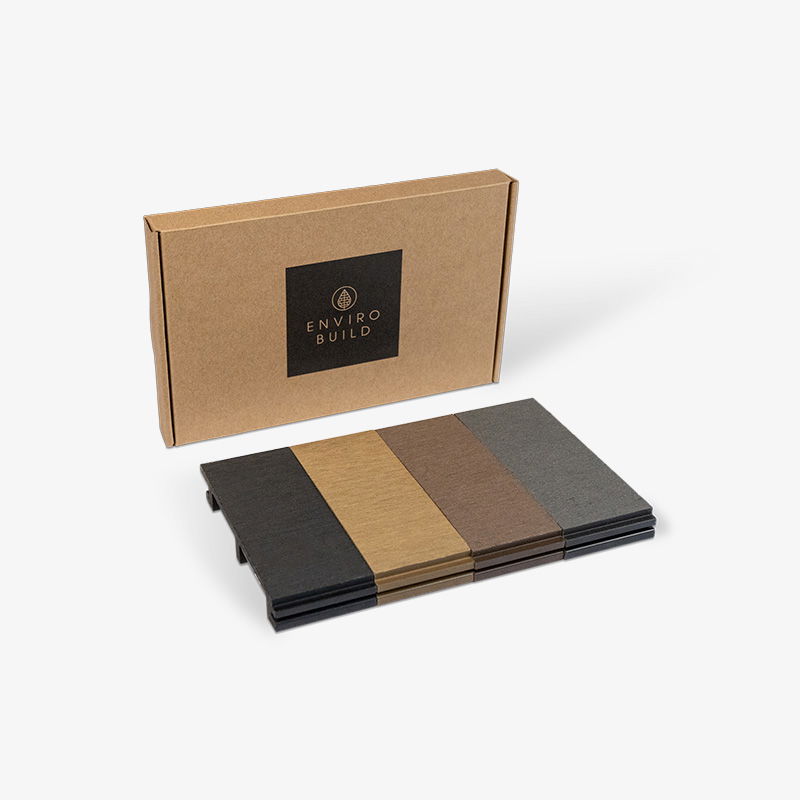
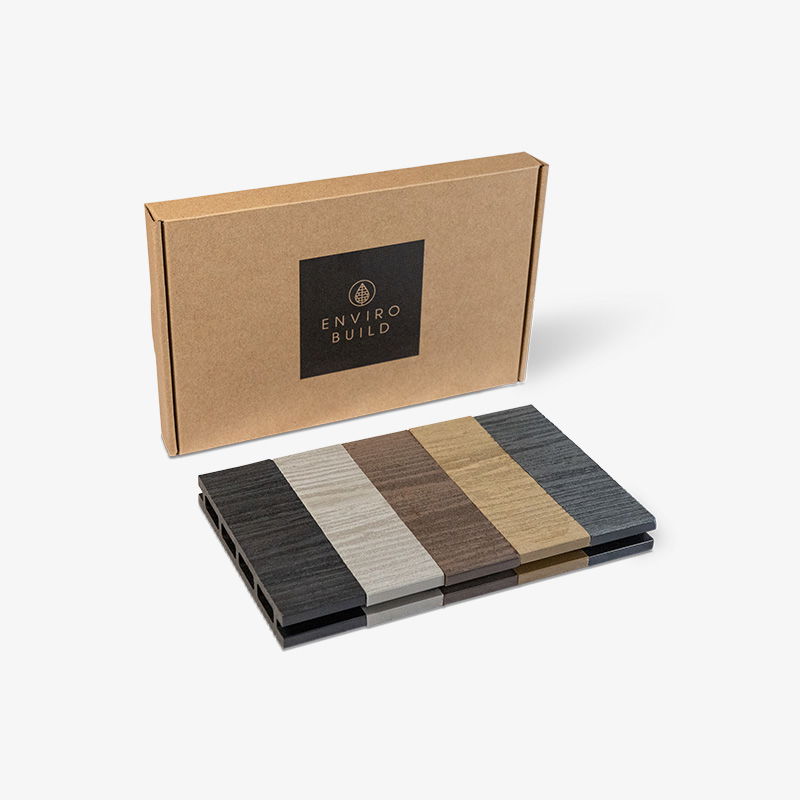
Feel the quality and see the colours before you buy.
Get Samples
Decking Calculator
Estimate exactly how many boards your project needs.
Calculate Now
Request a Quote
Get a tailored price for your complete decking project.
Get Quote
All wood materials we use are FSC® certified

Member of World Land Trust's Carbon Balanced Programme

We donate 10% of our profits to Rainforest Trust UK

Claim your free samples now
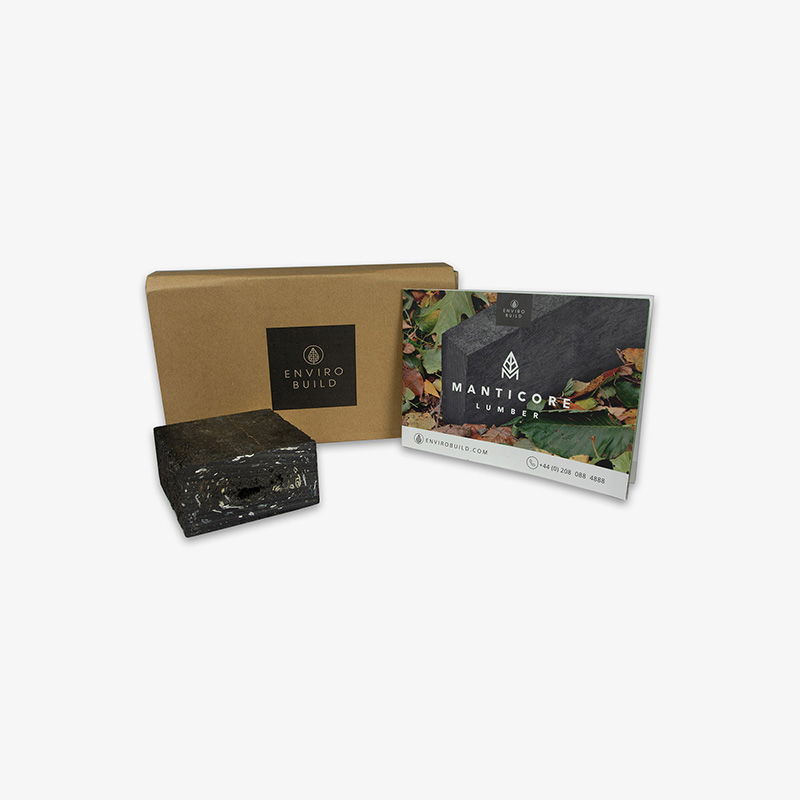
We have free samples available for all of our main products, arriving via Royal Mail in 2-3 working days.