
Best Composite Cladding UK: A Complete Buyer’s Guide for Modern Homes
If you are researching the 'best composite cladding UK' online, you are probably looking for something that looks great on your home but does not come with the constant upkeep that traditional materials demand. In the UK, where weather conditions can shift from heavy rain to strong sun in a matter of days, the choice of exterior materials matters more than ever.
At EnviroBuild, we speak to homeowners, designers and self-builders every day who want an exterior finish that is durable, contemporary and practical. Composite cladding has become one of the most popular options for modern UK homes because it delivers on all three without compromise.
In this guide, we break down what composite cladding is, why it works so well in British conditions, and what you should consider before choosing it for your own property. If you are comparing materials and want a clear, honest overview of the best composite cladding in the UK, you are in the right place.

Author Name
Chief Writer
Thu, 28 Jul 2026
Why Composite Cladding Is Ideal for UK Homes
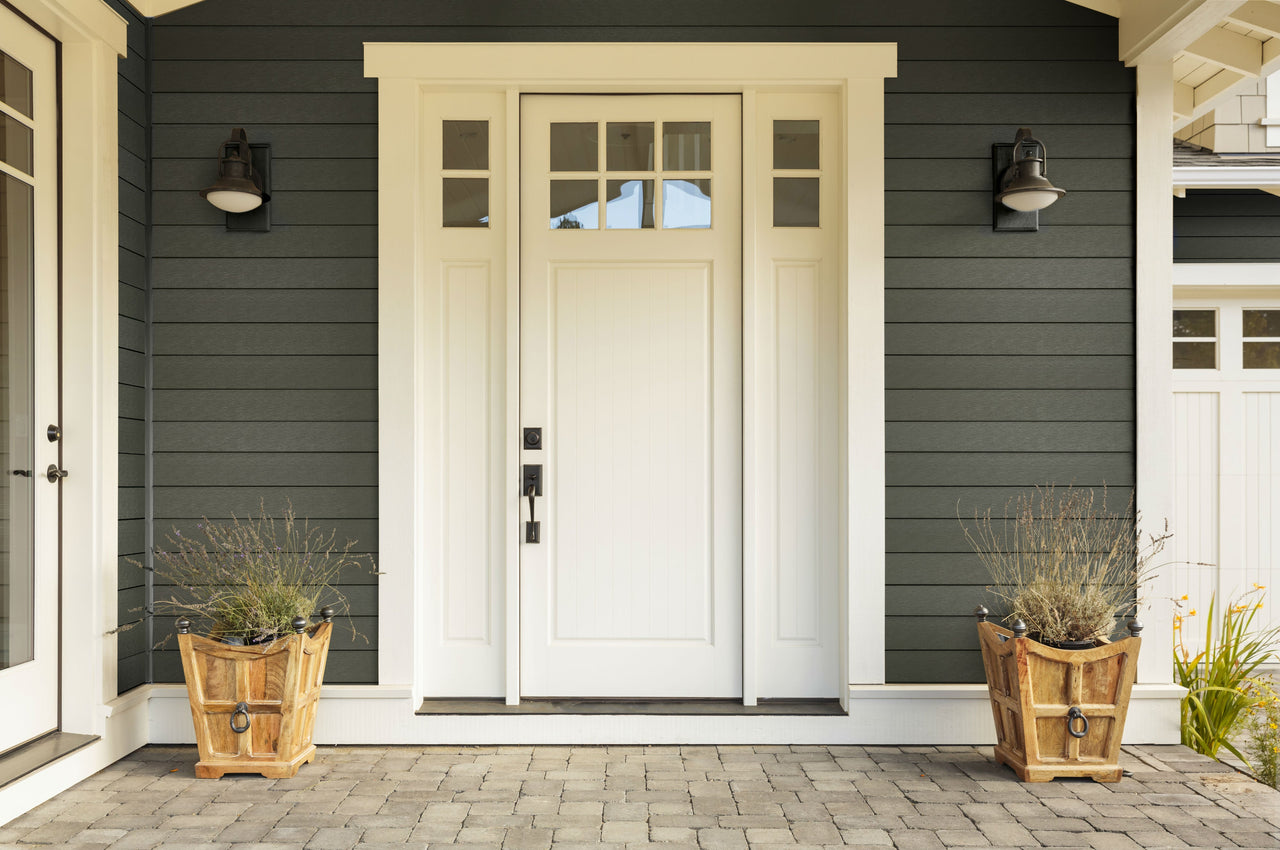
One of the main reasons composite cladding performs so well in the UK is its ability to handle moisture. Traditional timber cladding, particularly styles like vertical timber cladding or timber cladding vertical, can look beautiful when first installed, but it often needs regular sealing, staining or painting to protect it from rot and swelling. Composite cladding, by contrast, is engineered to resist water absorption.
For UK homes exposed to frequent rain, frost and fluctuating temperatures, this stability is a major advantage. Composite boards do not warp, split or crack in the same way natural timber can. That makes them an excellent choice for outside wall cladding on both new builds and renovations, especially in coastal or high-rainfall areas.
Another key benefit is low maintenance. Once installed, composite cladding does not need repainting or oiling. An occasional wash with warm water is usually enough to keep it looking its best. For busy households or rental properties, this alone is often the deciding factor when searching for the best composite cladding UK.
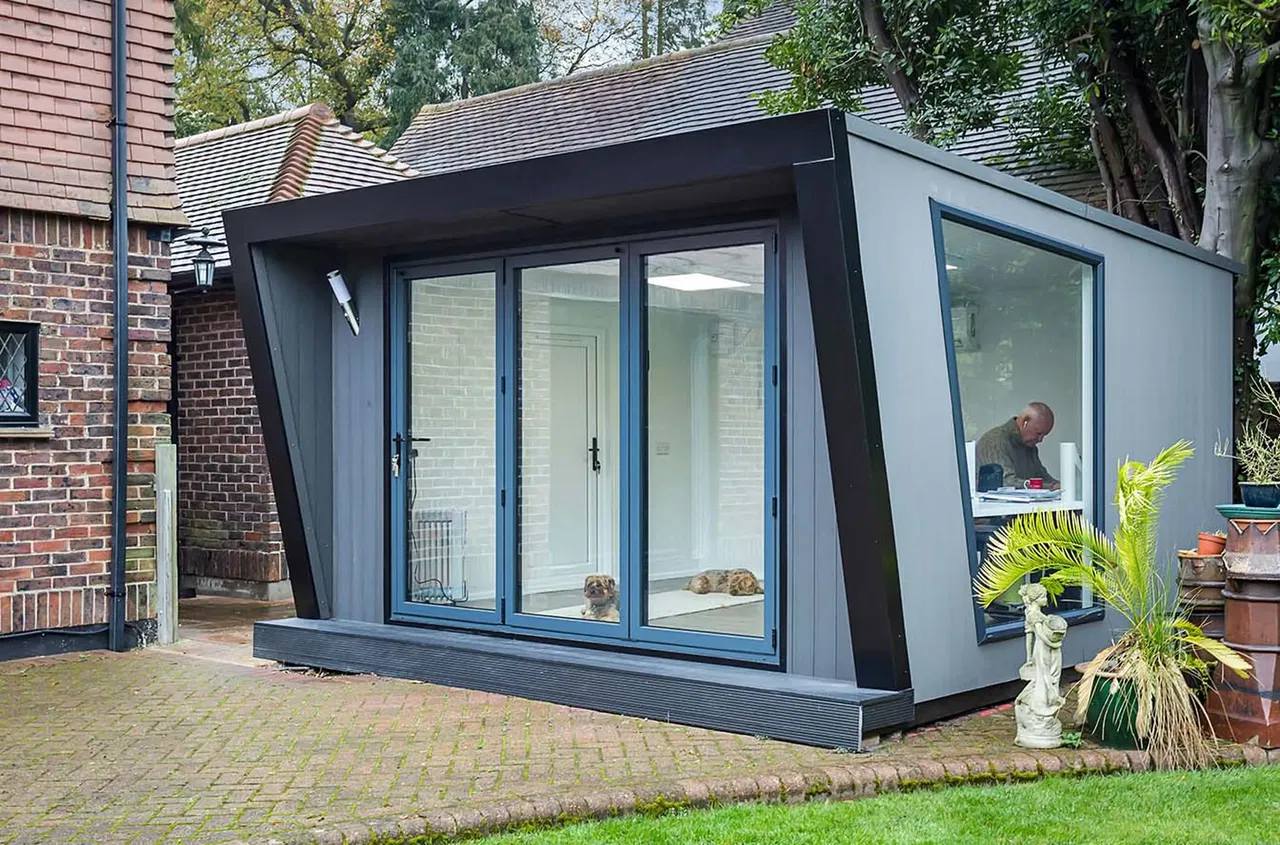
Aesthetically, composite cladding offers clean lines and consistent colour. Whether used as full exterior panelling or as a feature section on a façade, it suits modern architecture particularly well. Many homeowners choose it to create contrast alongside brick, render or stone, giving depth to the exterior without visual clutter.
Durability also plays a role. Composite cladding is designed to hold its colour and structure for years, even under UV exposure. In a climate where external materials are constantly tested, the long-term performance is what makes composite a reliable solution for UK homes.
What Composite Cladding Is Made Of
To understand why composite cladding performs differently from timber, it helps to look at how it is made. Composite cladding is typically manufactured from a blend of recycled wood fibres and recycled plastic. This combination brings together the natural appearance of wood with the resilience of polymer materials.
The wood fibres contribute texture and visual warmth, while the plastic content provides moisture resistance and structural stability. The result is a board that looks refined and architectural but behaves predictably over time. This is one of the reasons composite cladding is often chosen over traditional timber for exterior panelling in the UK.
From an environmental perspective, composite cladding also makes sense. Using recycled materials helps reduce waste while extending the lifespan of exterior finishes. For homeowners who are conscious of sustainability but still want a premium look, this balance is an important part of choosing the best composite cladding UK.
Manufacturing processes also allow for consistent sizing and profiles. This makes installation more straightforward and ensures a uniform finish across the entire façade. Whether you are using composite as a full external wall panel system or as accent cladding, consistency plays a big role in the final appearance.
Another advantage of engineered materials is predictability. Natural timber varies from board to board, which can be part of its charm but also a challenge. Composite cladding removes that uncertainty, making it easier to plan, design and install with confidence.
Common Questions About Composite Cladding
How Long Does Composite Cladding Last?
Composite cladding typically lasts 25 to 30 years or more when installed correctly. It is engineered to resist moisture, rot, warping and insect damage, making it significantly more durable than traditional timber. This long lifespan is one of the main reasons many homeowners consider it the best composite cladding UK for long-term performance and value.
Do I Need Planning Permission?
In most cases, you do not need planning permission to install composite cladding on a house in the UK, as it typically falls under permitted development rights. However, permission may be required if the property is a listed building, located in a conservation area, or if the cladding significantly changes the external appearance of the home.
Flats and maisonettes usually have different rules, so additional consent may be needed. Because regulations can vary by local authority, it is always advisable to confirm with your local planning department before starting any external work.
What Maintenance Does Composite Cladding Need?
Composite cladding requires minimal maintenance compared to traditional timber. It does not need painting, staining or sealing. In most cases, an occasional clean with warm soapy water and a soft brush is enough to remove dirt, algae or surface debris.
Because it is engineered to resist moisture absorption, composite cladding does not rot, warp or splinter like timber can. Avoid using harsh chemicals or high-pressure washers, as gentle cleaning is sufficient to maintain its appearance and performance over time.
What Maintenance Is Required Compared To Timber?
Composite cladding can be fire-rated, but performance varies depending on the specific product and how it is installed. In the UK, cladding materials are tested to recognised standards such as Euroclass ratings under BS EN 13501-1. It is essential to check the certified fire classification of the exact system you are considering.
Fire performance is particularly important for multi-storey buildings, commercial projects and properties subject to stricter building regulations. Always review manufacturer documentation and consult your installer or building control officer to ensure compliance.
Can I Install Composite Cladding Myself?
Composite cladding can be installed by experienced DIYers, but it requires careful planning and precise installation. Correct spacing, ventilation gaps and appropriate fixings are essential to allow for expansion and ensure long-term performance.
If boards are installed too tightly or without adequate airflow behind them, issues such as movement or moisture build-up can occur. For full façades, multi-storey projects or complex designs, professional installation is often recommended to ensure compliance with building regulations and manufacturer guidelines.
Choosing Composite Cladding for Your Home
There are several important factors homeowners should consider when choosing composite cladding for their project. Beyond colour and finish, long-term performance, installation quality and how the material interacts with your property all play a role in achieving the best result.
It is also worth thinking about how the cladding will perform over time, not just how it looks on installation day. Factors such as structural support, ventilation design, exposure to weather and compliance with UK building regulations all influence whether the finished façade will remain stable, attractive and low-maintenance for years to come. Taking a holistic approach from the outset helps ensure you select a system that delivers both visual impact and lasting reliability.
Style
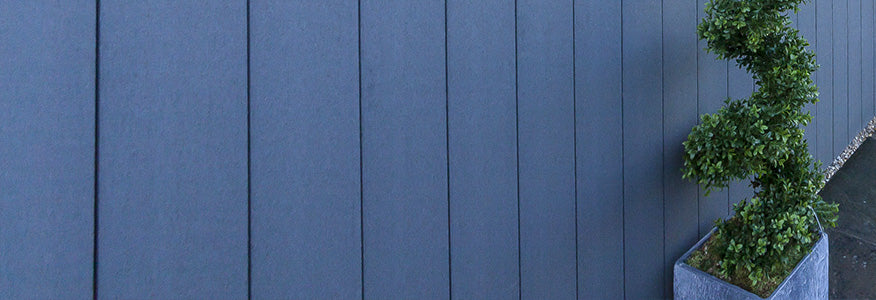
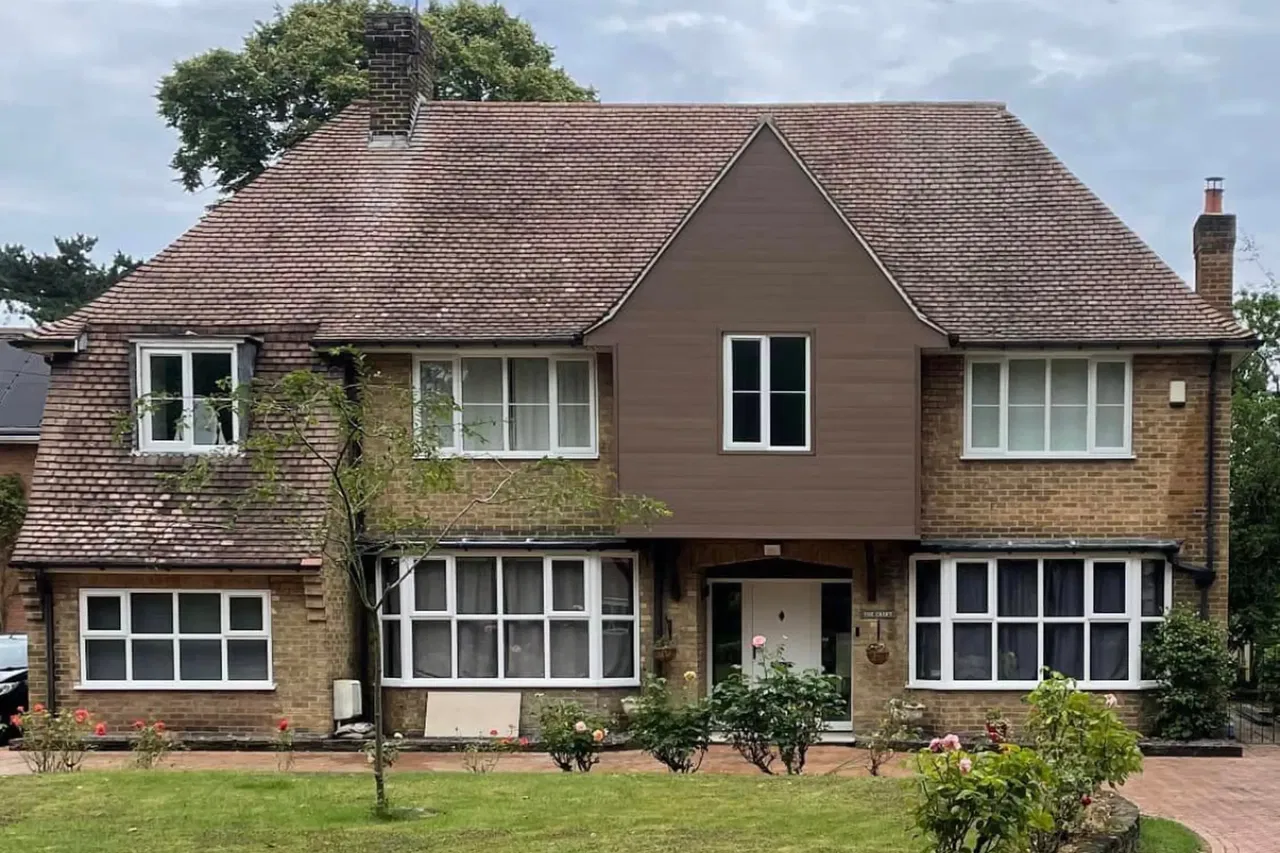
When selecting composite cladding, start by considering the architectural style of your property. Clean horizontal or vertical lines tend to complement modern homes with sharp detailing, while slatted or textured finishes can soften contemporary extensions or updated period properties. The orientation of the boards can also influence how tall or wide a building appears, subtly shaping the overall visual balance.
It is also worth thinking about scale and proportion. Wider boards can create a bold, contemporary statement, while narrower profiles may suit smaller façades or feature sections. Colour choice plays a major role too, especially in the UK, where natural light shifts throughout the year. Sampling different tones against your existing brickwork or render helps ensure the final look feels intentional rather than contrasting by accident.
Climate
UK weather conditions place consistent pressure on exterior materials. Frequent rain, fluctuating temperatures and occasional frost mean outside wall cladding must be able to cope with expansion, contraction and moisture exposure without degrading over time. Composite cladding is engineered to remain stable in these conditions, which is one of the reasons it is often considered among the best composite cladding UK options for long-term durability.
Location also matters. Coastal areas, for example, may expose materials to salt air, while shaded elevations are more prone to algae build-up. Choosing a cladding system designed for moisture resistance and colour stability helps reduce future maintenance and protects the building envelope beneath.
Ventilation
Ventilation is a critical but often overlooked part of any external wall panel system. Composite cladding should always be installed with a ventilated cavity behind the boards to allow airflow and prevent trapped moisture. This protects the substructure and maintains the long-term integrity of the façade.
Proper spacing between boards is equally important. Composite materials expand and contract slightly with temperature changes, so installation guidelines must be followed carefully. A well-ventilated, correctly spaced system performs far better over time than one installed without attention to detail.
Aesthetics
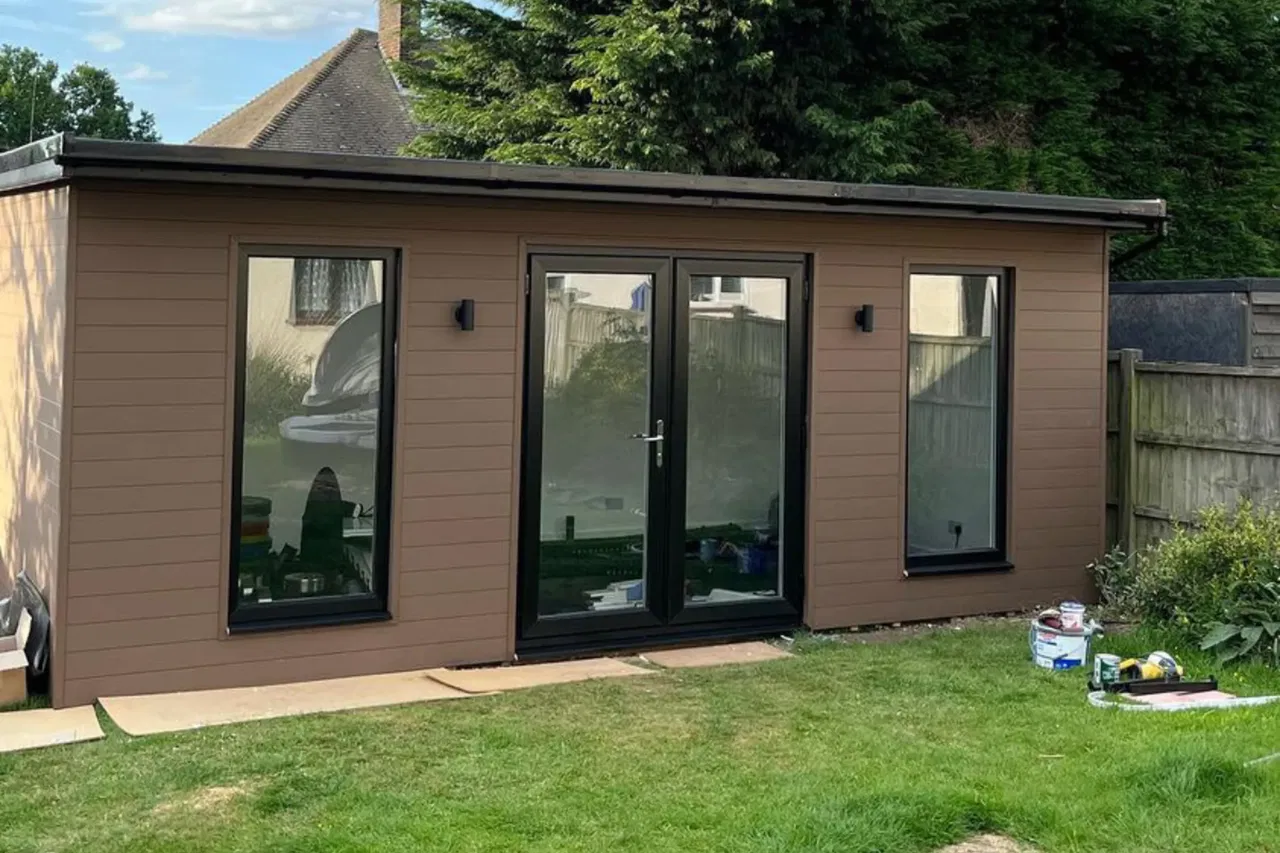
Composite cladding works best when it is considered as part of the entire exterior design. It can create contrast alongside brick, render or glazing, adding depth and texture without overwhelming the façade. Used thoughtfully, composite wall panels can frame entrances, highlight extensions or break up large exterior surfaces.
Lighting also plays a role in how exterior panelling appears. Vertical timber cladding styles, for example, create shadow lines that shift throughout the day. Composite alternatives can achieve a similar architectural effect while offering greater durability. Considering how light interacts with texture ensures the finished result feels refined and cohesive.
Best Composite Cladding UK: Order EnviroBuild Cladding Today
If you are ready to upgrade your exterior with the best composite cladding UK, EnviroBuild makes it easy to choose a finish that combines modern design with long-term durability. Our Explorer range delivers a clean, contemporary look with minimal maintenance, while our Slatted cladding introduces architectural depth and texture to façades, feature walls and garden structures.
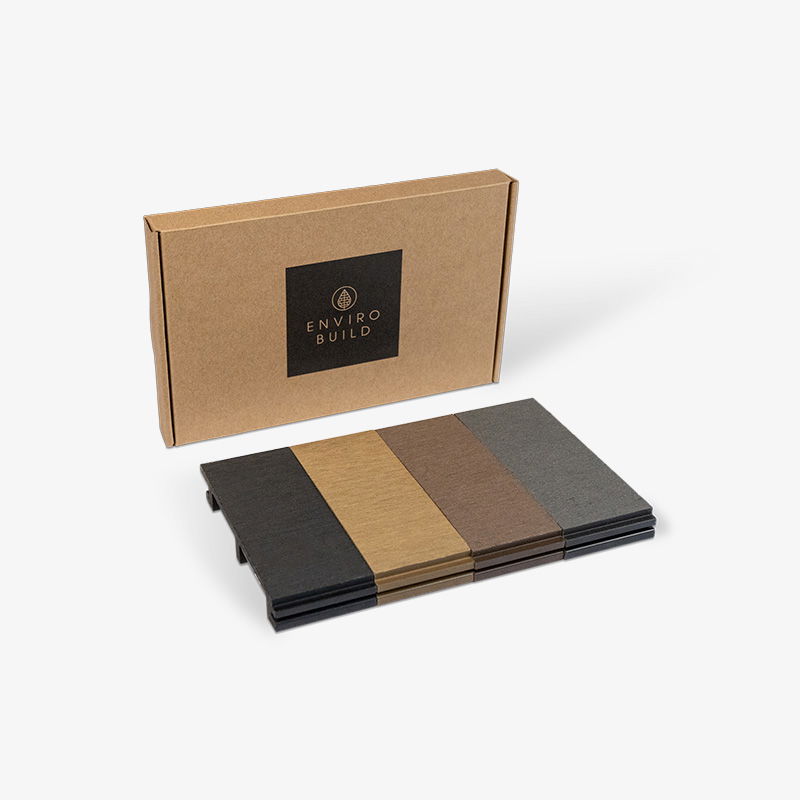
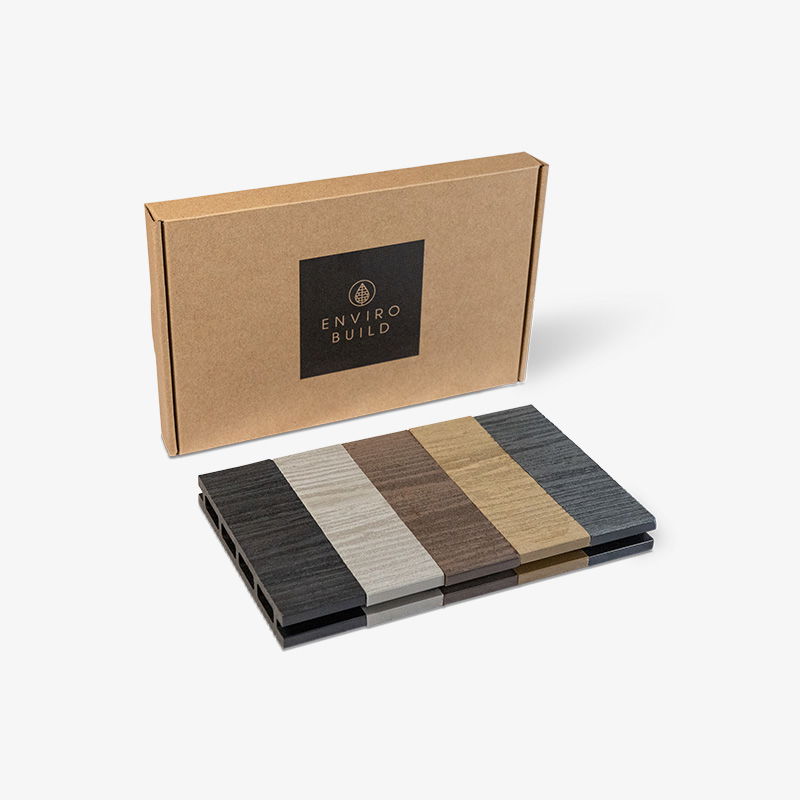
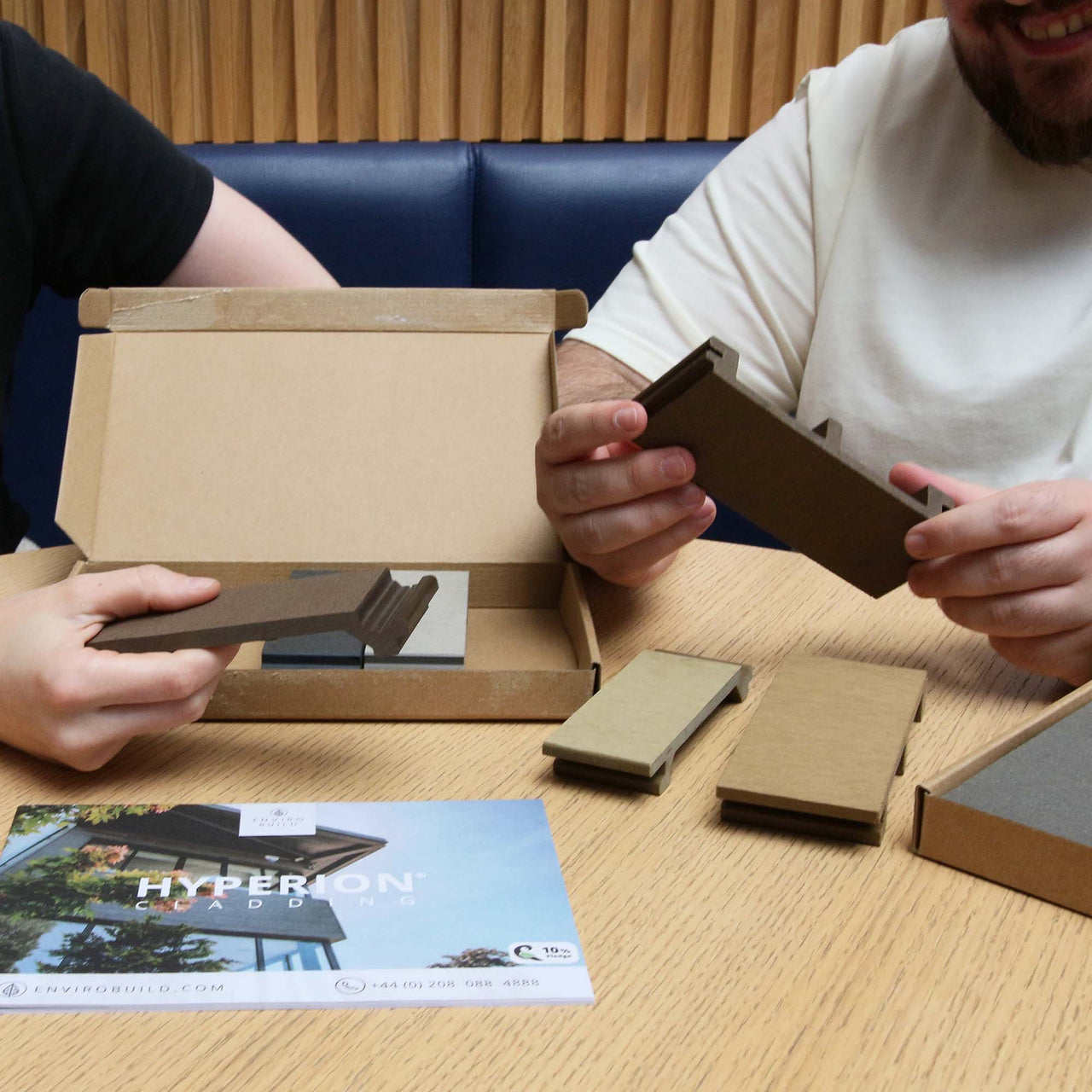
Both ranges are engineered for UK conditions, resisting moisture, fading and warping without the ongoing upkeep associated with traditional timber. To help you choose with confidence, we offer free cladding samples so you can see the colour, texture and quality in person before placing your order.
If you are planning a wider exterior project, EnviroBuild also supplies aluminium cladding, composite decking, aluminium decking, fibre cement decking, 100% recycled plastic decking, composite fencing, porcelain paving, and substructure. This allows you to create a cohesive, low-maintenance outdoor space using materials designed to perform together.
We hope you found this blog on the 'best composite cladding helpful. If you need further guidance when selecting materials for your home, our team is here to help. You can email info@envirobuild.com or call 020 8088 4888 between 9 am and 5 pm weekdays.