
Best Slip Resistant Decking: How to Stay Safe and Steady in UK Gardens
When people search for the best slip resistant decking, they are usually thinking about more than just looks. In the UK, outdoor spaces have to cope with rain, damp conditions, algae growth and frequent year-round use. Add children running around, pets charging across the garden, or guests stepping outside with a drink in hand, and safety quickly becomes just as important as style.
At EnviroBuild, we see slip resistance as a core performance feature, not an optional extra. A deck should feel confident underfoot in all seasons, without constant treatments or ongoing worry. In this guide, we explain how slip resistance works, what to look for, and how to choose decking that stays safe and attractive over time.

Author Name
Chief Writer
Thu, 28 Jul 2026
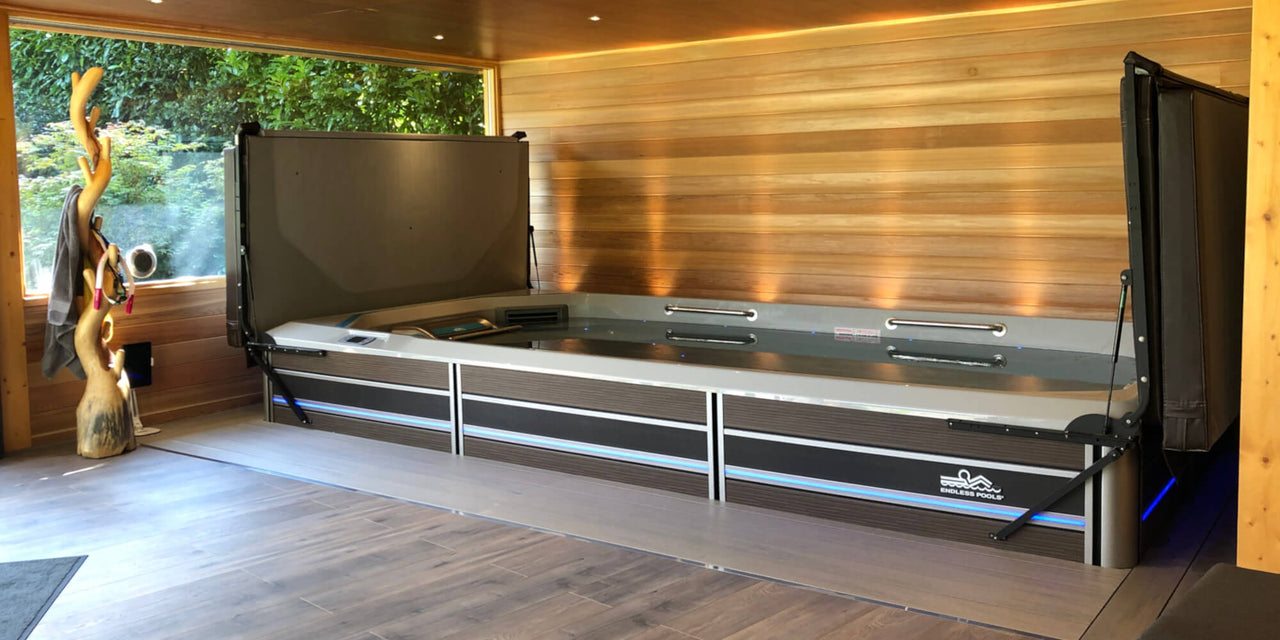
Best Slip Resistant Decking: Why Slip Resistance Matters for UK Homes
British gardens are used differently to those in warmer, drier climates. Even in summer, moisture is part of everyday life. Morning dew, shaded areas, rainfall and organic debris all contribute to surfaces becoming slick if they are not designed properly.
Traditional timber decks often start out looking great, but over time, many homeowners find their decking slippery, particularly after rain. This is usually caused by surface wear, algae growth and the natural breakdown of wood fibres. Once that happens, safety becomes an issue, especially on steps, raised platforms and walkways.
Slip resistance matters because:
Outdoor spaces are used by all ages, from children to older family members.
Gardens are often accessed directly from kitchens and living areas, increasing foot traffic.
UK weather encourages moss and algae, which thrive on porous materials.
Wet surfaces combined with smooth finishes increase the risk of falls.
Choosing the best slip resistant decking with built-in grip reduces the need for constant vigilance and makes outdoor spaces more usable throughout the year.
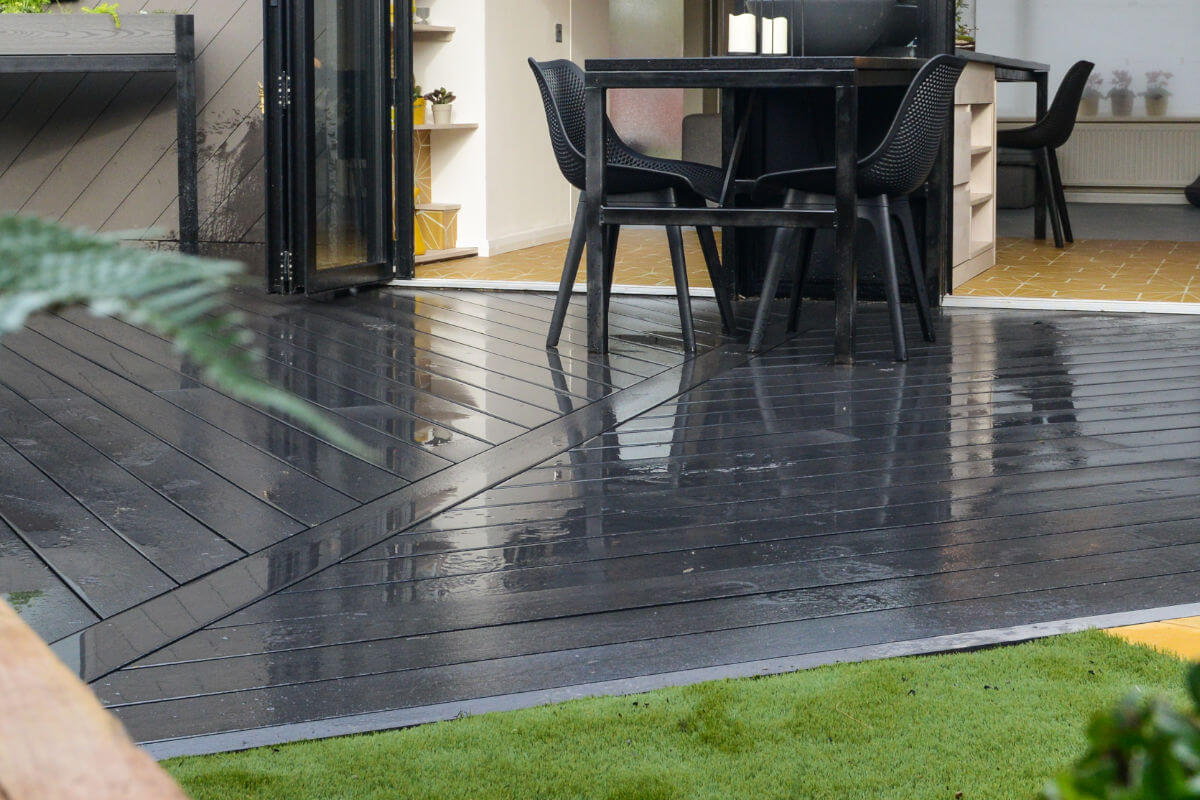
How Slip Resistance Works in Decking
Slip resistance is not accidental. It is engineered through a combination of material choice, surface design and performance testing. Understanding how this works helps you avoid products that look good initially but become hazardous over time. Decking manufacturers carefully design the board surface to create friction underfoot, which helps prevent slipping when the surface is wet. This often involves textured finishes, subtle embossing or brushed surfaces that provide grip without feeling rough or uncomfortable to walk on.
The structure of the material also plays an important role. Boards that resist moisture absorption and maintain a consistent surface over time are far less likely to become slippery. In contrast, materials that wear down, absorb water or allow algae to develop can gradually lose their grip. High quality composite decking is designed to maintain its surface texture and stability for years, helping ensure that slip resistance remains consistent even in damp UK garden conditions.
Surface Texture and Grip
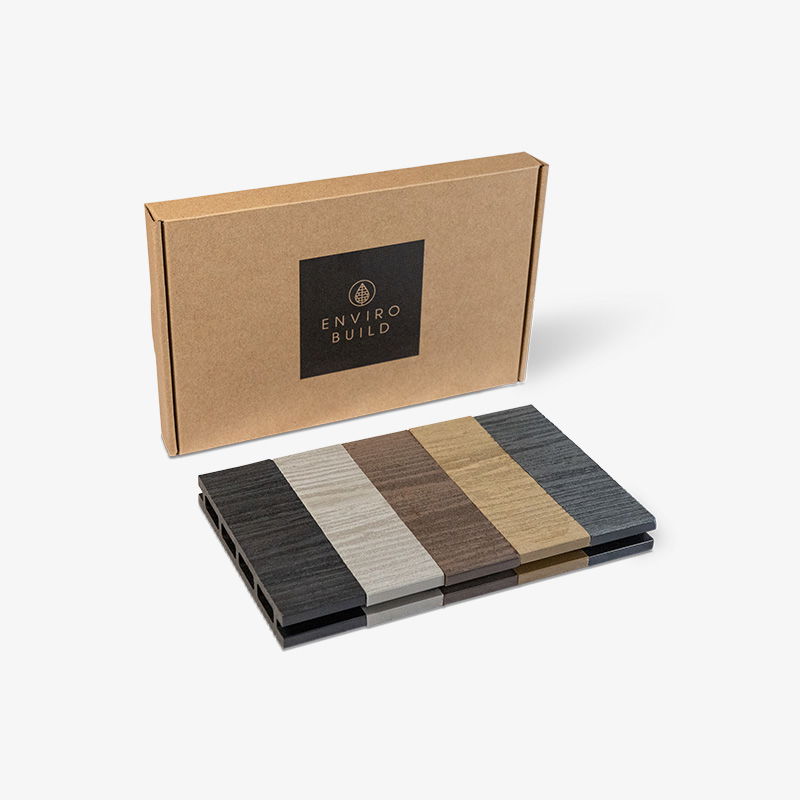
One of the biggest factors in slip resistance is surface texture. Boards designed for outdoor safety use subtle embossing or brushed finishes to create grip underfoot. This texture increases friction, helping shoes and bare feet maintain contact even when the surface is wet.
In contrast, smooth or planed boards may feel pleasant when dry but offer very little resistance once moisture is present. This is why many homeowners look for non-slip deck boards rather than relying on post-installation treatments.
Material Composition
The material itself plays a major role in the best slip resistant decking. Composite decking is made by combining recycled polymers with wood fibres. Unlike timber, this creates a dense, stable board that does not splinter, warp or absorb water in the same way.
Because moisture is less able to penetrate the surface, composite boards are far less prone to the algae growth that causes slippery conditions. This makes composite an increasingly popular choice for anyone searching for good composite decking that performs reliably in the UK climate.
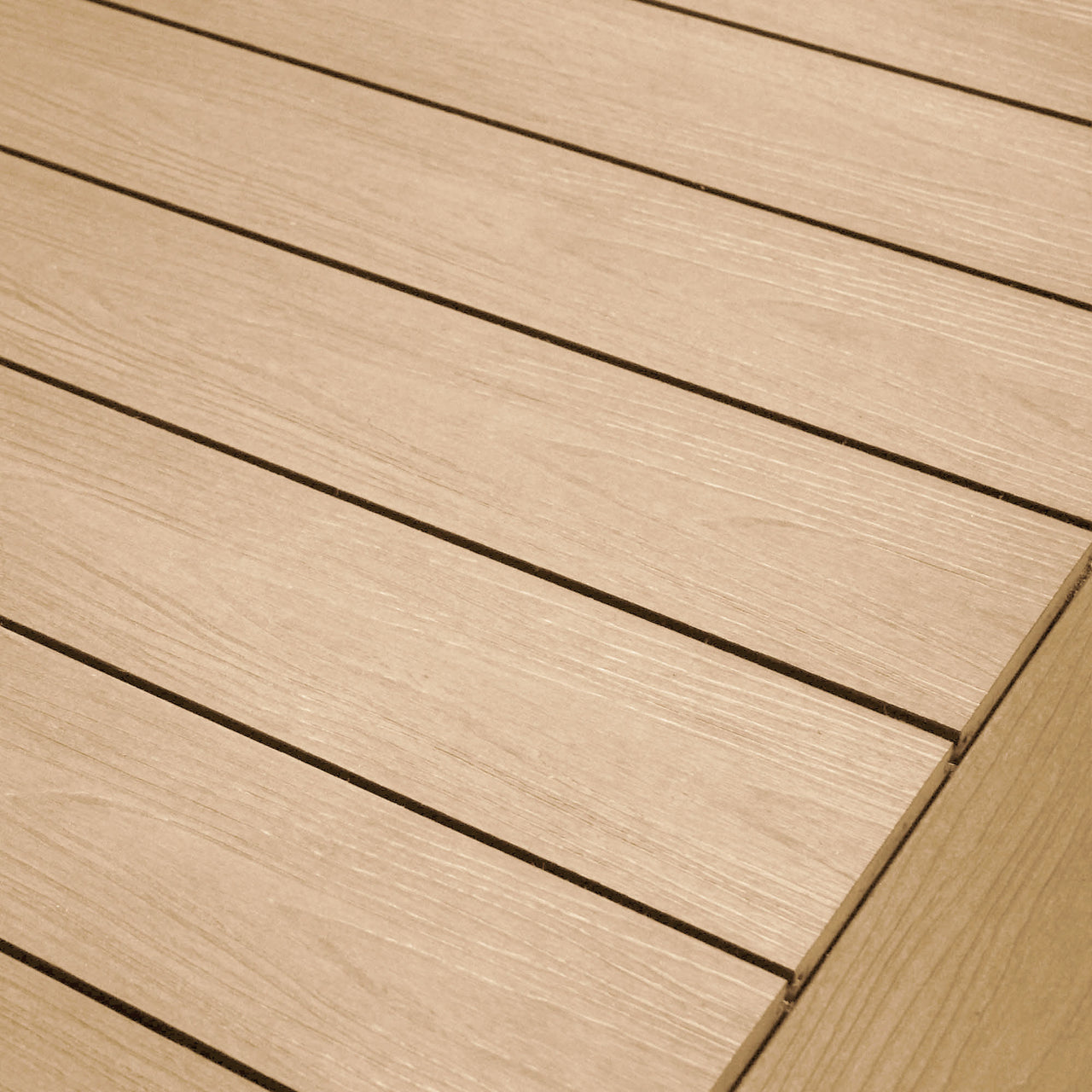
Built-In vs Applied Solutions
Some people try to improve grip after installation using products marketed as anti slip decking treatments. While these can offer short-term improvement, they often wear away unevenly and require frequent reapplication.
There are also coatings sold as anti slip for wooden decking, but these do not address the underlying issue of timber degradation. Once the wood surface begins to break down, no coating can fully restore long-term grip.
Purpose-designed decking with integral slip resistance is a more durable solution, as the safety feature is built into the board itself rather than added later.
Best Slip Resistant Decking: How Slip Resistance Is Tested
When comparing decking products when looking for the best slip resistant decking, it is important to look beyond marketing language and understand how slip resistance is measured. Slip resistance is typically tested using recognised standards that simulate real-world conditions. These tests measure how much force is required for a foot to slip across a surface under wet and dry conditions.
Common testing approaches include pendulum tests, which assess friction levels, and ramp tests, where surfaces are inclined until slipping occurs. Results are expressed as ratings that indicate suitability for external use. While homeowners are not expected to memorise technical standards, reputable suppliers will be transparent about testing and performance rather than relying on vague claims.
Does Slip-Resistant Decking Stay Safe in Heavy Rain?
This is one of the most common concerns we hear, and it is a valid one. UK rain is not occasional; it is frequent and often persistent. Well-designed slip-resistant composite decking is engineered to perform in wet conditions. The combination of textured surfaces and moisture-resistant materials means water drains away rather than sitting on the board.
Unlike timber, which can become polished and slick over time, composite boards retain their surface structure. This consistency is key to maintaining grip through years of use, even in exposed gardens or shaded areas where drying times are longer.
Best Slip Resistant Decking: What Official Slip Ratings Should You Look For?
Slip ratings can vary depending on the testing method used, but the key point is credibility. Look for products that have been independently tested and clearly described as suitable for external applications.
Decking designed for residential gardens should demonstrate adequate performance under wet conditions. If a supplier cannot explain how their boards are tested or what makes them suitable for outdoor use, that is usually a red flag.
Rather than focusing on chasing the highest possible rating, it is more important to choose best slip resistant decking boards designed specifically for domestic outdoor environments, where barefoot use, children and pets are all part of everyday life.
Can Decking Become Slippery Over Time?
All outdoor surfaces change over time, but the rate and severity of that change depend heavily on material choice.
Timber decks often become slippery as the surface fibres wear down and algae take hold. This is why so many homeowners end up searching for how to stop decking from getting slippery a few years after installation.
Composite decking behaves differently. Because it does not rot or splinter and absorbs far less moisture, it provides a more stable surface long-term. Occasional cleaning removes surface dirt before it becomes a problem, rather than fighting an ongoing cycle of decay.
This long-term consistency is one reason many people now consider composite among the best composite deck boards available for UK gardens.
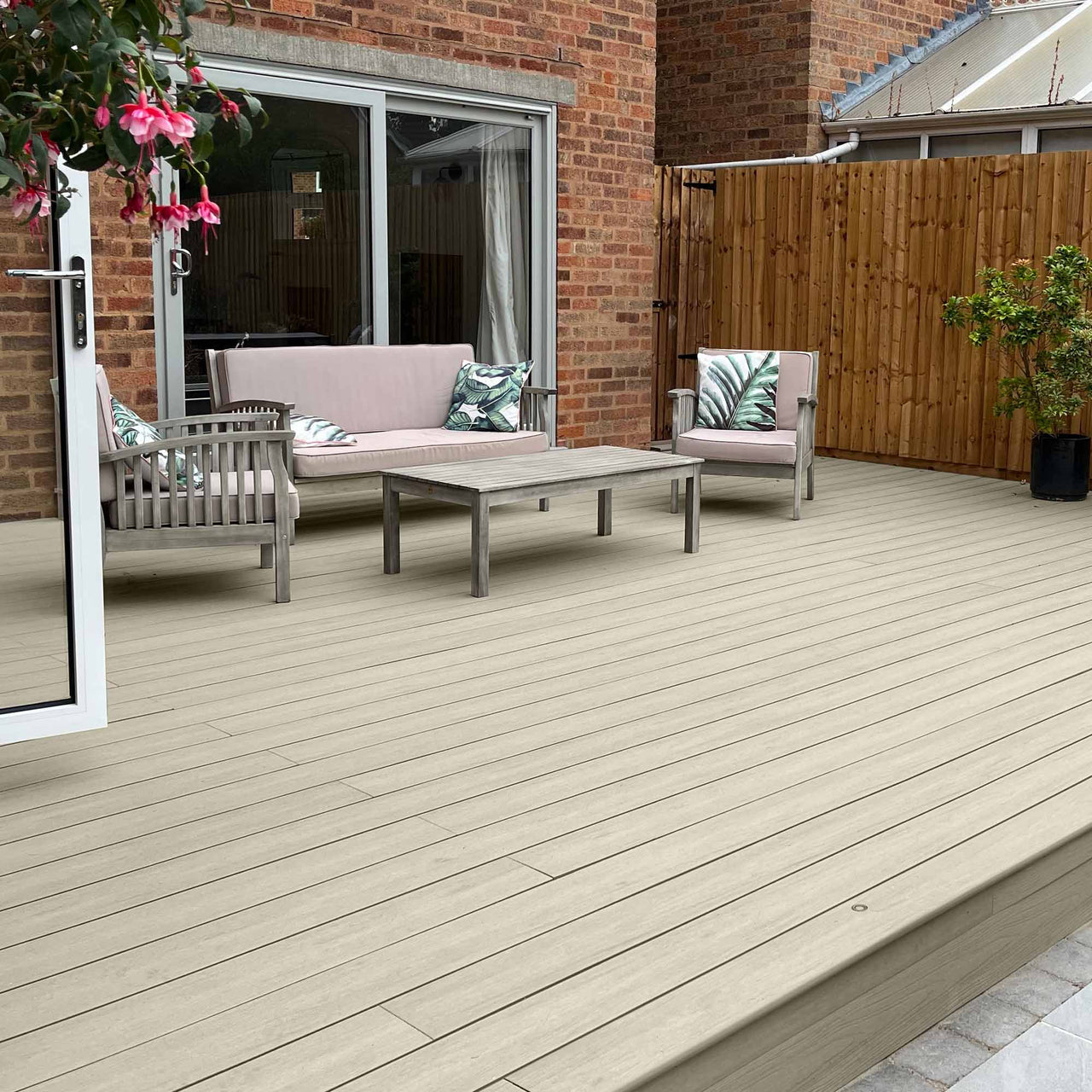
Is Slip Resistant Decking Safe Near Pools or Hot Tubs?
Areas around pools, hot tubs and outdoor showers are particularly demanding. Constant water exposure, bare feet and smooth transitions all increase the risk of slipping. Slip-resistant composite decking performs especially well in these environments. The textured surface provides grip without being harsh on skin, and the boards do not swell or degrade when exposed to moisture.
For homeowners designing spa-style gardens or family-friendly outdoor spaces, choosing the best slip resistant decking decking that remains stable when wet is essential rather than optional.
What Maintenance Keeps Decking Slip Resistant Long-Term?
Maintenance plays a role in safety, but it should not feel like a full-time job. For composite decking, maintaining slip resistance is straightforward. Regular sweeping removes leaves and debris, while an occasional wash with warm soapy water keeps the surface clean. There is no need for sanding, sealing or specialist treatments.
Many people ask how to make decking non-slip after problems arise, but the better approach is choosing materials that do not require corrective action later. With the right decking, maintenance supports performance rather than compensating for flaws.
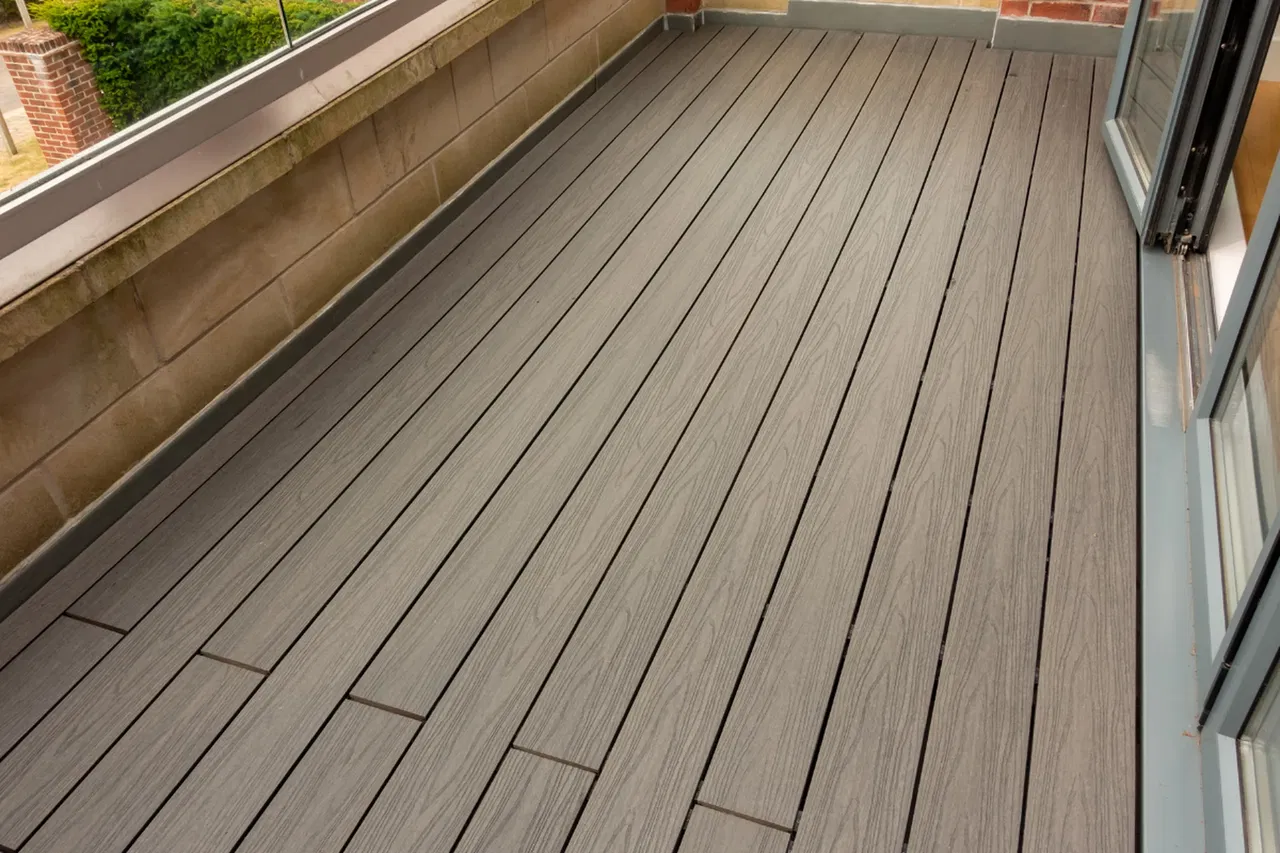
Choosing the Right Decking for Your Space
Every garden is different, and slip resistance should be considered alongside how the space will actually be used.
Foot Traffic and Usage: High traffic areas such as steps, pathways and main access points benefit most from boards with consistent texture and reliable wet weather grip. If your decking connects indoor and outdoor living spaces, choosing a surface that remains stable underfoot becomes even more important.
Climate and Exposure: Shaded gardens, north facing spaces and areas surrounded by planting tend to stay damp for longer periods. In these environments, decking materials that resist moisture absorption and algae growth help reduce the risk of slippery surfaces developing over time.
Upkeep Expectations: If you want decking that looks good with minimal ongoing work, composite boards are often the better option. Timber decks typically require regular cleaning, treatments and sealing to maintain both their appearance and safe traction.
Best Slip Resistant Decking: Introducing EnviroBuild Options
At EnviroBuild, our composite decking ranges are designed with slip resistance in mind from the outset. We focus on textured finishes, durable materials and consistent performance in real UK conditions.
Rather than relying on add-on solutions or short-term coatings, our boards are engineered to deliver confidence underfoot year after year. This approach allows us to recommend products that balance safety, aesthetics and long-term value. For customers comparing options, this is often what sets composite apart when searching for the best slip resistant decking rather than just the cheapest initial solution.

Best Slip Resistant Decking: A Final Word on Safety and Confidence Outdoors
A deck should invite people outside, not make them cautious with every step. Slip resistance is not just a technical feature; it directly affects how often and how comfortably your garden is used.
By understanding how slip resistance works, what causes surfaces to become unsafe, and how materials perform over time, you can make a decision about which is the best slip resistant decking to choose, that supports both safety and enjoyment. Choosing well-designed composite decking reduces the need for constant fixes, avoids the frustration of recurring slipperiness, and creates an outdoor space that feels secure in all seasons.
If you'd like to completely transform your home, we also offer aluminium decking, fibre cement decking, 100% recycled plastic decking, composite cladding, aluminium cladding, composite fencing, porcelain paving, and substructure.
We hope you found this blog on the 'best slip resistant decking' helpful. If you need further guidance when selecting materials for your home, our team is here to help. You can email info@envirobuild.com or call 020 8088 4888 between 9 am and 5 pm weekdays.