
Choosing the Right Joist for Your Decking Project
The choice of joist material has one of the biggest impacts on the long-term performance, safety and durability of any decking installation. Whether you're building a domestic garden deck or a high-rise balcony, the subframe determines how stable your surface finish will be, and how long it will last.

Author Name
Chief Writer
Thu, 28 Jul 2026
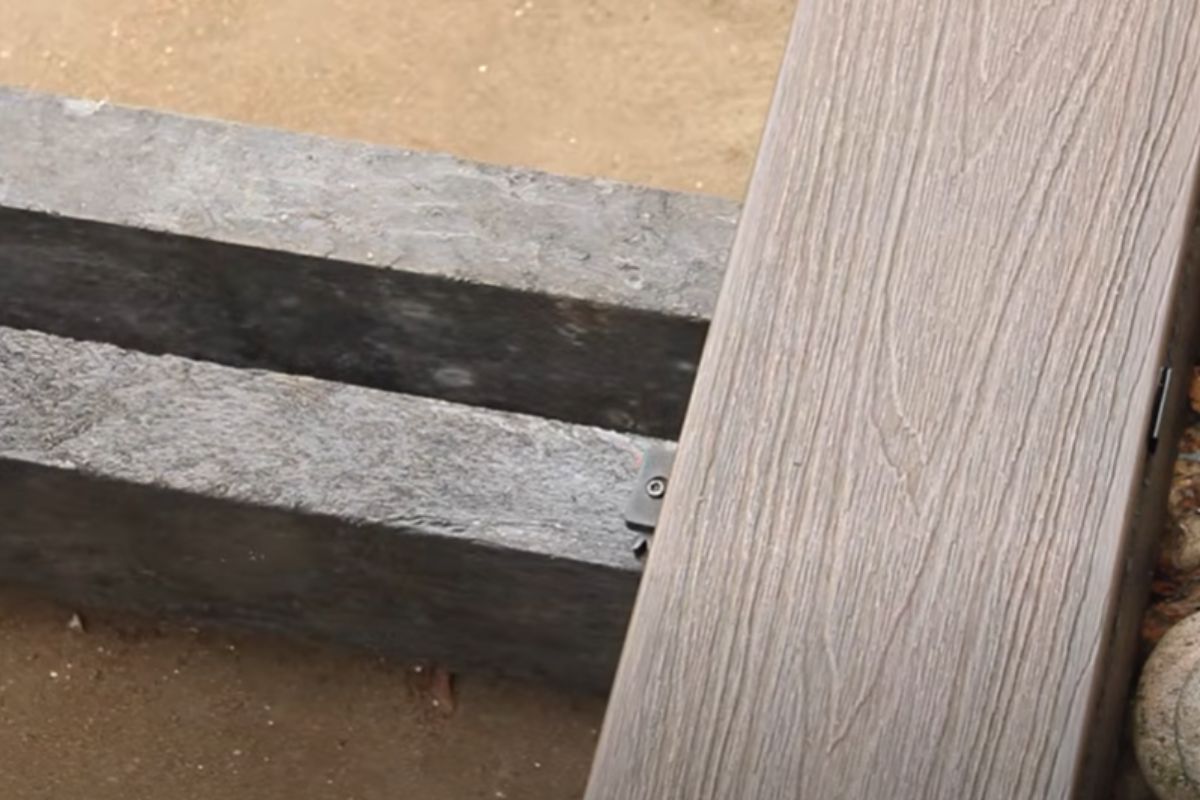
This guide explains when to use aluminium joists, recycled plastic lumber joists and timber joists, helping you choose the right subframe for your project.
Why Decking Joist Choice Matters
A decking board is only as good as the structure beneath it. The correct joist type ensures:
Proper load-bearing performance
Long-term structural stability
Moisture and rot resistance
Compliance with fire regulations (especially for balconies)
Reduced maintenance over the lifespan of the deck
Compatibility with pedestals, drainage systems, and surface finishes
Choosing the wrong joist can lead to warping, softening, uneven decking or even structural failure. Below is a breakdown of each joist type and when you should use them.
1. When to Use Aluminium Decking Joists
Best for: balconies, terraces, high-load areas, commercial projects, fire-regulated installations and modern outdoor systems.
Aluminium joists are widely considered the most durable and stable option for decking subframes. Their exceptional strength-to-weight ratio, dimensional stability, and non-combustible composition make them ideal for contemporary applications.
Use Aluminium Joists When:
A) You’re building on a balcony or terrace
UK fire regulations (BS 8579 and Building (Amendment) Regulations) generally require non-combustible materials for the subframe. Aluminium achieves Class A fire ratings, making it compliant for use under aluminium decking, porcelain paving, fibre cement decking and other non-combustible surfaces.
B) You need a long-lasting, rigid subframe
Aluminium does not warp, twist or rot. It maintains structural integrity over decades, even under continuous load.
C) The installation has low height build-up
When working with restricted build-ups (e.g. thresholds on apartments), aluminium allows:
Low-profile joists
High strength with minimal height
Consistency across the full span
D) You need high load capacity
For commercial spaces, restaurants, public walkways, high-footfall balconies, aluminium offers the highest load resistance.
E) You want a low-maintenance solution
Aluminium is completely rot-proof, insect-proof, and impervious to moisture.
Typical Aluminium Joist Use Cases
Residential balconies
Podium terraces
Commercial roof terraces
Steel-frame balcony installations
Beneath aluminium decking or porcelain paving
2. When to Use Recycled Plastic Lumber Joists
Best for: ground-level garden decks, areas prone to moisture, DIY installations, long-term low-maintenance projects and eco-led builds.
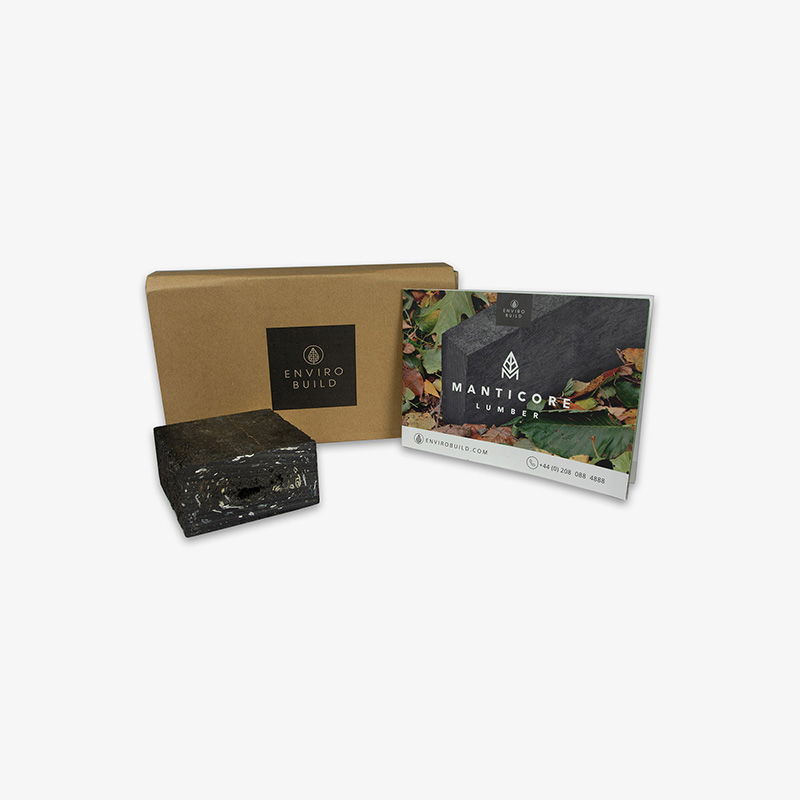
EnviroBuild’s recycled plastic joists are made from 100% recycled plastic and offer excellent durability for installations not governed by strict fire regulations.
Use Plastic Lumber Joists When:
A) You want a rot-proof alternative to timber
Plastic joists will not rot, split, swell or degrade, making them ideal for:
Damp environments
Subframes sitting close to the ground
Decks built over soil or grass
Coastal climates
B) Environmental sustainability is a priority
These joists are made from 100% post-consumer recycled plastic sourced in the UK, giving a circular-economy option to your subframe.
C) You are installing composite decking in a garden setting
Plastic lumber pairs perfectly with composite decking for domestic spaces and DIY projects.
Typical Plastic Lumber Joist Use Cases
Traditional garden decking
Walkways through wet or forested areas
On-soil domestic installations
Ground-level composite decks
Areas requiring maintenance-free materials
3. When to Use Timber Joists
Best for: low-budget domestic installations, short-term builds and projects not exposed to constant moisture.
Timber joists remain common in DIY garden decking, but they come with the shortest lifespan and highest maintenance requirements.
Use Timber Joists When:
A) The project is low-risk and not moisture-prone
Timber can be a suitable short-term option in dry, well-ventilated areas.
B) The client has strict budget constraints
Timber is usually the lowest-cost material upfront, though the long-term maintenance and replacement costs are higher.
Avoid Timber Joists When:
The deck sits very close to the ground
Moisture cannot escape
The installation requires fire-rated materials
You need consistent long-term stability
How to Select the Right Joist (Quick Guide)
Choose aluminium if:
You’re building on a balcony, terrace or any non-combustible requirement.
Choose recycled plastic if:
You’re building a long-lasting, low-maintenance garden deck.
Choose timber if:
You want the cheapest, simplest short-term solution and moisture isn’t a concern.
The Right Joist Ensures a Stable Deck
Your decking subframe impacts performance, safety, fire compliance and lifespan. Aluminium is the gold standard for modern balcony and terrace systems; recycled plastic is best for domestic ground-level installations; timber suits basic, budget applications.
EnviroBuild offers a full range of aluminium joists, recycled plastic lumber joists, pedestals and complete decking solutions, ensuring you can build safely, sustainably and with confidence.