

Cost Comparison: Composite vs. Wood
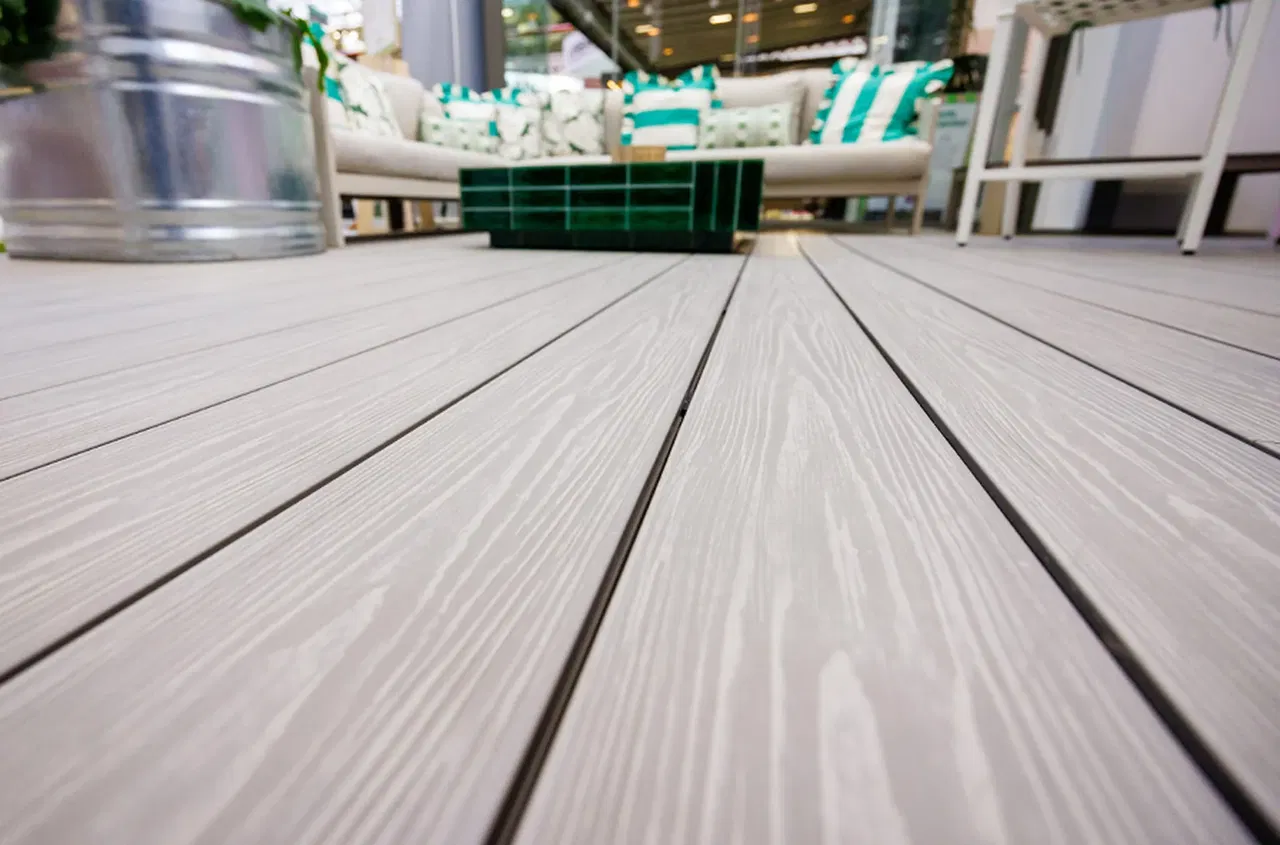
At first glance, traditional wood decking tends to be more affordable. Softwood boards in the UK can cost between £15 and £25 per square metre, while hardwood decking starts at around £40 per square metre. In contrast, composite decking prices start from £45 and go up to £90 or more per square metre depending on the brand and quality.
When comparing composite decking vs wood decking cost, you also need to factor in installation, upkeep, and replacement expenses. Wooden decking requires annual maintenance: sealing, sanding, and staining, which adds to the long-term cost. Composite decking, especially from eco-conscious suppliers like EnviroBuild, demands very little after installation. Over time, this can save you hundreds, if not thousands, of pounds.
From a UK homeowner’s perspective, evaluating composite decking vs wood cost UK isn't only about the sticker price. It’s about the total cost of ownership over 10, 15, or 25 years.
Maintenance Differences: Composite vs. Wood
When it comes to maintenance, composite decking vs wood decking is an easy choice for those who value low upkeep. Wood decking is beautiful when freshly installed, but it doesn’t stay that way without effort. Exposure to moisture, sunlight, and foot traffic leads to fading, splintering, warping, and even rot unless you regularly treat and care for it.
By comparison, composite decking is virtually maintenance-free. At EnviroBuild, our composite boards are made from recycled plastic and wood fibres and feature a protective cap layer. That means no sanding, no sealing, and no need to repaint. Just clean occasionally with water and mild soap, and your deck will look great for years.
If you're comparing decking composite vs wood with long term convenience in mind, composite is the clear winner.
Durability of Composite vs. Wood
In terms of strength and durability, composite decking easily outperforms wood in many real-world scenarios. Timber is a natural material and, even when treated, is susceptible to cracking, warping, splintering, and insect infestation over time. Especially in the UK's damp climate, untreated timber can degrade quickly.
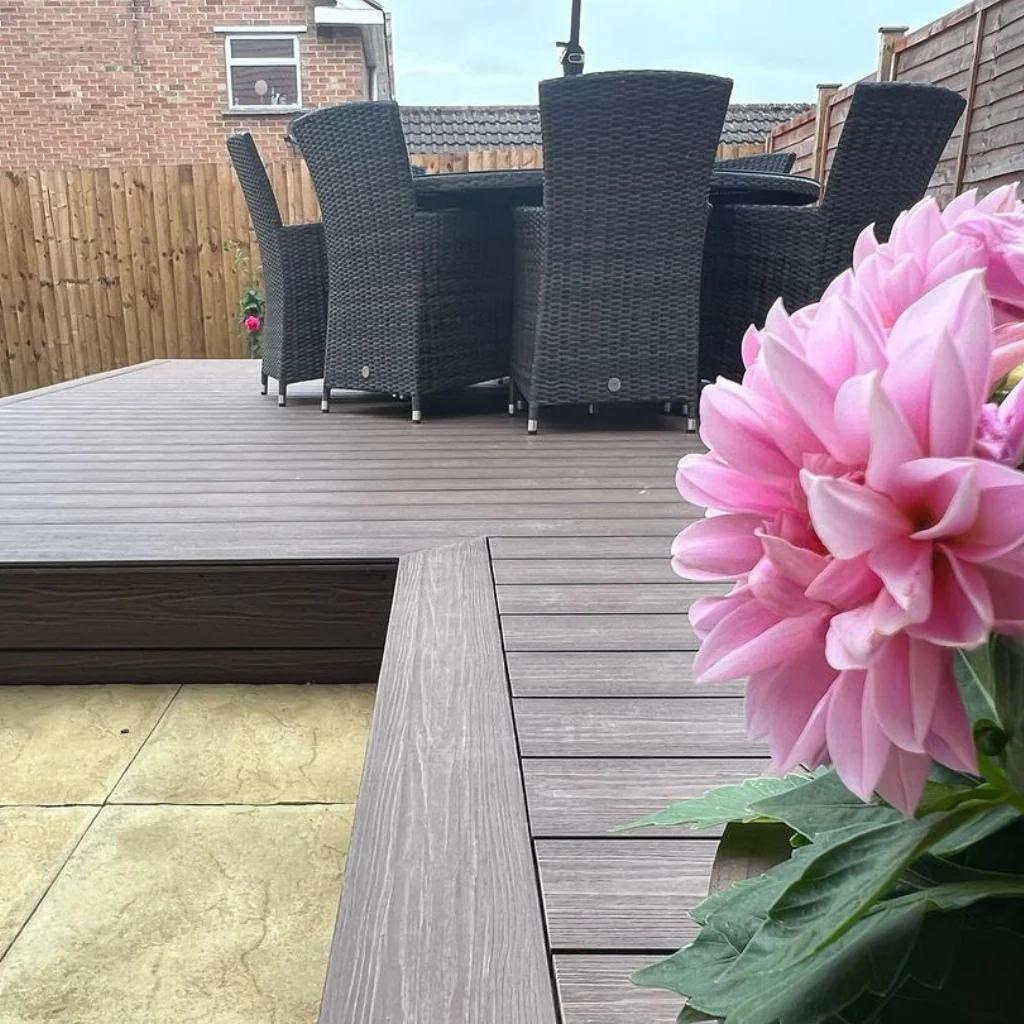
Composite decking, on the other hand, is built to last. With a high resistance to moisture and rot, it stays structurally sound and visually appealing for 20 to 25 years or more. EnviroBuild offers generous warranties of up to 25 years depending on the product range, providing long-term peace of mind.
For homeowners asking “is composite decking better than wood in wet climates?”, the answer is a resounding yes.
Which Material Resists Weather Damage Better?
UK weather can be unforgiving. Whether it’s rain, frost, or intense sun, your decking needs to withstand year-round exposure. Wood decking absorbs moisture easily, making it prone to rot, fungal growth, and frost damage. Without routine sealing and upkeep, it won’t be long before problems arise.
Composite decking resists all these weather-related issues. It doesn’t absorb moisture in the same way, and the cap layer protects against sun damage, mould, and discolouration. If you're weighing composite decking vs wood decking for a property exposed to harsh weather, composite stands out as the more resilient choice.
Which Decking Material is Best for the Environment?
Sustainability is increasingly important to consumers, and when comparing composite decking vs wood decking, the eco-friendliness of each option deserves attention.
While wood is renewable, its environmental impact depends on harvesting practices and the chemicals used in treatment. Many timber products are sourced from endangered forests or involve deforestation unless FSC-certified.
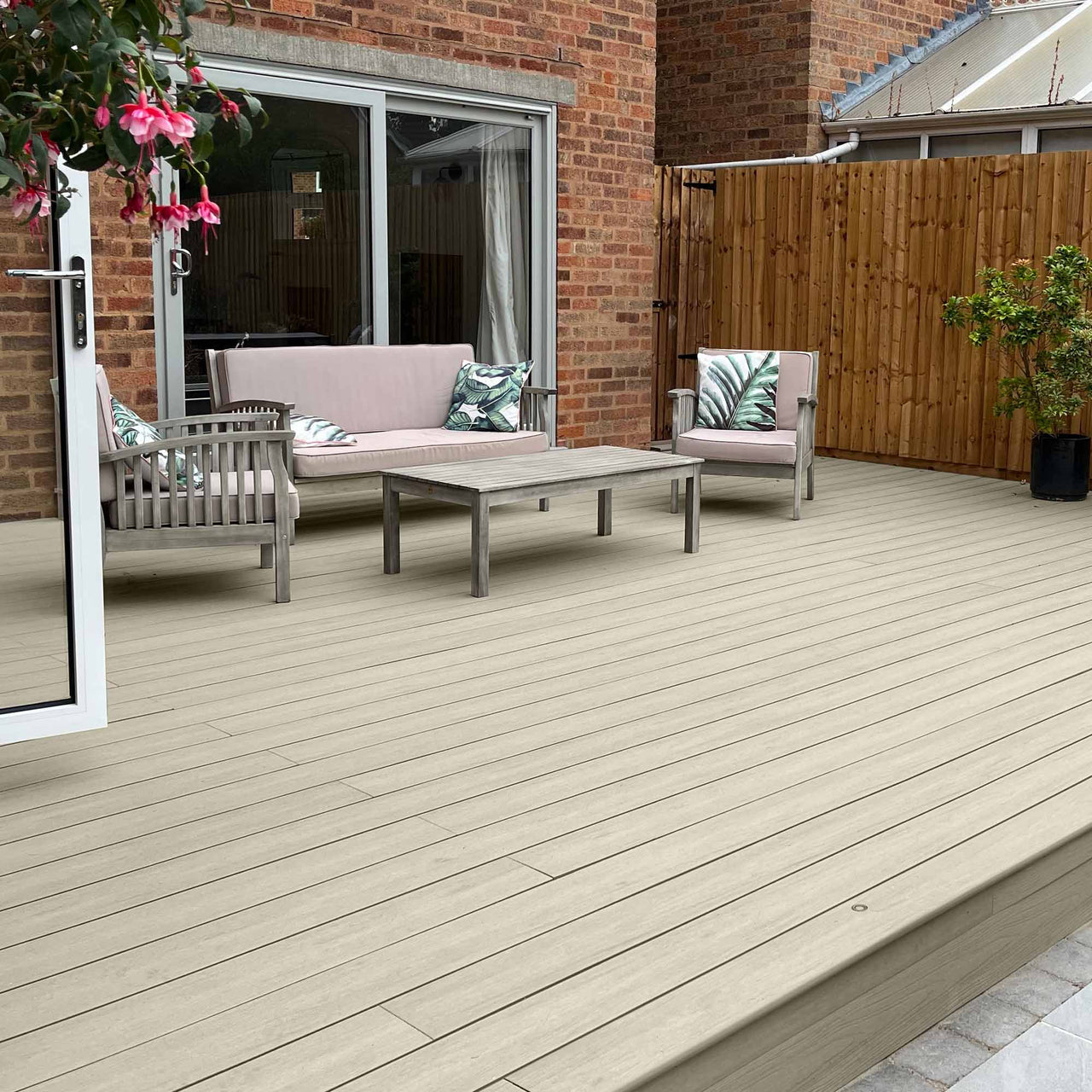
EnviroBuild’s composite decking is made using up to 90% recycled content, including reclaimed wood and plastic. We also manufacture using 100% renewable energy and donate 10% of profits to sustainable initiatives. The result is a durable, low-waste solution with a reduced carbon footprint.
Resale Value: Composite vs. Wood
One often overlooked aspect of composite decking vs wood decking is how each affects property value. Decking boosts curb appeal, and potential buyers appreciate outdoor living space. However, the type of material used can significantly influence resale value.
Timber may look charming, but unless it’s freshly treated, it can appear weathered or worn when it comes time to sell. Composite decking, with its modern appearance and long-lasting finish, is a major selling point. In fact, installing composite decking has been shown to increase UK property values by as much as 5%, often yielding returns several times the initial investment.
For homeowners thinking long-term, this makes composite not just a practical upgrade but a financial one too.
Which Material Fades More Over Time?
Exposure to UV rays causes both wood and composite decking to fade over time, but the extent and rate of fading differ significantly. Unprotected timber loses its colour rapidly. Softwoods can turn grey within a year if not sealed, and hardwoods will also bleach under intense sun.
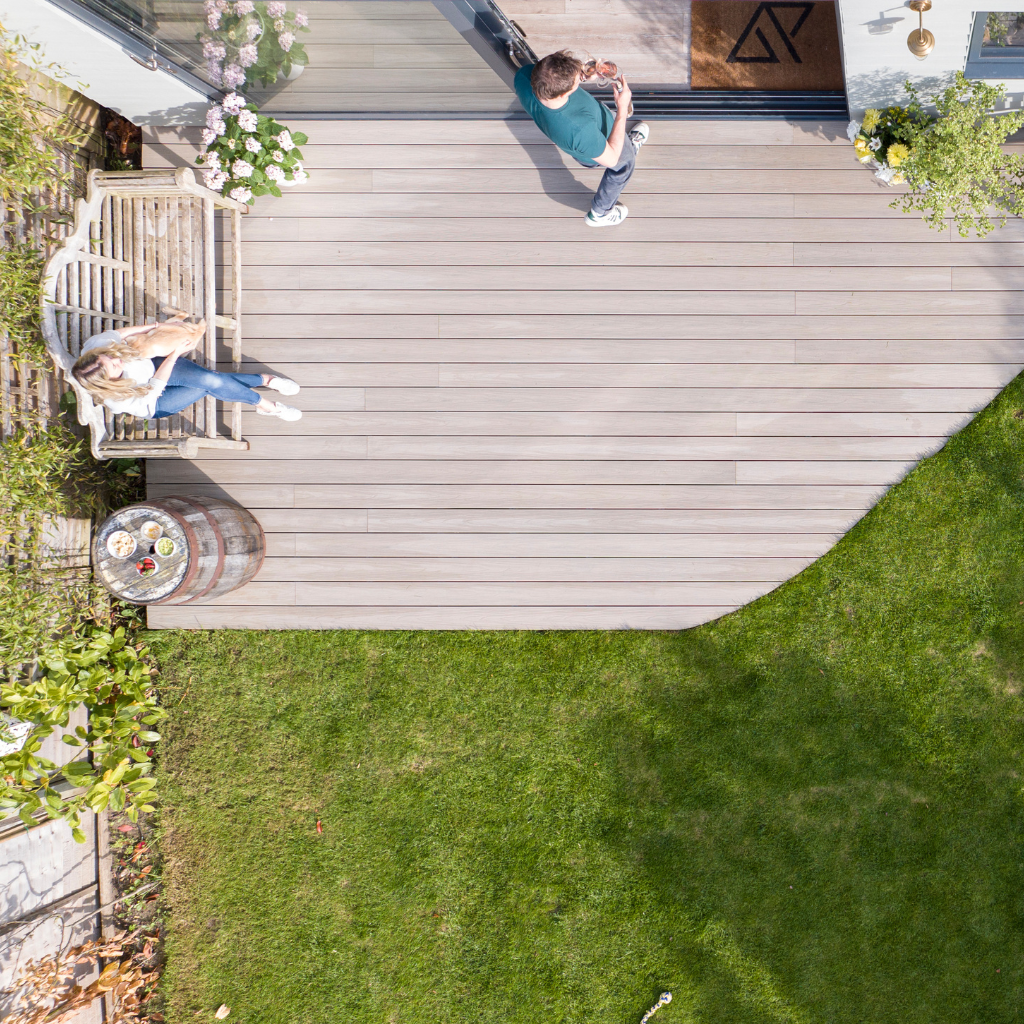
Composite decking, particularly capped varieties like those from EnviroBuild, incorporate UV stabilisers that significantly reduce fading. Initial lightening may occur within the first few months, but colour remains consistent long-term.
So, if you're comparing composite decking vs wood decking in terms of long-lasting visual appeal, composite is once again the frontrunner.
Which Decking Type Stays Cooler in the Sun?
Heat retention is another factor worth considering, especially if you plan on walking barefoot on your deck or entertaining outdoors during summer. Timber, being a natural insulator, generally stays cooler than composite in direct sun.
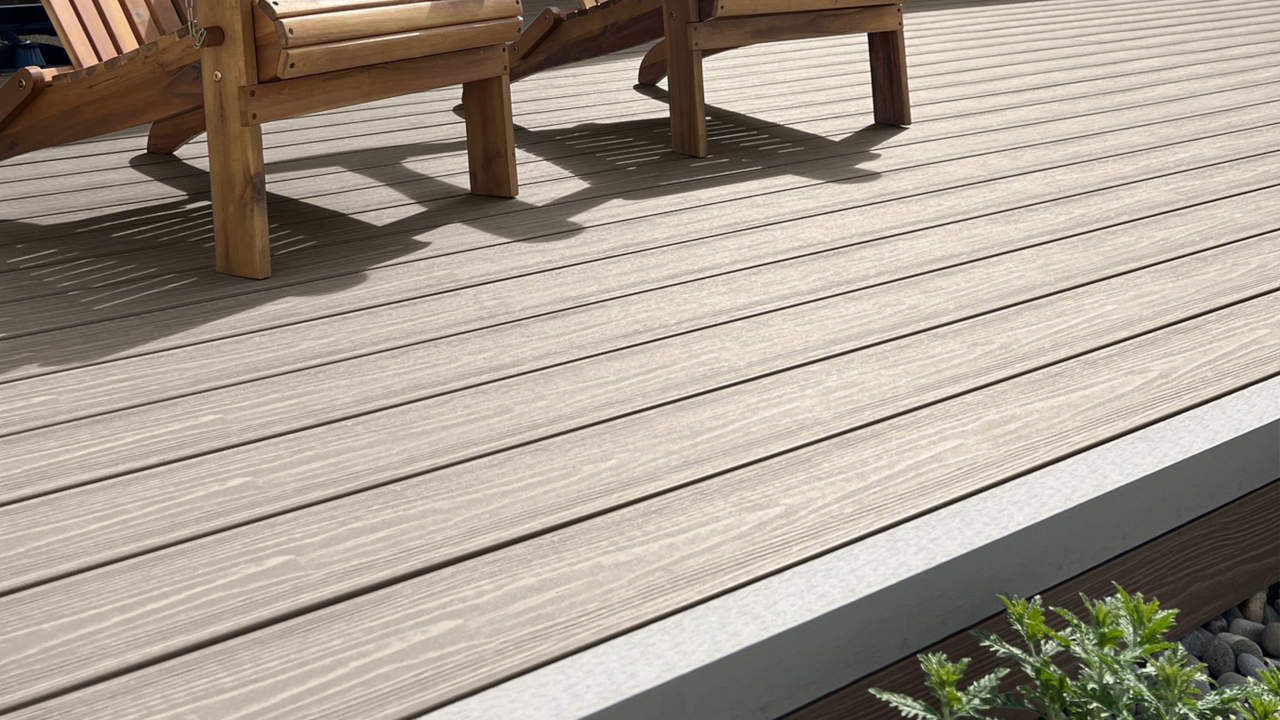
However, not all composite decking is created equal. Lighter-coloured boards and textured finishes help to reduce surface heat. At EnviroBuild, our ranges include options specifically designed to balance heat retention and slip resistance.
For a cool-to-touch surface, lighter shades are recommended regardless of whether you're installing composite decking vs wood decking.
Slip Resistance: Composite vs. Wood
Safety is non-negotiable, particularly in the UK where wet and frosty conditions are common. Wooden decking becomes dangerously slippery without anti-slip treatments or grooving. Moss and mildew can further worsen the issue.
Composite decking offers better slip resistance overall. EnviroBuild’s boards are manufactured with slip ratings that meet British Standards, making them suitable for both residential and commercial projects. The textured surfaces provide grip even in damp conditions, which is especially important for households with children or elderly residents.
If you're comparing composite decking vs wood decking from a safety standpoint, composite has the edge thanks to its built-in traction.
Which Material is More DIY-Friendly?
For homeowners or builders considering a DIY installation, both decking types are relatively manageable. Wood is straightforward to cut and fix with traditional carpentry tools. Composite boards are denser and may require specialised blades, but they’re also dimensionally stable, meaning fewer imperfections or warping during installation.
EnviroBuild provides clip systems and installation guides that simplify the decking process. Hidden fasteners allow for a clean, screw-free finish and faster setup.
Whether you’re a weekend DIY warrior or a professional contractor, installing composite decking vs wood decking is surprisingly accessible, with composite offering a neater result and fewer ongoing issues.

Long-Term Costs: Composite vs. Wood
It’s easy to focus on upfront costs, but the real expense of decking lies in its upkeep and longevity. Timber requires yearly maintenance: cleaning, staining, replacing warped boards, all of which adds up fast. Many homeowners find they need to replace timber decks entirely within 10 to 15 years.
Composite decking has a higher initial price, but you avoid almost all those ongoing costs. It doesn’t need sanding or sealing, and it holds up better under pressure from the elements.
When comparing composite decking vs wood decking over a 20-year period, composite is often the more economical option, even without factoring in increased resale value or time saved on maintenance.
Is Composite Decking Better Than Wood?
So, is composite decking better than wood? The answer largely depends on what you value most. If you love the charm of natural materials and don’t mind annual maintenance, timber may suit your needs. But if you want a modern, low-maintenance, eco-conscious solution that performs well in the UK’s unpredictable climate, composite is the superior choice. With longer lifespan, better slip resistance, lower maintenance, and stronger environmental credentials, composite decking offers exceptional value and peace of mind.
Still Wondering Which Composite Decking to Choose?
EnviroBuild offers a broad selection of high-performance composite decking solutions to suit any style or budget. If you're wondering which composite decking is best for your space, our experts are here to help. From our Explorer to Pioneer ranges, we offer durable, beautiful decking backed by long warranties and green credentials.
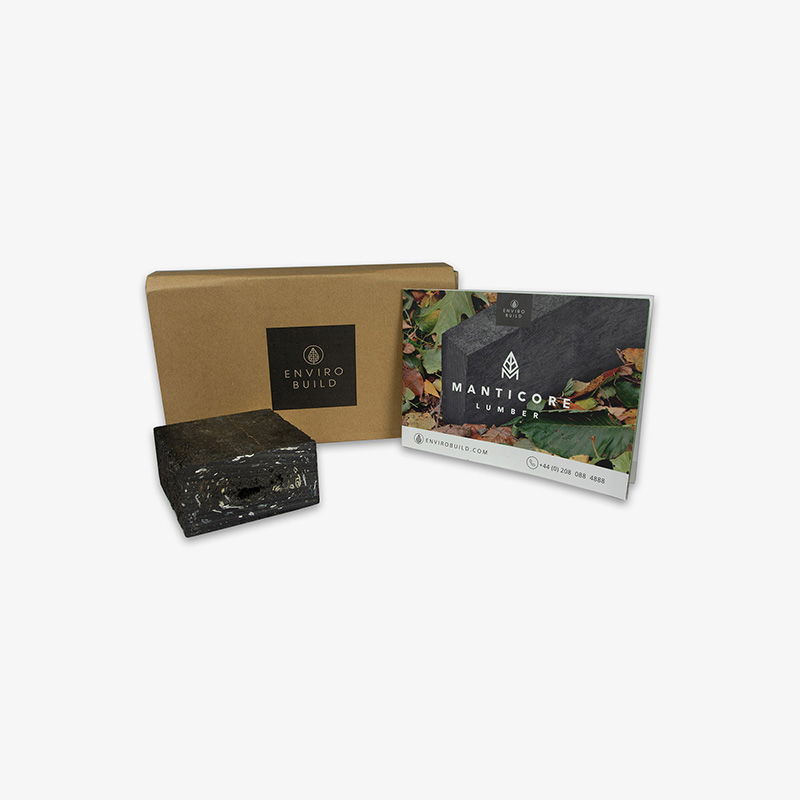
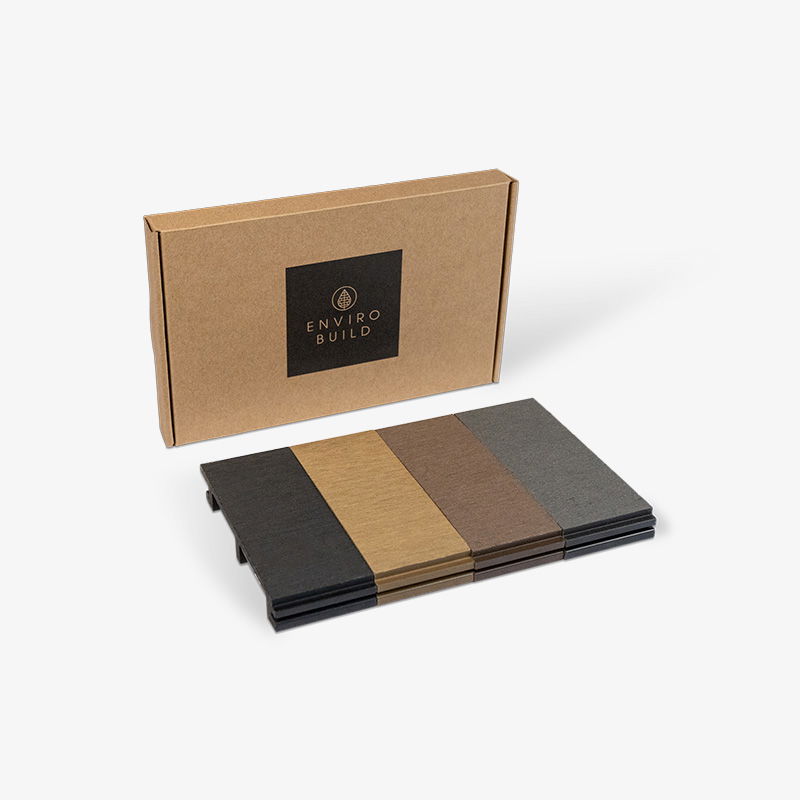
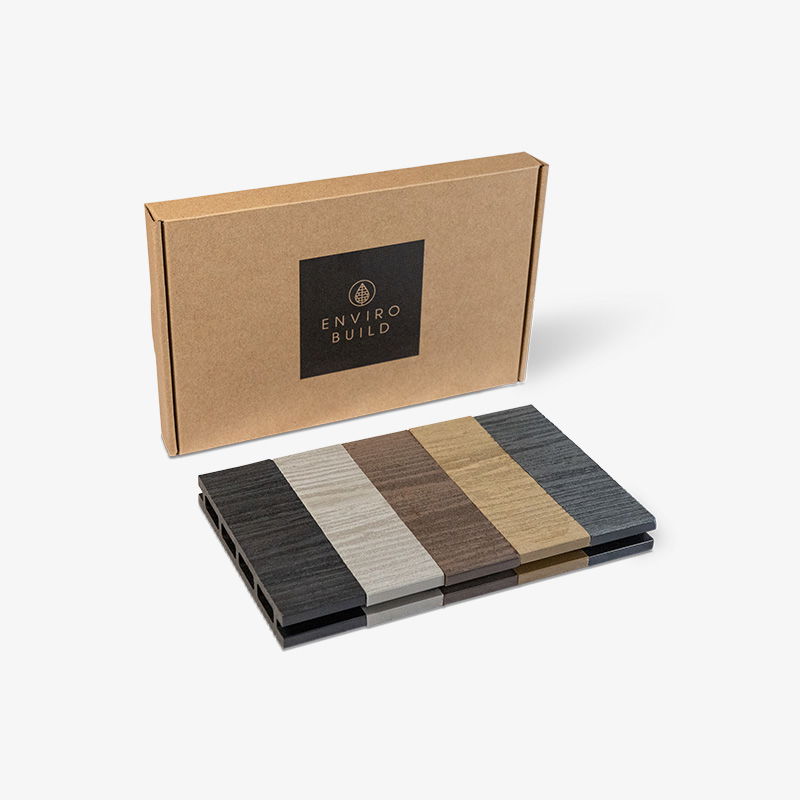
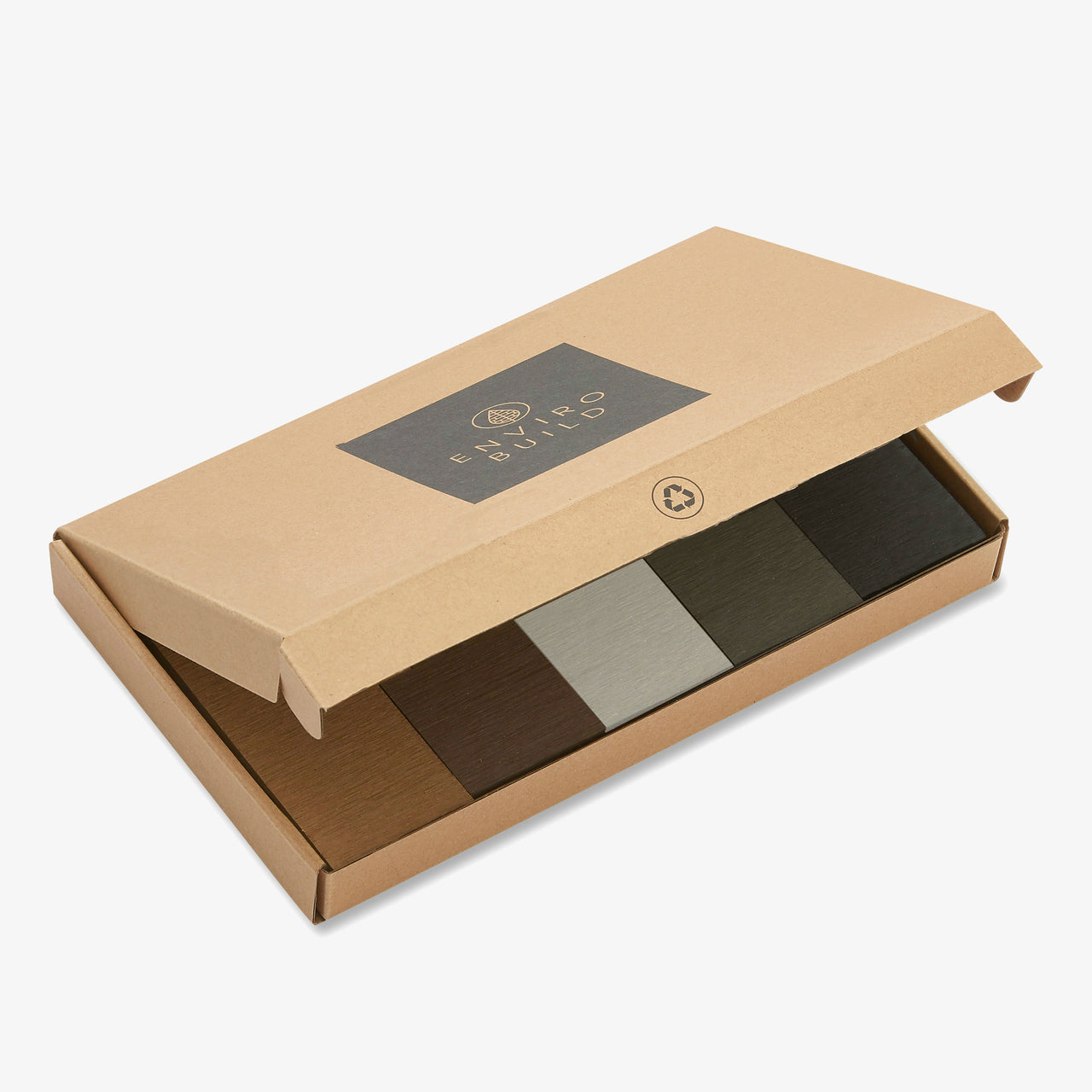
Get in touch today to request free samples, speak to our design team, or receive a tailored quote. Choosing composite decking vs wood decking doesn’t have to be difficult. We’re here to make it easy.