
Does Composite Decking Get Hot in the Sun?
Composite decking has become an increasingly popular choice for homeowners in the UK due to its durability, aesthetics, and low maintenance. However, one common concern that is often raised is “Does composite decking get hot in the sun?” especially during the summer months.

Author Name
Chief Writer
Thu, 28 Jul 2026
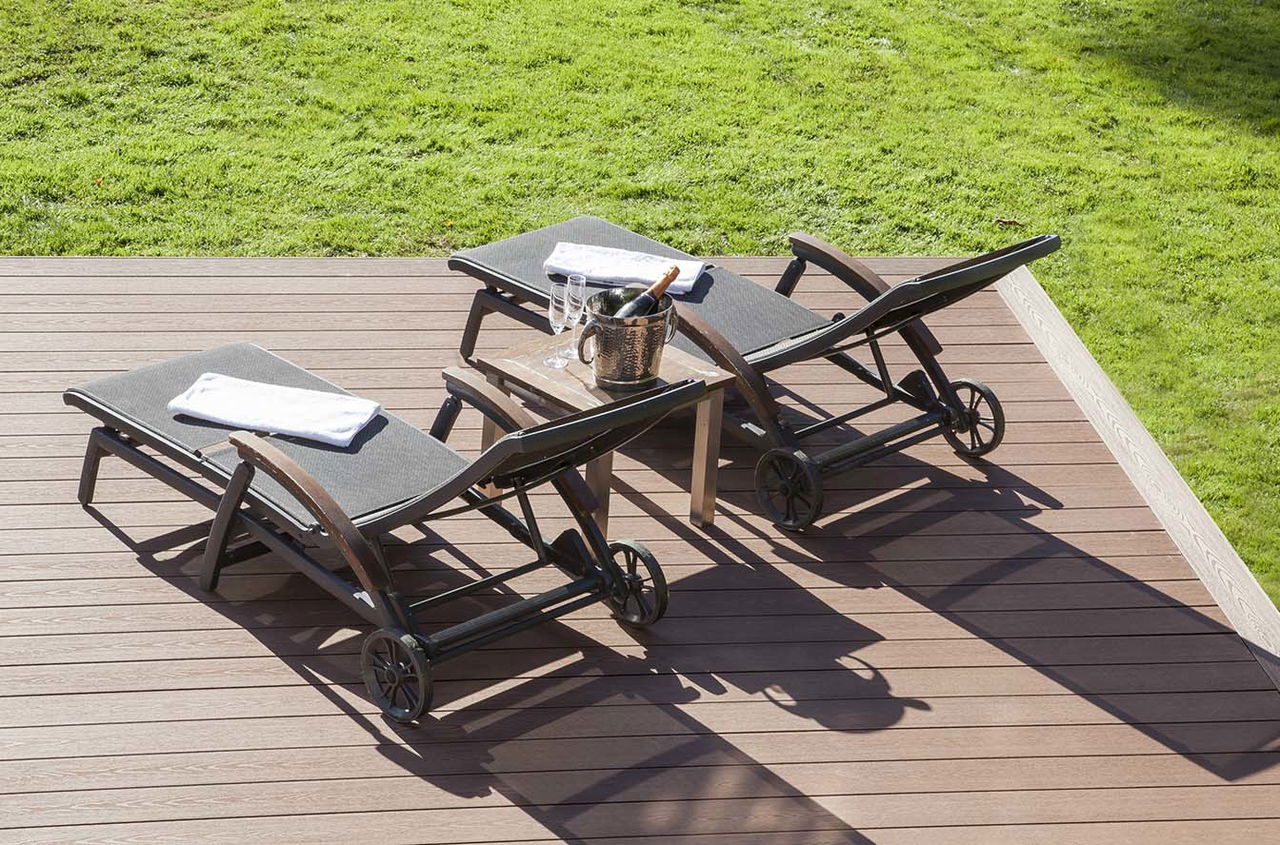
The short answer: Composite decking can warm up in direct sunlight, much like any other outdoor surface, but composite boards are designed to manage heat effectively, and often stay cooler than darker-stained timber or stone alternatives.
Factors Affecting Decking Temperature
Like any outdoor surface, composite decking absorbs heat when exposed to direct sunlight. The extent to which it heats up depends on the materials used in its composition.
Several factors influence the heat retention of composite decking, including:
Material composition: The mix of wood and plastic affects heat absorption levels.
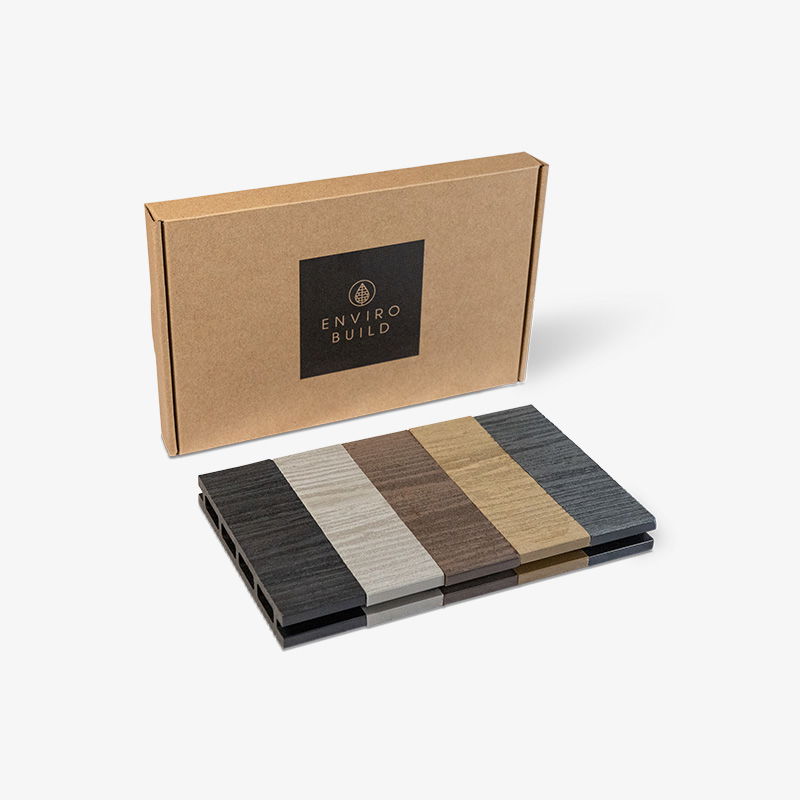
Colour choice: Darker colours absorb more heat than lighter shades.
Exposure to direct sunlight: Shaded areas tend to stay cooler than those in full sun.
Ventilation and airflow: Good airflow around the decking can help dissipate heat.
Time of day: Decking exposed to peak midday sun will be warmer than if you are using your deck in the mornings or evenings.
Surface texture: Grooved or embossed surfaces can feel cooler underfoot compared to smooth, flat surfaces.
Wood, composite, stone and even concrete will all increase in temperature under direct sun, but their heat retention and dissipation differ considerably.
How To Keep Composite Decking Cool
While composite decking can get warm, there are several ways to reduce heat retention and enhance comfort.
Choose the Right Colour: Lighter colours reflect more sunlight, making them cooler.
Incorporate Shade: Pergolas, awnings or umbrellas provide shade and lower the surface temperature. Planting trees or tall shrubs can offer natural cooling with their shade.
Floor Coverings: Outdoor rugs help create cooler walkways.
Rinse Occasionally: A quick spray with a hose or misting/sprinkler system instantly cools the surface.
Proper Ventilation: Allow airflow underneath the decking by using raised or ventilated designs.
Can I Walk on Composite Decking Barefoot in Summer?
Yes, you can comfortably walk on composite decking barefoot in summer, especially if you’ve chosen a high-quality capped board such as the EnviroBuild Frontier range.
Like any outdoor surface, composite decking will warm up in direct sunlight, but its low thermal conductivity means it doesn’t retain heat as aggressively as stone, metal or darker-stained timber. The result is a surface that remains pleasant underfoot, even during hot weather.
Thanks to their splinter-free finish and textured, slip-resistant surface, composite boards are also much safer and more comfortable to walk on barefoot than traditional timber.
Does Composite Decking Expand in the Heat?
Composite decking expands slightly with temperature changes, just like timber, but within controlled tolerances. Proper installation with expansion gaps ensures that boards move freely without buckling or warping.
Unlike wood, composite boards won’t dry out, crack, or split in high heat. The material composition also protects against UV degradation, ensuring the boards remain strong, stable and attractive even in direct sunlight.
How Cool Is Composite Decking vs Other Materials?
When it comes to heat retention, composite decking offers a balanced performance compared with timber, stone or metal surfaces. Traditional timber decking can become uncomfortably warm on hot days, particularly when treated with dark stains that absorb sunlight. Over time, its surface can dry out, splinter, and fade unless regularly oiled, making it less pleasant to walk on barefoot.
In contrast, composite decking absorbs heat more slowly and evenly. The surface stays stable and smooth even during extended exposure. Because composite boards have lower thermal conductivity, they also cool down faster once shaded, maintaining a comfortable temperature underfoot.
By comparison, natural stone paving tends to retain heat for longer. On very sunny days, these dense materials can become too hot to touch. Metal decking performs worst in this regard, it conducts and stores heat quickly, making it uncomfortable for barefoot use.
Ultimately, composite decking strikes an ideal middle ground. It’s more comfortable and consistent in warm weather than timber, less heat-retentive than stone or metal, and combines the tactile appeal of wood with the resilience of engineered materials.