

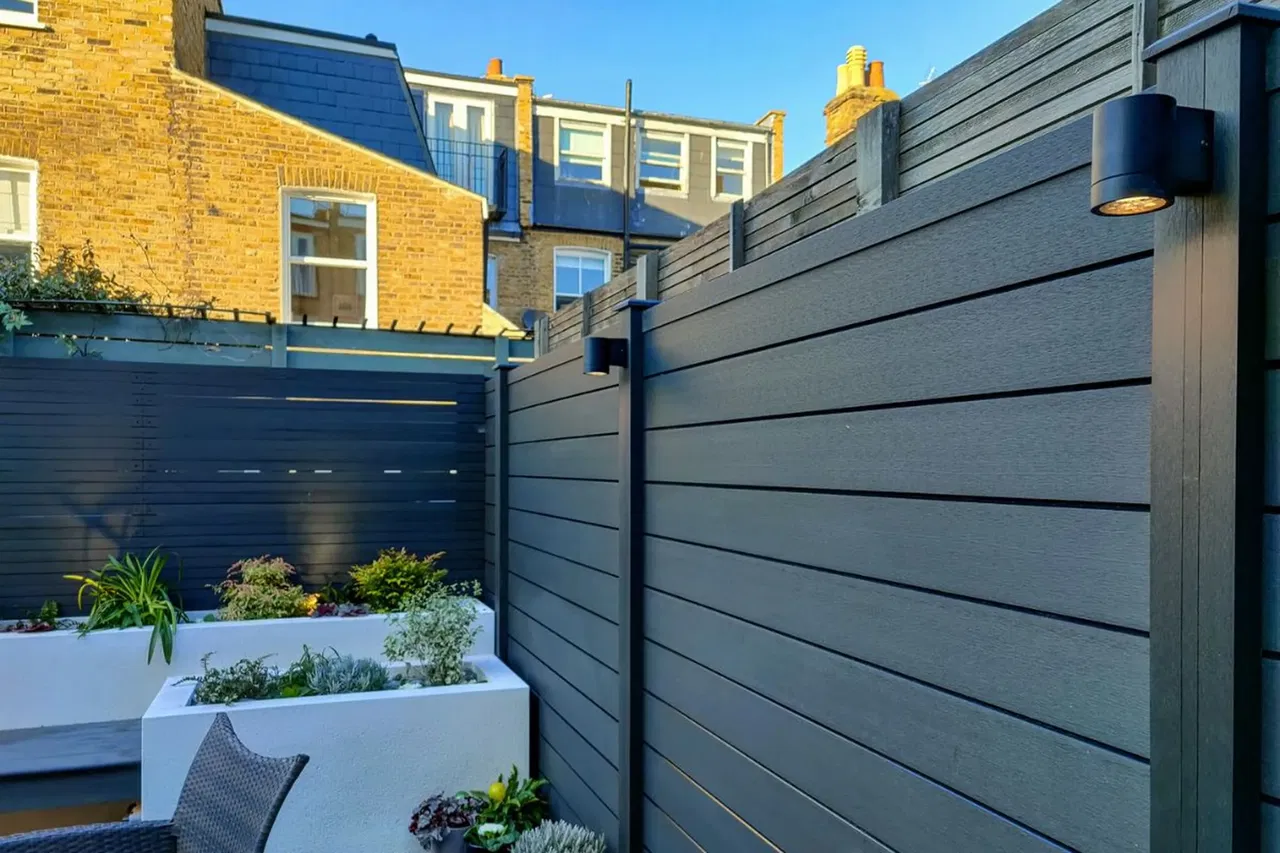
What Should You Consider Before Choosing Fencing UK?
Every garden has different requirements, and the best approach begins with identifying your priorities rather than heading straight to a product page. The following questions provide a useful framework before you begin comparing products:
Privacy versus visibility: Do you need a solid panel blocking the view from neighbours, or would a more open design work better?
Security. Are you fencing for children, pets or to deter intruders (height and panel spacing matter significantly here)?
Garden size and layout: A large plot presents different challenges from a narrow urban garden with limited installation access.
Budget and long-term value: A lower upfront cost can become expensive if the material needs frequent treatment or early replacement.
Appearance: Your fence should complement your home and garden rather than work against them.
Maintenance expectations: Be honest about how much time you are willing to invest each year.
Expected lifespan: Are you looking for a short-term solution or fencing that will last for decades?
Working through these questions before comparing fencing UK products shifts focus from the upfront cost to long-term suitability, which is where the real value lies.
Which Type of Fencing UK Is Best for Your Garden?
The range of fencing types available in the UK has grown considerably, giving homeowners far more choice than the traditional closeboard or lap panel options of the past. The types of garden fencing outlined below cover the most commonly chosen options for UK properties, along with where each works best.
Here is a summary of the main styles to consider:
Privacy fencing
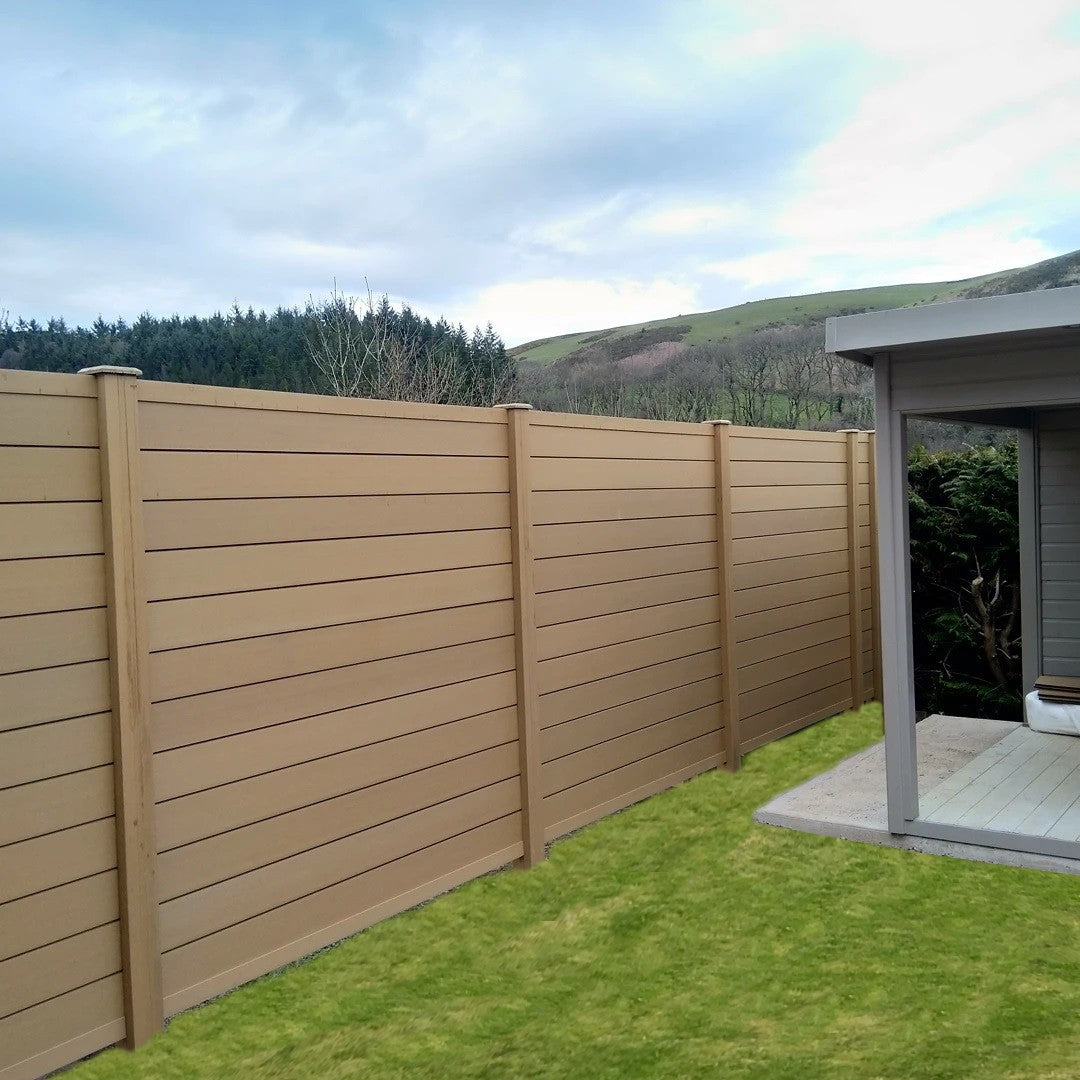
Solid panel designs that provide a complete visual barrier. Best suited to rear gardens, overlooked terraces and family spaces where seclusion is the prior
Decorative fencing
Picket, post and rail, and ornamental designs where appearance takes precedence over screening. These suit front gardens and cottage-style properties.
Contemporary fencing
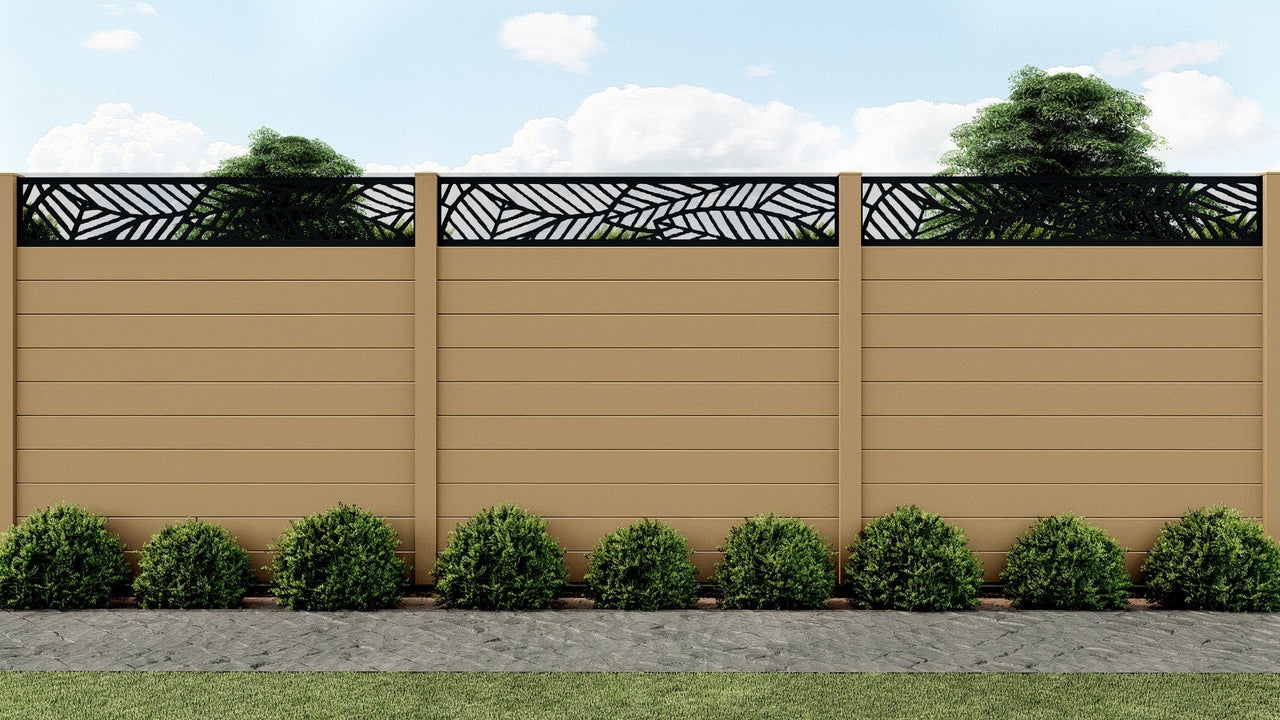
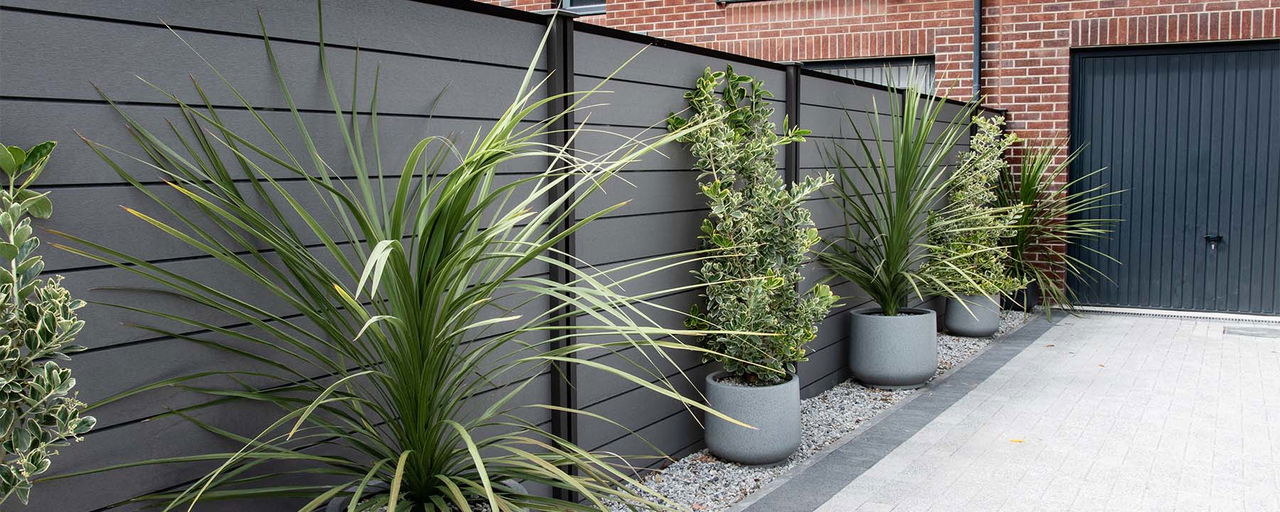
Clean horizontal or vertical slatted designs that complement modern homes and landscaped outdoor spaces.
Boundary Fencing
Straightforward perimeter fencing made of materials such as wood, where function and durability take priority over aesthetics.
Slatted fencing
Horizontal boards with defined gaps that allow light and air to pass through while still providing a degree of privacy.
Composite fencing
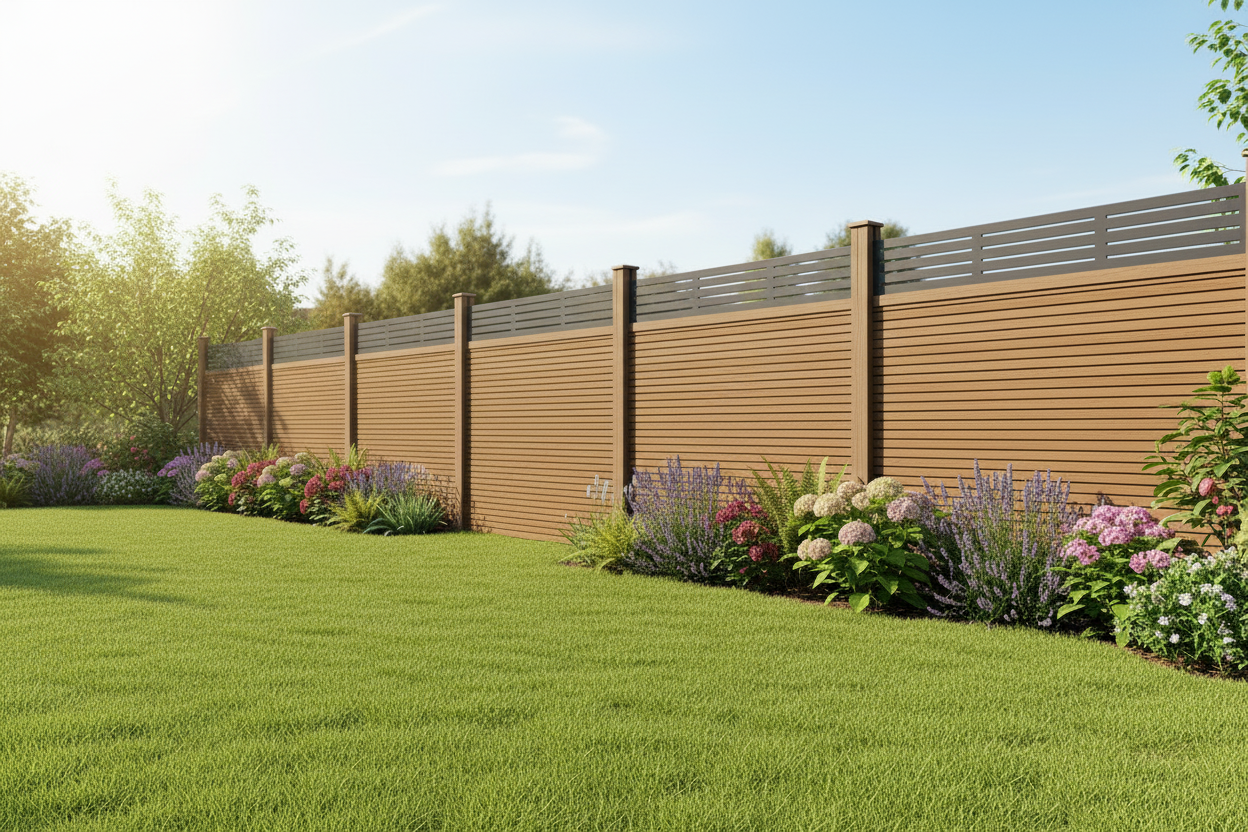
Engineered from wood fibre and recycled plastic, composite boards deliver the look of timber without the associated maintenance demands.
Each option involves its own trade-offs in cost, appearance and durability. The right choice aligns with the priorities you identified earlier. For a more detailed comparison, see our guide to composite versus wood fencing.
Choosing Fencing That Suits the UK Climate
Fencing in UK conditions faces challenges that homeowners in warmer climates do not encounter. Britain's weather varies significantly throughout the year, and choosing fencing purely on appearance, without considering weather performance, is one of the most common and costly mistakes buyers make.
The main environmental factors to consider include:
Rainfall and Moisture
The UK receives around 1,154 mm of rain annually on average. Timber absorbs moisture and begins to rot without regular protective treatment.
Frost and Freeze-Thaw Cycles
Repeated freezing and thawing causes materials to expand and contract, leading to cracking and joint failure in less durable products.
Wind Exposure
Exposed gardens, particularly in rural and upland areas, place considerable pressure on panels and posts during storms.
Coastal Environments
Salt air accelerates corrosion in metal fixings and degrades untreated timber much faster than inland conditions.
UV Exposure
Prolonged sunlight causes colour fading and surface degradation in softwoods and lower-quality composites.
Moss and Algae Growth
The UK's consistently damp climate creates ideal conditions for biological growth on fencing. On timber, moss acts as a moisture blanket that accelerates rot and can reduce fence lifespan by several years.
Choosing a material that resists moisture, UV and biological growth from the outset reduces maintenance costs and delivers a far longer working life. Have a look at our Modern Townhouse Fencing case study to see how composite fencing does close to water. This is a central reason why composite fencing has grown popular across the UK fencing market.
What Should You Look for When Buying Fencing?
Comparing fencing products effectively requires a clear set of criteria beyond price. Finding a fence UK buyers will be satisfied with long-term means evaluating quality and performance across several key factors.
Use this checklist when assessing garden fencing UK suppliers offer:
Material quality: Look for consistent colouring, a smooth finish and well-manufactured boards and posts throughout the range.
Product warranties: Long warranties indicate manufacturer confidence.
Colour stability: UV-resistant coatings or co-extruded surfaces provide much better colour retention over time.
UV and weather resistance: Look for independently verified performance data rather than relying on marketing claims alone.
Sustainability credentials: Many UK fence buyers now factor in environmental impact, so products made from recycled materials or responsibly sourced inputs are worth prioritising.
Ease of maintenance: Confirm exactly what the product requires and how often before you buy.
Matching gates and accessories: A complete system with coordinating posts, gates and fixings creates a more cohesive finished result.
Installation systems: Clip-fit and modular systems are far easier to install accurately than traditional nailed methods, especially for first-time installers.
Clear warranty terms: understand what is covered, what is excluded and for how long before committing to a purchase.
Applying this checklist to your fencing UK project will help you invest in a system that performs well long-term rather than one that simply looks good in a brochure.
Planning Your Fencing Project
Good planning is as important as the quality of the fencing itself. Working through the practical details before ordering materials helps you avoid common and costly mistakes when planning fencing in the UK.
Think about the following before placing an order:
Measuring boundaries accurately: Account for corners, slopes and any changes in ground level when calculating total run.
Choosing an appropriate fence height: In the UK, you can erect a fence up to 2 metres without planning permission, and a 1-metre limit applies where the fence adjoins a public highway.
Positioning posts correctly: Post spacing must match the panel width of your chosen system, so mark out the positions before ordering.
Planning gates and access points: Factor gates into your measurements and order them as part of the overall system.
Consulting neighbours: Where fencing sits on or near a shared boundary, discuss your plans before work begins.
Checking for planning restrictions: Listed buildings, planning conditions and
may remove or restrict permitted development rights, meaning planning permission could be required where it normally would not be.
Ordering the correct quantity: A small surplus protects against waste and damaged boards.
Addressing these points before ordering makes installation smoother and reduces the risk of expensive corrections down the line.
Choosing a Fencing Supplier
With your project planned and product in mind, the final step is selecting a supplier who can support you from enquiry to completion. The best fences come from fencing suppliers who offer more than a competitive price per board.
Look for the following when evaluating suppliers:
Product availability: Sufficient stock to fulfil your full order without significant delays.
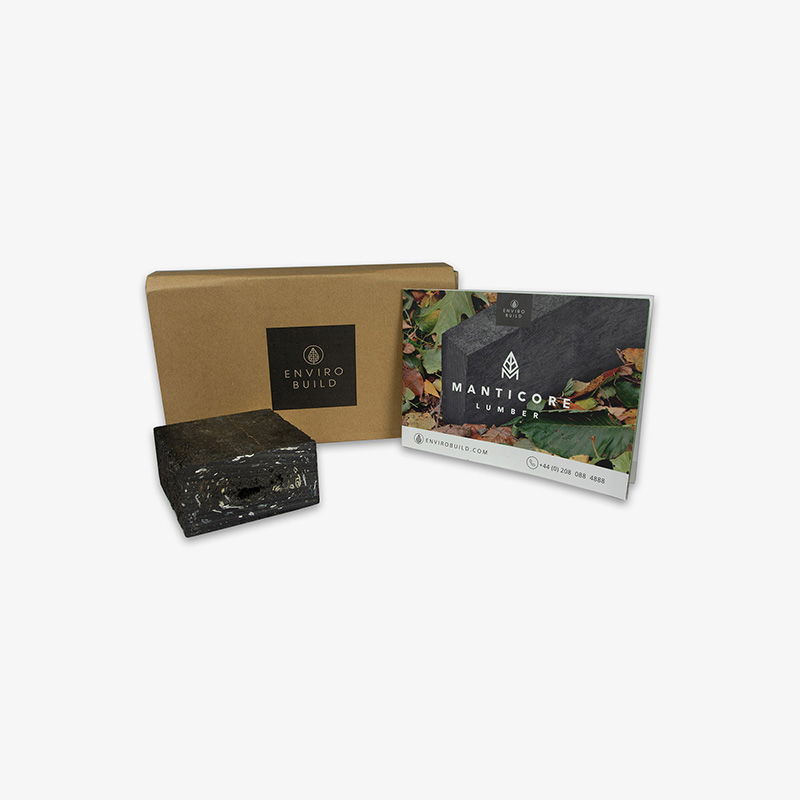
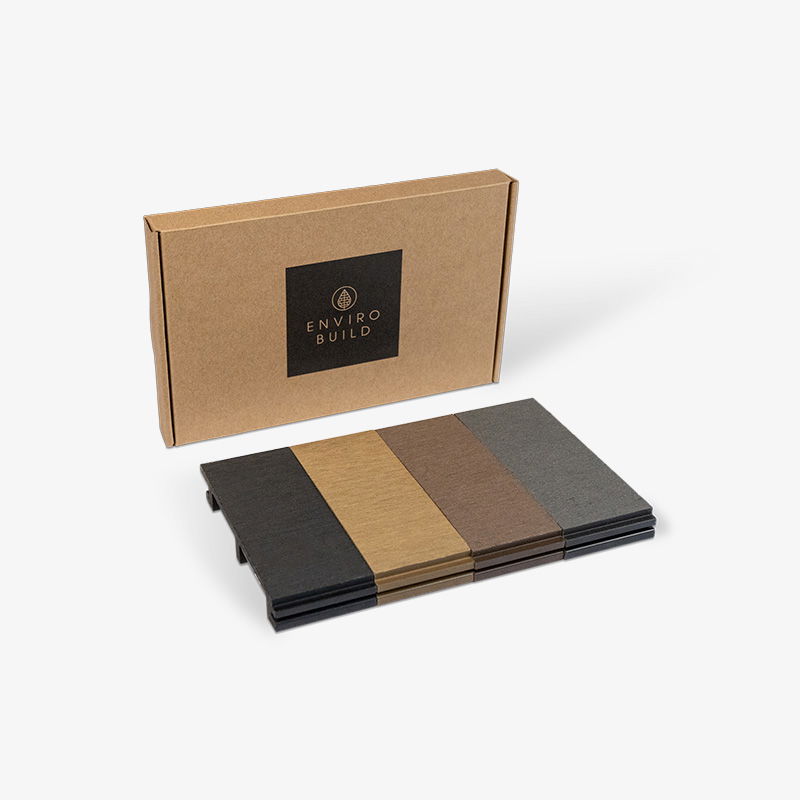
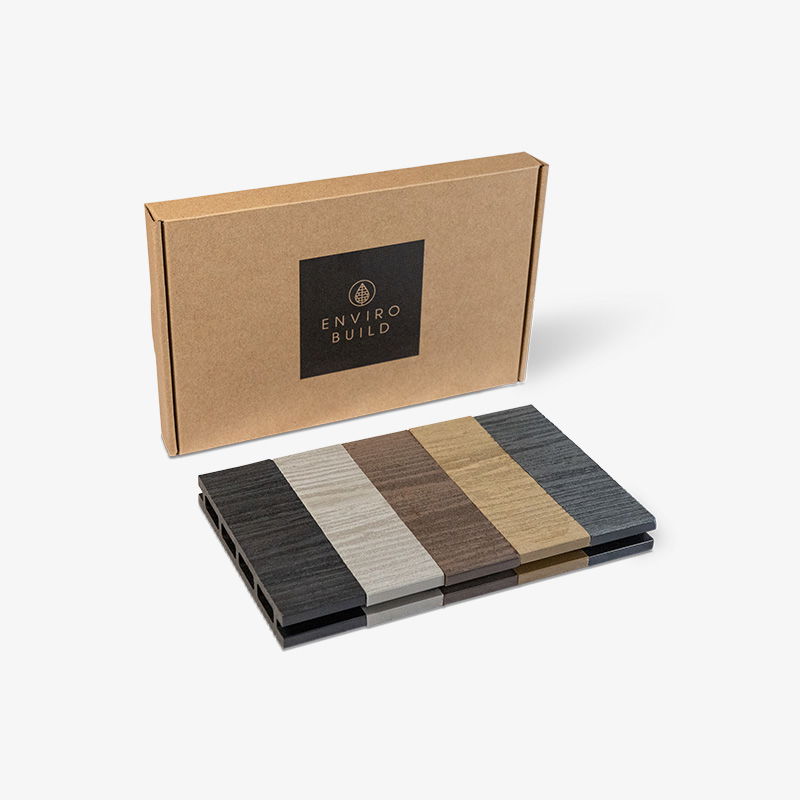
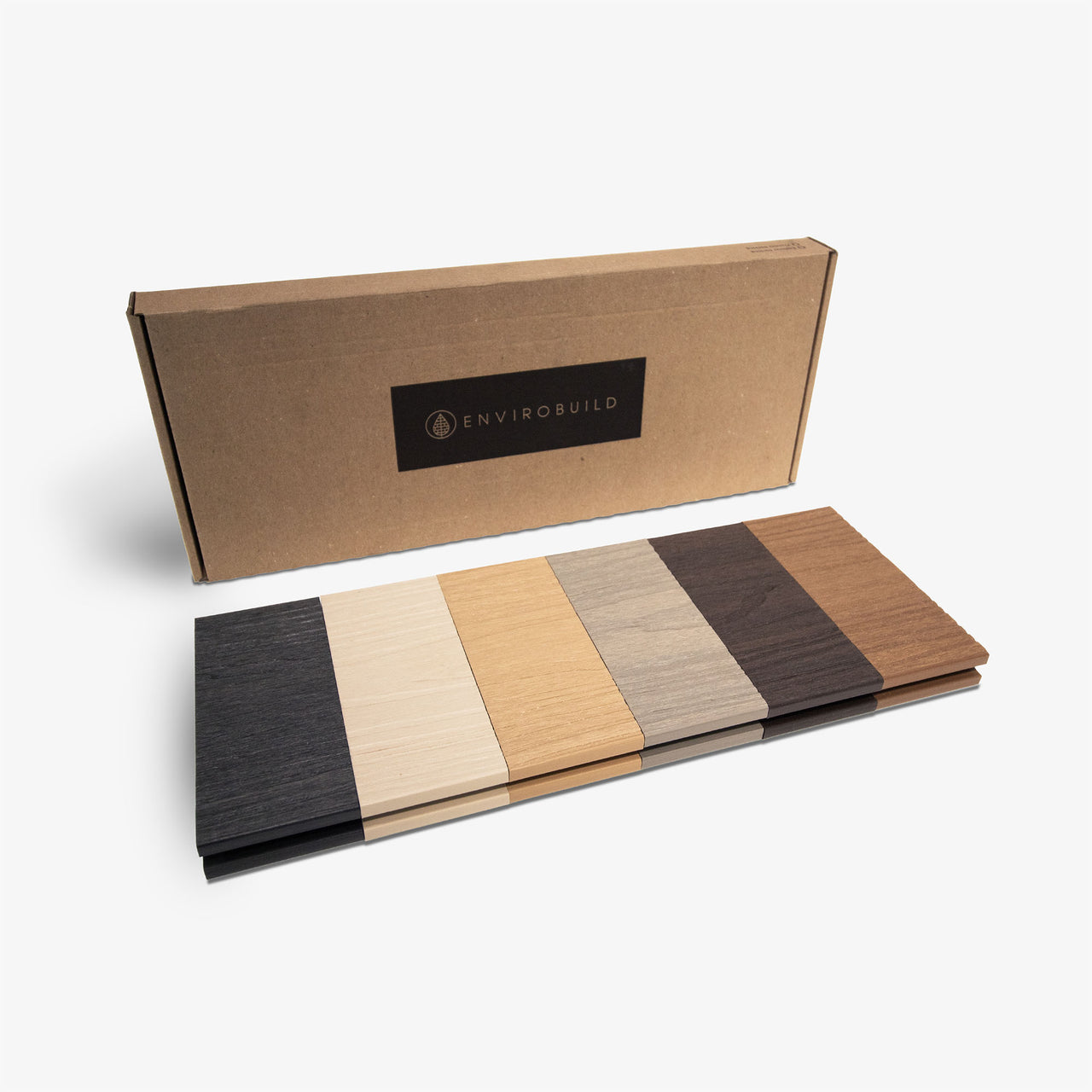
Samples before purchase: The ability to assess colour, texture and quality in your own garden before committing.
Technical advice: Knowledgeable guidance during planning that can prevent costly mistakes.
Installation support: Clear fitting instructions or professional advice, which is especially useful for first-time buyers.
Nationwide delivery: The ability to deliver to any UK address, from central London to rural Scotland.
Complete fencing systems: Panels, posts, gates and accessories in coordinating finishes for a consistent result.
Transparent warranty information: Terms clearly stated upfront, including what is covered and for how long.
A supplier who meets these criteria makes the buying process easier and gives you confidence in the product you are investing in.
Why Choose EnviroBuild
Choosing the right fencing requires a clear process rather than a quick decision. The best outcomes come from identifying your priorities early, understanding your options, accounting for the UK climate, evaluating products carefully and planning your installation thoroughly. A structured approach consistently delivers better results.
EnviroBuild's composite fencing range is designed to meet the specific demands of fencing UK gardens face year-round: durable, low-maintenance and built to last. Request free samples today to see the quality for yourself before making your final decision, and make use of our convenient fencing calculator to help you work out how many materials you might need for your project. Our friendly team is there to help you with any questions you might have.
Frequently Asked Questions
1. What is the best type of fencing for UK gardens?
The best type depends on your priorities, but composite fencing is widely considered one of the most practical choices for UK homeowners. It combines the look of timber with greater durability and very low maintenance, making it well suited to Britain's variable weather.
2. What fencing lasts the longest in the UK?
Composite fencing consistently outperforms timber on lifespan. High-quality composite systems can last 25 to 30 years or more with minimal upkeep, compared to 8 to 12 years for most softwood panels without regular treatment.
3. How high can a garden fence be in the UK?
In most residential situations, you can erect a fence up to 2 metres in height without planning permission. If the fence is adjacent to a public highway, a 1-metre limit applies. Conservation areas and other restricted zones may have additional requirements.
4. Do I need planning permission to install fencing?
In many cases, planning permission is not required. A new fence can generally be up to 2 metres high, or up to 1 metre where it is adjacent to a highway. Different rules may apply to listed buildings or where permitted development rights have been removed by a planning condition or Article 4 Direction. Check with your local planning authority before starting work.
5. What should I look for when buying fencing?
Focus on material quality, warranty length, UV and weather resistance, colour stability and whether the supplier offers a complete system. A supplier who provides samples, technical support and clear warranty terms gives you the strongest foundation for a successful fencing UK project.