






What Makes a Slatted Garden Fence?
Before diving into ideas, it helps to understand what you're actually looking at. A slatted garden fence is made up of horizontal or vertical boards fixed within a frame and supported by posts. These boards, the fencing slats, are spaced at regular intervals, and it's that consistent gap between them that gives the style its signature look.
Terminology can get a little confusing here. The narrower timber sections used to build or back a panel are often referred to as fence battens, and these battens for fencing create the rhythm of gaps that define a slatted design. Whether the boards are wide and bold or slim and closely spaced, the principle is the same: filter the view rather than wall it off entirely.
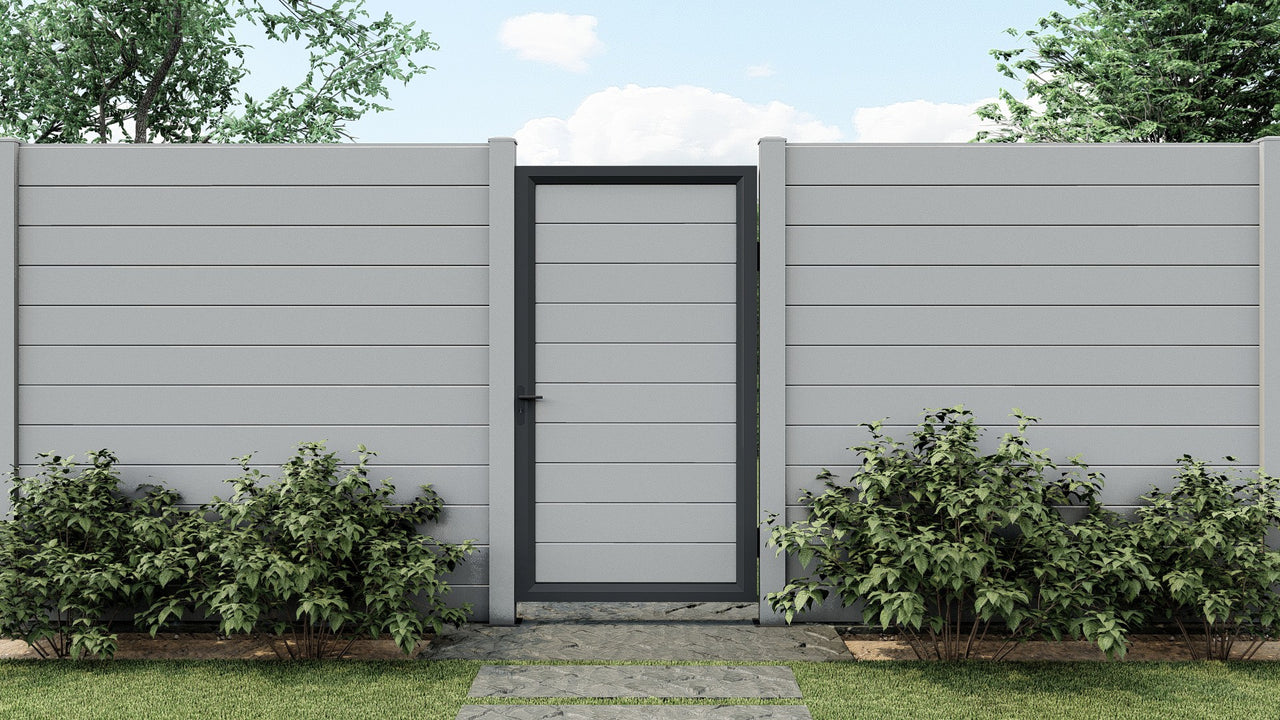
Why Slatted Fencing Suits Contemporary Gardens
The appeal of the slat fence is rooted in how well it complements modern architecture. Crisp horizontal lines sit beautifully alongside rendered walls, composite decking, porcelain paving and minimalist planting schemes. Where a solid panel can feel imposing, a slatted design offers privacy with a far lighter touch. It's a look that has filtered down from high-end landscape design into everyday gardens, precisely because it achieves so much with so little.
There are practical benefits too:
It filters daylight rather than blocking it entirely, keeping borders and seating areas bright.
The gaps allow air to pass through, reducing wind load on exposed boundaries.
It creates a sleek backdrop that makes planting, lighting and furniture stand out.
It works equally well for perimeter boundaries, garden screening and internal zoning.
A well-designed slatted garden fence manages to feel both private and open at once, a balance that few other fencing styles strike so easily.
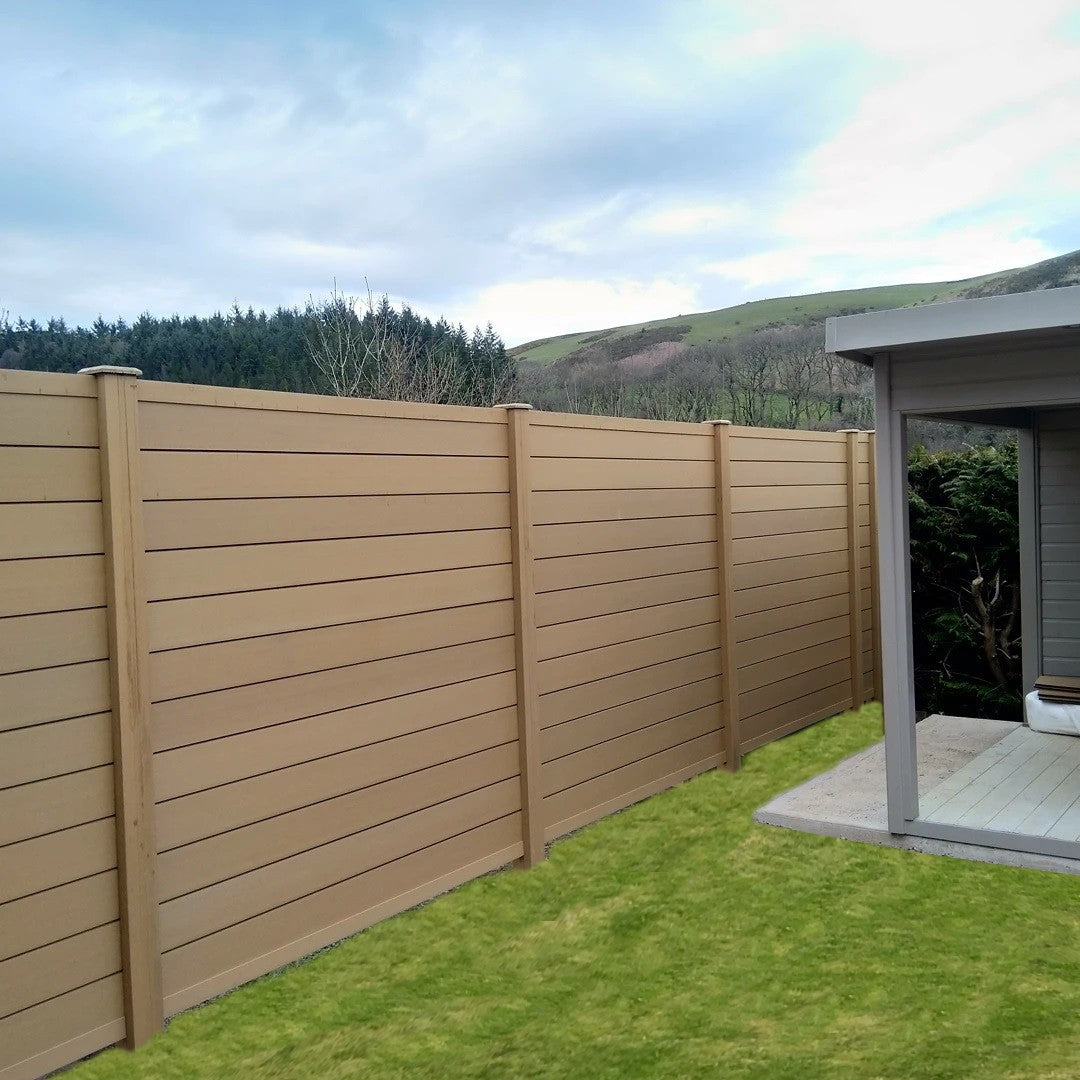
Slatted Garden Fence Design Ideas
Once you've settled on the style, the fun begins. Here are some of the most effective ways to bring a slatted garden fence to life.
Go Horizontal for a Modern Look
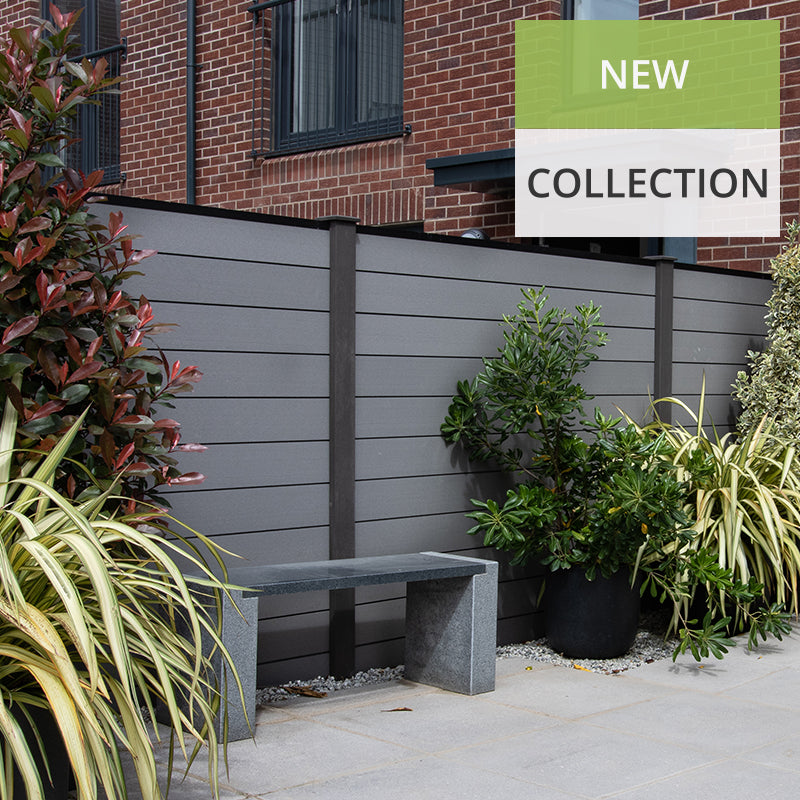
Horizontal boards read as more contemporary than traditional vertical panels, drawing the eye along the length of a garden and making narrow spaces feel wider. A contemporary slatted fence panel with evenly spaced horizontal boards is the quickest route to that sharp, architectural finish so many modern gardens are built around. The effect is especially striking on longer runs, where the repeated lines create a calm, uninterrupted rhythm across the whole boundary.
Add Height and Greenery with a Trellis Topper
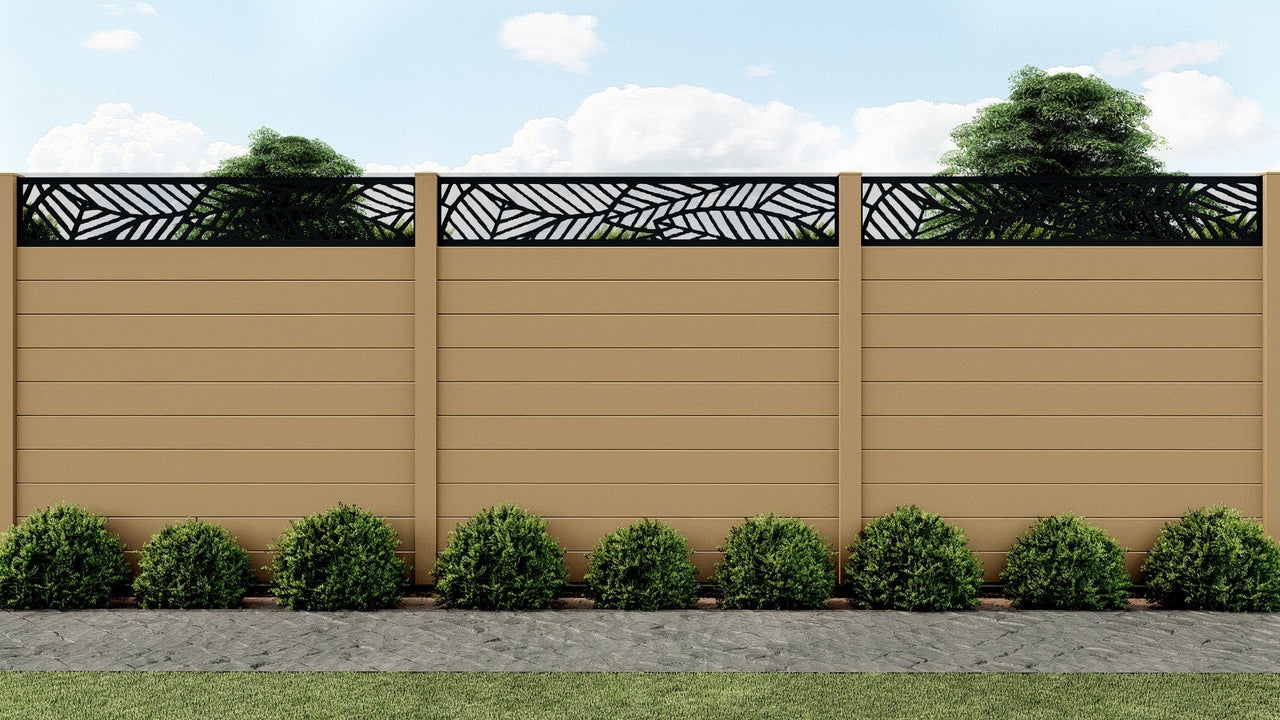
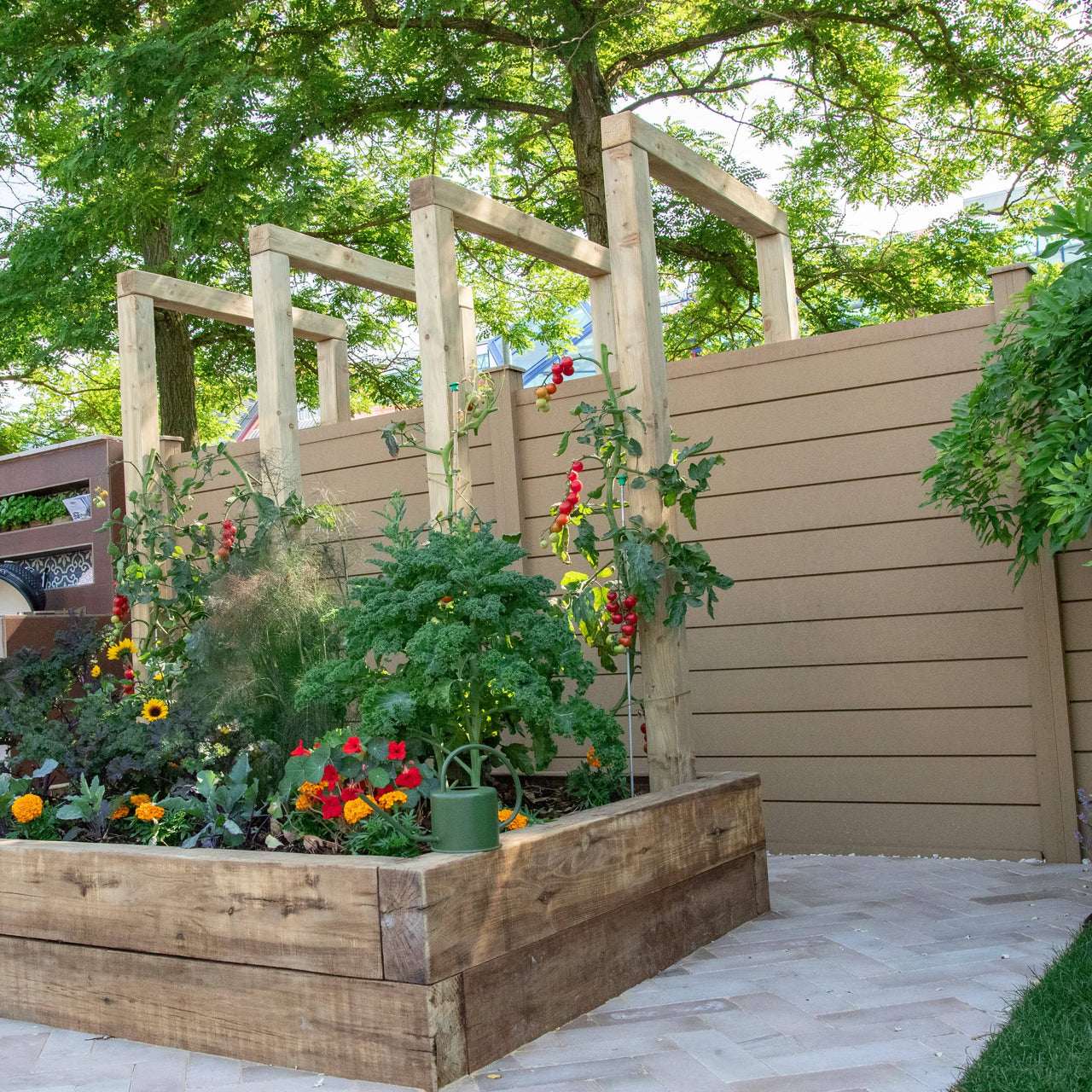
If you need a little extra height or privacy without the weight of a full panel, a horizontal slat trellis sitting above standard fencing is a clever solution. A slatted panel trellis also doubles as a frame for climbing plants, softening the boundary over time while keeping that open, airy feel. It's an ideal way to separate a patio, outdoor kitchen or seating area without losing light.
Use Slatted Screens to Zone the Garden
Slatted designs aren't limited to perimeters. Free-standing slat screens are perfect for dividing a garden into distinct areas, framing a hot tub or firepit, separating an outdoor kitchen, or discreetly concealing bins and utility zones without closing the space off entirely.
Play With Colour and Two-Tone Effects
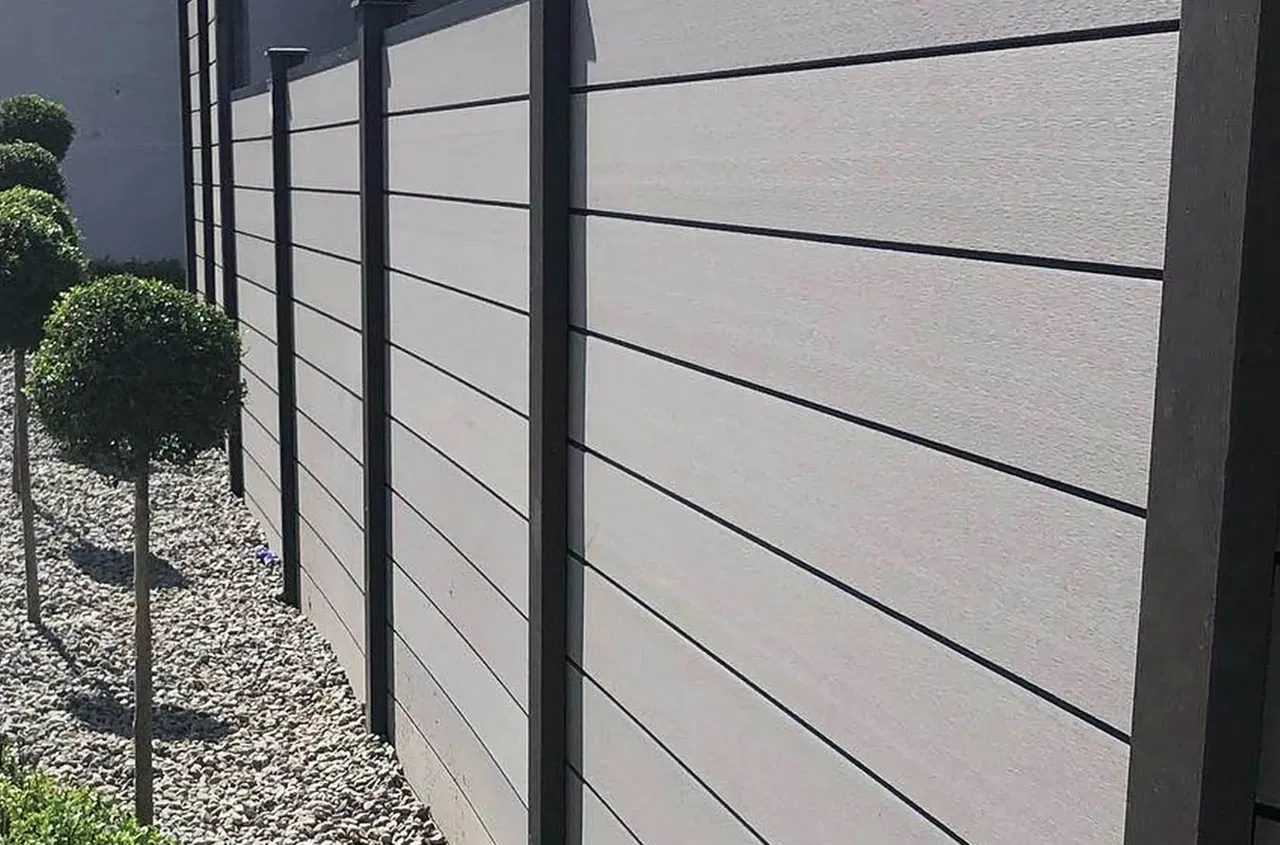
Mixing tones, such as warm oak against cooler stone or granite, adds depth and personality. Contrasting posts or trims can pick out the lines of the boards and give a bespoke, designed feel that lifts a slatted garden fence beyond the ordinary. A two-tone scheme adds visual interest without overwhelming a smaller space.
Layer in Lighting
Lighting transforms a slatted boundary after dark. LED strips run along the base, or vertical light bars set between posts, accentuate the texture of the boards and turn a functional fence into a standout evening feature. Pair it with pathway or decking lighting for a cohesive, considered scheme.
Composite vs Timber: Choosing the Right Material
Material choice is where a slatted garden fence really proves its worth over the years. Traditional wooden fencing slats bring an undeniable natural warmth, and for some gardens that timber character is exactly right. The trade-off is maintenance: timber needs regular sealing or staining, and over time it's prone to rot, warping, splitting and fading, particularly in the damp and changeable UK climate.
Composite fencing offers an alternative that keeps the timber look without the upkeep. Made from a blend of recycled wood fibres and high-performance plastics, composite slats resist moisture, UV fading, insects and warping. There's no annual treatment to worry about, and the boards hold their colour and shape for years. For a boundary exposed to rain, frost and strong summer sun in roughly equal measure, that durability makes a genuine difference to how good your garden looks a decade from now. Many composite systems also come with a long warranty, giving you confidence that the boundary you install today will still perform well into the future
EnviroBuild: The Sustainable Choice for Your Slatted Garden Fence
This is where it's worth thinking beyond looks and maintenance alone. A slatted garden fence is a long-term investment, so the environmental footprint of the material matters just as much as its performance.
EnviroBuild's composite fencing is made from up to 90% recycled materials, including reclaimed wood fibres and recycled plastic, and is manufactured using 100% renewable energy That means every panel helps divert waste plastic and timber off-cuts from landfill, while requiring no stains, chemical treatments or paints across its lifetime. As a business, we also donate 10% of our profits to sustainable causes, supporting biodiversity and conservation projects around the world. Choosing composite over treated timber lets you enjoy the clean, modern look of a slatted garden fence while reducing the environmental impact of your project: a boundary that performs beautifully and responsibly, built to last in the conditions UK gardens actually face.
Practical Considerations Before You Buy
A little planning goes a long way. Before ordering, measure your run carefully and work out how many panels and posts you'll need. We also have a helpful fencing calculator to help you. Sloped or soft ground may call for deeper or sturdier posts, and that's worth assessing site by site. Installation itself is well within reach of a confident DIYer, though larger or sloping runs are often worth handing to a professional for a clean, level finish.
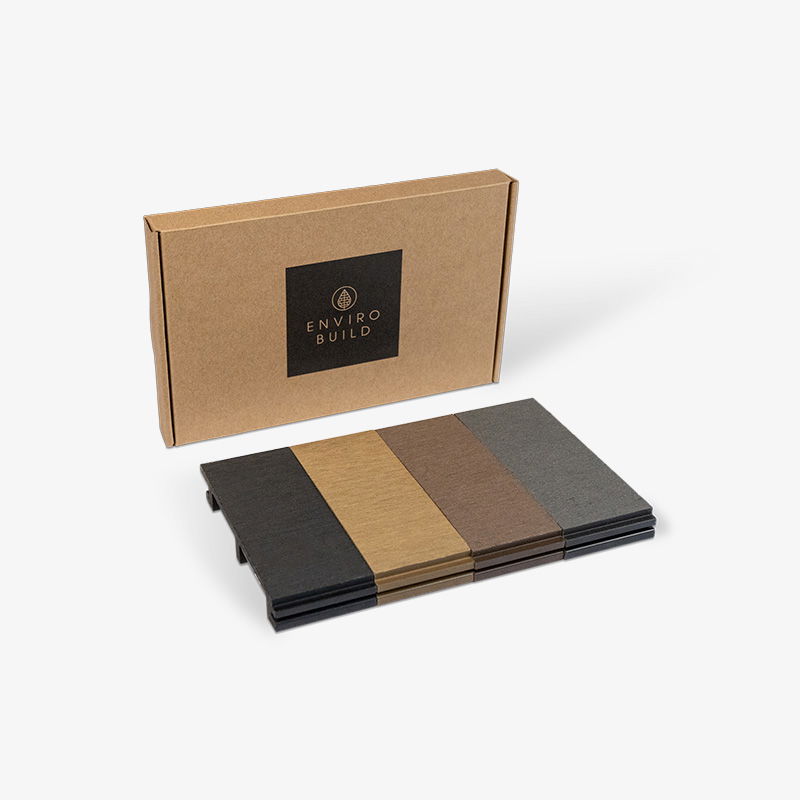
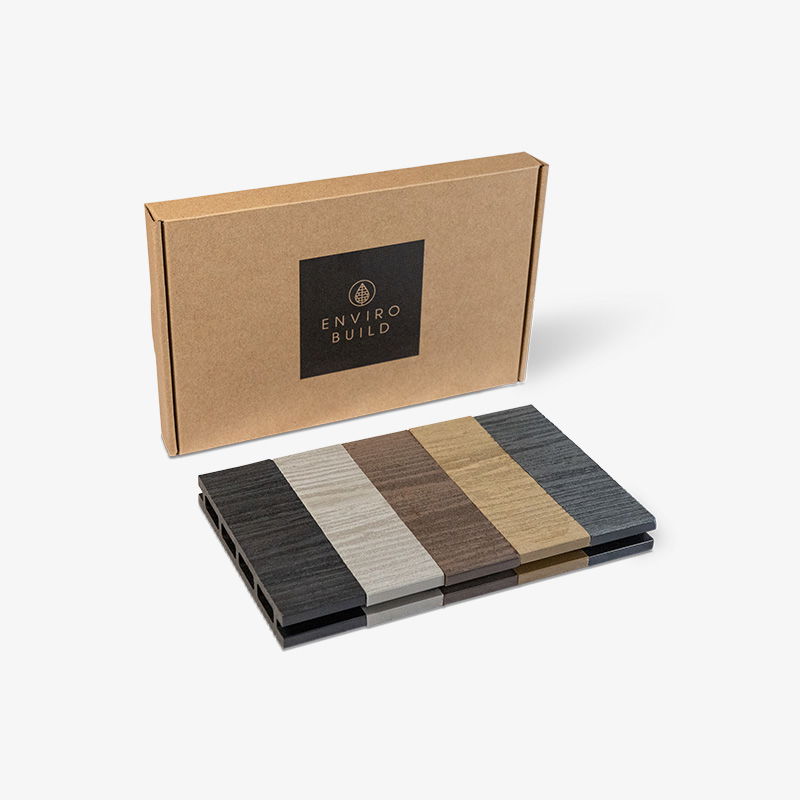
If you already have concrete posts in place, you don't need to start from scratch. Retrofit composite slats slot into aluminium channels fixed to your existing posts, instantly modernising a tired boundary without a full rebuild. EnviroBuild's fencing calculator takes the guesswork out of quantities, and free samples let you check colours against your own garden before you commit.
Height is also worth checking before you order. In England you generally won't need planning permission for a garden fence up to two metres high, though that drops to one metre next to a highway used by vehicles, and a trellis topper counts towards the total. The UK Planning Portal sets out the full rules.
Speak to the Experts Today
A slatted garden fence brings together everything a modern outdoor space asks for: privacy that doesn't block the light, clean architectural lines, and the flexibility to screen, zone or simply frame a beautiful garden. Paired with a durable, sustainable composite material, it's a boundary built to look good and keep looking good for years to come. If you're ready to bring the look to your own garden, EnviroBuild offers a full range of composite fencing, gates and decorative trellis toppers designed to withstand the UK climate. For advice on the right system for your project, our team is on hand on 020 8088 4888.


