

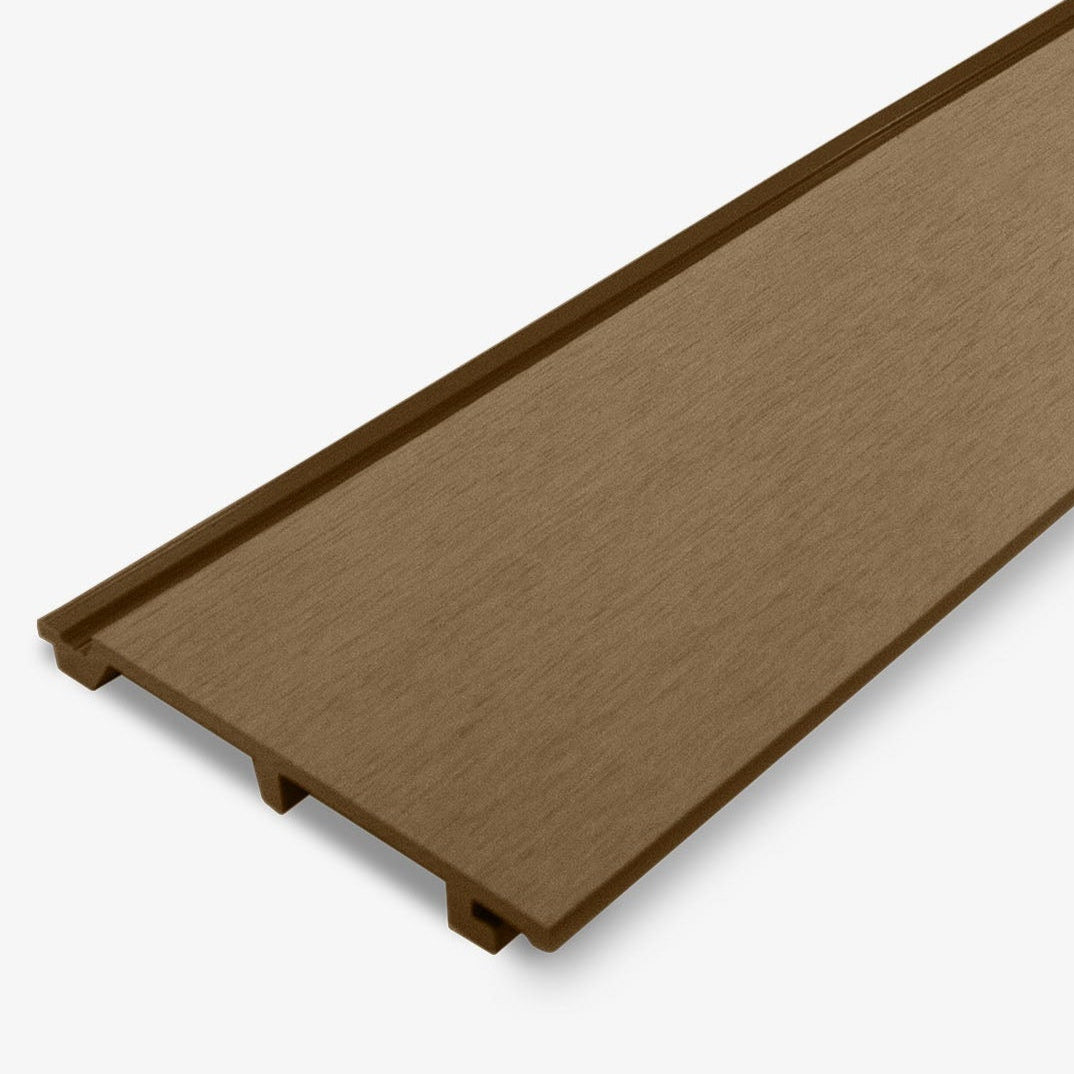
What Is Tongue and Groove uPVC Cladding?
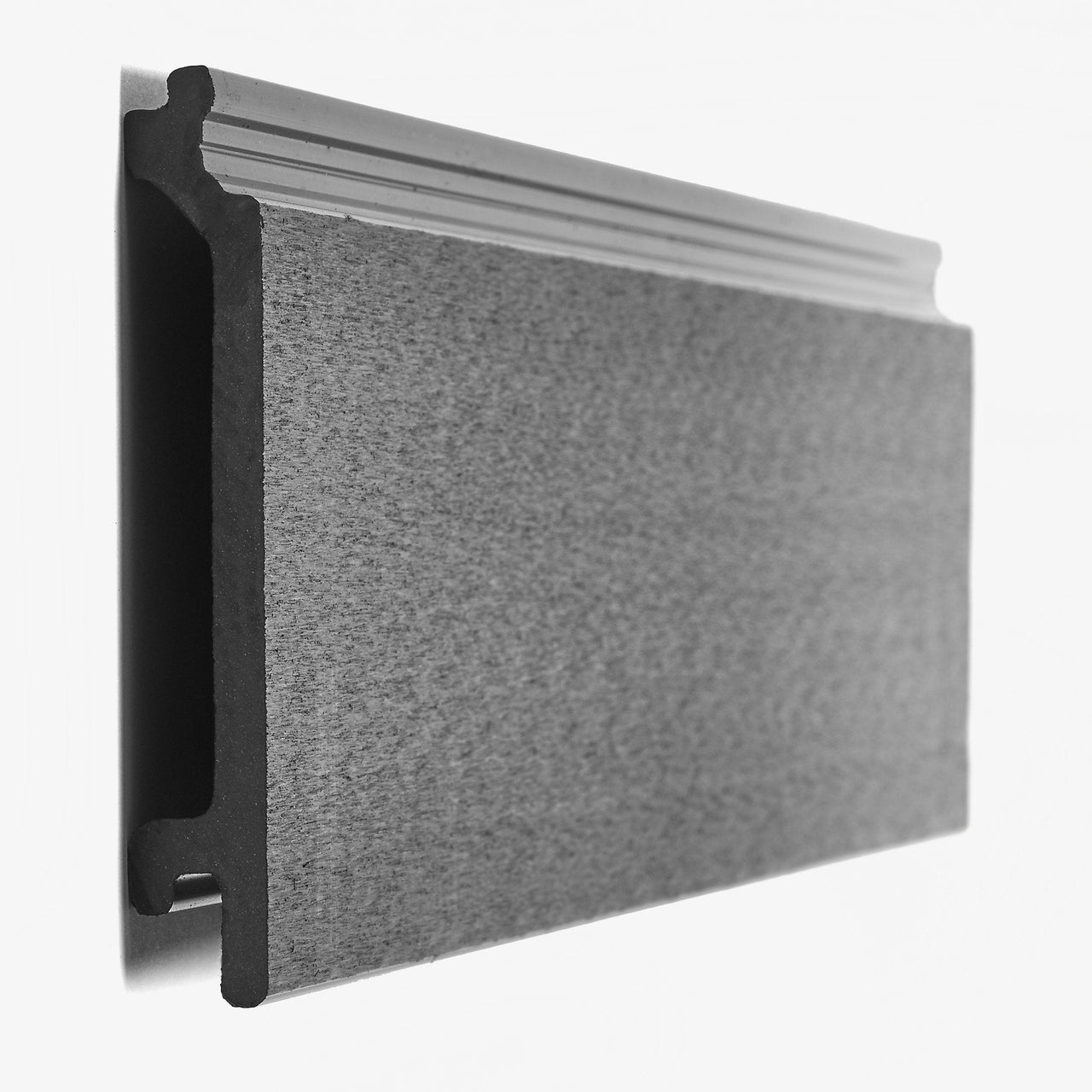
Tongue and groove uPVC cladding is an exterior finishing system made from unplasticised polyvinyl chloride, formed into boards with a protruding "tongue" edge on one side and a recessed "groove" on the other. When boards are fitted, the tongue of one slots into the groove of the next, creating a continuous, interlocking run across the wall. This joint keeps the boards aligned during installation and forms a weather-resistant seal that limits how much water can work its way behind the cladding.
Because each board locks into its neighbour, the finished surface reads as one continuous plane rather than a collection of individual boards, giving tongue and groove uPVC cladding its neat, uniform appearance. The material itself resists moisture well, since uPVC does not absorb water the way timber can, making it a practical choice for exposed elevations. As an external wall cladding system, it is most often specified where a low-cost, low-maintenance finish is the priority rather than a premium natural aesthetic.
Where Is uPVC Tongue and Groove Cladding Commonly Used?
Tongue and groove uPVC cladding appears across a wide range of UK projects, largely because it is inexpensive relative to other materials and quick for installers to fit. As a form of exterior tongue and groove finish, it is typically found on:
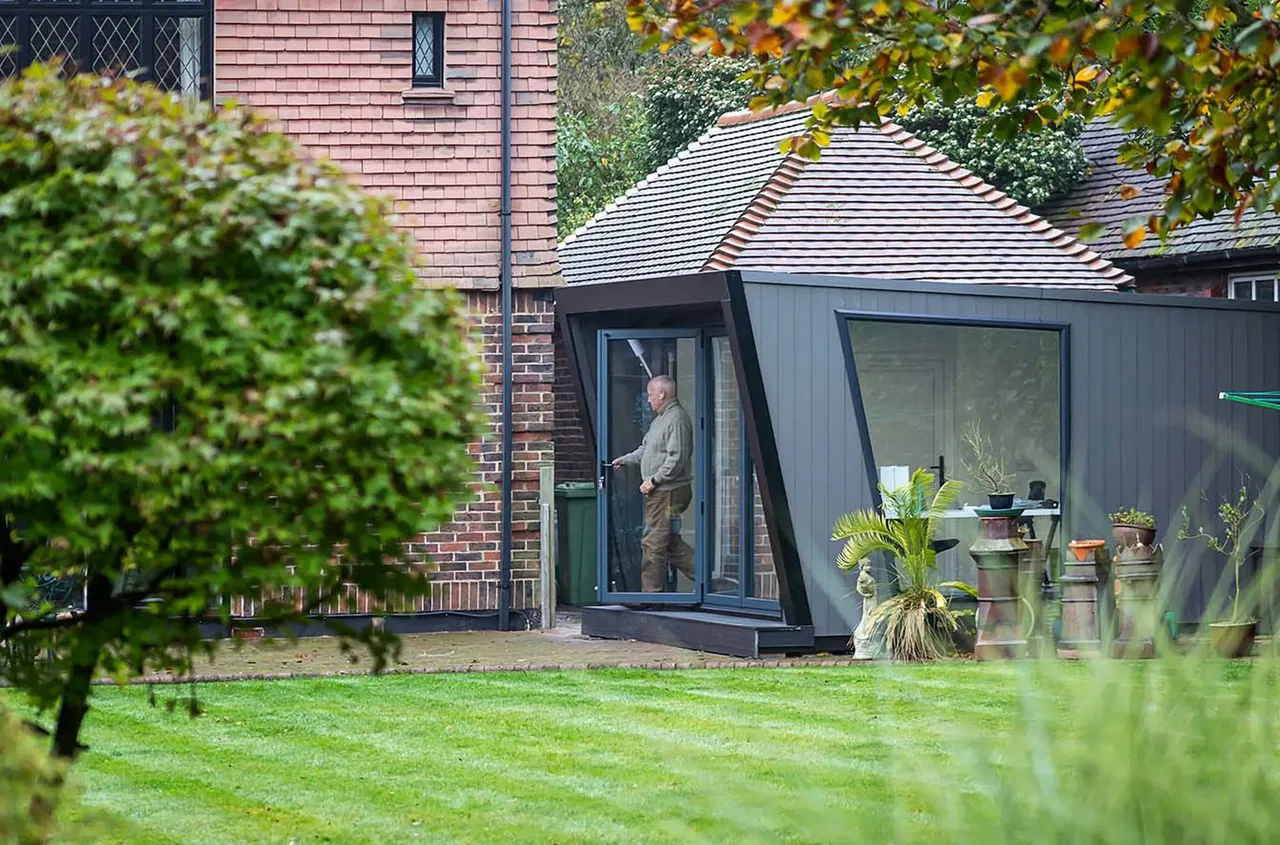
House extensions, offering a tidy finish without matching existing brickwork
Dormers, whose lightweight suits roof-level structures
Garden rooms, as an affordable alternative to timber
Garages, particularly where budget is the main consideration
Sheds and outbuildings, where long-term weathering matters less
Commercial buildings, including plant enclosures and utility structures
Coastal properties, where damp resistance is valued, though UV exposure here can accelerate colour change
It is worth noting that the same interlocking profile is also used indoors, for example, as ceiling panels tongue and groove, though interior performance requirements differ considerably from those facing an exposed wall.
Benefits of Tongue and Groove uPVC Cladding
There are clear reasons why tongue and groove uPVC cladding remains popular for budget-conscious projects:
Lightweight: as a lightweight cladding option, uPVC boards are easy to handle and place less load on subframes than heavier materials such as timber or stone
Affordable: it is typically one of the most affordable cladding materials per square metre
Low maintenance: an occasional wash is usually enough to keep boards presentable
Moisture resistant: uPVC will not rot, swell or absorb water the way untreated timber can
No painting required: colour is integral to the material, so there is no need for repeated repainting
Simple installation: as a budget exterior panelling solution, the tongue and groove joint makes alignment straightforward, and boards can generally be cut and fitted using standard tools
For projects where upfront cost and ease of fitting are the deciding factors, these advantages explain why uPVC continues to be specified so widely.
Things to Consider Before Choosing uPVC Cladding
A balanced view also needs to account for tongue and groove uPVC cladding’s limitations, several of which become more apparent over the years rather than at installation.
Expansion and Contraction
This is a genuine consideration, since uPVC expands and contracts noticeably with temperature changes, and fixing methods must be followed precisely or boards can bow or pull away from their fittings.
Colour Fading
Fading tends to occur over time, particularly on south-facing or coastal elevations, and because colour is baked into the material rather than applied as a coating, a faded run cannot easily be refreshed.
Impact Resistance
Impact resistance is comparatively low, and a damaged exterior panel can crack or dent under a firm knock, which matters for cladding fitted near ground level.
Environmental Considerations
These are worth weighing too, since uPVC is a petroleum-derived plastic that is rarely recycled in practice within domestic construction waste. EU data cited in UK industry research puts post-consumer PVC recycling rates at around just 3%, with most plastic waste from buildings ending up in landfill, exported, or incinerated at the end of a project's life rather than recycled.
Fire Performance
Fire performance varies by product, so it is important to check the specific rating of any system rather than assuming all uPVC performs equally, especially for commercial buildings.
Overall Lifespan
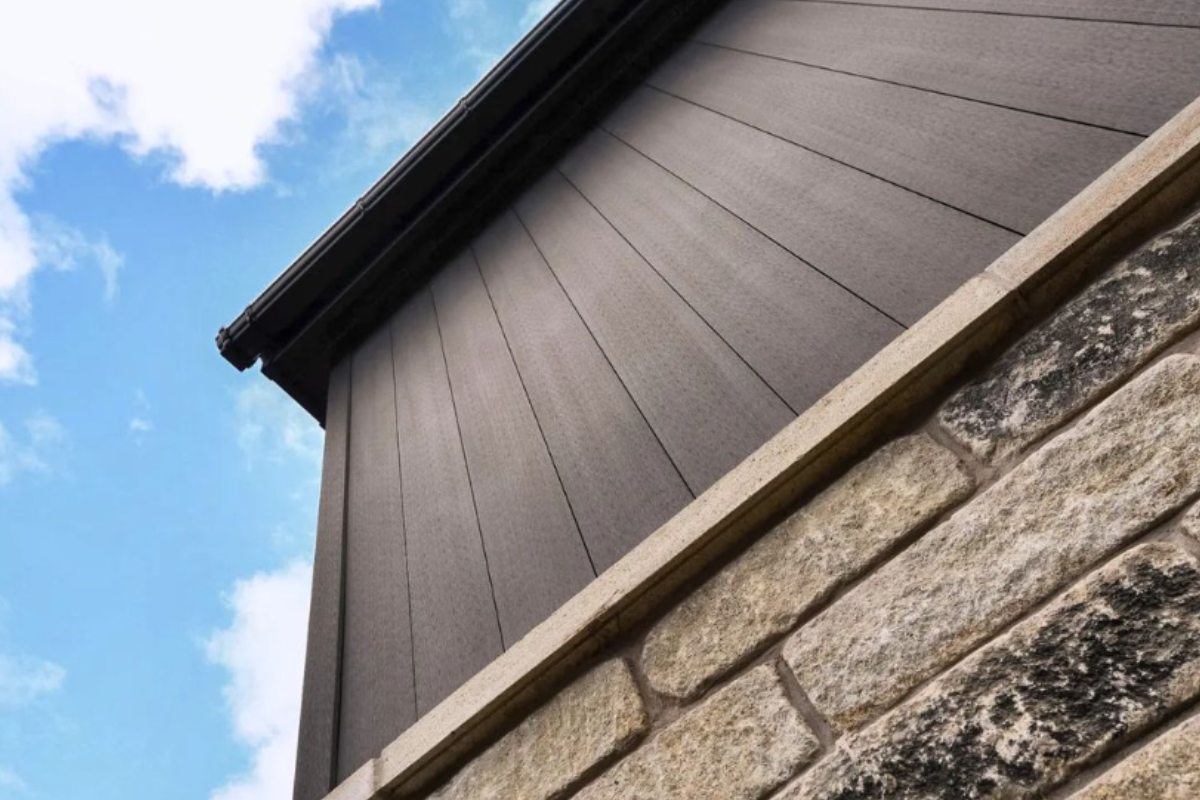
Overall lifespan is generally shorter than for composite or timber systems, with replacement cycles arriving sooner as boards become brittle or discoloured.
Repair Options
Repair options are also limited once a board is damaged: individual sections can sometimes be swapped, but colour matching between an aged board and a new one is often imperfect, leaving a visible patch rather than a seamless repair.
Tongue and Groove uPVC vs Composite Cladding
This comparison sits at the heart of the decision for anyone researching external wall cladding options, since uPVC and composite sit at opposite ends of the value-versus-longevity spectrum.
Appearance
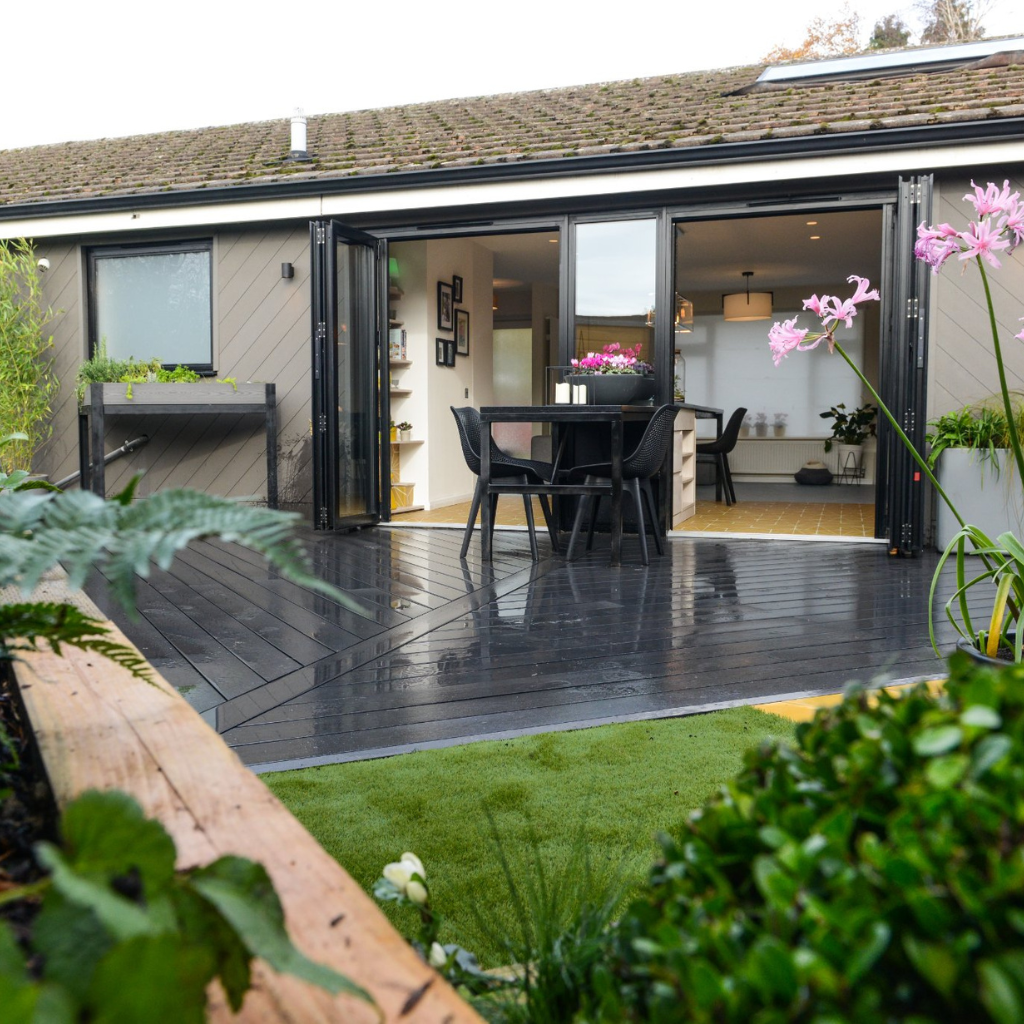
uPVC typically has a smooth, plastic-like finish, while composite boards are manufactured to replicate the texture and grain of natural timber far more convincingly.
Woodgrain Realism
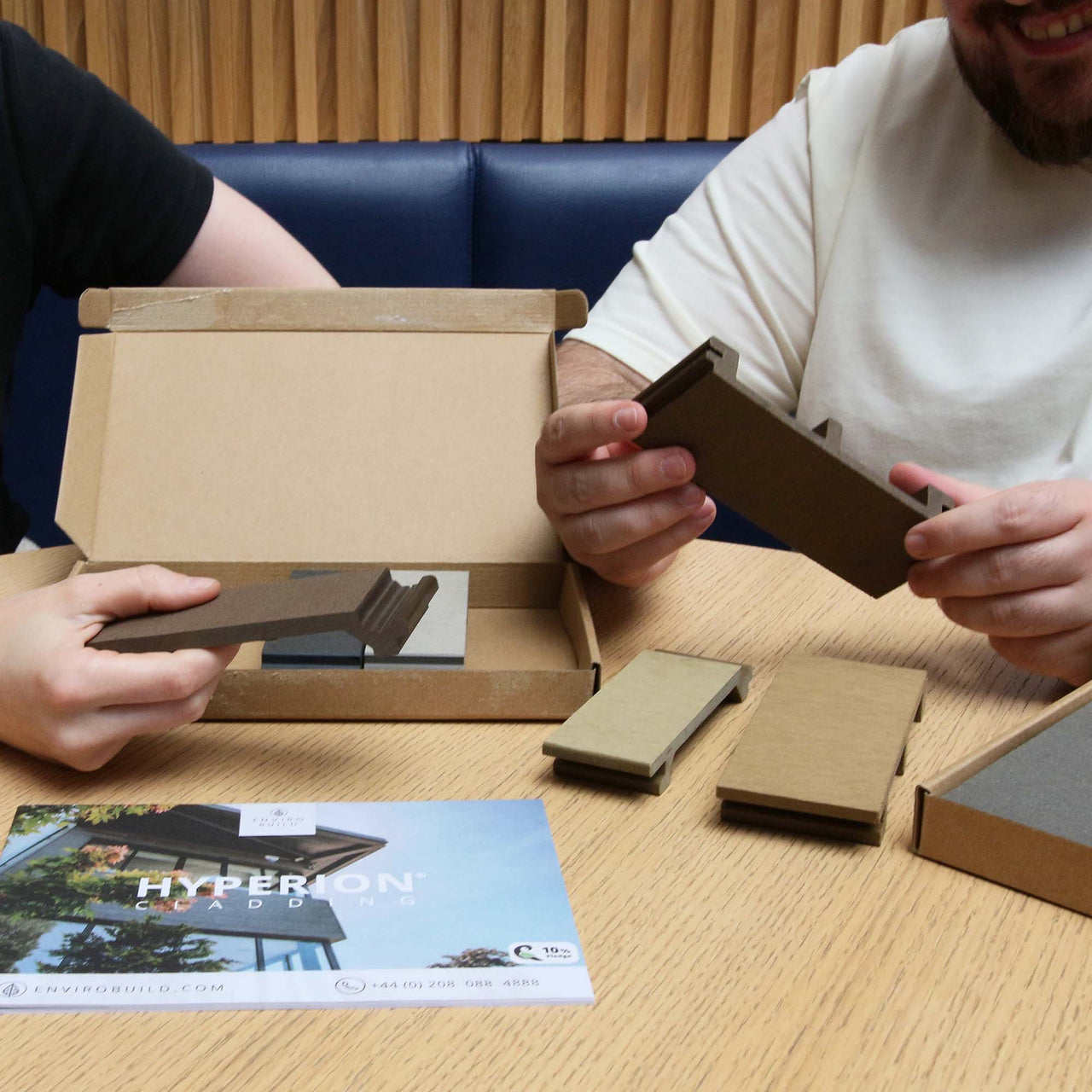
Composite boards offer a genuine woodgrain realism that uPVC's smoother surface cannot match, giving a more natural, tactile finish.
Maintenance
Both materials are low maintenance day to day, though composite generally holds its surface finish for longer without attention.
Colour Stability
Composite boards are engineered with capped, UV-resistant outer layers, whereas uPVC colour is more prone to visible change after prolonged sun exposure.
Moisture Resistance
Both materials resist moisture well, but composite's wood-fibre core is specifically engineered to resist ingress without the swelling associated with untreated timber.
Impact Resistance
Composite boards are generally denser and more resistant to impact than uPVC, which can crack under similar force.
Fire Ratings
Fire ratings depend on the specific product line in both materials, so checking the certified rating for each system is essential, particularly for taller or commercial buildings.
Sustainability
This is one of the clearest differences: composite cladding is commonly manufactured from a high proportion of recycled wood fibres and reclaimed plastics, reducing reliance on virgin materials, whereas uPVC production relies on new petrochemical inputs.
Lifespan
Composite cladding is typically designed and warrantied for a longer service life than uPVC.
Cost
uPVC generally has the lower upfront price, which is why it remains attractive for budget-driven projects, while composite carries a higher initial cost that is often offset by reduced replacement and maintenance needs over time.
Typical Applications
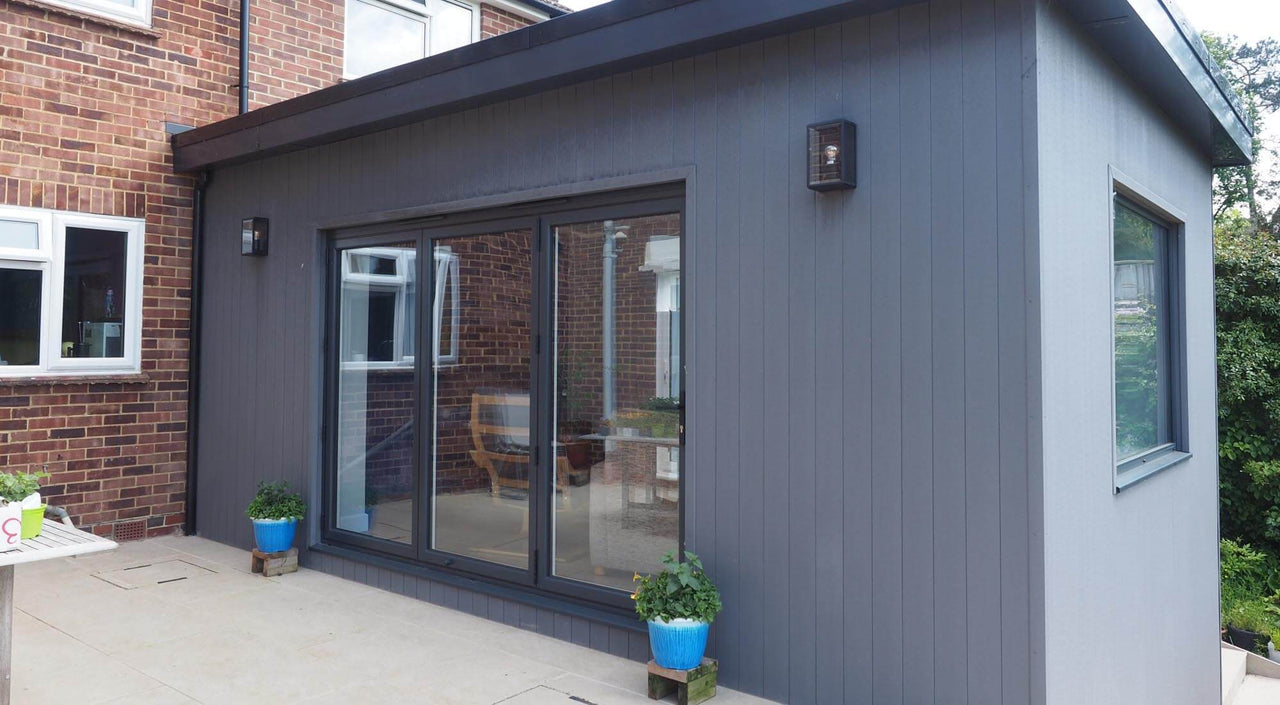
uPVC suits short-term or utility structures, while composite is more commonly specified for house extensions, garden rooms and residential façades where long-term appearance and durability matter more.
The Bottom Line
In practice, uPVC is often chosen for its lower upfront cost, but composite frequently offers better long-term value once the full lifecycle, including fading, repairs and eventual replacement, is factored in. For projects where kerb appeal and durability are priorities, a composite tongue and groove system can be a more sensible long-term investment than a tongue and groove composite or uPVC equivalent bought purely on initial price.
Read more about how these materials compare in our blog on Choosing the Best Cladding Material for Your Project, which looks at wood, composite and aluminium alongside uPVC in more detail.
Which Cladding Performs Best in the UK Climate?
The UK's weather is a genuine test for any exterior material.
Heavy Rainfall
Heavy rainfall is a near-constant feature, and both exterior panels shed water effectively when installed correctly, though the quality of the fixing system and ventilation behind the boards matters as much as the material itself.
Frost
Frost poses less of a direct risk to either surface, but repeated freeze-thaw cycles can exploit weaknesses in fixings or joints, making correct installation critical regardless of material choice.
UV Exposure
UV exposure tends to affect uPVC more visibly than composite, since capped composite boards are engineered with UV-resistant outer layers, while uPVC colour can noticeably dull after several years in direct sun.
Coastal Conditions
Coastal conditions, with their combination of salt-laden air and stronger UV exposure, tend to accelerate the weaknesses of each material, meaning colour fade and material fatigue can show up sooner than on inland properties.
Algae and Mould
Algae and mould can develop on any cladding surface in the UK's damp climate, though textured composite surfaces generally resist staining better than smoother uPVC finishes
Seasonal Temperature Changes
Seasonal temperature changes drive the expansion and contraction that installers must accommodate with gaps and fixing tolerances, an issue more pronounced with uPVC than composite.
Taken together, tongue and groove uPVC cladding can perform adequately in the UK climate when installed correctly, but composite systems are generally engineered with UK weather conditions specifically in mind, reflected in their longer warranties and more consistent long-term appearance.
Installation Considerations
Correct installation has a major bearing on how well any cladding performs, and the same core principles apply whether boards are uPVC or composite.
Battens and Subframe Requirements
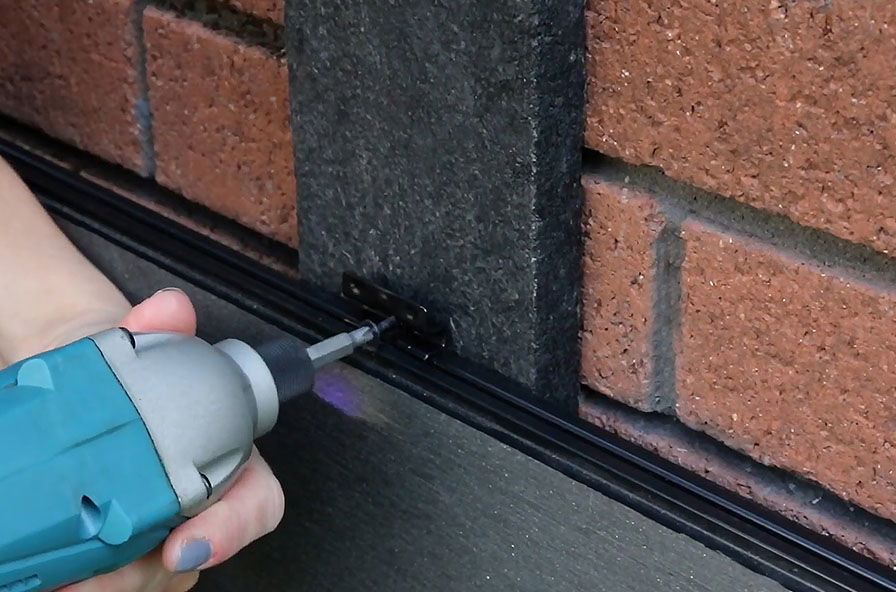
These need to suit the specific product being fitted, with manufacturer guidance followed on spacing and fixing centres to keep the finished external wall panel run straight and secure.
Ventilation
Ventilation behind the boards is essential to allow any moisture that does get through to escape, typically achieved with a cavity and battens rather than fixing boards directly against a solid wall.
Expansion Gaps
Expansion gaps must be left at joints and board ends to accommodate natural movement, particularly important for uPVC given its higher rate of expansion.
Manufacturer-Approved Fixings
These should always be used rather than generic alternatives, since incorrect screws or clips can compromise both weatherproofing and structural integrity.
Following Installation Guidance
This is usually a condition of any product warranty, so departing from recommended methods can invalidate cover if a fault develops later.
Installers planning a vertical cladding layout should also check that counter-battening is used to maintain airflow, since orientation affects ventilation requirements regardless of material. Getting these details right, whichever material is chosen, is what separates a cladding installation that performs for decades from one that needs early attention.
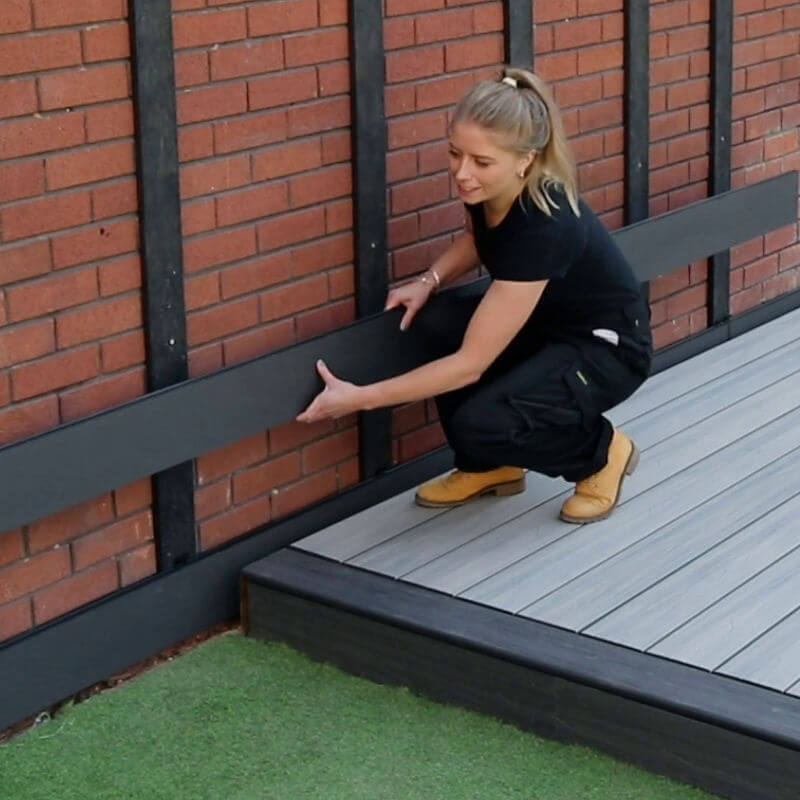
Composite interlocking systems are installed in a broadly similar manner, though they require their own compatible battens, clips and trims rather than uPVC accessories. Learn more about the fitting process in our case study, Garden Room Cladding, on upgrading garden room façades with composite cladding, which shows how a tongue and groove system was specified and installed as a low-maintenance alternative to timber.
Making the Right Choice
Tongue and groove uPVC cladding remains a sensible option for budget-driven projects, outbuildings and structures where a lower upfront cost outweighs long-term aesthetics. It is lightweight, quick to install and requires very little upkeep once fitted. For house extensions, garden rooms and residential façades where appearance, durability and sustainability carry more weight, composite cladding is generally the stronger long-term choice, offering better colour stability, impact resistance and a more convincing natural finish.
Weighing these factors against the specific demands of a project, rather than upfront price alone, is the most reliable way to choose between the two. If you have any questions about composite cladding, then reach out to our helpful team at EnviroBuild.