

What Is Composite Decking Made Of?
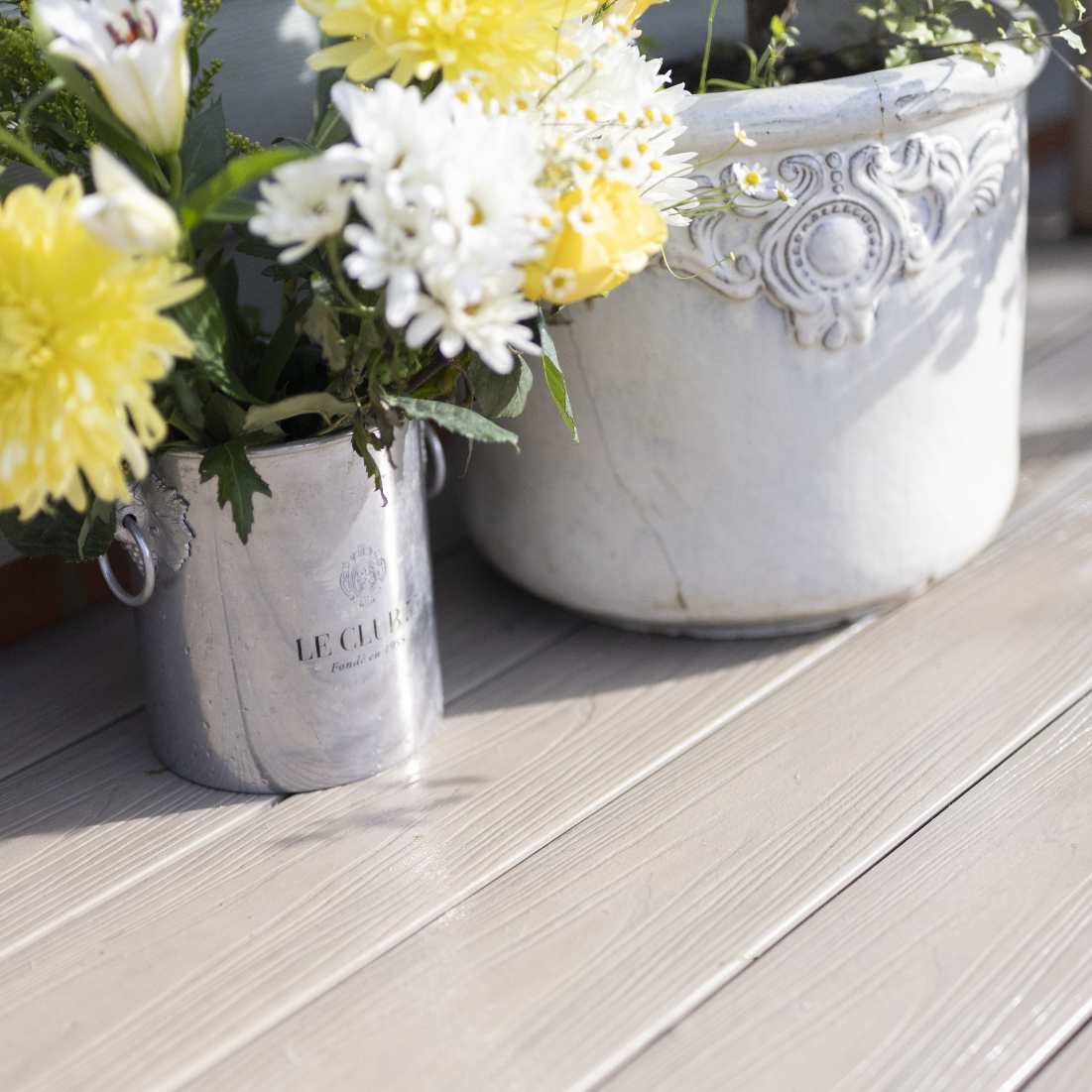
Composite decking is an innovative building material created by combining wood fibres with recycled plastics and bonding agents. This mixture is heated, shaped into boards, and cooled to create strong, durable planks. The result? A product that mimics the appearance of natural wood while offering improved performance and sustainability.
Many people also wonder, “what is composite wood?” Technically, composite wood refers to any material made from a combination of wood and other components, and composite decking is one of its most popular forms.

How Composite Decking Is Made
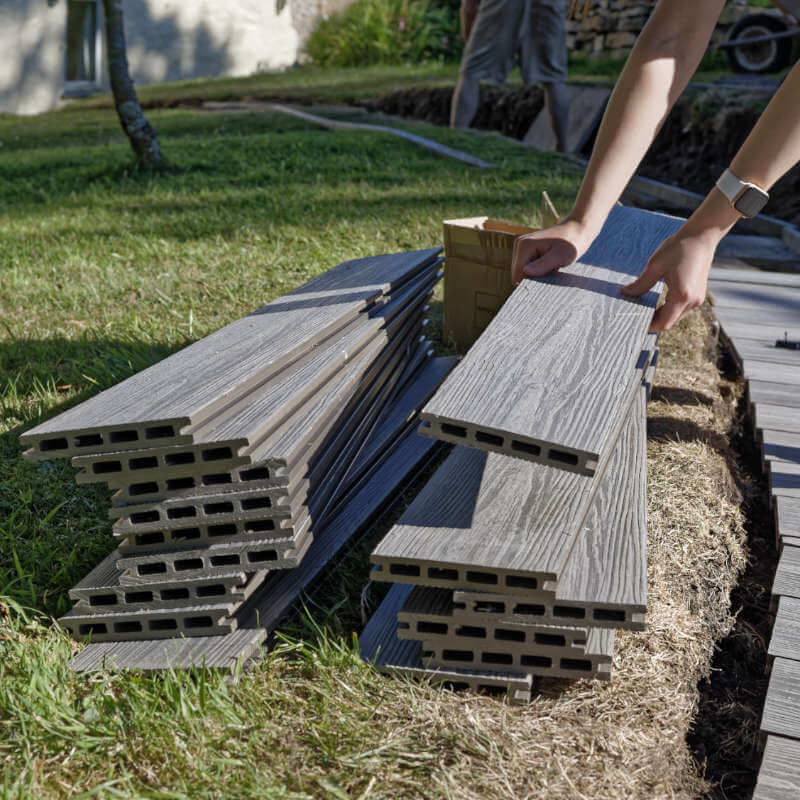
So how is composite decking material? The manufacturing process involves blending finely ground wood waste, such as sawdust, with plastic (often recycled polyethylene or polypropylene). Additives like UV inhibitors, colourants, and bonding agents are included to improve the durability and appearance of the boards. This mixture is extruded into boards that are textured and sometimes capped with a protective polymer layer for enhanced resistance against fading, scratching, and staining.
This cutting-edge process results in a material that is not only long-lasting but also eco-friendly.
Composite Decking vs. Traditional Wood Decking
When comparing composite decking vs. traditional wood decking, the differences are striking:
Durability: Composite decking resists rot, splintering, and insect damage far better than timber.
Maintenance: Timber requires regular sanding, staining, or sealing, while composite decking only needs occasional cleaning.
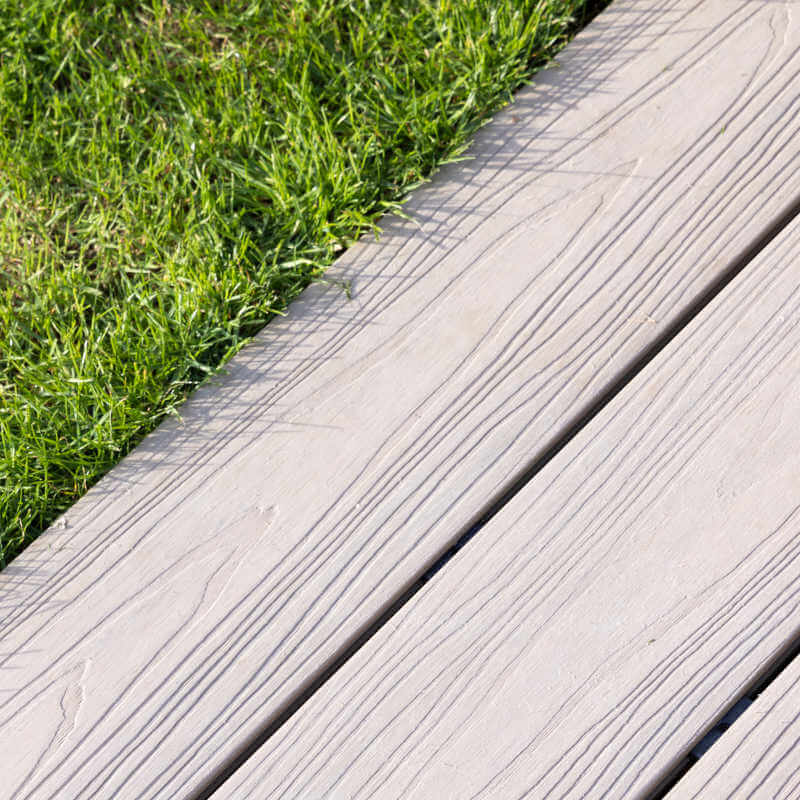
Aesthetics: Modern composite boards are designed to replicate the look of real wood with natural textures and a wide range of colours.
Cost: While the upfront cost of composite decking is often higher, you save money over time thanks to lower maintenance requirements.
So, is composite decking worth it? For many homeowners, the answer is a resounding yes. Especially when considering its longevity and minimal upkeep.
Pros and Cons of Composite Decking
Pros:
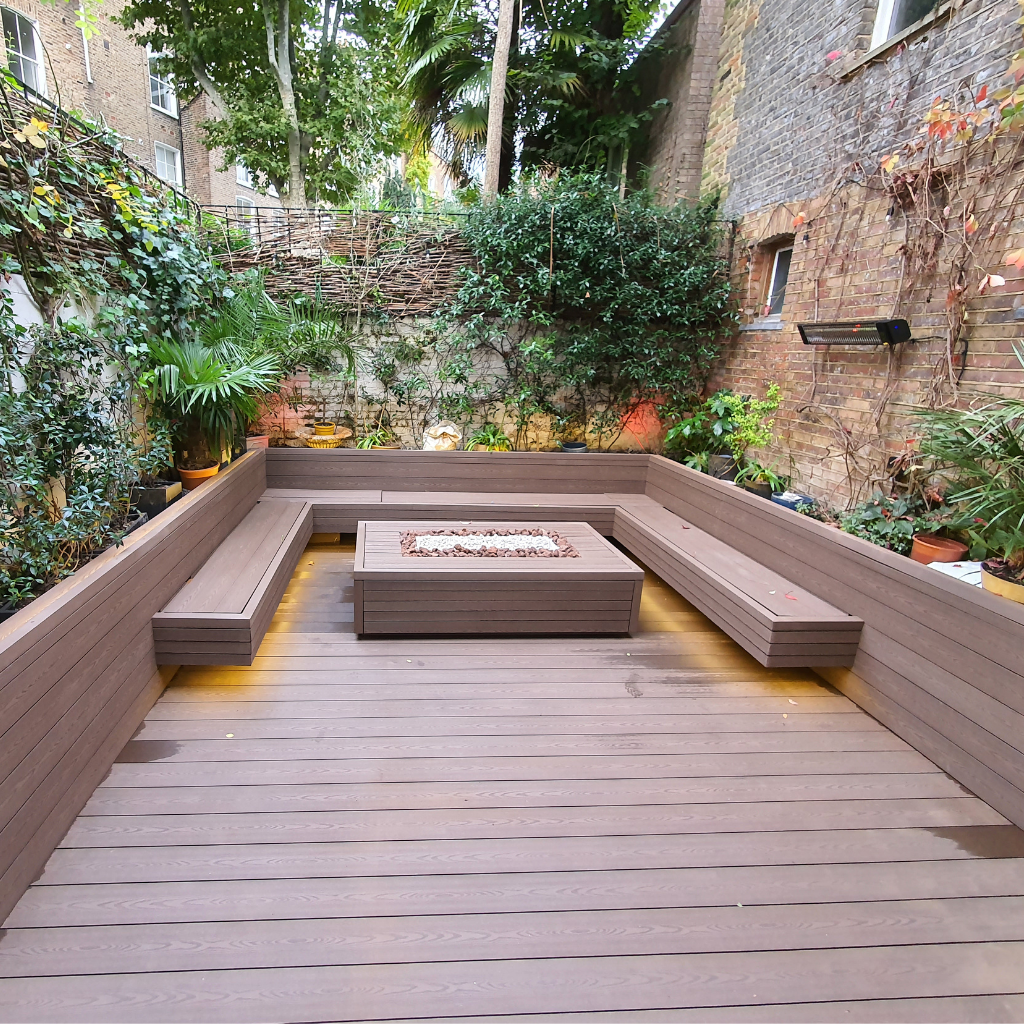
Low maintenance: no painting, staining, or sealing required.
Long lifespan: composite decking can last 25–30 years.
Eco-friendly: often made from recycled materials.
Splinter-free and slip-resistant: safer for families and pets.
Colour stability: resists fading in the sun.
Cons:
Higher initial cost than timber.
Not always paint-friendly
Some lower-quality boards may still fade or stain over time.
What Materials Are Used in Composite Decking?
Composite decking material typically includes:
Wood fibres or flour for natural appearance and rigidity.
Recycled plastic (like shopping bags and bottles) for strength and moisture resistance.
Additives for UV protection, colouring, and mould resistance.
This combination creates a highly robust and weather-resistant material ideal for outdoor use.
What Is Composite Decking and How Long Does Composite
Decking Last?
One of the biggest advantages of composite decking is its impressive lifespan. With proper care, composite decking can last between 25 and 30 years, significantly longer than untreated timber. Premium capped composite boards provide even more protection against fading, staining, and scratching.

Is Composite Decking Better for the Environment?
Yes, composite decking is often seen as the greener choice. Manufacturers use recycled wood and plastic, diverting waste from landfills. Plus, since composite decking lasts longer and doesn’t require toxic stains or sealants, its overall environmental impact is reduced.
Common Myths About Composite Decking
Myth: Composite decking looks fake.
Fact: Modern designs mimic natural wood grain beautifully.
Myth: Composite boards are slippery.
Fact: Most products include slip-resistant finishes that outperform many timber decks.
Myth: Composite decking can’t handle extreme climates.
Fact: High-quality composite boards are engineered to expand and contract with temperature changes, maintaining their structural integrity.
How Composite Decking Performs in Different Climates
Composite decking performs exceptionally well in various climates, from coastal regions with high humidity to hot, dry areas prone to cracking and splitting in wood. Its resistance to moisture and UV damage makes it ideal for nearly any environment.
Is Composite Decking Safe for Families & Pets?
Absolutely. Composite decking is splinter-free and slip-resistant, making it an excellent choice for households with children and pets. Many boards are also designed to stay cooler underfoot in direct sunlight, providing additional comfort during summer months.

How Composite Decking Impacts Property Value
Investing in composite decking can significantly enhance your home’s curb appeal and resale value. Buyers appreciate its long lifespan, aesthetic appeal, and minimal maintenance requirements. A well-designed composite deck can be a real selling point.
Can Composite Decking Be Painted?
Technically, yes, but it’s not advised. Composite boards are manufactured with colours and finishes designed to last decades. Painting will require regular upkeep, undermining the product’s low-maintenance appeal.
How Much Is Composite Decking?
Many homeowners ask, “how much is composite decking?” The cost varies depending on the brand, style, and quality of the boards. On average, you can expect to pay more upfront than timber, but the long-term savings on maintenance and replacement make it a worthwhile investment.
EnviroBuild’s Explorer and Frontier composite decking ranges offer premium quality at accessible prices:
Explorer Range: This entry‑level series features capped composite boards, and matching trims and fascia, at £29.99 per 4 m board. Ideal for homeowners seeking a natural wood look with durability on a tighter budget. It comes with a up to 15-year warranty
Frontier Range: Positioned as a higher-end option, Frontier boards are £41.99 per 4 m solid board, with edge and bullnose trims matching that rate. These include a 25-year fade-and-stain warranty and superior protective capping.
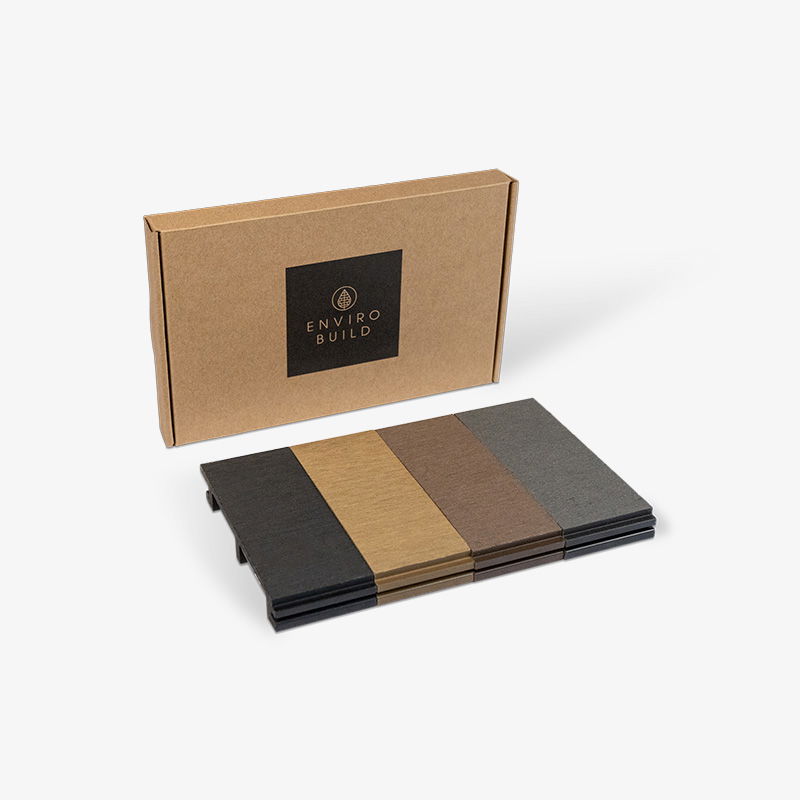
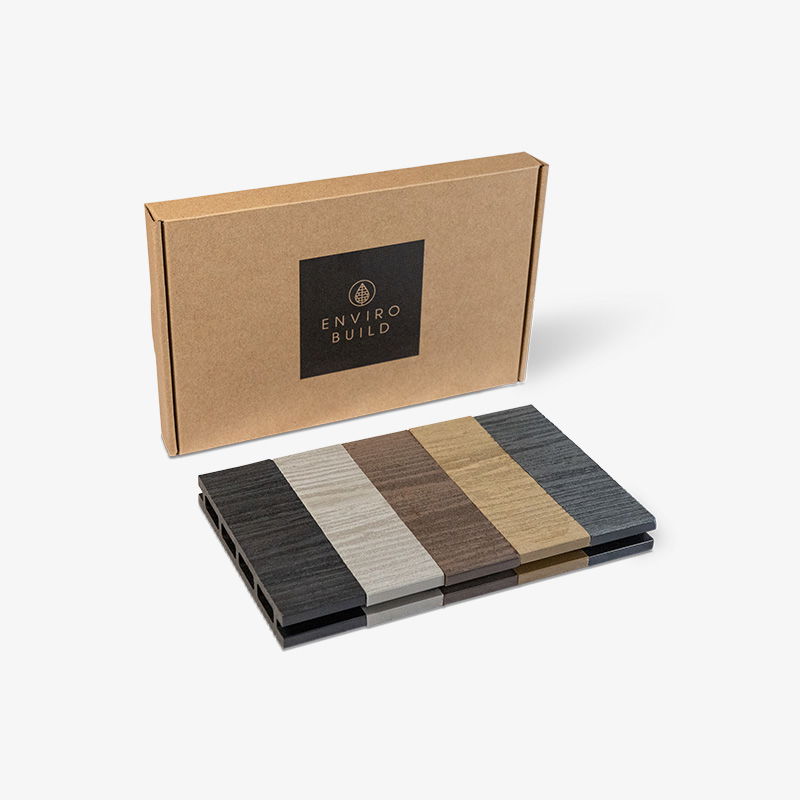
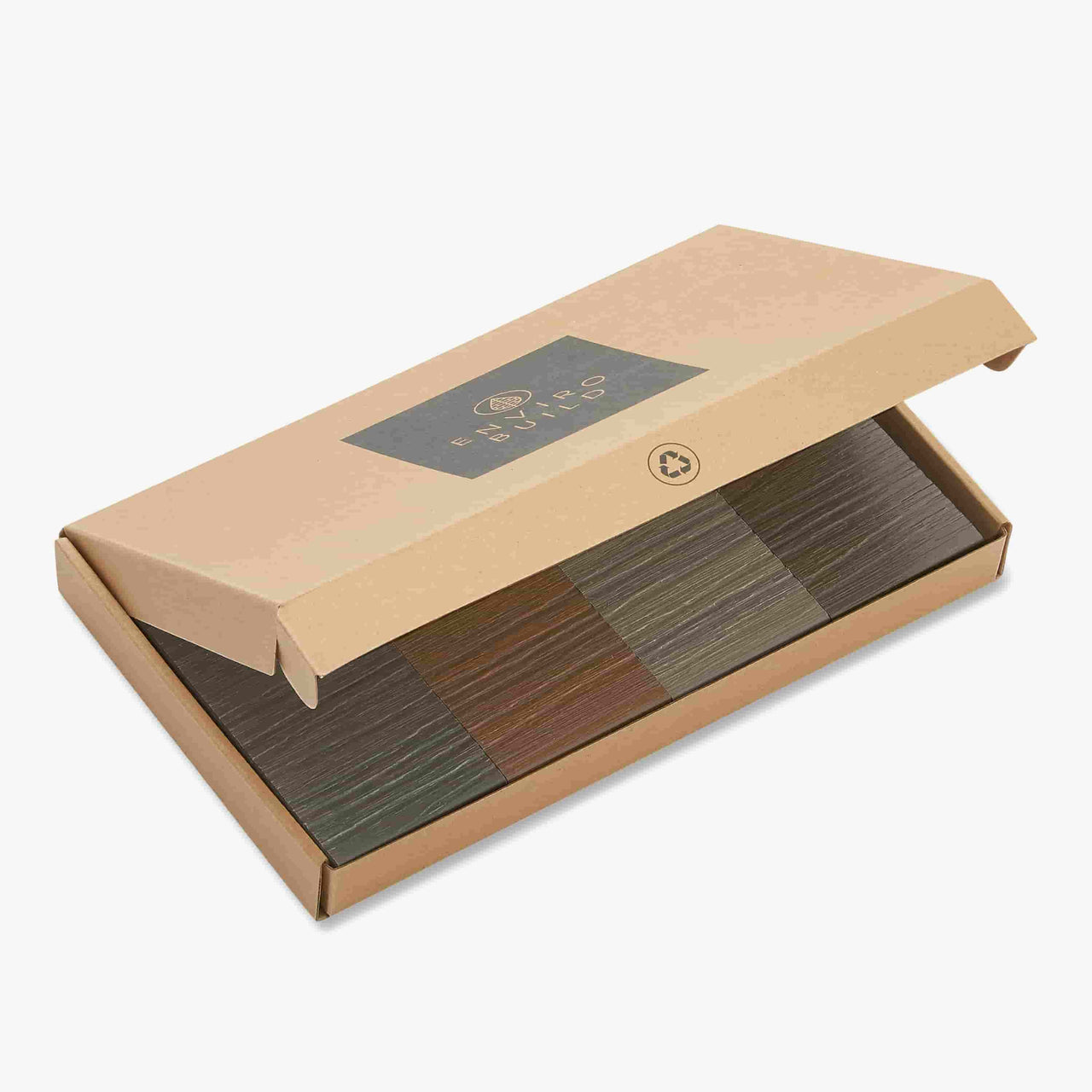
So, how much is composite decking from EnviroBuild? Depending on the range, you're looking at roughly £30 – 42 per 4 m board, exclusive of substructure, fixings, and installation. Both ranges qualify for free sample packs,
Explorer and Frontier, so you can test colours and textures before committing.
What Is Composite Decking and Why Choose It?
Now that you know what is composite decking and how it compares to traditional wood, the decision comes down to your priorities. If you value durability, low maintenance, and eco-friendly materials, composite decking is a fantastic investment for your outdoor living space.
At EnviroBuild, we provide premium composite decking solutions designed to suit a wide range of styles and budgets. Explore our collection and find the perfect decking to transform your garden. Contact our friendly team today on 020 8088 4888 or email us at info@envirobuild.com .