
PAS 9980 Compliance: What It Means for UK Blocks of Flats
PAS 9980:2022 is a British Standards Institution code of practice that gives fire engineers a structured method for appraising fire risk in the external walls and cladding of existing residential blocks of flats. It underpins Fire Risk Appraisals of External Walls (FRAEW) and helps building owners judge whether remediation is genuinely needed, rather than defaulting to wholesale cladding removal.

Author Name
Chief Writer
Thu, 28 Jul 2026
PAS 9980 Compliance: What It Means for UK Blocks of Flats
PAS 9980:2022 is a British Standards Institution code of practice that gives fire engineers a
structured method for appraising fire risk in the external walls and cladding of existing
residential blocks of flats. It underpins Fire Risk Appraisals of External Walls (FRAEW) and
helps building owners judge whether remediation is genuinely needed, rather than
defaulting to wholesale cladding removal.
At a Glance
What it is: PAS 9980:2022 — Fire risk appraisal and remediation of external wall construction and cladding of existing blocks of flats. Code of practice, published by BSI in January 2022.
What it is not: It is not a law, an Approved Document, or a product certification scheme. It is guidance that competent fire engineers use to structure a judgement-based risk appraisal.
Who needs one: Owners, freeholders and managing agents of existing multi-occupancy residential blocks with combustible or unknown external wall constructions — commissioned on a building-by-building basis, at any height.
Related instrument: EWS1 — a separate RICS/UK Finance valuation form. A FRAEW can provide evidence for an EWS1 decision but does not replace it.
Wider legal framework: The Building Safety Act 2022 (Higher-Risk Building regime, regulated by the Building Safety Regulator) and the Building Regulations 2010 ban on combustible materials sit alongside, not inside, PAS 9980.
What is PAS 9980:2022?
PAS 9980 (“PAS” stands for Publicly Available Specification) is a code of practice developed by BSI, with input from government, industry and the fire engineering profession, following the Grenfell Tower fire of June 2017, in which 72 people died. Published in January 2022, it gives fire risk assessors a consistent, holistic methodology for evaluating fire risk in external wall systems — cladding panels, insulation, cavity barriers, balconies, windows and how they interact — rather than judging each component against a simple pass/fail checklist.
It addresses widely criticised inconsistency in post-Grenfell assessments. Many earlier assessments relied on government “Consolidated Advice Notes” applied too broadly, prompting surveyors and lenders to flag risk — and demand costly remediation or block sales — even where actual fire risk was low.
PAS 9980 brings proportionality: an assessor weighs the building’s construction, means of escape, compartmentation, height and management arrangements, then recommends remediation, interim mitigation (such as improved detection or a waking watch), or no action, according to the risk actually identified.
Importantly, PAS 9980 applies to existing buildings. It is a risk-appraisal and remediation-prioritisation tool, not a design standard for new construction — that role is played by Approved Document B and the Building Regulations’ ban on combustible materials (covered below).
Who needs a PAS 9980 assessment?
A PAS 9980-based Fire Risk Appraisal of External Walls (FRAEW) is typically commissioned for an existing block of flats where:
The external wall construction includes cladding, insulation
or balconies of unknown or combustible composition.
A mortgage lender, valuer or insurer has requested evidence of external wall fire risk (often triggered by an EWS1 request).
The building’s Fire Risk Assessment (required under the Fire Safety Order 2005, as amended by the Fire Safety Act 2021) identifies the external wall as a risk that needs specialist appraisal.
The building is, or may be, a Higher-Risk Building under the Building Safety Act 2022 and its “Accountable Person” needs to evidence how external wall risk is being managed.
There is no statutory duty stating “every building must have a PAS 9980 assessment”. Instead, the duty to manage fire risk comes from the Fire Safety Order and, for Higher-Risk Buildings, the Building Safety Act. PAS 9980 is the recognised, competent way of discharging that duty in relation to external walls — which is why it has become the de facto industry standard referenced by RICS, lenders, insurers and the Building Safety Regulator.
How does PAS 9980 differ from EWS1?
This is one of the most common points of confusion, and it matters for accuracy:
EWS1
is a one-page form developed by RICS, UK Finance and the Building Societies Association purely to support mortgage valuation. A valuer or fire engineer completes it to give lenders a simple A1/A2/A3/B1/B2 risk rating for a residential building with cladding.
PAS 9980 / FRAEW
is a detailed, evidenced technical appraisal carried out by a fire engineer. It is far more thorough than an EWS1 form and produces a full report with an executive summary, findings and recommendations.
RICS has been explicit that a FRAEW report is not an alternative to an EWS1 form — they serve different audiences. A robust FRAEW can support or evidence an EWS1 rating, and RICS guidance anticipates more valuations relying on FRAEW-based evidence over time. But a FRAEW does not itself satisfy a lender’s request for an EWS1, and one cannot be substituted for the other. RICS’ latest EWS1 valuation guidance (a second edition, effective from 1 November 2026) also tightened the proportionate criteria for when an EWS1 is required on lower-rise buildings, reflecting government data showing fewer than one in ten flat valuations now need one.
What does a PAS 9980 / FRAEW assessment actually involve?
A PAS 9980-compliant FRAEW typically includes:
Desktop review
of the building’s design, construction records, previous fire risk assessments and any known material specifications.
Site inspection
of the external wall build-up, including intrusive investigation where drawings are incomplete or unreliable.
Risk evaluation
considering fire spread potential, means of escape, compartmentation, height, occupancy type and existing fire safety management (e.g. detection, sprinklers, waking watch).
A reasoned, proportionate judgement
— not a blanket “combustible = fail” rule — on whether remediation, interim mitigation, or no further action is appropriate.
A written report with an executive summary
suitable for sharing with residents, lenders, insurers and, where relevant, the Building Safety Regulator.
A remediation and monitoring plan
where risk is identified, including timescales and review points.
The competent person carrying this out must, under PAS 9980, act impartially and resist commercial or client pressure to reach a predetermined conclusion — a safeguard added specifically because of concerns about inconsistent or overly conservative assessments in the years after Grenfell.
Related standards and instruments at a glance
Instrument
Type
What It Covers
Applies To
PAS 9980:2022
BSI code of practice
Methodology for appraising and prioritising external wall fire risk
Existing blocks of flats, any height
FRAEW
Assessment/report
The output document produced using the PAS 9980 methodology
A specific building, commissioned by the owner/Accountable Person
EWS1
RICS/UK Finance valuation form
Standardised external wall risk rating for mortgage lending
Residential blocks with cladding, at point of sale/remortgage
Building Safety Act 2022
Primary legislation
Higher-Risk Building regime, Accountable Persons, leaseholder cost protections, Building Safety Regulator
Higher-Risk Buildings (≥18m or ≥7 storeys, ≥2 residential units); leaseholder protections extend to buildings over 11m
Approved Document B (Volume 2)
Statutory guidance
Fire safety guidance for the design of new buildings, including external wall construction
New buildings and material alterations
Combustible materials ban (Building Regulations 2010, Reg 7(2), as amended)
Regulation
Requires relevant wall materials to meet European Class A2-s1,d0 or A1
Buildings with a storey at least 18m above ground containing dwellings or specified institutions; extended in 2022 to hotels, hostels and boarding houses. A further extension to buildings with a storey at 11m has been consulted on but is not yet in force
BS EN 13501-1
Product test standard
Euroclass reaction-to-fire classification (A1, A2, B, C, D, E, F, with s/d suffixes for smoke and burning droplets)
Individual construction products and materials
What fire classification do external wall materials need?
Under the Building Regulations 2010 (as amended), materials used in specified elements of external wall construction on a “relevant building” — broadly, one with a storey at least 18 metres above ground containing dwellings, or institutions such as care homes, hospitals or student accommodation, plus (since 2022) hotels, hostels and boarding houses — must achieve European Class A2-s1,d0 or Class A1 when tested to BS EN 13501-1. Class A1 materials do not contribute to a fire at any stage; Class A2-s1,d0 materials do not significantly contribute to fire load or growth, produce minimal smoke, and do not exhibit flaming droplets. Some components (such as gaskets, membranes, seals and window frames) are exempted where recognised alternative provisions apply.
The ban came into force on 21 December 2018 at the 18-metre threshold and was extended in 2022 to hotels, hostels and boarding houses. Government has since consulted on lowering the threshold to 11 metres following fires in lower-rise buildings, but as of mid-2026 that change is not in force — 18 metres remains the current legal threshold for the combustible materials ban. This is distinct from the 11-metre threshold that already applies under the Building Safety Act 2022 for leaseholder cost protections and remediation funding, which is a financial/legal protection, not a construction material standard.
For buildings below 18 metres, and for existing buildings being appraised rather than newly designed, Approved Document B’s product classification requirements do not automatically apply — the gap a PAS 9980 fire engineer’s judgement is meant to fill, by assessing actual risk rather than applying the new-build rule retrospectively.
Where decking, cladding and balcony products fit in — and what “PAS 9980 compliant” really means
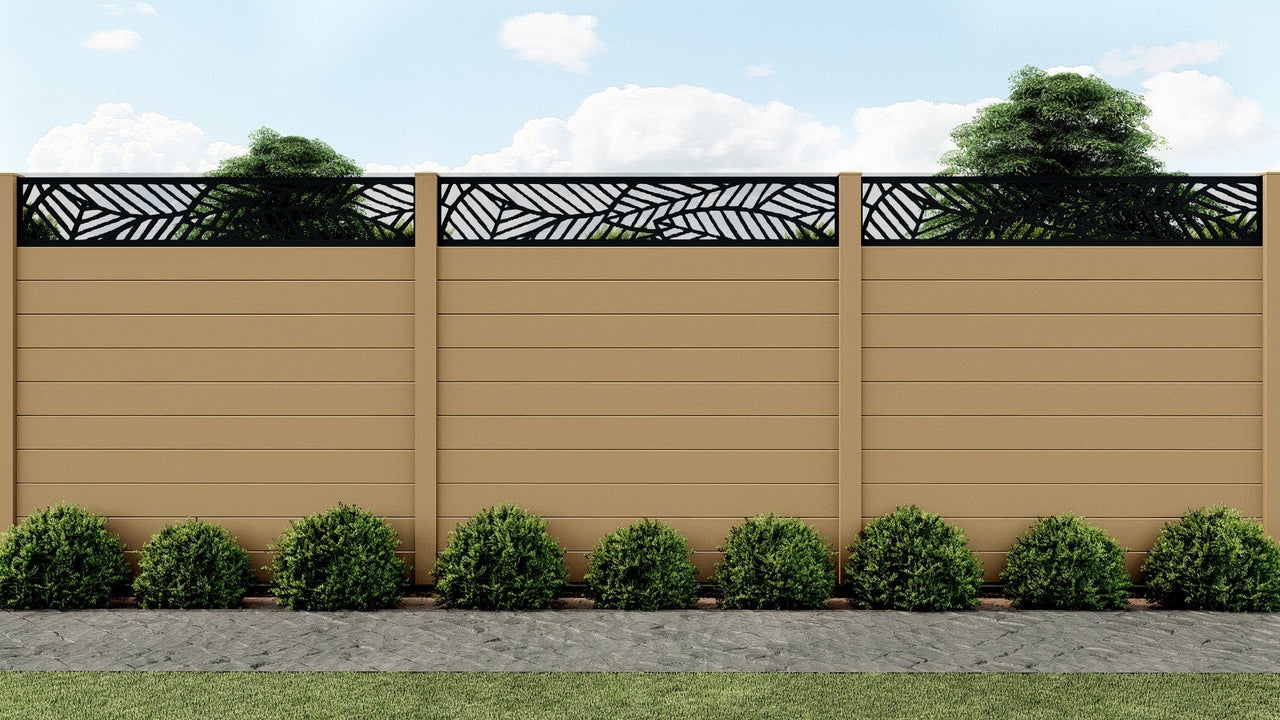
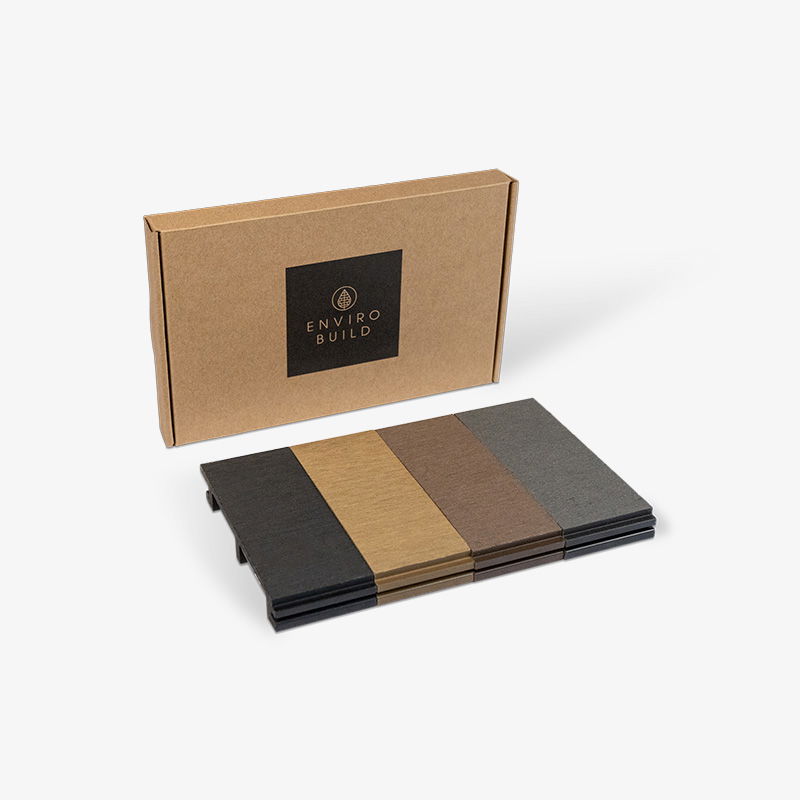
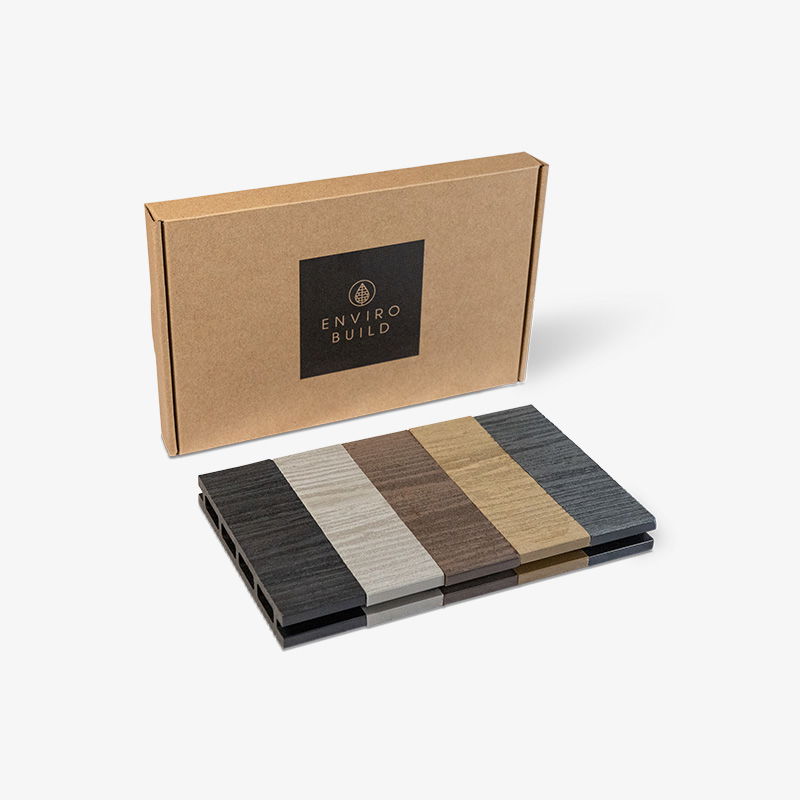
Timber-alternative decking, cladding and balustrade products can form part of a building’s balconies or external wall build-up, so their reaction-to-fire performance (BS EN 13501-1 Euroclass rating) is one factor a FRAEW assessor will consider — particularly on balconies attached to Higher-Risk Buildings, where Building Regulations have separately restricted balcony materials on new buildings since 2020.
It’s worth being precise about terminology: no product can accurately be described as “PAS 9980 compliant.” PAS 9980 is a risk-appraisal methodology applied to a whole building by a fire engineer — it does not certify individual products. A manufacturer’s product can hold a specific Euroclass fire classification (e.g. Class B or C to BS EN 13501-1) that is relevant evidence for a FRAEW assessor to weigh, but the product itself cannot pass or fail “PAS 9980.” A supplier describing products as “PAS 9980 compliant” should be understood loosely as “has fire performance data relevant to a PAS 9980-based appraisal” — and buyers should confirm exact classification data and test evidence directly with the manufacturer’s technical team before specifying, rather than relying on that phrase alone.
EnviroBuild supply a range of aluminium and fibre cement decking, aluminium cladding and aluminium balustrade with a Reaction to Fire of at least Class A2 rating, meaning they can be used on buildings over 18m. You can speak to the expert team to understand what products can be used on your project.
Frequently asked questions
Is PAS 9980 a legal requirement?
No. PAS 9980 itself is not legislation — it is a code of practice. The legal duties come from the Fire Safety Order 2005 (as amended) and, for Higher-Risk Buildings, the Building Safety Act 2022. PAS 9980 is the recognised competent methodology for meeting those duties in relation to external wall fire risk.
Who can carry out a PAS 9980 / FRAEW assessment?
A suitably qualified and experienced fire engineer or fire risk assessor with specific competence in external wall fire risk. PAS 9980 sets out expected competency levels and requires assessors to act impartially, free from client or commercial pressure to reach a particular conclusion.
Does a FRAEW replace the need for an EWS1 form?
No. RICS is explicit that a FRAEW report is not an alternative to EWS1 — they serve different audiences (fire safety management versus mortgage valuation). A FRAEW can support or evidence an EWS1 rating, but a lender’s specific request for an EWS1 form is not satisfied by a FRAEW alone.
Does PAS 9980 apply to buildings under 18 metres?
Yes. PAS 9980 applies to existing blocks of flats “at any height” — it is not tied to the 18-metre threshold used elsewhere in fire safety legislation. Height is one of many factors an assessor weighs when judging risk, not a cut-off for whether an appraisal is relevant.
What happens if a FRAEW identifies a fire risk?
The assessor will recommend a proportionate response, which may range from enhanced fire safety management (better detection, evacuation procedures, a temporary waking watch) through to a fully costed and timetabled remediation plan for the external wall, depending on the severity of risk identified.
Can building products be marketed as “PAS 9980 compliant”?
Not accurately in the strict sense — PAS 9980 assesses whole buildings, not individual products. Suppliers should instead cite the specific Euroclass fire classification (BS EN 13501-1) of their products and let a competent fire engineer determine relevance within a FRAEW. Buyers should ask manufacturers to confirm test evidence directly rather than relying on general compliance claims.
Disclaimer
This article is general guidance for information purposes only. It is not legal advice, fire engineering advice, or a substitute for a site-specific Fire Risk Assessment or Fire Risk Appraisal of External Walls. Building owners, Accountable Persons and managing agents should engage a suitably qualified, competent fire risk assessor or fire engineer, and where appropriate a solicitor, before making decisions about remediation, EWS1 status, or compliance with the Building Safety Act 2022.
Sources
BSI — PAS 9980: Fire risk appraisal of external walls and cladding of flats
RICS — What you need to know about PAS 9980 (Built Environment Journal)
House of Commons Library — Remediating cladding on blocks of flats under 11 metres
legislation.gov.uk — The Building etc. (Amendment) (England) Regulations 2022 (SI 2022/603)
Designing Buildings Wiki — Definition of higher-risk buildings
Logic4Training — Building Safety Regulator becomes standalone body
Download PAS 9980