
What Is Artificial Lumber and Why Is It Better Than
Traditional Timber?
In recent years, artificial lumber has become a preferred choice for homeowners, builders, and landscapers across the UK. From stylish decks to long-lasting cladding and fencing, artificial lumber is making a strong case for replacing traditional wood. But what exactly is artificial lumber, and why is it gaining popularity over natural timber?
This blog explores the rise of artificial lumber in the UK, its benefits in terms of durability, maintenance, and sustainability, and why it’s the smarter long-term investment for outdoor and construction projects. We'll also highlight how EnviroBuild’s artificial lumber solutions stand out in the market.

Author Name
Chief Writer
Thu, 28 Jul 2026
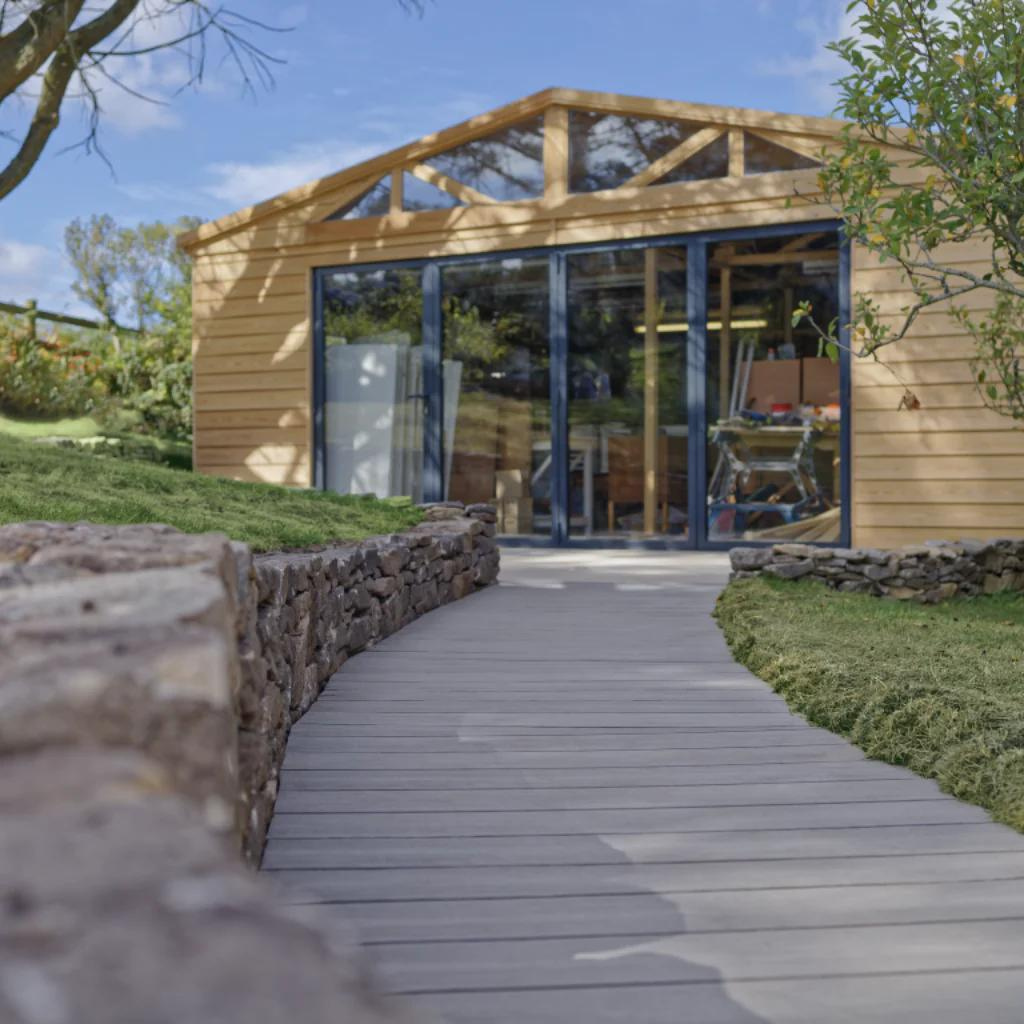
What Is Artificial Lumber?
Artificial lumber is a manufactured building material designed to replicate the look and function of natural wood while offering greater durability and lower maintenance. It is typically made from recycled plastics, wood fibres, or a combination of both, forming materials such as plastic lumber and composite lumber commonly used in outdoor construction.
Unlike traditional timber, artificial lumber is engineered to resist moisture, rot, insects, and UV damage, making it ideal for applications such as decking, fencing, and artificial wood cladding. Because many products are made from recycled materials and designed to last for decades, artificial lumber is increasingly viewed as a more sustainable and long-lasting alternative to natural wood in the UK.
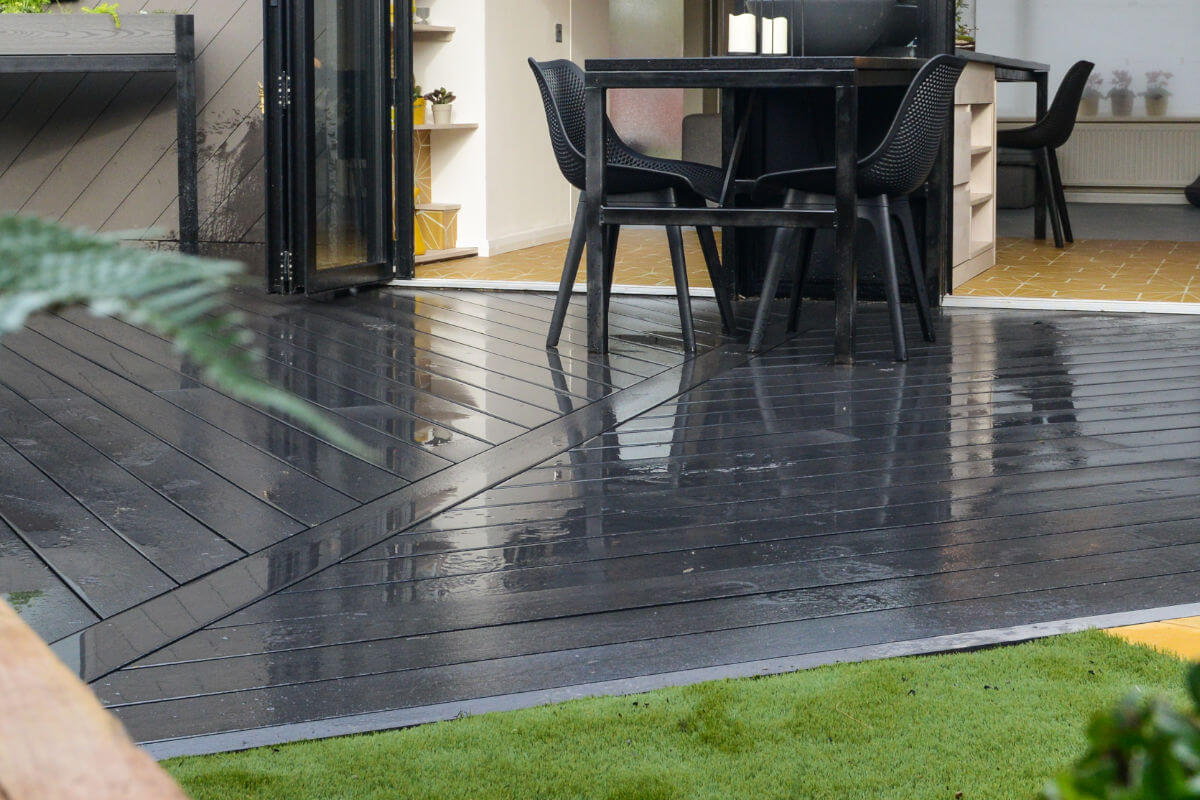
Wood Lumber vs Plastic Lumber vs Composite Lumber in the UK
In the UK, outdoor building projects typically use three main types of lumber: traditional timber, plastic lumber, and composite lumber. Each material differs in how it is made, how it performs outdoors, and how much maintenance it requires.
Timber lumber is natural wood harvested from trees and cut into boards. It has been used for centuries in construction but requires regular treatment to prevent rot, warping, and insect damage.
Plastic lumber is manufactured entirely from recycled plastic. Because it contains no organic material, it is highly resistant to water, insects, and rot, making it suitable for damp or coastal environments.
Composite lumber blends recycled wood fibres with recycled plastics. This combination provides the appearance of natural timber while improving durability, moisture resistance, and overall longevity.
How Each Type of Lumber Is Made
Different types of lumber are produced in very different ways, which directly affects their durability, maintenance needs, and environmental impact. Understanding how composite lumber, plastic lumber, and traditional timber are made helps explain why artificial lumber products often perform better in outdoor environments.
Composite lumber: Composite lumber is produced by combining recycled wood fibres with recycled plastics and bonding agents. The mixture is heated and extruded into boards, which can then be textured to resemble natural timber. Pigments provide colour variation, while UV stabilisers help maintain colour over time.
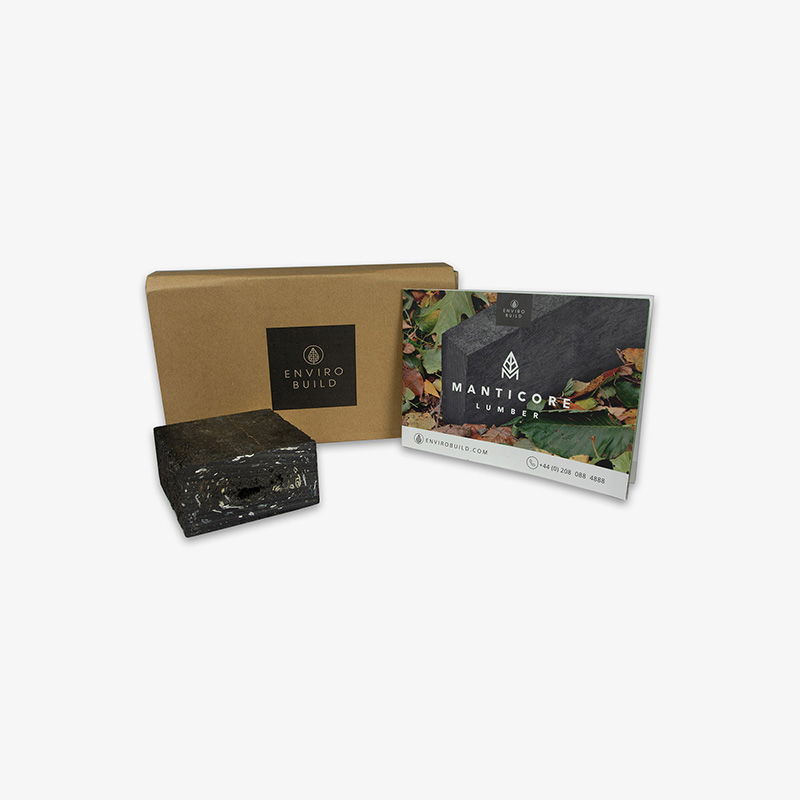
Plastic lumber: Plastic lumber is made by melting down post-consumer plastics, such as milk jugs and plastic bags, and moulding them into solid boards. The result is a dense, waterproof material often used in heavy-duty outdoor applications.
Timber lumber: Traditional timber is harvested from trees, cut into planks, kiln-dried, and often treated with preservatives to extend its lifespan. While renewable when responsibly sourced, timber can be vulnerable to rot, insects, and weather-related damage over time.
Artificial Lumber Deck vs Traditional Timber Durability
Artificial lumber is quickly becoming a preferred material for UK homeowners who want outdoor spaces that last longer with less maintenance. While timber has long been used for decking and garden structures, modern artificial lumber offers significant advantages when it comes to durability, weather resistance, and long-term performance.
In the UK’s damp climate, natural timber often struggles to withstand constant moisture and seasonal temperature changes. Even treated wood can eventually warp, crack, splinter, or develop rot over time. Artificial lumber, by contrast, is engineered to resist moisture, frost, UV exposure, and insects, helping it maintain both its structural strength and appearance for many years.
For homeowners installing an artificial lumber deck, this means fewer repairs and a surface that remains stable and attractive without the constant upkeep associated with traditional timber.
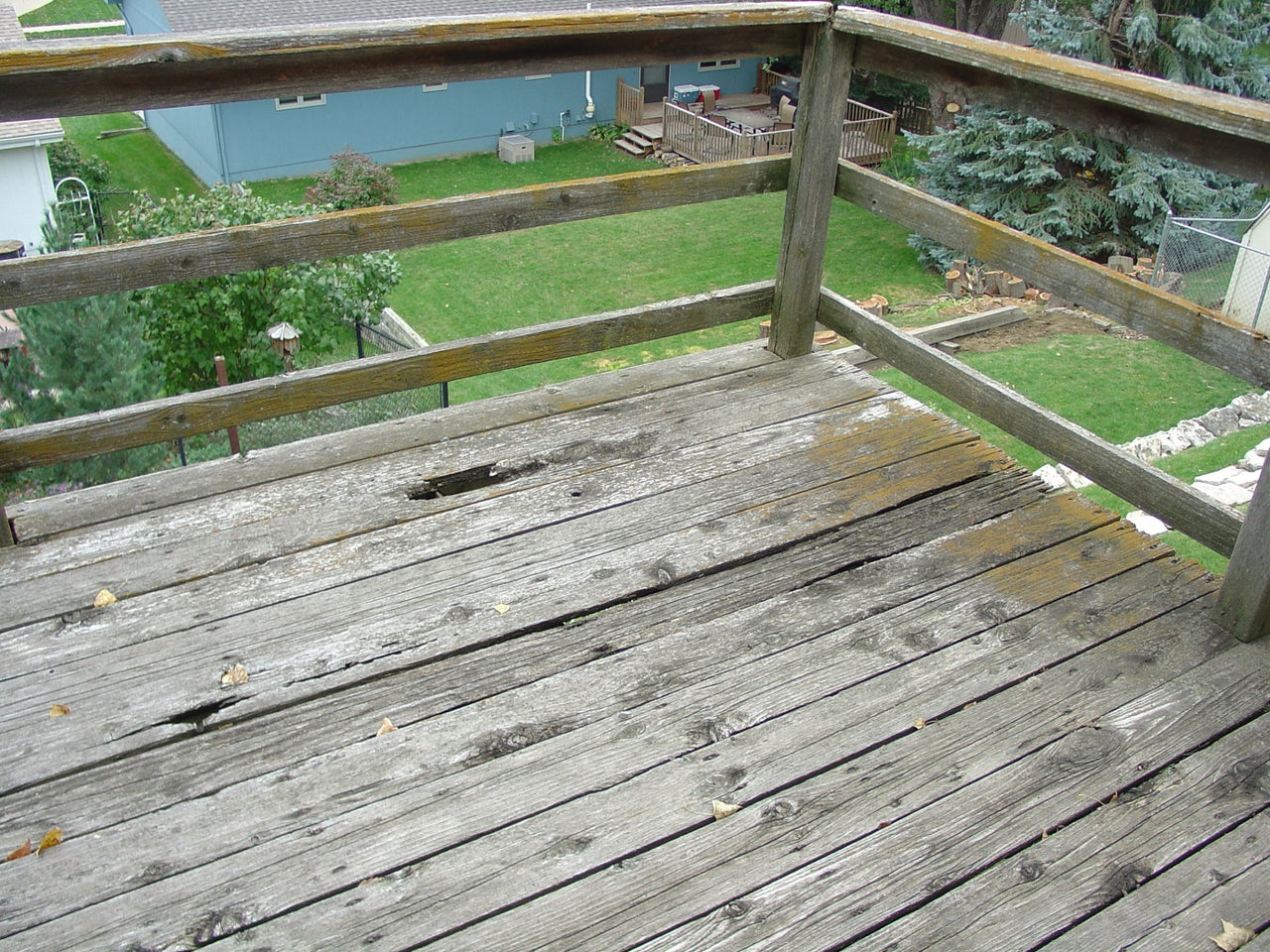
Why Composite and Recycled Plastic Lumber Last Longer
Composite and recycled plastic lumber are specifically designed to handle demanding outdoor environments. Because these materials contain recycled plastics and engineered fibres, they are far less susceptible to the common problems that affect natural wood.
Composite wood plastic lumber offers several durability advantages:
Rot and Insect Resistance: Unlike natural timber, composite and plastic lumber do not provide an organic food source for insects and will not decay when exposed to moisture.
Moisture Protection: Non-porous surfaces help prevent water absorption, making artificial lumber suitable for damp gardens, coastal areas, and high-rainfall regions.
Structural Stability: Artificial lumber boards are less likely to warp, crack, or split, helping decks and cladding maintain their shape over time.
Low-Maintenance Living With Artificial Lumber
One of the biggest reasons homeowners choose composite or artificial lumber is the minimal maintenance required. Timber decks often need sanding, staining, sealing, or oiling each year to protect them from weather damage. Artificial lumber removes much of this ongoing work.
Key maintenance benefits include:
No Sanding, Sealing, or Staining: Artificial lumber maintains its appearance without seasonal treatments.
Resistant To Rot And Mould: Engineered composite boards are designed to resist biological breakdown.
Colour Retention: High-quality products, such as those from EnviroBuild, include UV stabilisers that help prevent excessive fading.
Easy Cleaning: Most surfaces only require occasional washing with water, mild soap, and a soft brush.
Over time, these advantages translate into significant savings in both maintenance costs and labour, making artificial lumber a practical long-term investment for outdoor spaces.
Energy Consumption in Composite Decking Manufacturing
Artificial lumber is widely recognised as a more environmentally responsible alternative to traditional timber. By using recycled materials and lasting significantly longer than natural wood, plastic and composite lumber help reduce waste, conserve natural resources, and lower the environmental impact of outdoor construction.
Key sustainability benefits include:
Made From Recycled Materials: Plastic lumber is often produced from recycled plastics, while composite lumber combines recycled plastics with reclaimed wood fibres. This process diverts waste from landfills and gives discarded materials a new purpose.
Reduces Demand For Virgin Timber: Choosing artificial lumber helps decrease reliance on newly harvested wood, which can contribute to deforestation and habitat disruption when not managed responsibly.
Longer Product Lifespan: Because artificial lumber is engineered to resist rot, moisture, and insects, it typically lasts much longer than untreated timber. Materials that last longer require fewer replacements, reducing overall resource consumption.
Lower Use Of Chemicals: Traditional timber often requires stains, sealants, and preservatives to maintain performance outdoors. Artificial lumber generally requires none of these treatments, helping reduce chemical runoff into soil and waterways.
When comparing the full lifecycle of artificial lumber to natural timber, the environmental impact is often significantly lower. This is especially true when materials are responsibly manufactured, such as EnviroBuild products made from up to 90% recycled content and produced using renewable wind energy.
Artificial Wood Cladding: A Modern Exterior Option
Artificial wood cladding is becoming an increasingly popular choice for UK homeowners who want the appearance of natural timber without the maintenance challenges. Designed to withstand the British climate, it provides a durable, weather-resistant exterior finish while maintaining a clean and modern aesthetic.
Key benefits of artificial wood cladding include:
Moisture Resistance: Ideal for wet British weather, artificial wood cladding repels water and helps prevent issues such as rot, swelling, and weather damage.
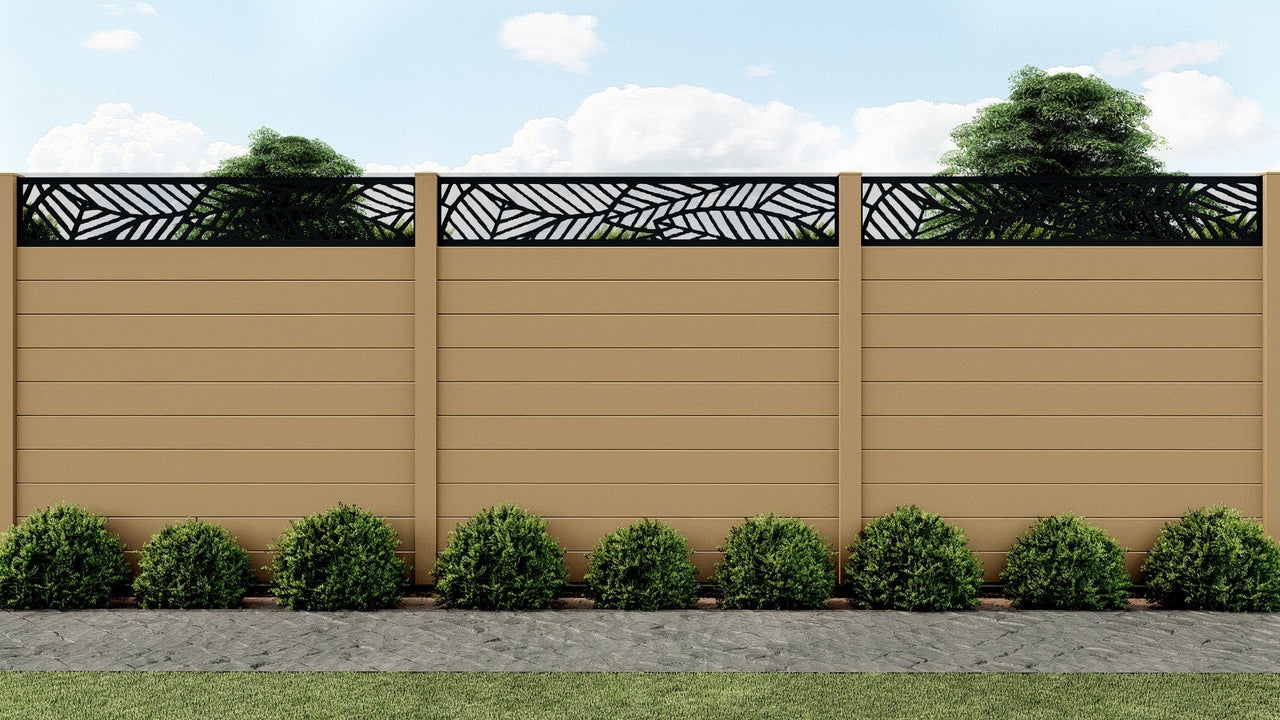
Design Flexibility: Available in a range of textures and finishes, it allows homeowners to achieve anything from a traditional timber appearance to a sleek contemporary look.
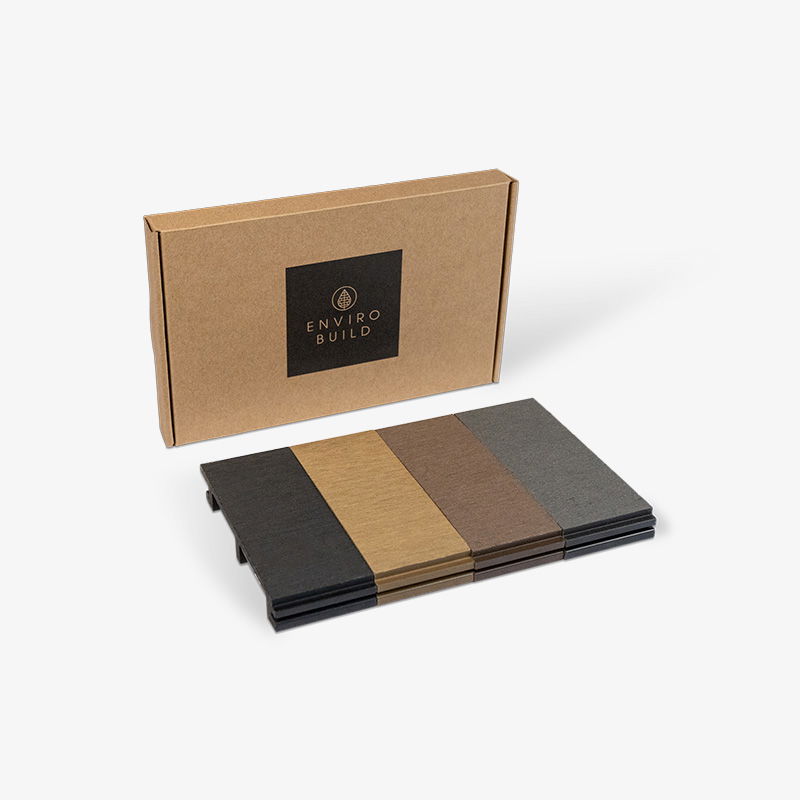
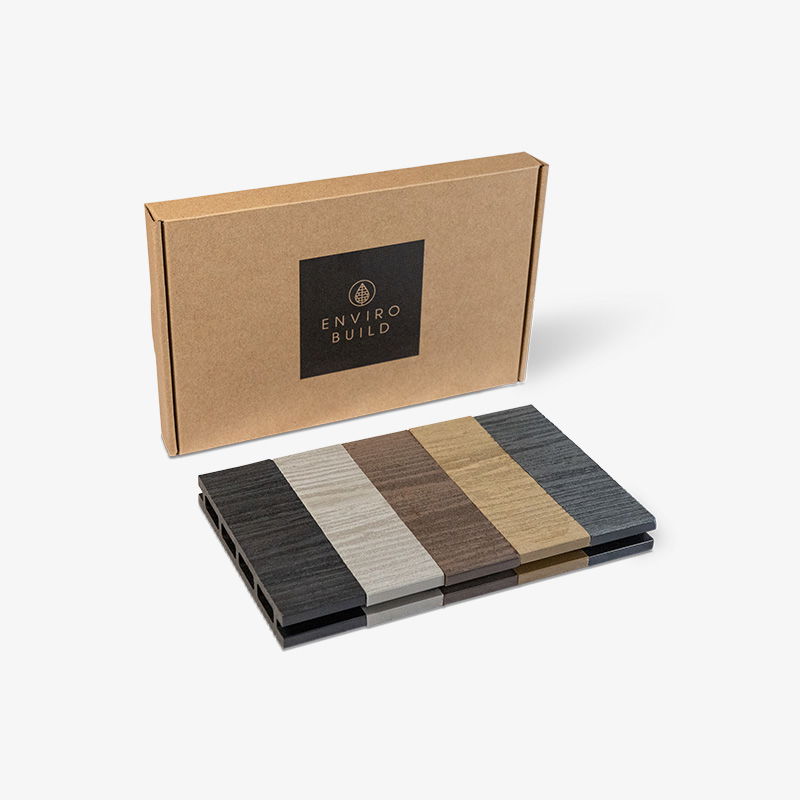
Modern Colour Options: EnviroBuild offers rich browns and modern greys that complement both contemporary architecture and more traditional homes.
Ease of Installation: Lightweight and engineered for simple installation, many systems help reduce labour time while ensuring a secure and professional finish.
Whether you are upgrading a garden room, modernising an exterior wall, or cladding an entire façade, artificial wood cladding offers long-lasting style with minimal upkeep.
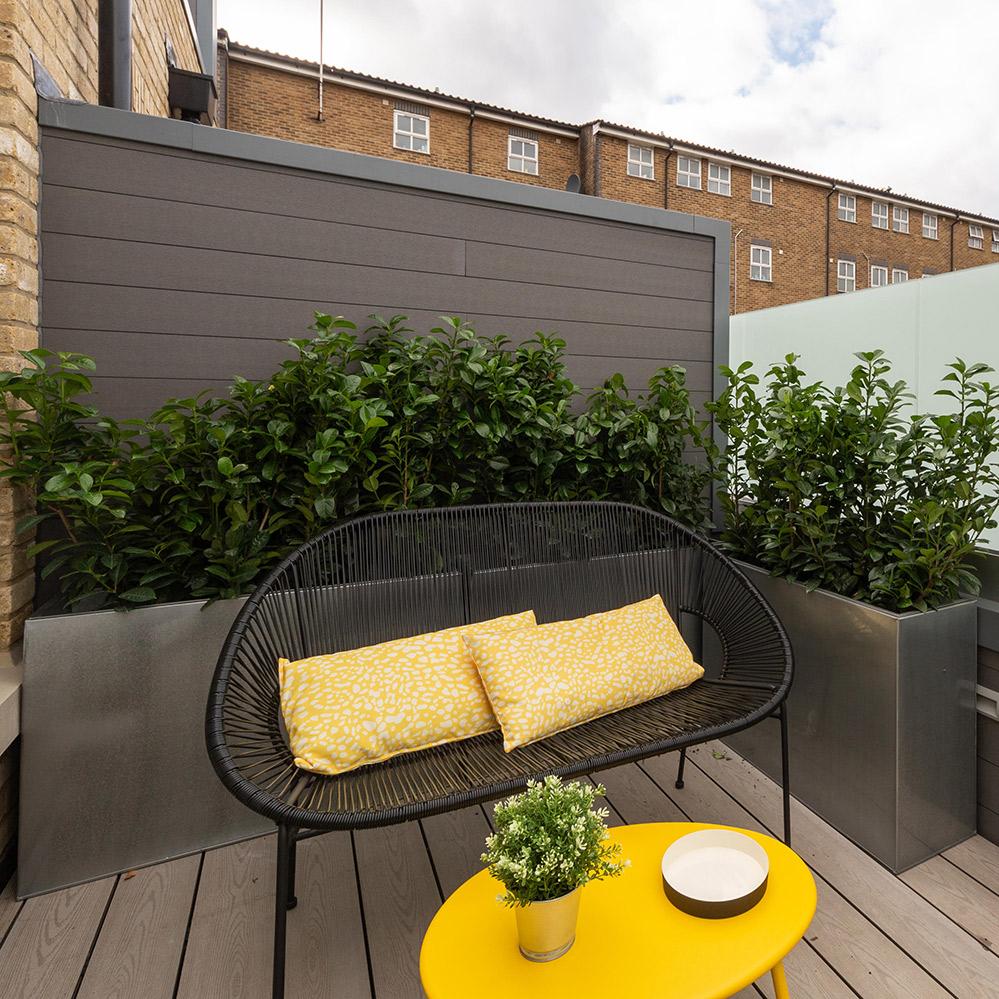
Composite Lumber Prices: What to Expect in the UK
Many homeowners wonder how composite lumber prices compare to traditional timber when planning an outdoor project. While the initial cost can be higher, it is important to consider durability, maintenance, and long-term value when comparing materials.
Initial Costs: Composite lumber prices are typically higher upfront than basic timber. However, this difference is often balanced by the longer lifespan and reduced maintenance requirements of artificial lumber.
Cost Factors: Several factors influence composite lumber cost, including board thickness, colour, surface texture, brand quality, and additional components such as hidden fixings or trim pieces.
Long Term Value: When you consider the savings on treatments, repairs, and replacements over the next 20 to 50 years, artificial lumber often proves more cost-effective than traditional timber.
EnviroBuild provides practical cost calculators for cladding, decking, and fencing to help customers estimate how much material they will need for their project. This makes planning and budgeting much easier.
For those searching online for composite lumber for sale, EnviroBuild offers UK-wide delivery along with knowledgeable customer support to help you choose the right materials for your project.
Sustainability and Eco-Friendly Benefits of Plastic and Composite Lumber
Artificial lumber is widely recognised as a more environmentally responsible alternative to traditional timber. By using recycled materials and lasting significantly longer than natural wood, plastic and composite lumber help reduce waste, conserve natural resources, and lower the environmental impact of outdoor construction.
Key sustainability benefits include:
Made From Recycled Materials: Plastic lumber is often produced from recycled plastics, while composite lumber combines recycled plastics with reclaimed wood fibres. This process diverts waste from landfill and gives discarded materials a new purpose.
Reduces Demand For Virgin Timber: Choosing artificial lumber helps decrease reliance on newly harvested wood, which can contribute to deforestation and habitat disruption when forests are not managed responsibly.
Longer Product Lifespan: Because artificial lumber is engineered to resist rot, moisture, and insects, it typically lasts much longer than untreated timber. Materials that last longer require fewer replacements, reducing overall resource consumption.
Lower Use Of Chemicals: Traditional timber often requires stains, sealants, and preservatives to maintain performance outdoors. Artificial lumber generally requires none of these treatments, helping reduce chemical runoff into soil and waterways.
When comparing the full lifecycle of artificial lumber to natural timber, the environmental impact is often significantly lower. This is especially true when materials are responsibly manufactured, such as EnviroBuild products made from up to 90% recycled content and produced using renewable wind energy. EnviroBuild also supports global conservation initiatives through organisations such as the Rainforest Trust
, which works to protect endangered rainforest ecosystems and biodiversity around the world.
Make the Smart Switch to EnviroBuild Artificial Lumber
Artificial lumber is transforming how outdoor spaces are built across the UK. By combining the natural appearance of wood with improved durability, lower maintenance, and strong sustainability credentials, it offers a practical alternative to traditional timber. Whether you are installing an artificial lumber deck, upgrading your home with artificial wood cladding, or planning a full garden redesign, modern composite and plastic lumber solutions provide long-lasting performance without the ongoing upkeep of natural wood.
Planning to upgrade your outdoor space? We also offer aluminium decking, fibre cement decking, 100% recycled plastic decking, composite cladding, aluminium cladding, composite fencing, porcelain paving, and substructure.
We hope this guide has helped you understand the benefits of artificial lumber. If you need further guidance when selecting materials for your home, our team is here to help. You can email info@envirobuild.com or call 020 8088 4888 between 9 am and 5 pm weekdays.