
Benefits of Composite Decking: Is It Worth It?
hy composite decking outperforms timber on maintenance, rot resistance and lifespan - plus the real trade-offs and costs.

Author Name
Chief Writer
Thu, 28 Jul 2026

Composite decking outperforms timber for most UK gardens because it resists rot, insects and moisture without annual staining or oiling, keeps its colour and slip resistance for decades, and typically carries a 15-25 year warranty. It costs more upfront than basic softwood decking, and unlike timber it can’t be sanded back if damaged — but for most homeowners the lower lifetime maintenance and longer service life outweigh that higher initial spend.
Benefits of Composite Decking
At a Glance
Factor
Composite (WPC) Decking
Timber Decking
Annual maintenance
Occasional wash with soapy water
Sanding, staining or oiling most years
Rot / insect resistance
Resistant — no organic surface for fungal decay or termites to attack
Vulnerable unless treated repeatedly
Moisture behaviour
Low water absorption (EnviroBuild’s Explorer boards: ~4.3% mean, tested to BS EN 15534)
Absorbs water, can swell, cup or warp
Typical warranty
15-25 years (varies by brand and range)
Rarely warrantied beyond the treatment, if at all
Slip resistance
Can be lab-tested to BS 7976-2:2002 (pendulum test)
Untested/variable; gets slick with algae if untreated
Refinishing
Cannot be sanded or re-stained — colour is fixed for the product’s life
Can be sanded, re-stained or repainted
Upfront cost
Higher than basic softwood, broadly comparable to hardwood
Softwood is cheapest; hardwood is comparable to composite
Recycled content
Often contains a high proportion of recycled wood fibre/plastic (e.g. EnviroBuild’s ranges: ~87-90%)
Typically none, unless reclaimed timber is used
Figures above are illustrative of the category and, where specific, sourced to EnviroBuild’s published technical data (see Sources). Always check the datasheet for the exact product you’re buying, as formulations and test results vary by brand and range.
What Is Composite Decking, and Why Does It Matter?
Composite decking is manufactured from a blend of wood fibre and recycled plastic (commonly HDPE), bonded with additives, then extruded into boards. This engineered structure is what gives it most of its advantages over solid timber — it isn’t a single organic material that can rot, swell or feed insects the way a sawn timber board can.
Ranges split broadly into “uncapped” boards, where the wood-plastic composite is exposed on the surface, and “capped” boards, which have an additional protective polymer shell bonded around the core for extra stain and fade resistance. This distinction matters more than the brand name, because it drives price, warranty length and how the board weathers.

Does Composite Decking Really Need Less Maintenance?
Yes — this is the most consistently reported benefit versus timber. Composite boards don’t need annual sanding, staining, oiling or preservative treatment; manufacturers generally recommend only an occasional clean with warm water and a soft brush or mild detergent to remove surface dirt, pollen or algae.
Timber decking, by contrast, typically needs re-oiling or re-staining every year or two to keep water out and prevent grey weathering, splitting and splinters — a recurring cost in both time and product that composite avoids.
Is Composite Decking Resistant to Rot and Insects?
Composite decking does not rot in the way timber does, because the wood fibre inside is encased in plastic and additives rather than exposed as a continuous organic surface, and manufacturer warranties typically state the boards will not suffer structural damage from fungal decay or termites. This is a genuine structural advantage in damp UK climates and gardens where ground-level moisture and leaf litter are common.
It is worth noting this resistance applies to the boards themselves — the sub-frame beneath (usually timber joists, unless you use composite or aluminium joists) can still be vulnerable to rot if not treated or ventilated properly, so the whole system matters, not just the decking boards.
How Does Composite Decking Handle UK Weather and Moisture?
Composite boards absorb very little water compared with timber — EnviroBuild’s published technical data for its Explorer range shows mean water absorption of around 4.3% (maximum ~5.1%) and the capped Frontier range is <1%, under BS EN 15534 testing, versus timber which can absorb far more and subsequently cup, warp or split as it dries unevenly. Lower water uptake means the boards become impervious to moisture degradation through the freeze-thaw and wet-dry cycles typical of a British year.
What About Slip Resistance — Is Composite Decking Safe When Wet?
Slip resistance is a genuine consideration for any decking material, and it’s one area where composite manufacturers now publish independent lab data rather than relying on general reassurance. EnviroBuild, for example, tests its Explorer and Frontier ranges to BS 7976-2:2002 (the British Standard pendulum test using a 4S rubber slider, which simulates a pedestrian shoe), reporting coefficient of friction results in the “low slip potential” band in both dry and wet conditions.
That said, no decking surface — timber or composite — is immune to becoming slippery when covered in algae, moss, or ice, so a textured or embossed surface finish and regular cleaning matter regardless of material. It must be noted that due to the higher moisture absorption rate of timber, wooden decking is more likely to grow algae on the surface making it more likely to become slippery, especially in winter, a common complaint.

Does Composite Decking Keep Its Colour, or Does It Fade Like Timber?
Composite boards are coloured through the manufacturing process rather than by a surface stain, so they don’t need re-colouring the way timber does — but they are not immune to fading, particularly uncapped boards as the natural wood oils ‘tannins’ are washer out over the first few months of being installed. Capped boards, which have a protective outer shell, so do not suffer this tannin leaching and can carry a manufacturer stain and fade warranty (EnviroBuild’s Frontier range, for instance, warranties fade to a maximum colour change of 5 Delta E units under its terms) precisely because that shell is engineered to resist tannin leaching plus UV degradation better than an uncapped board.
The trade-off is permanence: because the colour is fixed at manufacture, you cannot sand a composite board back to bare material and re-stain it in a new shade the way you can with timber. Whatever colour you choose is the colour you’ll have for the life of the deck.
How Long Do Composite Decking Warranties Typically Last?
Warranty length is one of the clearest, most verifiable differentiators between composite and timber decking, because timber decking is rarely warrantied at all beyond a preservative treatment guarantee. Composite warranties vary by manufacturer and by range (uncapped ranges typically carry shorter cover than capped ones), so always check the specific product’s terms rather than a headline figure.
Range Type
Typical Residential Warranty
Typical Commercial Warranty
Uncapped composite
Around 10-15 years
Around 10 years
Capped composite
Around 20-25 years
Around 15 years
As one concrete example, EnviroBuild’s Explorer (uncapped) range carries a 15-year residential / 10-year commercial warranty, while its Frontier (capped) range carries a 25-year residential / 15-year commercial warranty, including specific fade and stain provisions. Warranty terms typically exclude damage from improper installation, extreme heat, or use outside the manufacturer’s guidelines, so read the small print before assuming full cover.

Is Composite Decking Actually More Sustainable Than Timber?
This deserves an honest answer rather than a blanket claim either way. Composite decking’s sustainability case usually rests on three things: recycled content (diverting waste wood fibre and plastic from landfill), longevity (a longer-lived product needs replacing less often), and how the wood component is sourced. For example, EnviroBuild’s Explorer and Frontier ranges are manufactured using FSC®100% certified wood fibre, contain roughly 87% and 90% recycled material respectively, and the manufacturing runs on renewable-generated electricity – this means their boards have a 64% lower carbon impact compared to timber decking due to the reduced requirement to treat timber decking over its life.
However the main drawback with WPC boards is that they are difficult for most household recycling streams to process, even when technically recyclable.

What Are the Disadvantages of Composite Decking?
Composite decking isn’t the better choice in every situation, and a fair article should say so plainly.
Higher upfront cost than basic softwood: Pressure-treated softwood decking is usually the cheapest option; composite typically costs more per board, though it’s often comparable to a good hardwood.
Can’t be sanded, re-stained or refinished: If a board is badly scratched, gouged or stained beyond cleaning, replacement — not restoration — is generally the fix.
Fixed colour: You’re choosing a colour for the life of the product, not for this year’s taste.
Heat underfoot: Darker composite boards can get hotter in direct sun than lighter timber, which matters for barefoot use in a UK heatwave.
Weight and disposal: Composite boards are typically heavier than equivalent timber, and at end of life they need appropriate recycling routes rather than simply being burned or left to biodegrade.
Expansion gaps: Composite boards require thermal expansion gaps around the boards as they expand with changes in temperature, failure to leave these gaps can cause the boards to crack.
FAQ
Does composite decking rot?
No — because the wood fibre in composite boards is bound within plastic and additives rather than exposed as a continuous organic surface, manufacturers typically warranty against rot and termite damage. The timber sub-frame beneath the boards, however, can still rot if untreated.
Is composite decking slippery when wet?
Independent lab testing (e.g. to BS 7976-2:2002) shows well-designed composite boards fall in the low-slip-risk category in both dry and wet conditions, similar to or better than many timber finishes. No decking material is slip-proof if left covered in algae or ice, so regular cleaning still matters.
How long does composite decking last?
Manufacturer warranties for capped composite ranges commonly run to 20-25 years residential, with uncapped ranges often around 10-15 years; actual service life is frequently quoted by manufacturers as longer still, though that’s a manufacturer estimate rather than an independently audited figure.
Can I stain or paint composite decking to change its colour?
Not really — composite boards are coloured through manufacture, and their surface (especially capped boards) isn’t designed to take stain or paint reliably. If you want the option to change colour over the years, timber remains more flexible.
Is composite decking more expensive than timber?
Usually more expensive than basic pressure-treated softwood, but often comparable to good-quality hardwood decking once you account for the lower ongoing maintenance cost of composite over its lifetime.
Is composite decking environmentally better than timber?
It can be, particularly where a range uses high recycled content and FSC-certified wood fibre and is manufactured on renewable energy — but sustainably sourced timber decking, properly maintained, also has a credible environmental case. Compare specific products’ certifications and EPDs rather than relying on general claims about the category.
Sources
BSI Group, “BS 7976-2:2002+A1:2013 — Pendulum testers. Method of operation” — https://knowledge.bsigroup.com/products/pendulum-testers-method-of-operation
BSI Group, “BS EN 15534 — Composites made from cellulose-based materials and thermoplastics (WPC/NFC)” series overview — https://landingpage.bsigroup.com/LandingPage/Series?UPI=BS+EN+15534
EnviroBuild, “Composite Decking | Wood Plastic Decking Boards” (product range overview, recycled content, warranty and maintenance claims) — https://www.envirobuild.com/pages/composite-decking
EnviroBuild, “Composite Decking Warranty” (Explorer and Frontier warranty terms, residential/commercial lengths, exclusions) — https://www.envirobuild.com/composite-decking/warranty
EnviroBuild, “Is Composite Decking Slippery When Wet?” (BS 7976-2:2002 pendulum test results, CoF/PTV data for Explorer and Frontier) — https://www.envirobuild.com/composite-decking/slip-resistance
NBS Source, “Hyperion® Explorer Composite Decking” technical datasheet (material composition, BS EN 15534 testing, water absorption, FSC and EPD data) — https://source.thenbs.com/product/hyperion-explorer-composite-decking/hJ9W7UA1kp3KAo21fCCkD4/KpemvZcMpC5BLnrdFPk3g
EnviroBuild, Composite Decking collection (current product and pricing listings) — https://www.envirobuild.com/collections/composite-decking
Further Reading
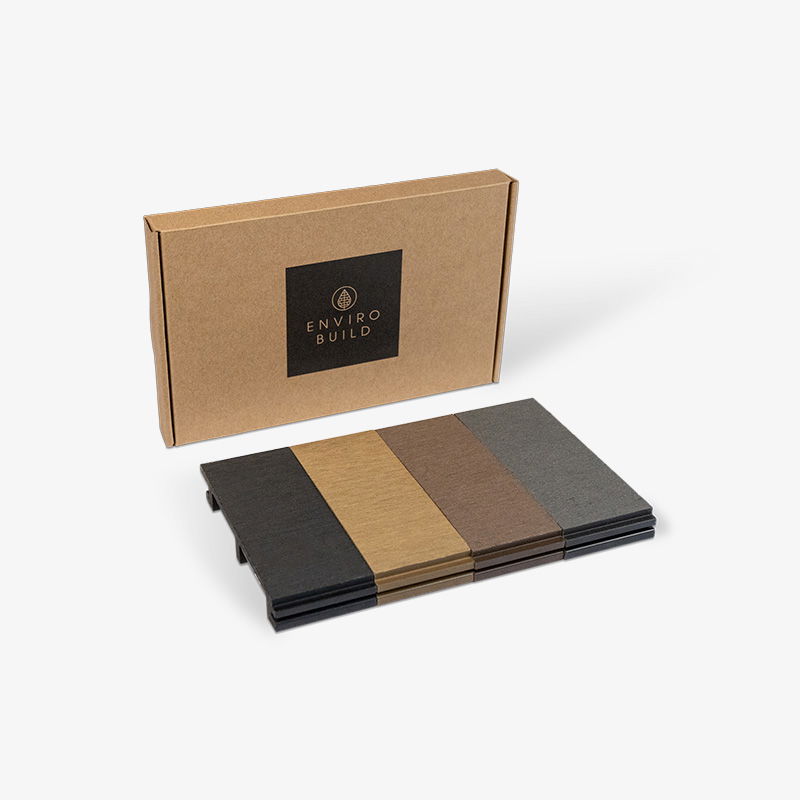
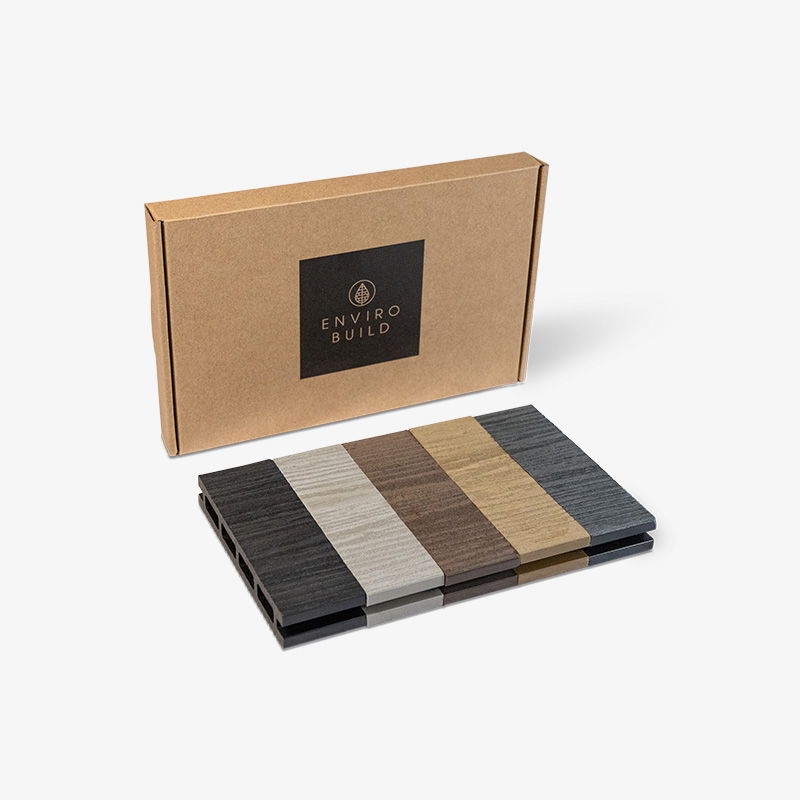
Thinking about making the switch? If low-maintenance, rot-resistant decking sounds like the right fit for your garden, EnviroBuild’s composite decking range covers both the Explorer range (uncapped, ~87% recycled content, 15-year residential warranty) and the Frontier range (capped, ~90% recycled content, 25-year residential warranty), so you can weigh board type and warranty length against your budget before you buy — a sample pack is a low-commitment way to see the colours and texture in person first.