
Best Composite Decking Brands in the UK Compared
How EnviroBuild, Millboard, Trex, Cladco and others compare on price, warranty and technology, by budget, mid-range and luxury tier.

Author Name
Chief Writer
Thu, 28 Jul 2026
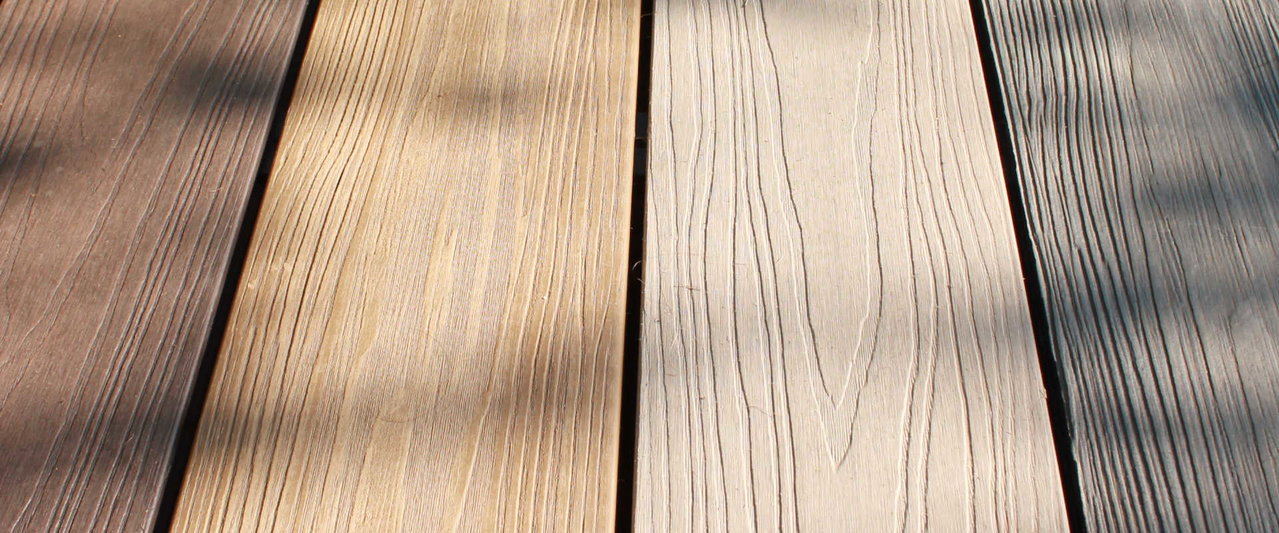
Best Composite Decking Companies in the UK: Brands, Board Types & Prices Compared
The UK composite decking market is built on two main technologies — wood-plastic composite (WPC), which covers the large majority of brands, and PVC/mineral-resin composite, a wood-free alternative used by Millboard — sold across a price range from roughly £30/m² to over £130/m² supply-only. Millboard leads the luxury, wood-free segment; EnviroBuild's Frontier and Explorer ranges, Composite Prime and Ecoscape compete in the premium-to-mid-range WPC bracket; and Cladco serves budget-conscious projects. For high-rise or fire-rated applications, aluminium decking is a separate, non-combustible product category worth considering alongside composite. The right choice depends on which technology, price point, substructure requirements and sustainability credentials matter most for your project.
At a Glance: UK Composite Decking Brands by Price Tier
Tier
Brands
Approx. price (supply only, £/m²)
Technology
Luxury
Millboard
£90–£130
PVC/mineral-resin composite (wood-free)
Premium
EnviroBuild (Hyperion Frontier), Trex, BuildDeck
£55–£90
Capped WPC (some aluminium options at BuildDeck and EnviroBuild)
Mid-range
EnviroBuild (Hyperion Explorer), Composite Prime, Ecoscape (Forma/Grande)
£40–£75
Capped or uncapped WPC
Budget
Cladco, Ecoscape (Clarity), Eva-Last (Eva-tech)
£30–£55
Uncapped WPC (including bamboo-fibre variants)
All figures are supply-only material costs at the time of writing, gathered from published brand and third-party pricing [1–8]. Installed costs typically add £150–£350/m² depending on substructure, region and installer.
Types of Composite Decking Board on the Market
Before comparing brands, it helps to understand what's actually different between them. The vast majority of the UK market uses one core technology, with one notable wood-free alternative:
Technology
What It's Made Of
Typical Construction
Brands Using It
Wood-plastic composite (WPC)
Reclaimed fibre — usually wood, sometimes bamboo — bonded with recycled HDPE or PP plastic
Solid or hollow core; capped (co-extruded protective shell) or uncapped
EnviroBuild, Trex, BuildDeck, Composite Prime, Ecoscape, Cladco, Eva-Last
PVC / mineral-resin composite
Polyurethane/resin blend with no wood fibre, often hand-moulded from real timber to replicate grain
Solid, dense profile
Millboard
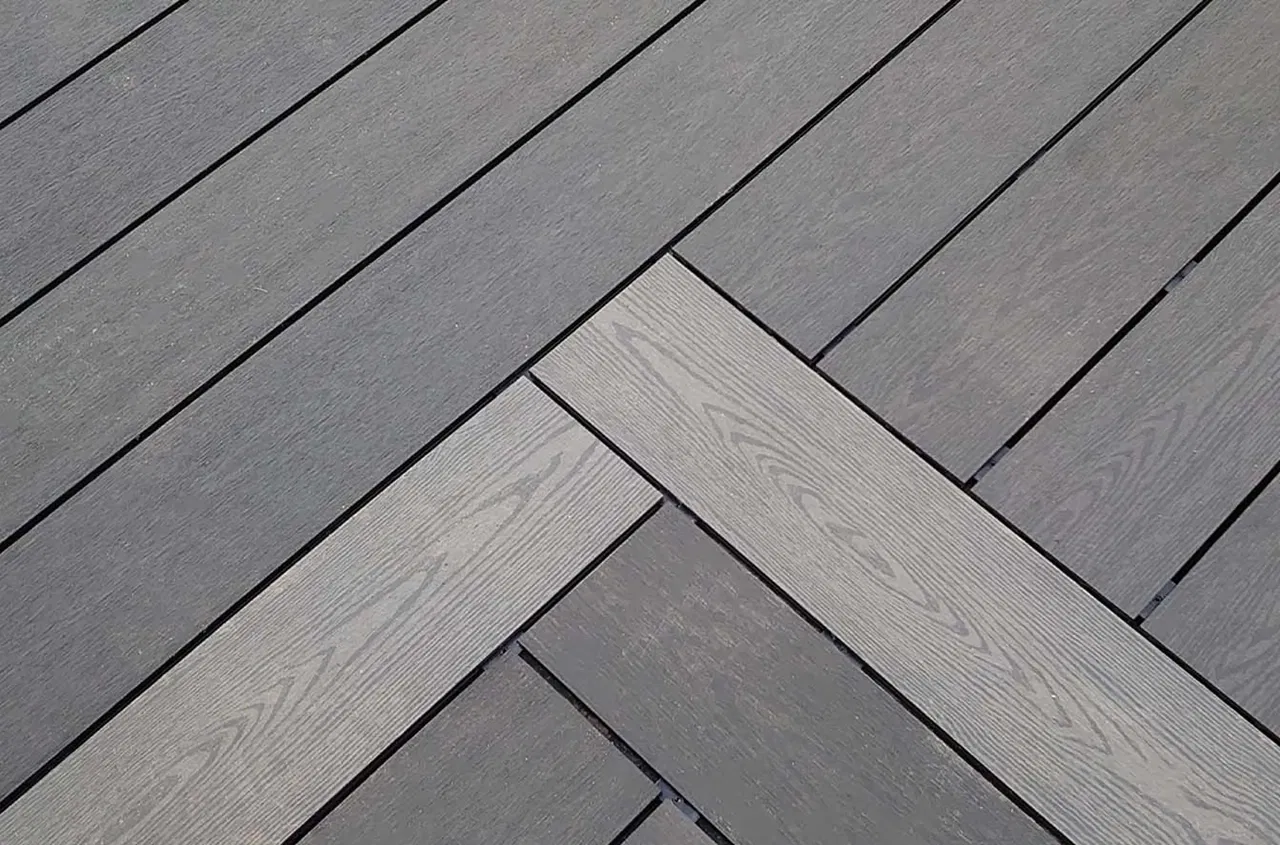
Within WPC — the dominant technology by far — the same solid/hollow and capped/uncapped choices apply across every brand: solid boards are heavier and more rigid but cost more; hollow boards are lighter and cheaper but need correct joist spacing; capped boards resist staining and fading far longer but cost more than uncapped. Some brands, such as Eva-Last, use bamboo fibre instead of wood fibre as the reclaimed-fibre component — this is a variant within the same WPC technology, not a materially different material, and the resulting board behaves the same way in terms of moisture resistance, capping and maintenance. See our full breakdown of types of composite decking for the detailed trade-offs, and what composite decking is made of for the underlying material science.
PVC/mineral-resin composite (Millboard’s technology) trades the wood-fibre component out entirely, which is why it’s marketed as fully waterproof rather than just water-resistant — but it typically costs significantly more and, in Millboard’s case, requires a proprietary sub-frame system rather than standard joists [1][2].
What About Aluminium Decking?
Aluminium decking is worth mentioning separately because it isn't a composite at all — it's a different product category entirely, and the two are chosen for different reasons rather than competing head-to-head on price or appearance. Aluminium is non-combustible (Euroclass A1/A2 under BS EN 13501-1), which makes it the relevant choice for balconies and decking on higher-rise residential buildings where the combustible materials ban applies, rather than a general composite alternative for a garden patio. BuildDeck offers a dedicated fire-rated aluminium joist and decking system for this purpose, and EnviroBuild also supplies aluminium decking alongside its composite, fibre cement and recycled plastic ranges — worth factoring in if you're specifying across both standard garden decking and higher-rise or fire-sensitive applications and want to keep sourcing with fewer suppliers.

Best UK Composite Decking Companies, by Category
Best for a luxury, wood-free finish: Millboard (with EnviroBuild Frontier as a cost-effective alternative)
Millboard’s boards contain no wood fibre at all — a polyurethane/resin-based composite hand-moulded from real oak to replicate grain and texture. This makes it fully waterproof rather than water-resistant, and it’s widely regarded as the closest composite alternative to natural timber’s appearance. It comes at a real premium: roughly £90–£130/m² supply-only, £160–£220/m² installed, and it requires Millboard’s own DuoSpan sub-frame system rather than standard timber or aluminium joists, which adds to installation cost and complexity [1][2]. Backed by a 25-year structural warranty and manufactured in Coventry.
For a comparable premium look at meaningfully lower cost, EnviroBuild’s capped Frontier range is worth considering as a cost-effective alternative within the same luxury bracket: a brushed, engineered capped WPC board at roughly £60–£70/m² supply-only, backed by a 25-year residential warranty and installed on a range of joist substructures rather than a proprietary system. It doesn’t match Millboard’s fully waterproof, wood-free construction, but at least one independent UK comparison site positions EnviroBuild’s Hyperion range as “a high-end alternative to Millboard, slightly cheaper,” at roughly £130–£190/m² installed [1] — a genuinely premium finish without Millboard’s price tag or substructure requirements.
Best for sustainability and low embodied carbon: EnviroBuild (Hyperion)
EnviroBuild’s Explorer (uncapped) and Frontier (capped) ranges are manufactured under the Hyperion brand using up to 87–90% recycled materials, FSC-certified virgin wood fibre, and 100% wind-powered manufacturing electricity. EnviroBuild’s own published figures put the Explorer range’s global warming potential roughly 64% below equivalent timber decking as a result — a real, sourced number, but worth being precise about: that's a comparison against timber, not against other composite brands, and we don't have independently verified data putting EnviroBuild ahead of other composite manufacturers on embodied carbon specifically. See our full sustainability guide for the detailed, no-greenwash breakdown — including the caveat worth knowing, which is that end-of-life recyclability remains limited across the composite decking industry, EnviroBuild included. Warranties run to 25 years residential on Frontier and 15 years on Explorer [5][6].
Best for fire-rated, commercial and high-rise applications: aluminium decking (BuildDeck, EnviroBuild)
Where the combustible materials ban or general fire risk is the deciding factor rather than appearance or budget, aluminium decking is the relevant product category rather than any composite board, however well it's rated. BuildDeck's aluminium joist and decking system is purpose-built for this, rated non-combustible under BS EN 13501-1. EnviroBuild also supplies aluminium decking as part of a comprehensive range spanning composite, aluminium, fibre cement and recycled plastic — useful if you want one supplier who can cover both a standard composite garden deck and a fire-rated balcony specification on the same project.
Best mid-range: EnviroBuild (Explorer range), Composite Prime and Ecoscape
EnviroBuild’s Explorer range is an uncapped WPC board manufactured under the Hyperion brand using up to 87% recycled materials and FSC-certified virgin wood fibre, with a 15-year residential warranty, supply-only pricing of roughly £40–£45/m², and a full matching substructure range — aluminium, recycled-plastic and timber joists, pedestals and ground spikes [5][6]. Composite Prime’s HD Deck Dual range offers capped WPC boards at roughly £50–£75/m² with a 25-year warranty and its own dedicated accessories range — solid mid-market value without the premium-brand price tag [1]. Ecoscape runs three tiers from its own range: Clarity (uncapped, £41.55/m², 20-year warranty), and Forma and Grande (both capped, £66.12–£69.58/m², wrapped in a 1mm HDPE cap for UV and stain resistance), backed by its own plastic and aluminium joist and pedestal range [4]. All three are solid, well-supported mid-range choices; Ecoscape’s tiered approach is particularly useful if you want to compare capped vs uncapped cost directly within one brand’s range.
Best budget option: Cladco and Eva-Last
Cladco describes itself as the UK’s largest supplier of composite decking by volume, with WPC boards from roughly £30–£55/m² supply-only — the lowest entry price among established UK brands — supported by its own composite joist and subframe range. The trade-off is a shorter 10-year warranty (versus 15–25 years elsewhere) and a narrower colour range [1][3]. One independent comparison specifically frames it as “good value for letting properties or rental-grade installs” [1] rather than a long-term premium family garden. Eva-Last’s Eva-tech range sits in a similar bracket: an uncapped WPC board using bamboo fibre in place of wood fibre, in a lighter hollow I-beam profile, backed by a 10-year warranty and its own support-system accessories [7].
Price Comparison Table
Brand
Technology
Supply-only price (£/m²)
Warranty
Substructure / Accessories
Best For
Millboard
PVC / mineral-resin composite
£90–£130
25 years structural
Proprietary DuoSpan sub-frame (required)
Luxury, wood-free finish
EnviroBuild (Frontier)
Capped WPC
~£60–£70
25 years stain and fade
Aluminium, recycled-plastic & timber joists, pedestals, ground spikes
Cost-effective luxury alternative, sustainability, low carbon
Trex (Transcend)
Capped WPC
£55–£85
25 years stain and fade
Trex Elevations steel deck framing, railing accessories
Premium capped WPC
BuildDeck
Capped WPC + aluminium
Not publicly listed
Up to 25 years
Fire-rated aluminium joists with pedestal support
Fire-rated / commercial / high-rise
Composite Prime
Capped WPC
£50–£75
25 years
Dedicated composite accessories range
Mid-range value
Ecoscape (Forma / Grande)
Capped WPC
£66–£70
25 years
Plastic & aluminium joists, pedestals
Mid-range, tiered range
EnviroBuild (Explorer)
Capped WPC
~£40–£45
15 years residential
Aluminium, recycled-plastic & timber joists, pedestals, ground spikes
Mid-range, natural wood-grain look
Ecoscape (Clarity)
Capped WPC
£41.55
20 years
Plastic & aluminium joists, pedestals
Budget-to-mid
Eva-Last (Eva-tech)
Capped WPC
Not publicly listed (budget tier)
10 years
Own composite support-system range
Budget
Cladco
Capped WPC
£30–£55
10 years
Composite joists/battens, timber & composite subframe options
Lowest-cost entry
Prices are supply-only, gathered from published brand and independent comparison sources at time of writing [1–8], and will vary by colour, board profile and retailer. Installed cost typically adds £110–£220/m² on top, depending on substructure and labour.
How to Choose Between These Brands
Price and brand name are only useful shortcuts once you’ve settled the more fundamental questions: solid or hollow, capped or uncapped, whether aluminium is actually the right product category for your application, and what substructure the brand requires. A budget rental garden, a visible high-end entertaining space, and a fire-rated high-rise balcony have genuinely different right answers, even before brand comes into it. Our guides to types of composite decking, composite decking vs wood decking, and choosing a decking supplier walk through that decision in more depth than a brand comparison alone can.
Frequently Asked Questions
What is the best composite decking brand in the UK?
There isn't a single "best" — it depends on priorities. Millboard leads on luxury, wood-free appearance, with EnviroBuild's Frontier range as a more cost-effective alternative in that same premium bracket; EnviroBuild also leads specifically on documented recycled content and low embodied carbon manufacturing; EnviroBuild's Explorer range, Composite Prime and Ecoscape offer strong mid-range value; and Cladco and Eva-Last lead on price. For fire-rated or high-rise applications, aluminium decking from BuildDeck or EnviroBuild is the relevant category rather than any composite board.
What's the difference between WPC and PVC/mineral-resin composite decking?
WPC (wood-plastic composite) blends a reclaimed fibre — usually wood, sometimes bamboo — with recycled plastic, and is the technology used by the large majority of UK brands including EnviroBuild, Trex, Cladco and Eva-Last. PVC/mineral-resin composite, used by Millboard, contains no fibre component at all and is fully waterproof rather than water-resistant, at a higher price point.
Is aluminium decking better than composite decking?
Not better or worse — different. Aluminium is non-combustible, which makes it the appropriate choice for fire-rated and higher-rise applications where the combustible materials ban applies. For a standard garden deck, composite is the more common and typically more cost-effective choice.
Is more expensive composite decking always better?
Not necessarily better in every sense — but higher-priced ranges generally mean a capped (rather than uncapped) surface, a longer warranty, and either a more advanced material technology (like Millboard's mineral-resin composite) or better-documented sustainability credentials. Whether that's worth the premium depends on how visible the deck is and how long you plan to keep the property.
How much does composite decking cost installed in the UK?
Supply-only material costs range from roughly £30/m² for budget uncapped WPC to over £130/m² for luxury mineral-resin composite. Installed costs typically add £110–£220/m² for labour, substructure and accessories, depending on the brand's construction requirements — Millboard's proprietary sub-frame system, for example, adds more than a standard joist substructure would.
Which composite decking brand has the longest warranty?
Several premium and mid-range brands — including EnviroBuild's Frontier range, Trex's Transcend range, Composite Prime, and BuildDeck — offer 25-year warranties on capped boards. Budget uncapped ranges, including Cladco and Eva-Last, typically carry 10-year warranties.
Sources
Premium Landscapes — Composite Decking Brands Compared: Millboard vs Trex vs Cladco
BuildDeck — Composite Decking Brand Comparison; BuildDeck — Aluminium Joists
Ecoscape — How Much Does Composite Decking Cost in the UK?; Ecoscape — Decking Substructure
EnviroBuild — published product pricing and Environmental Product Declaration (EPD-IES-0003566:004)
NBS Source — Hyperion Composite Decking Product Brochure, EnviroBuild Materials Ltd
Arbordeck — Composite Decking Cost UK: Real 2026 Price Guide; Cladco — Composite Joist/Batten for Decking; Trex Elevations Steel Deck Framing
Pricing, warranty terms and product ranges for all brands, including EnviroBuild, change periodically. Figures above reflect publicly available information at the time of writing and should be confirmed directly with each supplier before making a purchasing decision.
Further Reading
Want to see EnviroBuild’s own range for yourself?
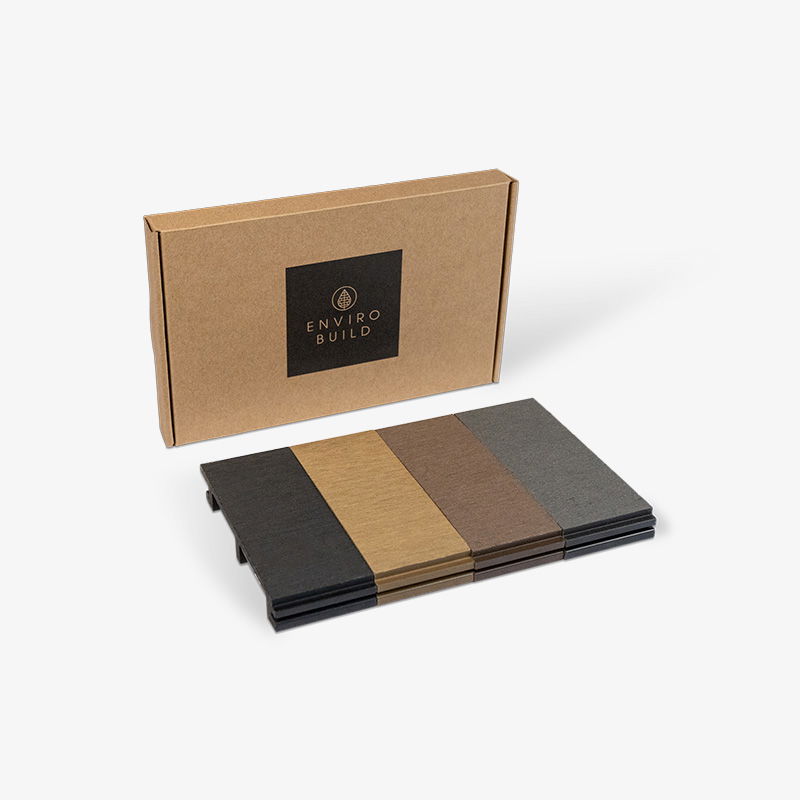
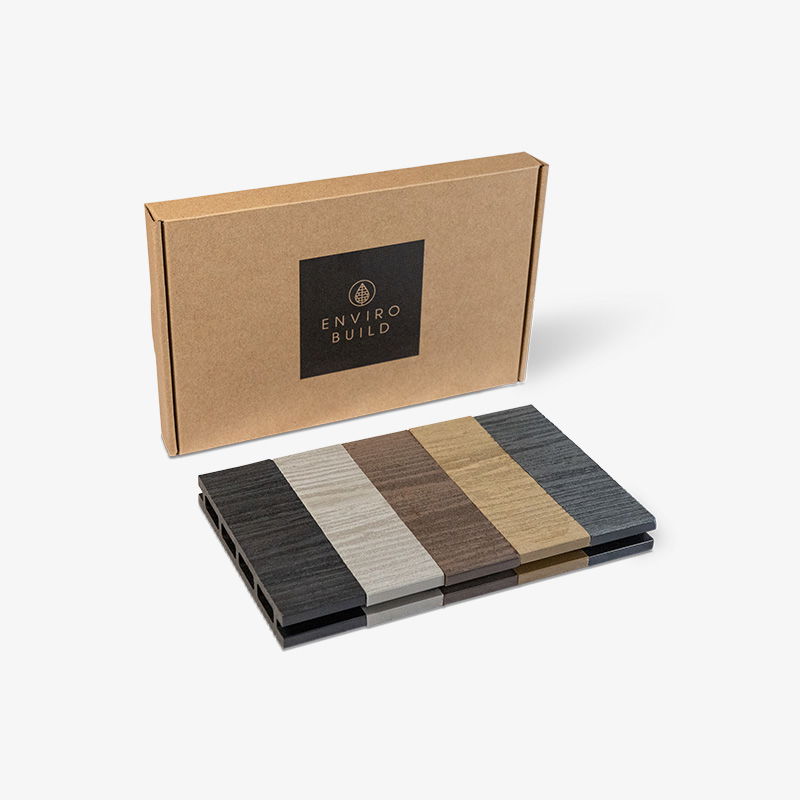
Browse Explorer and Frontier composite decking, order free samples, or request a quote today.