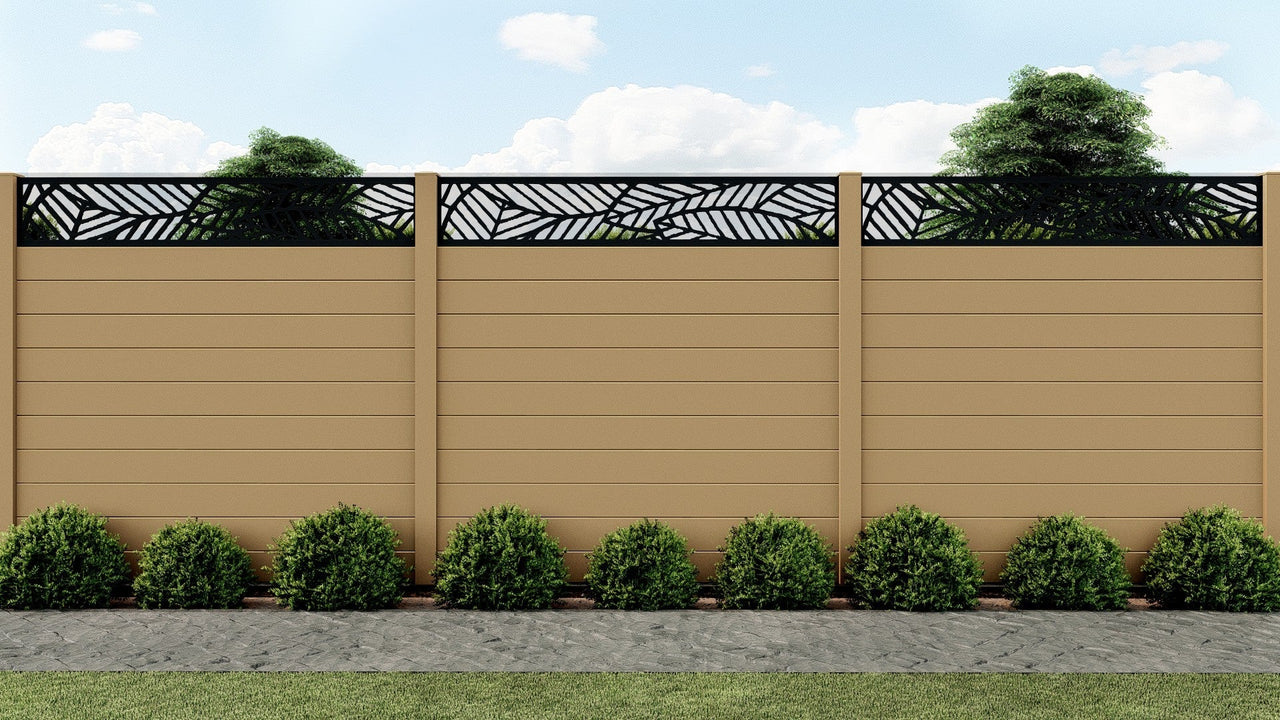

Choosing a Composite Cladding Supplier: UK Guide
What to check before buying composite cladding - fire test certificates, warranty terms, and full-system supply, not just delivery distance.

Author Name
Chief Writer
Thu, 28 Jul 2026

Composite Cladding Near Me: Choosing the Right Supplier
Direct answer: To choose the right composite cladding supplier, check for a product-specific fire test certificate under BS EN 13501-1 (not a general “fire rated” claim), a warranty document that states its exclusions and proration schedule, and confirmation that the supplier sells the full cladding system — battens, insect mesh, trims and fixings — rather than just boards. Also check delivery lead times against a local stockist’s actual in-stock range: a manufacturer with published test data and nationwide delivery can be a better choice than the nearest yard, even a few days slower, after all this can be a large investment, its worth getting this right upfront.
At a Glance: What to Check Before You Buy
Specification
Guidance
Product standard
BS EN 15534-5:2014 — the European specification for wood-polymer composite (WPC) cladding profiles and tiles [1]
Fire classification
BS EN 13501-1 Euroclass system; ratings vary by specific product line — ask for the certificate that names the exact range and colour you’re buying, not a brand-wide claim [2][3][4][5]
Wood content certification
FSC or PEFC chain-of-custody for any wood fibre content, checkable via a public licence number [6]
Recycled content / EPD
EnviroBuild’s Hyperion composite range (decking, cladding and fencing) is covered by a third-party-verified EPD, registration EPD-IES-0003566:004, on the International EPD System register [7]
Full system supply
Boards alone aren’t enough — check the supplier also stocks battens, insect mesh, drip trays, trims and fixing clips for the specific range [8][11]
EnviroBuild cladding warranty
15 years residential / 10 years commercial on its Explorer range; 25 years residential / 15 years commercial (plus a separate fade and stain warranty) on its Slatted range [8]
UK delivery lead time
Standard lead time of 3 working days on large orders across mainland England & Wales (stock dependent); free samples available on request [10]
Shop EnviroBuild Composite Cladding
If you’ve already decided composite cladding is right for your project, you don’t need to keep searching — you can order directly from the manufacturer. Browse the full composite cladding range, check technical specifications and fire test documentation on the cladding downloads page, or claim free samples to check colour and finish at home before you commit. Ready to cost up a project? Request a quote and the team can help specify boards, battens and trims together.
Why Isn’t “Composite Cladding Near Me” the Right Filter?
Searching for a cladding supplier “near me” answers a logistics question — how quickly can I get materials to site — not a quality one. Proximity says nothing about whether a fire classification applies to the actual product you’re ordering, whether a warranty pays out in full, or whether the supplier can provide the battens and trims that make the boards a complete, weatherproof system. Cladding sits on a building’s external wall for 15–25 years; that decision is worth more scrutiny than “which yard is closest.”
This matters more for cladding than for most other building products because the stakes of getting fire performance wrong are higher — cladding on an external wall is exactly the element that building control and, in some cases, the Building Safety Regulator will ask questions about. Our guide to cladding fire regulations covers the Euroclass B/C/D nuance in more detail; the short version below is what to ask a supplier before you order.
What Should You Check Before Choosing a Composite Cladding Supplier?
Does the supplier have a fire test certificate for the exact product?
Composite cladding is tested and rated under the Euroclass system (BS EN 13501-1), which grades reaction-to-fire performance from A1 (non-combustible) down to F, based on underlying test methods EN 13823 (SBI test) and EN ISO 11925-2 [2]. Crucially, this rating is not one number per manufacturer — it varies by range, and sometimes by colour and thickness, because pigments and additives change how a board burns.
EnviroBuild, for example, has published a Euroclass B-s3,d0 rating for its flame-retardant-treated Hyperion
Explorer cladding when installed on EnviroBuild supplied aluminium battens, plus a lower rated Slatted cladding product [3][4] — two ranges from the same manufacturer, two different classes. A supplier who says “our cladding is fire rated” without naming the class, the test report number, and the specific product it applies to is giving you a marketing claim, not a certificate. Ask for the document itself, and check the range name on it matches what’s on your order, its also important to note that even if the board has a fire rating, the whole buildup including the battens should be taken into consideration when looking at fire complaint systems.

What do the warranty terms actually say?
A warranty is only as useful as what’s excluded from it. EnviroBuild’s published terms illustrate why the headline number isn’t the whole story: its Explorer cladding carries 15 years residential cover (10 years commercial), while its Slatted range carries 25 years residential (15 years commercial) plus a separate fade and stain warranty covering colour change up to 5 Delta E units and food/beverage staining [8]. Both are prorated — full replacement value only applies for the first few years, tapering down after that — and both exclude damage from incorrect installation, movement of the supporting structure, and normal weathering.
Before comparing two suppliers’ warranty lengths, get the actual document from each and check: the residential and commercial terms separately, the proration schedule, and what counts as a defect versus normal wear.
Does the supplier sell the full cladding system, or just boards?
Composite boards are only one part of a cladding system. A complete, lasting installation also needs a ventilated substructure (typically rot-free plastic, aluminium or treated timber battens), insect mesh and drip trays to manage the cavity behind the boards, and colour-matched edging, covers and fixings to finish edges and corners [8][11]. A supplier who stocks boards but not the substructure and trims is leaving you to source mismatched components elsewhere, which can affect both the finished look and the ventilation the system depends on.
Ask specifically whether battens, mesh, drip trays, trims and fixings are available in the same order and whether they’re covered by the same warranty.
How do delivery times compare — local stockist versus nationwide manufacturer?
A local stockist’s real advantage over a nationwide manufacturer is usually measured in days, not weeks. EnviroBuild’s standard lead time on large cladding orders is 3 working days across mainland England & Wales, stock dependent, with next-day delivery available in eligible postcodes for orders placed before noon; deliveries to the Scottish Highlands, Isle of Man, Guernsey and Jersey take longer and cost more [10]. Free samples are available separately.
The trade-off to weigh honestly: a nearby yard might save a day or two, but it can only sell you whatever colours, profiles and fire-rated ranges it happens to have on the shelf. A manufacturer with full published test data and a complete catalogue lets you choose the range that actually fits your building’s requirements — rather than the range that happened to be in stock locally — for a cladding job that’s going to be on the wall for a decade or more either way.
Can the supplier help you find an installer?
Composite cladding needs a correctly built substructure and ventilated cavity to perform as tested; poor installation can undermine both appearance and fire/weather performance regardless of how good the boards are. There’s currently no UK-wide, composite-specific installer accreditation scheme — the Timber Decking and Cladding Association’s DeckMark and CladMark schemes cover timber only [9] — so ask instead whether the supplier maintains its own network of trained or approved installers. EnviroBuild runs an installer network connecting customers with vetted local fitters for decking, cladding and fencing projects; ask any supplier for an equivalent list plus verifiable project references.
Can you get a physical sample before you buy?
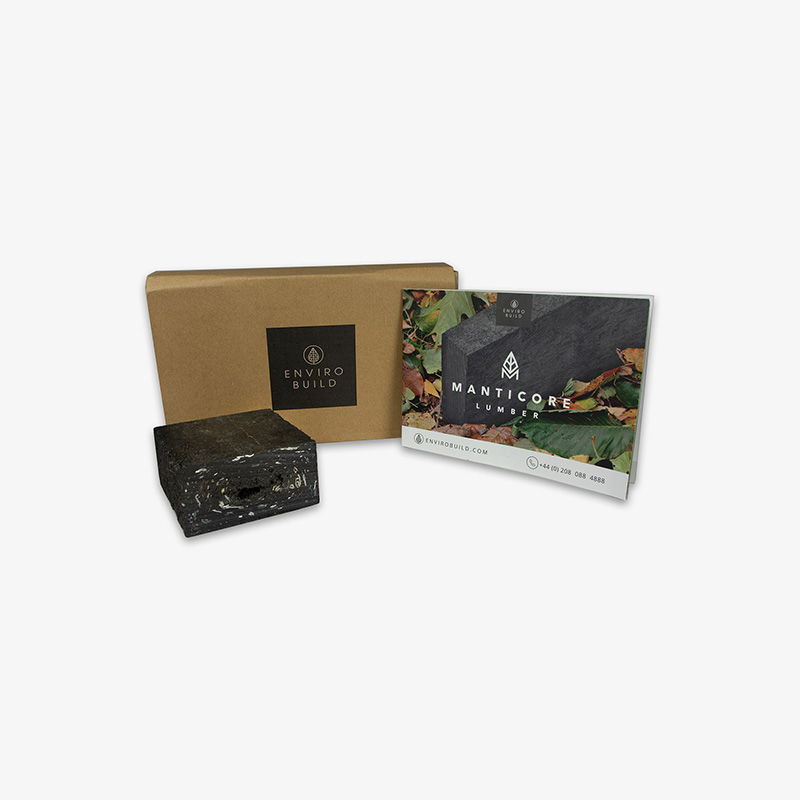
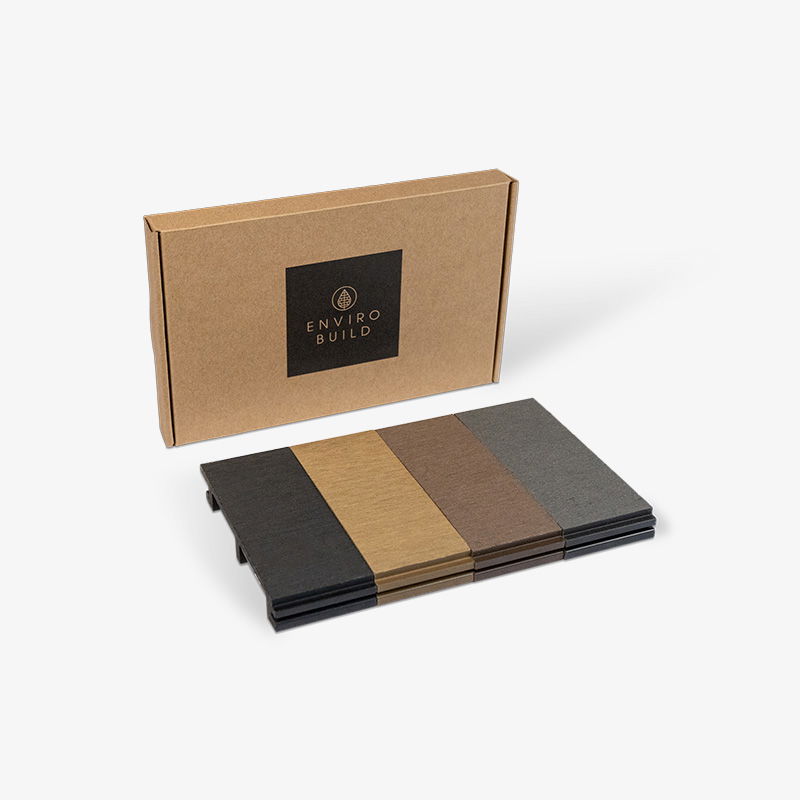
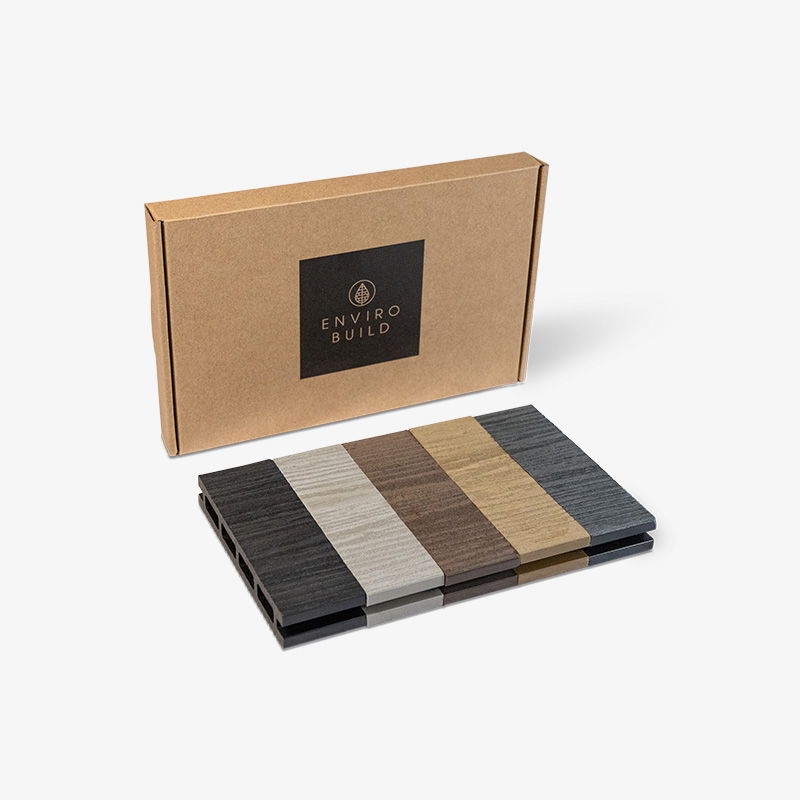
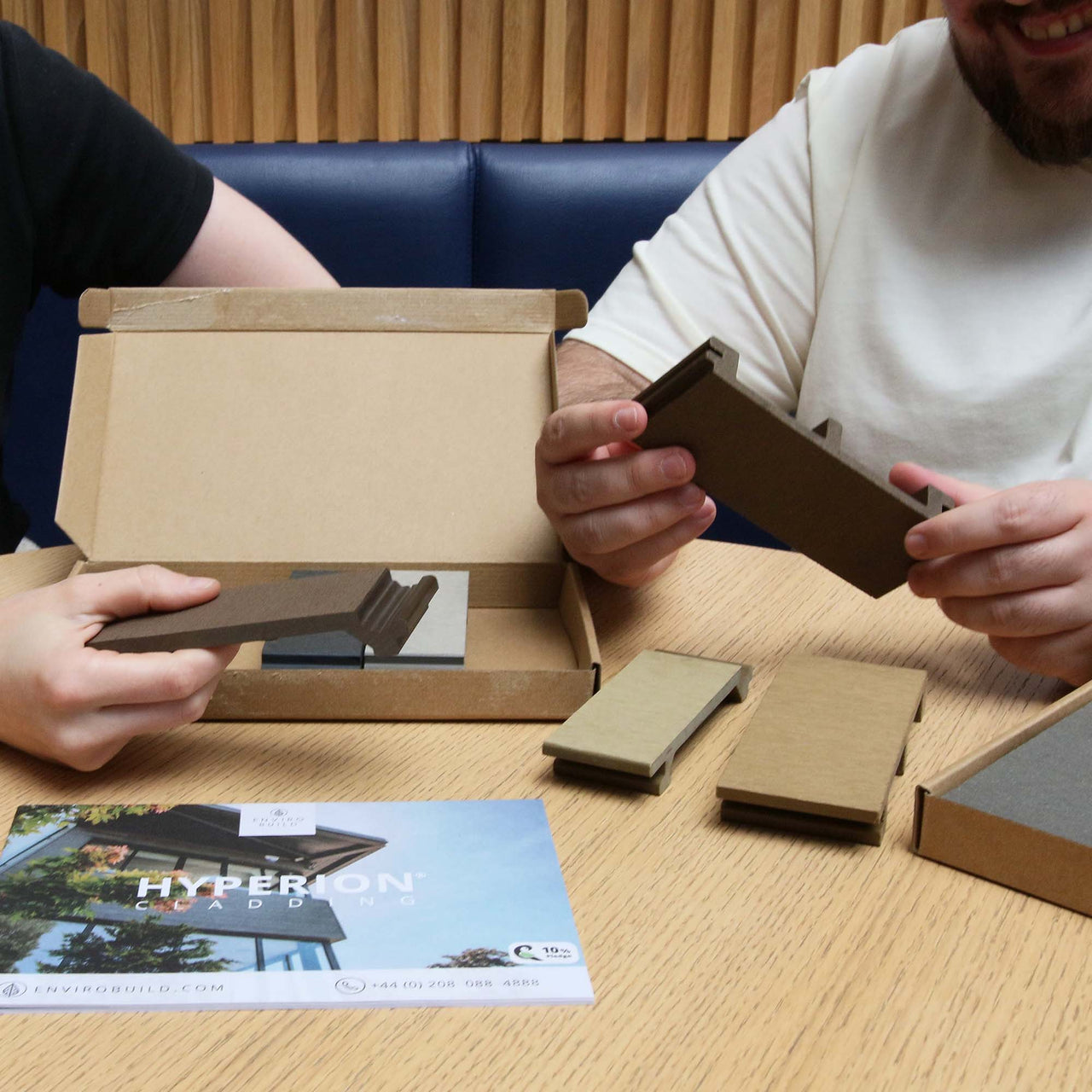
Cladding is a visible, external, whole-building finish — colour and texture decisions are hard to make from a website photo, especially since screen colours and real capped-composite finishes don’t always match. A supplier who offers free physical samples, delivered quickly, lets you check colour against your actual brickwork or render before committing to a full order. If a supplier can’t send a sample at all, or charges more than a nominal amount for one, treat that as a minor red flag on transparency.
Is there verified evidence behind recycled-content and sustainability claims?
“Made from recycled materials” is used loosely across the composite cladding market. Stronger evidence than a website percentage is a registered Environmental Product Declaration (EPD) — a third-party-verified document (to EN 15804) that discloses lifecycle impacts and material composition in a standardised, checkable format. EnviroBuild’s Hyperion composite range, spanning decking, cladding and fencing, is covered by EPD registration EPD-IES-0003566:004 on the International EPD System’s public register [7], and any wood fibre content should carry a checkable FSC or PEFC chain-of-custody licence number [6]. Ask for the registration number, not just the percentage.
Composite Cladding Supplier Due-Diligence Checklist
Criterion
Why It Matters
How to Verify
BS EN 15534-5 compliance
European benchmark for WPC cladding profile performance
Ask for the test report number and confirm it covers cladding profiles, not just decking
Fire classification (EN 13501-1)
Ratings vary by range and colour, not just by manufacturer
Request the Euroclass certificate naming the exact product you’re ordering
Warranty terms
Headline “years” figures can hide proration and narrow exclusions
Get the full written document, residential and commercial terms separately
Full system availability
Boards alone don’t make a complete, ventilated cladding system
Confirm battens, mesh, drip trays, trims and clips are sold and colour-matched
Delivery timeframes
The “near me” advantage is usually a day or two, not a different product
Compare a stated nationwide lead time against the local range actually in stock
Installer support
Poor installation undermines tested performance regardless of the boards
Ask for an approved installer list and independently checkable references
Sample availability
Cladding is a visible external finish; screen colours mislead
Confirm free or low-cost physical samples are available before ordering
Recycled content / EPD
Loosely used marketing term unless independently verified
Ask for the EPD registration number and look it up on environdec.com
FAQ
Is a “near me” search the best way to find a composite cladding supplier?
Not necessarily. Proximity affects delivery speed, but it doesn’t tell you whether a fire rating applies to the specific product, whether a warranty pays out, or whether the supplier stocks the full system. Those are the questions worth answering first.
Do all composite cladding ranges from the same manufacturer have the same fire rating?
No. Fire classification under BS EN 13501-1 depends on the specific formulation, additives and sometimes colour of a range, so one manufacturer can sell products in different Euroclasses side by side. Always ask for the certificate that names the exact product on your order.
What’s included in a composite cladding “system” beyond the boards?
A complete system typically includes a ventilated substructure (battens), insect mesh, drip trays, and colour-matched trims, fascias and fixings. A supplier selling boards alone is leaving you to source and match the rest separately.
How long should a composite cladding warranty be?
There’s no single correct length — it varies by manufacturer and product tier. What matters more is the proration schedule and exclusions, which is why the full written warranty document matters more than the headline number a salesperson quotes.
Is EnviroBuild’s cladding delivery really faster than a local stockist?
Not always by much in absolute terms — EnviroBuild’s standard lead time on large orders is 3 working days across mainland England & Wales, with next-day delivery available in some postcodes for orders before noon. The comparison that matters is what a local stockist actually has on the shelf versus the full range, tested and documented, available nationwide.
Is there a UK accreditation scheme for composite cladding installers?
Not specifically. The TDCA’s DeckMark and CladMark schemes cover timber cladding and decking, not wood-plastic composite. A manufacturer’s own approved-installer network is the closest practical substitute currently available.
Sources
en-standard.eu — BS EN 15534-5:2014, Specifications for cladding profiles and tiles (WPC/NFC)
Measurlabs — EN 13501-1 Fire Classification: Performance Classes & Criteria
NBS Source — Hyperion Pioneer Composite Cladding (Euroclass D-s1,d0)
NBS Source — Hyperion Sentinel Composite Cladding (Euroclass B-s2,d0)
EnviroBuild — Cladding Fire Regulations & Euroclass Fire Safety Standards
EnviroBuild — Composite Cladding Downloads (technical specifications, installation guides, EPD)
EnviroBuild — Composite Cladding Panels UK (product ranges, pricing)
Further Reading
Ready to compare for yourself?
Browse EnviroBuild’s composite cladding range, check the fire test and warranty documents on the downloads page, order free samples, and see nationwide delivery details before deciding between a local stockist and ordering direct.