
Composite Fencing Design Ideas: Colours, Panels & More
Composite fencing has become the go-to choice for homeowners and designers seeking modern, durable and eco-friendly garden boundaries. Offering the natural look of timber without the maintenance, composite fencing delivers long-lasting privacy and aesthetic appeal, perfect for both contemporary and traditional gardens.

Author Name
Chief Writer
Thu, 28 Jul 2026

Composite Fencing Design Ideas
Composite fencing design comes down to panel style (solid horizontal-slat or louvred/screening — composite boards are laid horizontally, not vertically, like some timber fencing), colour combination across posts, panels and caps, and the accessories layered on top: gates, trellis toppers, lighting and how you fix posts into the ground. The right combination depends on whether the fence’s main job is privacy, blocking wind, dividing the garden into zones, or simply framing it. EnviroBuild’s brushed panel and slatted ranges (Stone, Walnut, Granite, Oak, Silver Birch, Grey Ash, Balau, Onyx Black, Cedar) cover most of these looks in a 1.8m x 1.8m panel format that slots into composite posts or retrofits into existing concrete posts.
At a Glance
Design Element
Options / Detail
Panel styles
Horizontal board (solid panel), louvred/screening (wide-gap slats), mixed-height — composite boards run horizontally within every panel; see below on why a “vertical board” composite panel isn’t a standard product
EnviroBuild Classic Fencing Colours
Stone, Walnut, Granite, Oak, Silver Birch
EnviroBuild Slatted Fencing Colours
Grey Ash, Balau, Onyx Black, Cedar
Standard panel size
1.8m (h) x 1.8m (w) [6ft x 6ft], ~81kg per kit
Accessories
Gates (all 9 colours), trellis toppers (Botanic, Forest, Slatted, Tangier designs), fence panel caps, additional post sets
Ground fixings
Soft Ground Fencing Post Anchor (lawn/soil) or Hard Ground Post Support & Fixings (patio, concrete, decking); retrofit post channels for existing sound posts
Recycled content
Up to 90% recycled wood fibre and plastic
Warranty
15 years residential / 10 years commercial
Max height, no planning permission (England)
2m generally; 1m next to a highway or its footpath
Typical post spacing
Matched to panel width (1.8m); taller/heavier runs often tightened to ~1.2–1.5m for wind load
What panel styles work best for a composite fence?
The style you choose changes how much privacy, light and airflow the fence lets through, so it’s worth matching it to the job the boundary needs to do.
Why composite fencing is laid horizontally, not vertically
Unlike timber fencing — where a traditional vertical closeboard look is just as common as horizontal — composite fence panels on the market, EnviroBuild’s included, are built from boards that run horizontally. Each board’s tongue-and-groove or hidden-fastener profile is designed to slot sideways into the grooved channel of a post, so a standard panel is built by stacking horizontal boards between two posts (typically 12 slats for a 1.8m-high panel) rather than standing individual boards on end. This is a structural and manufacturing point, not a style limitation EnviroBuild has chosen deliberately over vertical — composite boards generally aren’t extruded or profiled as a vertical-fencing product across the market, so if you’ve seen “vertical composite fencing” described elsewhere, check carefully whether that’s really a vertical composite panel or a composite-look product achieved a different way.
If you want the traditional vertical closeboard look with composite material, EnviroBuild’s fence panel caps are the way to get there. These normally finish the top and bottom edge of a standard horizontal panel, clipping on to hold the top and bottom boards firmly against the posts — but the same top-and-bottom clip fixing can be used to hold boards run vertically in place at their top and bottom ends, where a post’s side groove isn’t available to grip them the way it does for a horizontal board. In practice this means a vertical-board composite fence is achievable, but it’s a specified installation approach built around the panel cap fixing rather than an off-the-shelf vertical panel product — talk to EnviroBuild directly if this is the look you want, so the caps and board lengths can be specified correctly for the run.
Horizontal slatted panels
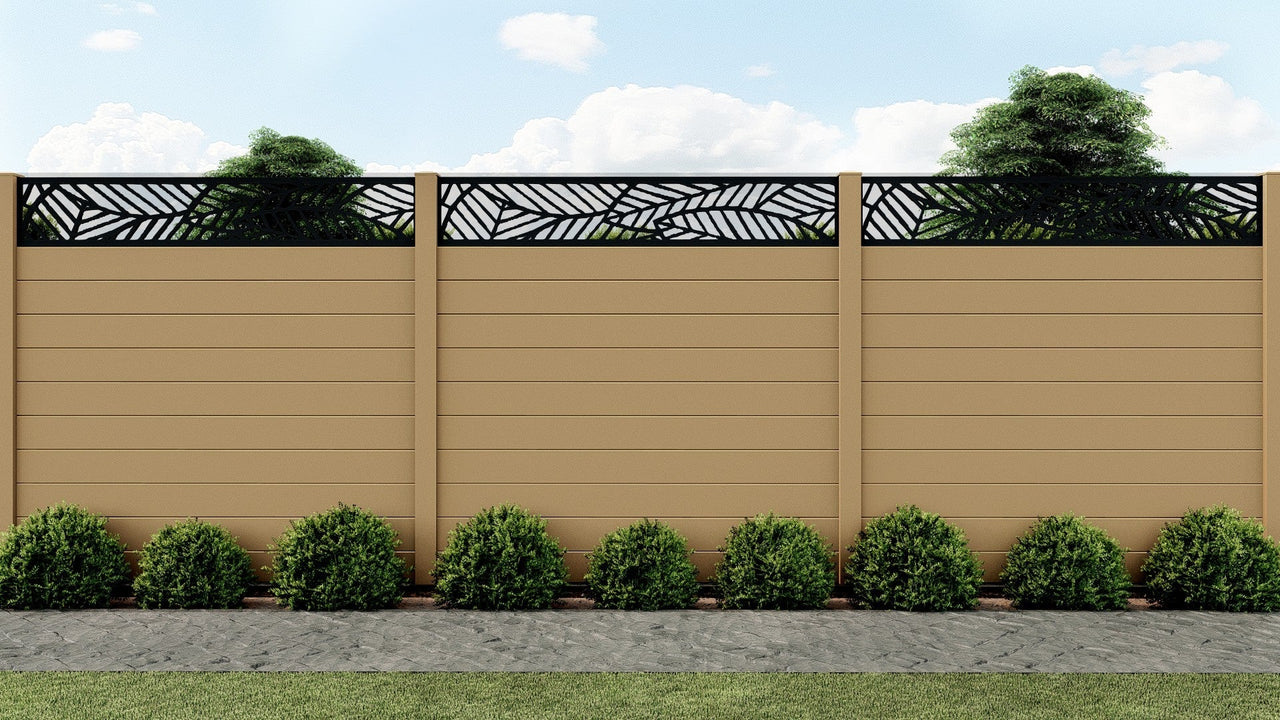
Horizontal slats suit contemporary gardens and makes a narrow plot feel broader. EnviroBuild’s slatted range (Grey Ash, Balau, Onyx Black, Cedar) is built for this look and is sold under both standard and retrofit panel formats. EnviroBuild’s brushed, non-slatted panels (Stone, Walnut, Granite, Oak, Silver Birch) use the same horizontal-board construction but without gaps, for a more traditional, full-privacy appearance that still suits period properties despite being built from horizontal rather than vertical boards.
Louvred and privacy-screening panels
Angled or widely-gapped slats let air and some light through while still blocking a direct sightline — useful next to a hot tub, home office, or side passage where full solid panels would feel heavy. This is best achieved with hit and miss panels fitted with gaps, or by pairing a lower solid run with an open trellis topper above it.
Mixed-height panels
Stepping panel height along a boundary — taller near a patio for privacy, lower near a border for light — is a simple way to avoid a flat, uniform wall of fencing. It also works well combined with a trellis topper on the taller sections only, so the stepped effect doesn’t need a full re-height of every post.
How do I pick a colour that matches my decking or cladding?
Composite fencing looks most deliberate when its colour echoes something already in the garden — the decking, the cladding, or both. EnviroBuild’s decking range includes Silver Birch, Walnut and Granite tones that correspond directly to fence panel colours of the same name, so a same-name pairing is the simplest way to get a coordinated scheme.
For contrast rather than matching, pair a dark slatted fence (Onyx Black or Balau) with lighter Silver Birch or Marble decking, or use a dark composite cladding line against lighter fence posts to frame the boundary without everything blending into one tone. Keeping posts and infill in different shades — a dark post with a lighter panel, or vice versa — is a low-cost way to add definition to an otherwise flat run of fencing.
Mixing accessory colours within one fence run
Because EnviroBuild’s posts, panel caps and panels are all sold as separate colour-matched (or deliberately mismatched) components, the accessories themselves are one of the easiest ways to add contrast without changing the whole fence. A practical example: Walnut posts and a Walnut fence panel cap as the border, framing a lighter Oak or Silver Birch panel — the darker post and cap read as a defined frame around the fence, while the lighter infill keeps the run from feeling heavy along its length. The same idea works in reverse — light Stone or Silver Birch posts framing a darker Balau or Onyx Black panel — for a more contemporary, high-contrast look. Because posts, caps, panels, gates and trellis toppers are all specified as separate line items rather than locked into a single-colour kit, this kind of mix-and-match is a genuine design choice rather than something that needs a bespoke order.
Should I fence for privacy, a windbreak, or a decorative boundary?
These three goals pull in different directions — privacy wants a solid, gap-free surface; windbreaking works better with some porosity to filter rather than block the wind; decorative boundaries can prioritise appearance over either.
Design Goal
Recommended Style
Why
Privacy
Solid horizontal panel (no gaps)
Full-height, no-gap coverage blocks sightlines completely
Windbreak
Louvred/slatted with gaps
Filters wind rather than creating a solid barrier that increases loading and turbulence on the leeward side
Decorative boundary
Mixed-height or mixed-colour horizontal slatted
Visual interest matters more than full coverage; works well with planting
How can I combine composite fencing with planting, gates and trellis toppers?
Trellis toppers
A trellis topper turns a fence into a support structure for climbing plants without compromising the panel below it, and it’s the easiest way to soften a hard boundary line. EnviroBuild sells trellis toppers as an add-on to its standard panel kits, in four designs — Botanic, Forest, Slatted and Tangier — each available across the panel colour range, so the topper can either match the panel below or introduce a deliberately different pattern at the top of the run. Adding a topper typically reduces the panel below from 12 slats to 10 to make room for the topper section.
Raised planters or border beds run along the base of the fence work well with horizontal slatted styles in particular, since the horizontal lines give climbing plants an obvious lattice to follow even before a trellis is added. Because composite doesn’t need staining or sealing, planting can sit right against the panel without the usual concern about trapping moisture against treated timber.
Gates
A colour-matched gate finishes a fence run properly rather than leaving a jarring change of material at the one point everyone actually touches. EnviroBuild sells fence gates across its full colour range (all nine panel colours), each with an integrated lock, so a gate can be specified to match the panels either side of it exactly, or in a contrasting colour if you’re already mixing posts and panels elsewhere in the design. Gate width and clearance should be confirmed against the specific opening before ordering, since a gate frame needs to be built into the post layout from the start rather than retrofitted into an existing panel run.
Can I add lighting to a composite fence?
Yes, Solar-powered post cap lights (widely sold as generic garden accessories, typically sized to fit standard 65–100mm fence posts) are the simplest option, sitting on top of a post cap and needing no wiring. Festoon or string lighting run along the top of a horizontal-slat or louvred fence adds a softer, more social-space feel and works well along a boundary near a patio or seating area. Low-level deck or step lighting, angled to wash light down the face of a panel rather than out into a neighbour’s garden, is a further option worth considering for a fence that also needs to remain usable after dark — for any mains-wired option, use a qualified electrician and check the fixing doesn’t compromise the fence panel or post’s structural fixing.
Which one lasts longer, and what warranty backs it?
EnviroBuild backs its Hyperion cladding ranges with warranties in the 15–25-year range depending on the specific board and finish; check the current warranty document for the exact term attached to each range (Explorer or Slatted) before purchase, since terms can differ by product and colour. A warranty is a proxy for expected service life, not a guarantee the product will last exactly that long in every exposure.
What ground fixing should I use for my fence posts?
The right post fixing depends entirely on what’s underneath the post, not on the fence style chosen — getting this wrong is one of the more common reasons a fence leans or fails well before the panels themselves show any wear.
Soil or lawn:
EnviroBuild’s Soft Ground Fencing Post Anchor is designed for driving or setting directly into lawn or soil, without needing a poured concrete base — useful for a straightforward new run through a garden bed or lawn area.
Patio, decking or an existing hard surface:
EnviroBuild’s Hard Ground Post Support & Fixings bolts down onto an existing solid surface — a patio, paving, or a deck — where digging a post hole isn’t possible or would disturb an already-finished surface.
Existing sound timber or concrete posts you want to keep:
rather than a new ground fixing at all, EnviroBuild’s retrofit post channels screw onto the face of an existing post (with rawl plugs for concrete), letting the composite panel or slats slot into the channel without replacing the post itself — the fastest, lowest-disruption option if the existing posts are structurally sound.
Always match the fixing to the actual ground condition on site rather than defaulting to one option across a whole boundary — a run that crosses from a lawn onto a patio, for example, may genuinely need both a soft-ground anchor and a hard-ground support along its length.
Can composite fencing be used to zone a garden, not just enclose it?
Yes — a fence doesn’t have to sit only on the boundary. Shorter internal runs, in a different height, colour or panel style from the main perimeter fence, are an effective way to divide a garden into distinct areas without building a full wall or hedge line.
A lower, slatted run
(say, 0.9–1.2m) between a seating/dining area and a vegetable patch or utility zone lets you see across the whole garden while still marking a visual boundary.
A taller, solid panel run
around a hot tub, bin store or washing line screens a specific feature without needing to raise the entire boundary fence to the same height.
A different colour for the internal zoning fence
than the boundary fence signals “this is a different space” at a glance — for example, a Stone or Silver Birch boundary fence with a contrasting Onyx Black or Balau run marking off a courtyard or entertaining area.
A trellis-topped internal run
works well as a planted divider between a play area and a border, since it screens partially while still supporting climbing plants.
Because EnviroBuild’s panels, posts and caps are all sold as separate components in matching or contrasting colours, an internal zoning fence can share hardware with the boundary fence (same post system, different panel colour or height) rather than needing a completely different product.
Composite Fence Post Spacing and Height Limits
Post spacing
EnviroBuild’s panel kits are sized at c.6ft wide, so posts are set at c.1.87m centres to match — this is a slot-in panel system rather than a continuous rail fence, where post spacing can be reduced by cutting down the panel lengths.
Panel height limits
In England, a fence doesn’t need planning permission if it’s no more than 2m high, or no more than 1m high where it sits next to a highway used by vehicles or that highway’s footpath. Local exceptions apply in conservation areas and for listed buildings, and measurements are taken from the lower ground level on sloping sites, so check with your local planning authority before installing a full-height boundary. See our guide to the best composite fencing for the UK for more on choosing panel height and style.
FAQ
What is the standard EnviroBuild composite fence panel size?
1.87m high by 1.87m wide (6ft x 6ft), the kit includes one post.
Do I need planning permission for a 1.8m composite fence?
Generally no — fences up to 2m are permitted without planning permission in England, except next to a highway used by vehicles or its footpath, where the limit drops to 1m.
Can I retrofit composite panels onto my existing fence posts?
Yes. EnviroBuild’s retrofit range uses composite channels to fit composite slats onto existing concrete posts, in both the solid-panel and slatted colour options.
Which composite fencing colour matches EnviroBuild’s decking?
Silver Birch, Walnut, Oak, Stone and Granite are available in both the decking and fence panel ranges, making a same-name colour pairing the simplest way to coordinate the two.
Is composite fencing better for privacy or wind resistance?
Solid horizontal panels (no gaps) give the most privacy; a louvred or slatted style with gaps performs better as a windbreak, since some airflow through the panel reduces the load and turbulence a fully solid barrier creates.
Can I get a vertical-board look with composite fencing?
Composite boards on the market — EnviroBuild’s included — are designed to run horizontally, slotting sideways into a post’s side groove, so a standard off-the-shelf vertical panel isn’t a typical product. A vertical-board look is achievable by using EnviroBuild’s fence panel caps to hold board ends at the top and bottom of a vertically-run board, in place of the post-groove fixing a horizontal board normally uses — specify this directly with EnviroBuild rather than assuming a standard panel can simply be rotated.
What ground fixing do I need for composite fence posts?
It depends on the surface: EnviroBuild’s Soft Ground Fencing Post Anchor suits lawn or soil, its Hard Ground Post Support & Fixings bolts down onto an existing patio, paving or deck, and retrofit post channels attach to existing sound posts without a new ground fixing at all.
How long does composite fencing last?
EnviroBuild’s fencing carries a 15-year residential warranty, with an expected service life of up to 25 years with minimal maintenance beyond washing with soapy water.
Sources
EnviroBuild, “Best Composite Fencing UK” — https://www.envirobuild.com/blogs/articles/best-composite-fencing-uk
EnviroBuild, “Composite Fencing vs Wood” — https://www.envirobuild.com/blogs/articles/composite-fencing-vs-wood
EnviroBuild, Composite Fencing collection (colours, panel styles) — https://www.envirobuild.com/collections/composite-fencing
EnviroBuild, Stone Grey Composite Fence Panel (dimensions, weight, warranty, recycled content) — https://www.envirobuild.com/products/composite-fencing-stone
Planning Portal, “Fences, gates and garden walls: planning permission” (1m/2m height rule) — https://www.planningportal.co.uk/permission/common-projects/fences-gates-and-garden-walls/planning-permission/
Acorn Fencing Aldershot, “What is the Maximum Distance Between Fence Posts UK” (post spacing conventions) — https://www.acornfencingaldershot.co.uk/blog/what-is-the-maximum-distance-between-fence-posts-uk/
EnviroBuild, Fence Panel Cap product page (top/bottom clip fixing) — https://www.envirobuild.com/products/fence-panel-cap-stone
EnviroBuild Commercial, Fence Panel Cap technical page — https://commercial.envirobuild.com/products/fence-panel-cap
EnviroBuild, Composite Fencing Installation Guide (horizontal slat construction, post spikes, retrofit channels) — https://www.envirobuild.com/blogs/articles/composite-fencing-installation
Further Reading
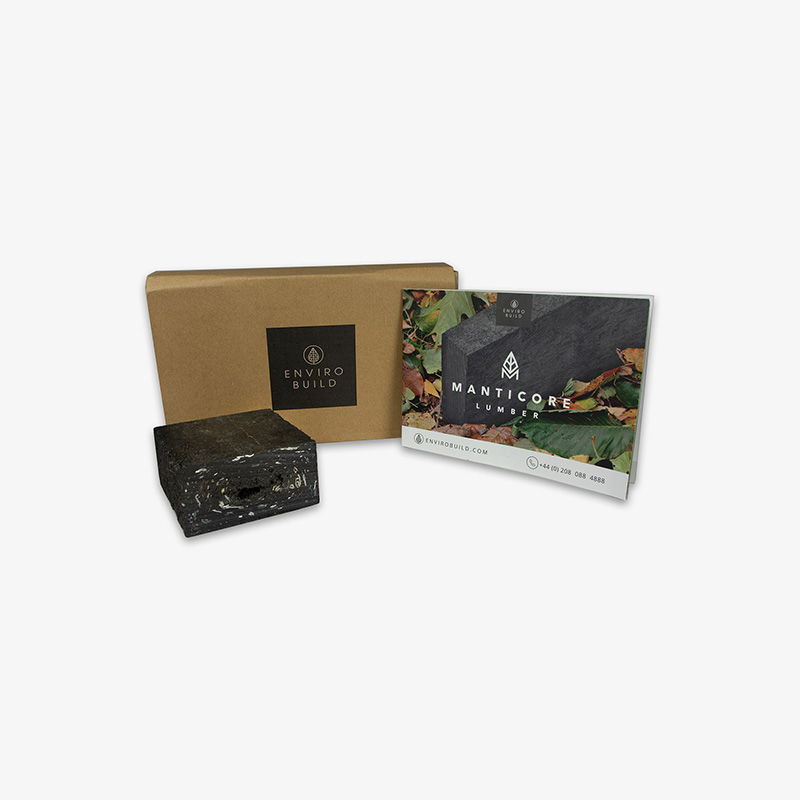
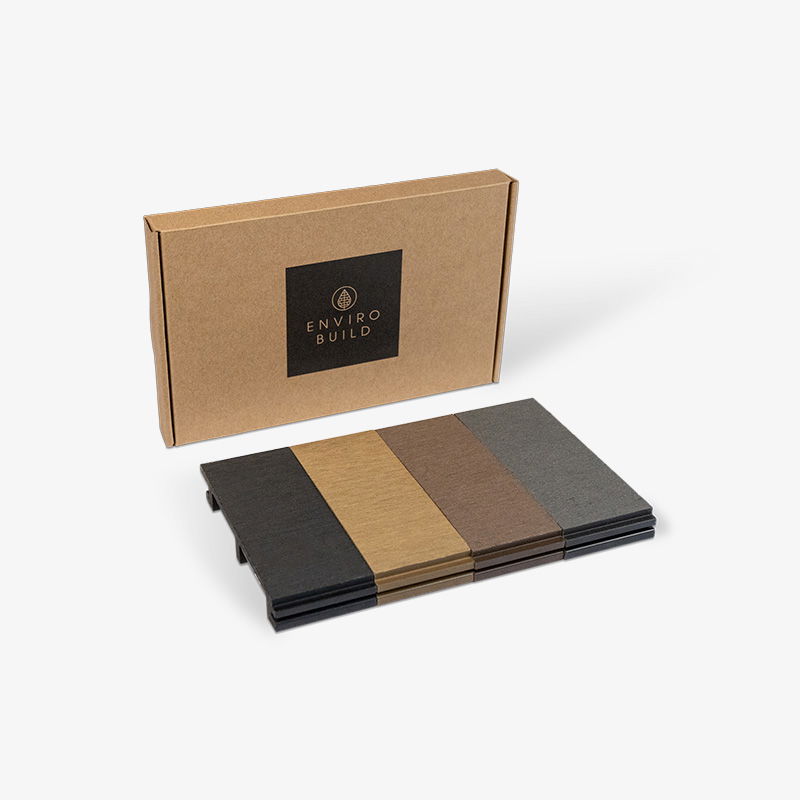
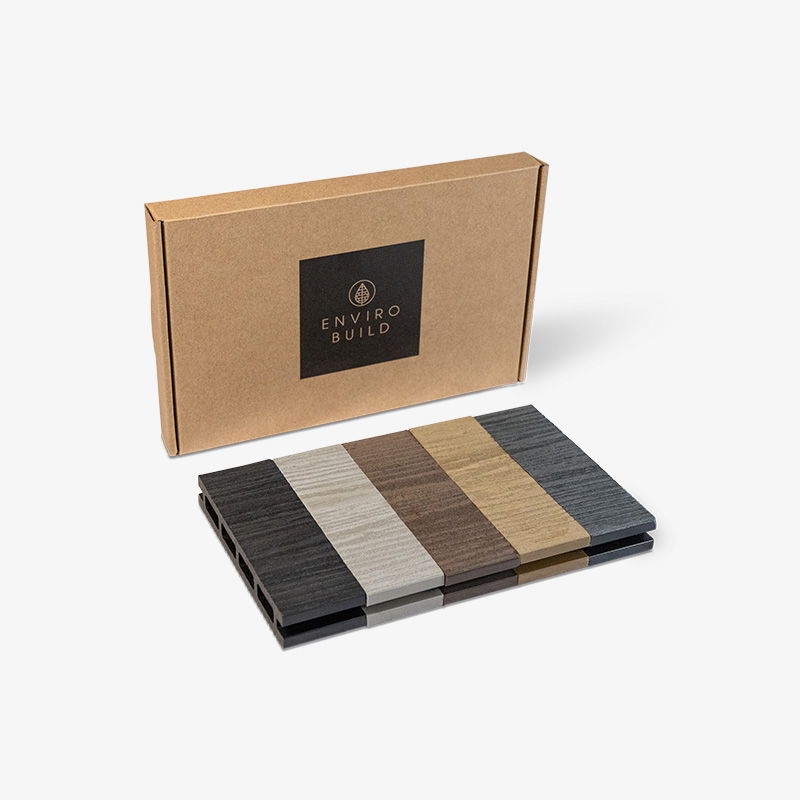
Ready to plan your boundary? Explore EnviroBuild’s full range of composite fence panels, slatted styles, retrofit kits and matching decking colours at envirobuild.com, or request free samples before you buy.