
Is Composite Decking Environmentally Friendly? A Straightforward, No Greenwash Answer
When sustainability is high on your list of priorities, it’s only natural to question the materials you use outdoors. Composite decking often comes up as a more eco-conscious alternative to timber, but it also attracts its fair share of scepticism. So let’s tackle the question properly: is composite decking environmentally friendly, or is that just clever marketing?
At EnviroBuild, sustainability isn’t a buzzword. It’s built into how our products are designed, manufactured and used over time. In this guide, we’ll break down what composite decking really is, how it’s made, and address the most common environmental concerns without greenwashing or exaggeration.

Author Name
Chief Writer
Thu, 28 Jul 2026
What Is Composite Decking Made From?
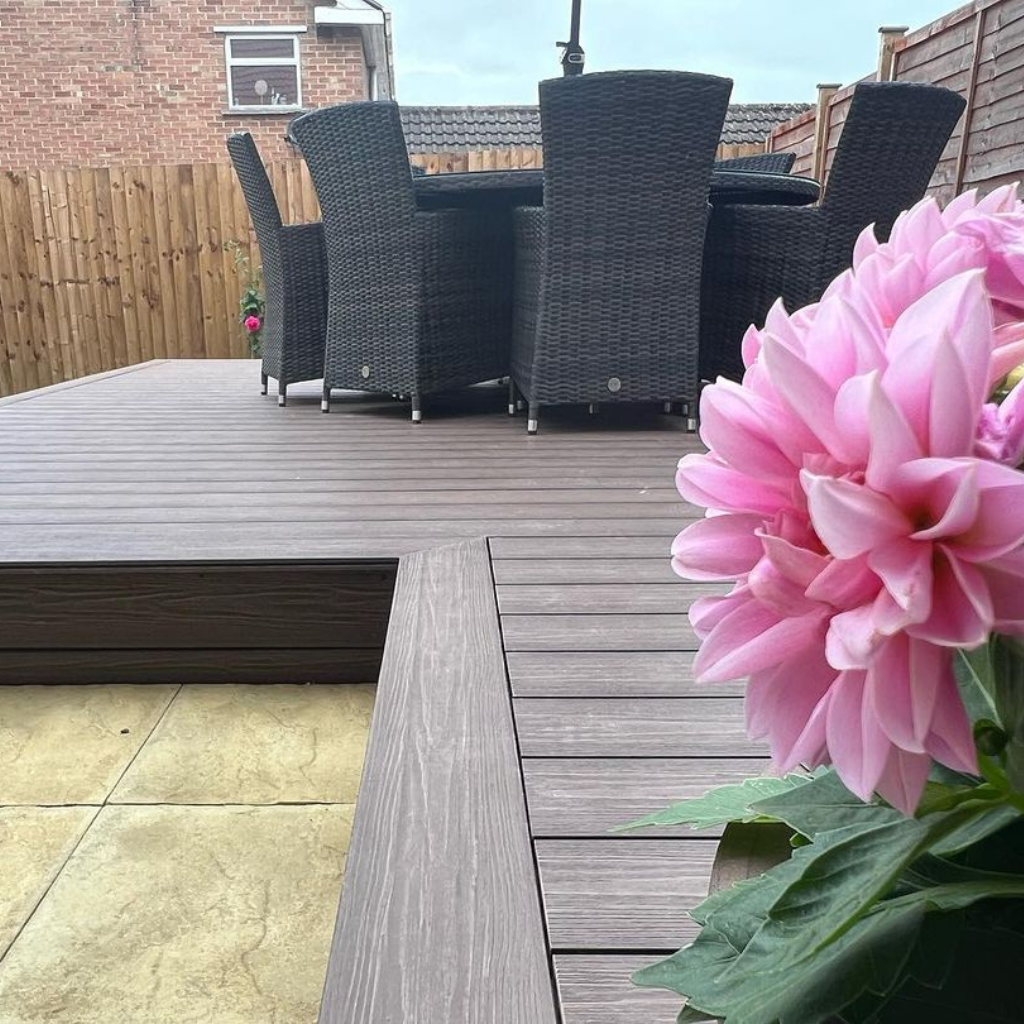
Composite decking is produced using a blend of wood fibres and plastic polymers. The wood fibres give boards their natural texture and appearance, while the plastics bind everything together, adding strength, moisture resistance and longevity. This combination allows composite decking to outperform traditional wood in outdoor conditions, especially when it comes to weather exposure and long-term wear.
You’ll often see people searching for “what is composite decking made of UK“, but regardless of location, the core question is the same: where do the materials come from, and how responsibly are they used?
How is EnviroBuild's Composite Decking Made?
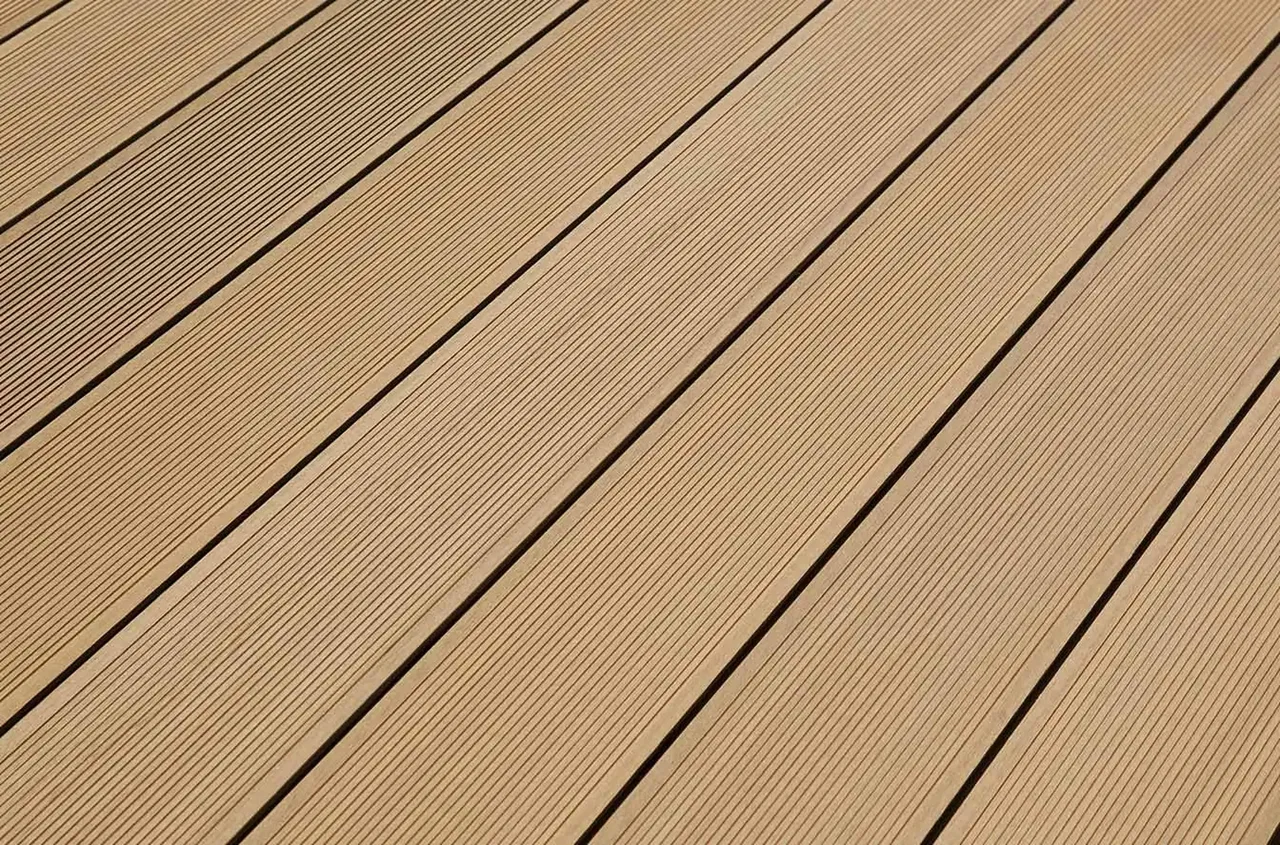
At EnviroBuild, material efficiency and waste reduction are central to our manufacturing process. Our composite decking is designed to make use of recycled materials wherever possible, reducing reliance on virgin resources.
EnviroBuild’s commitment to sustainability is clearly reflected across both of our composite decking ranges. Our Explorer composite decking range is manufactured using up to 87% recycled materials, while our Frontier composite decking range
goes even further, incorporating up to 90% recycled materials.
By using a high proportion of reclaimed wood fibres and recycled plastics in both ranges, EnviroBuild significantly reduces reliance on virgin materials and helps divert waste away from landfill, without compromising on strength, durability or performance. These recycled materials include reclaimed wood fibres and recycled plastics that would otherwise contribute to landfill waste. By reprocessing them into long-lasting decking boards, we’re able to extend the life cycle of these materials significantly.
Our composite decking is manufactured using 100% renewable energy. This reduces the environmental impact of production itself, not just the finished product. The question of ‘Is composite decking environmentally friendly?’ and sustainability isn’t only about what goes into a board, but also how that board is made.
Our Environmental Certifications and Commitments
Sustainability at EnviroBuild is independently verified, not just internally stated.
All wood materials used in our composite decking are FSC® certified, ensuring responsible forestry and supply chain transparency.
We are a member of the World Land Trust Carbon Balanced Programme, helping offset unavoidable carbon emissions.
We donate 10% of our profits to Rainforest Trust UK, supporting global rainforest conservation initiatives.
These commitments form part of our wider environmental responsibility strategy and support our mission to reduce long-term environmental impact across our product ranges.
Is Composite Decking Environmentally Friendly in Practice?
Environmental friendliness isn’t determined by a single factor. It’s the result of several combined benefits that add up over the lifespan of the product.
With recycled material content ranging from up to 87% to 90%, EnviroBuild composite decking diverts waste from landfill and reduces demand for newly extracted raw materials. This helps lower overall environmental pressure.
Manufacturing powered by renewable energy significantly reduces emissions compared to traditional production methods that rely on fossil fuels.
Composite decking is built to last for decades. Its resistance to rot, splintering, and moisture damage means it does not require frequent replacement. Fewer replacements reduce long-term material consumption, which is an important sustainability factor.
Taken together, these points explain why composite decking can be an environmentally responsible choice when it is carefully designed and produced.
Is Composite Decking Bad for the Environment?
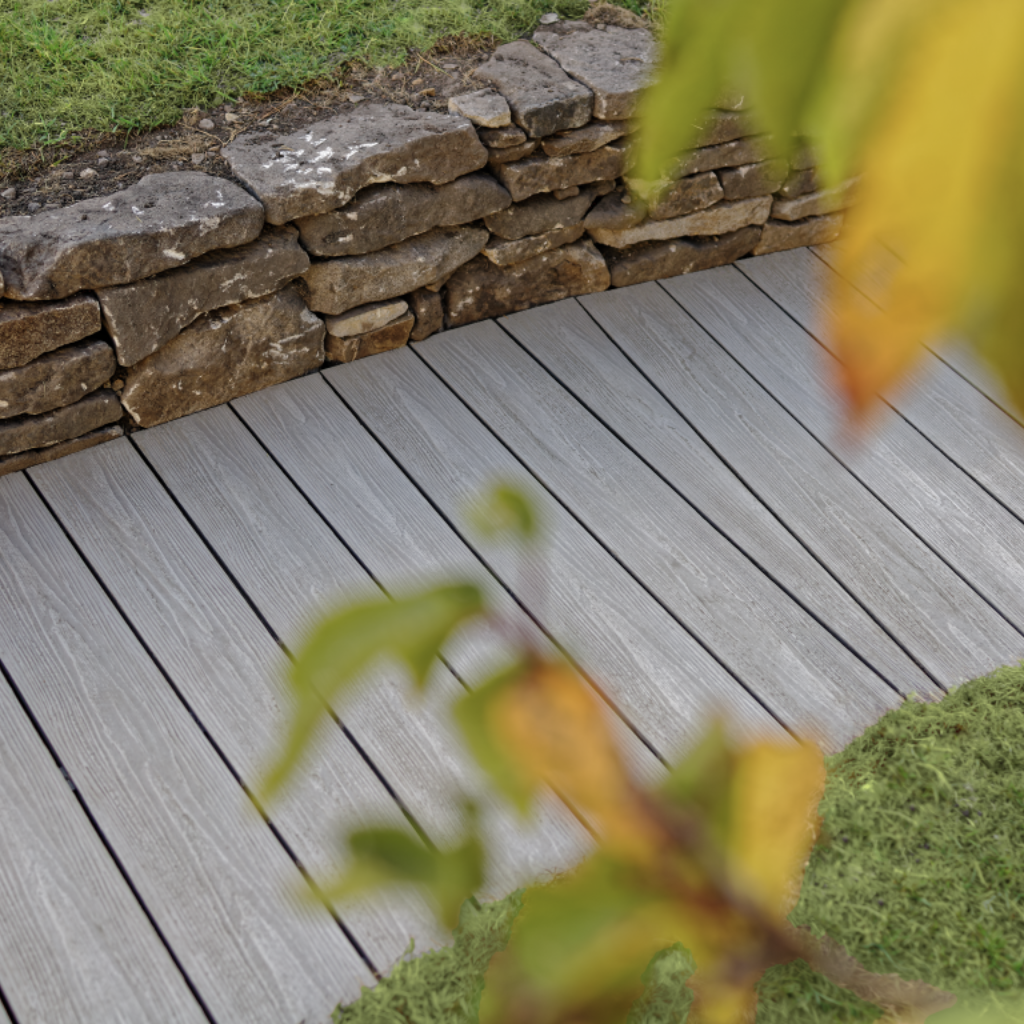
Is composite decking environmentally friendly? Is Composite Decking Bad for the Environment? Both of these are common and fair questions. The concern usually stems from the fact that composite decking contains plastic. So, is composite decking actually bad for the environment? The answer depends on how that plastic is sourced and used. Virgin plastics produced solely for new products can carry a high environmental cost. However, recycled plastics repurposed into durable, long-lasting materials tell a different story.
By using recycled plastics and wood fibres, composite decking reduces waste and prevents those materials from entering landfills or the natural environment. When combined with a long service life and low maintenance requirements, the overall environmental footprint is often lower thanthat of materials that need repeated replacement or intensive upkeep.
Is Composite Decking Toxic?
Another frequent concern of homeowners is the safety aspect of composite materials. People understandably want to know whether the materials used outdoors could pose any risks to families, pets or gardens. EnviroBuild composite decking does not require chemical treatments such as staining, sealing or preservative coatings that are commonly used on traditional timber.
These treatments often contain harsh chemicals and must be reapplied regularly over the life of a wooden deck. By contrast, composite decking is engineered to perform without these additional products. This reduces ongoing chemical exposure and makes it a safer, lower-maintenance option for everyday outdoor use.
Is Composite Decking Recyclable?
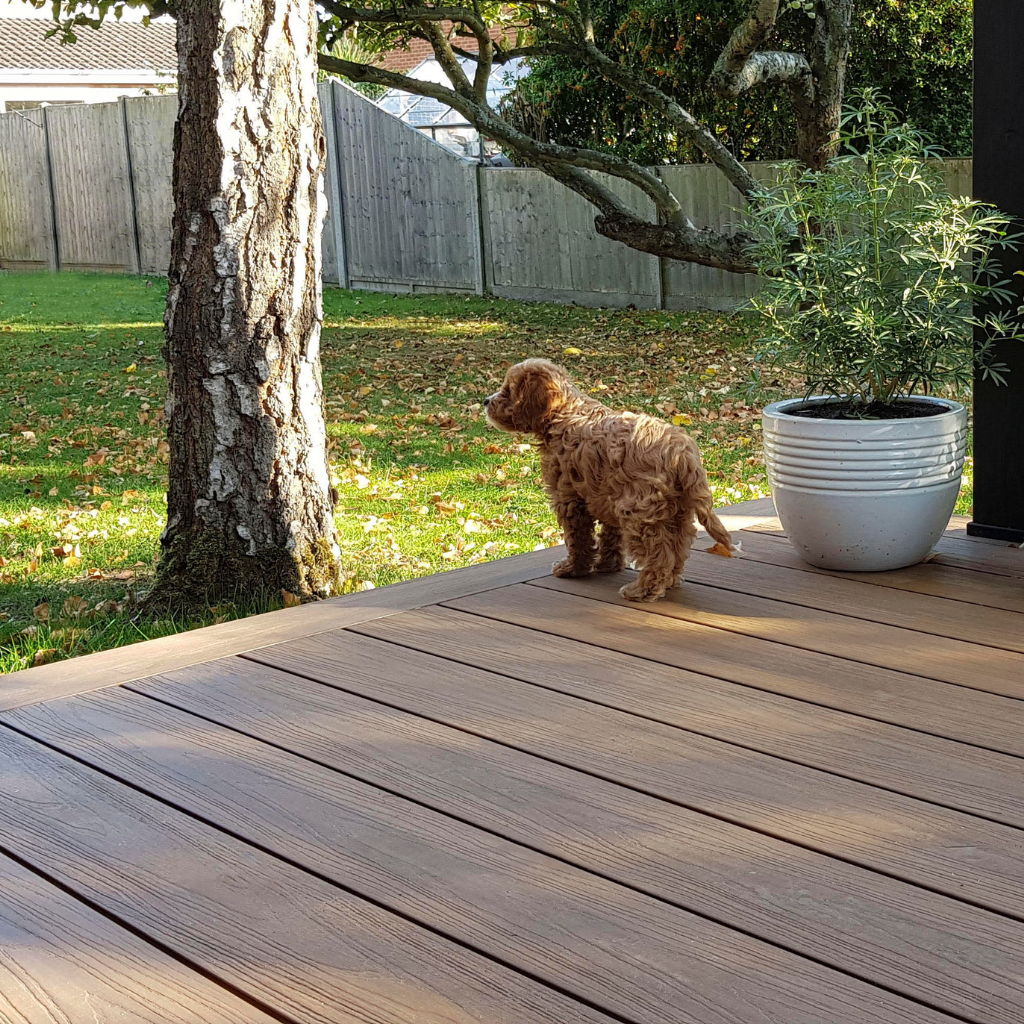
Yes, composite decking can be recyclable, depending on local recycling facilities and product composition.
Many modern composite decking boards are manufactured using a high percentage of recycled materials, supporting a circular approach where materials are reused rather than discarded. EnviroBuild composite decking is produced with up to 87% to 90% recycled content, reducing reliance on virgin resources from the outset.
Recycling processes at the end of life can vary by region, but the long lifespan of composite decking significantly reduces waste compared to short-lived timber alternatives. By combining recycled inputs with long-term durability, composite decking supports a more sustainable material cycle overall.
Composite vs Wood Decking: Which Is Better for the Environment?
Choosing between materials often comes down to comparing impact over time. Which is best, composite or wood decking, from an environmental perspective?
Wood is a natural, renewable material, but it often requires regular maintenance using chemical treatments and has a shorter lifespan outdoors. Timber decking can warp, rot or splinter, leading to earlier replacement and higher long-term material consumption.
Composite decking, on the other hand, uses recycled materials, requires minimal maintenance, and is designed to last for decades. When you factor in durability, reduced waste, and lower ongoing resource use, composite decking offers a compelling environmental advantage over the long term.

Is Composite Decking Environmentally Friendly? Make a More Sustainable Decking Choice
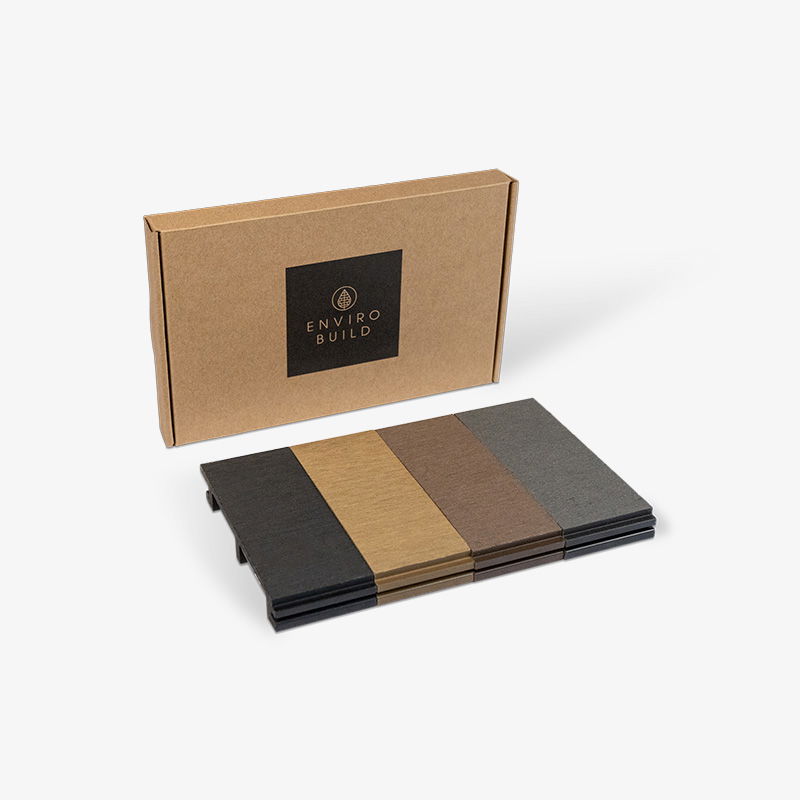
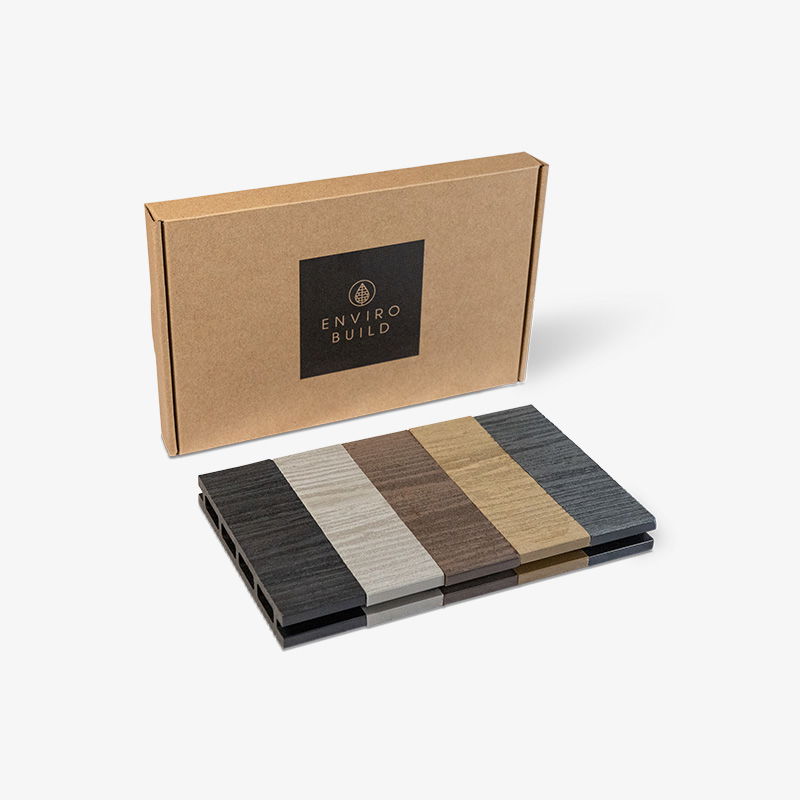
If you’re planning an outdoor space, are concerned with the question ‘Is composite decking environmentally friendly?’, and want to reduce environmental impact without sacrificing performance or aesthetics, composite decking is well worth considering. At EnviroBuild, we design our decking ranges to balance sustainability, durability and visual appeal. Explore our fantastic composite decking options with our two ranges, the Frontier and the Explorer. If you are unsure which of our decking boards to order, you can conveniently order your own free sample packs
so that you can compare the finishes and colours in the comfort of your own home.
Once you have decided which boards you would like to order, you can make use of our
decking calculator to work out how many boards and accessories you need and also how much it will cost. EnviroBuild remains your more informed, environmentally responsible choice for your next project.
If you’re exploring environmentally friendly options for your home, we also offer aluminium decking, fibre cement decking, 100% recycled plastic decking, composite cladding, aluminium cladding, composite fencing, porcelain paving, and the substructure systems that support them.