

Waterproof & Slip Resistant Composite Decking: What Makes Composite Decking Waterproof?
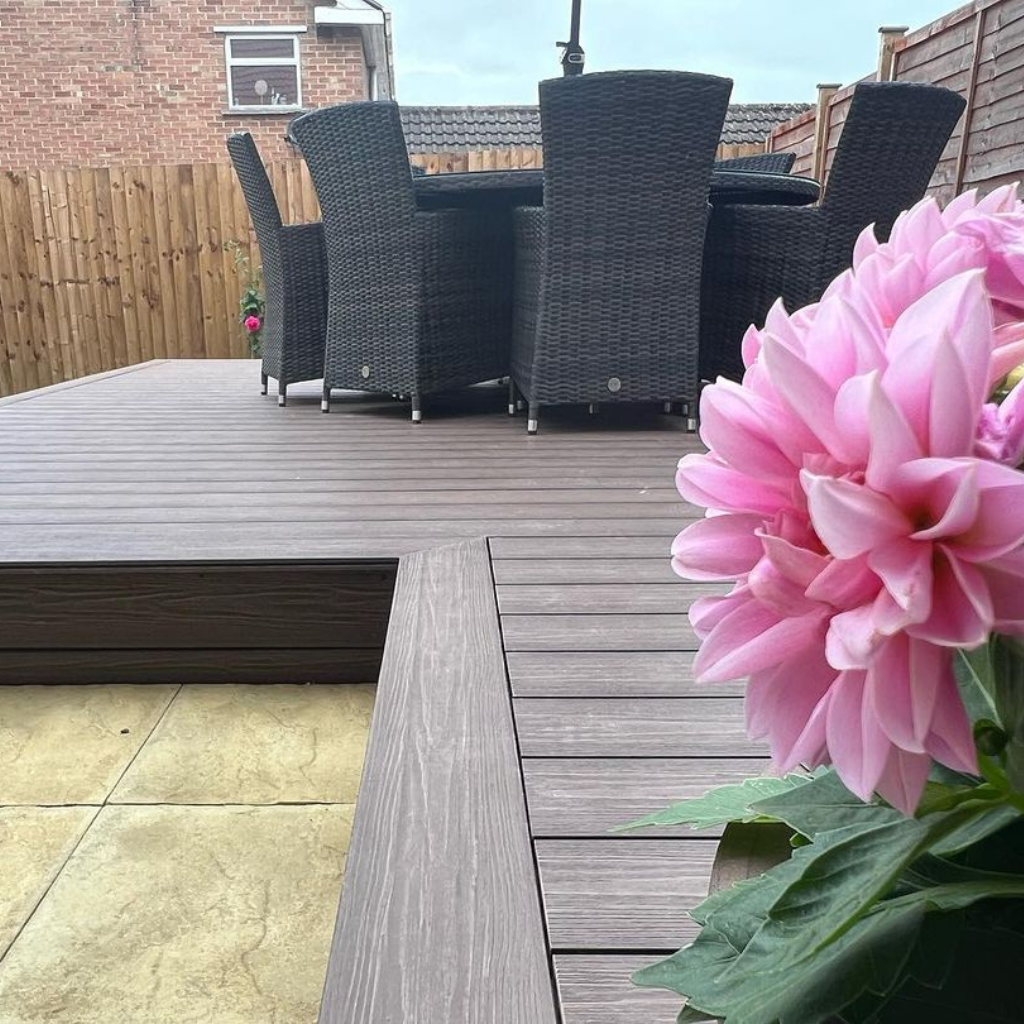
The unique structure of composite decking plays a crucial role in water resistance. Unlike natural wood, which absorbs moisture and is prone to warping, rotting, or splitting, our boards combine recycled wood fibres with high-quality polymers to create a dense, low-porosity surface.
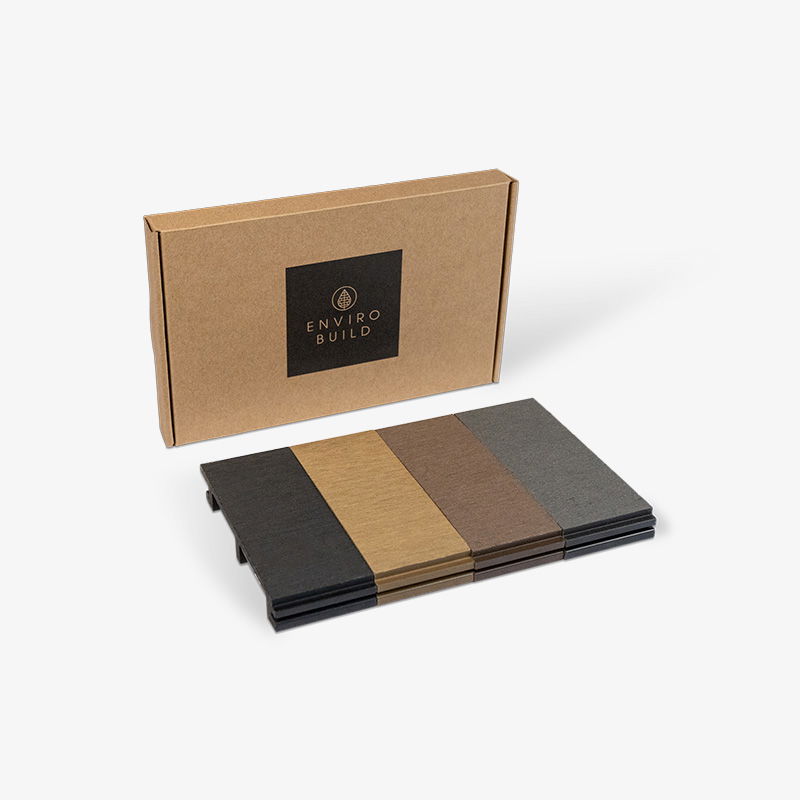
Capped boards, like those in our Frontier collection, take this even further by adding a protective plastic sleeve around each board. This not only keeps water out but also makes them highly resistant to staining and fading. Waterproof & slip resistant composite decking ensures longevity while reducing the need for frequent treatments, saving time and money in the long run.
Does Waterproof Composite Decking Prevent Mould?
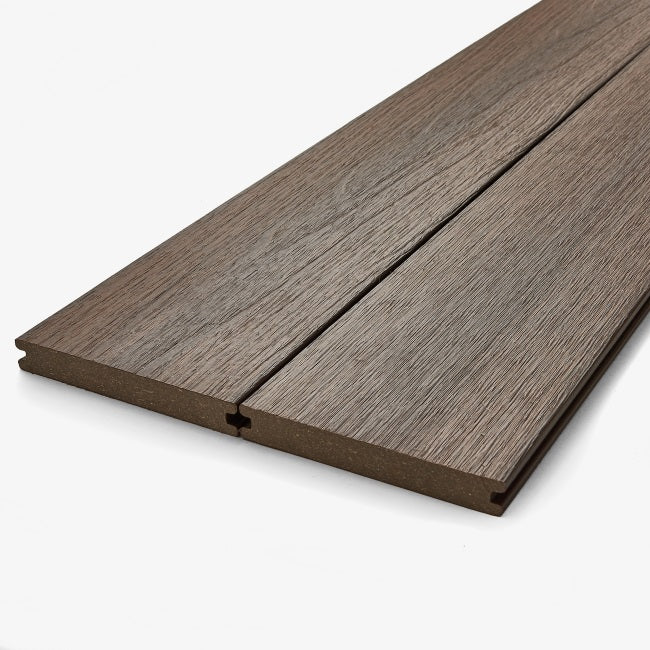
Another concern for outdoor spaces is mould and algae growth. Timber, when exposed to rain and humidity, quickly becomes a breeding ground for mildew. Our capped composite boards, however, are designed to lock out excess moisture, significantly reducing the likelihood of mould build-up.
This makes waterproof & slip resistant composite decking an ideal choice for shaded gardens or damp areas where timber would struggle. Regular sweeping with a broom and cleaning with a mild soap and soft brush keeps the boards fresh, but the underlying protection of the capped surface ensures a long-term barrier against mould and algae.
Waterproof & Slip Resistant Composite Decking: Best Slip-Resistant Composite Decking Options
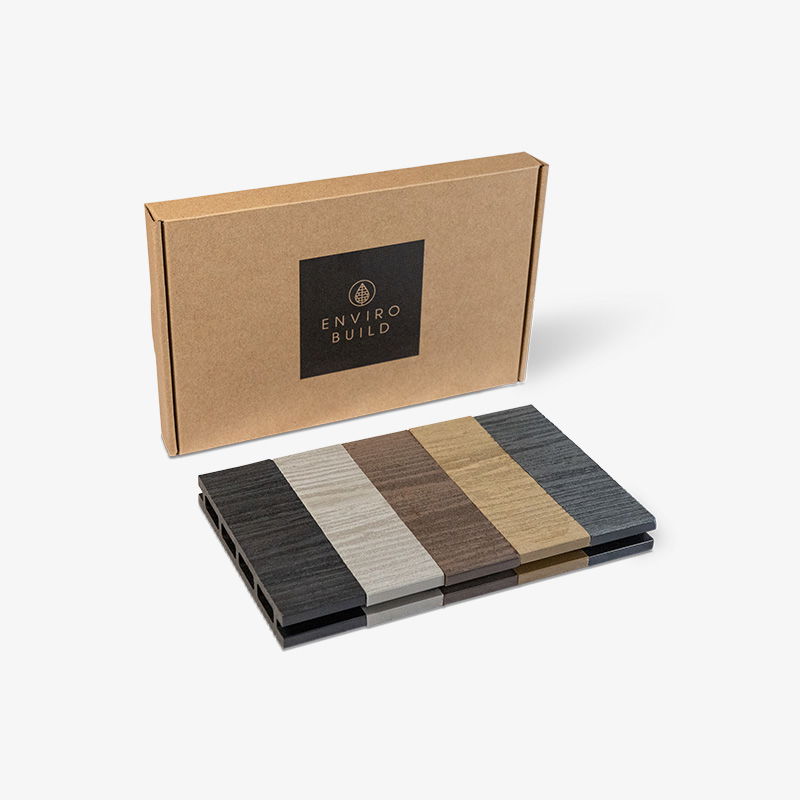
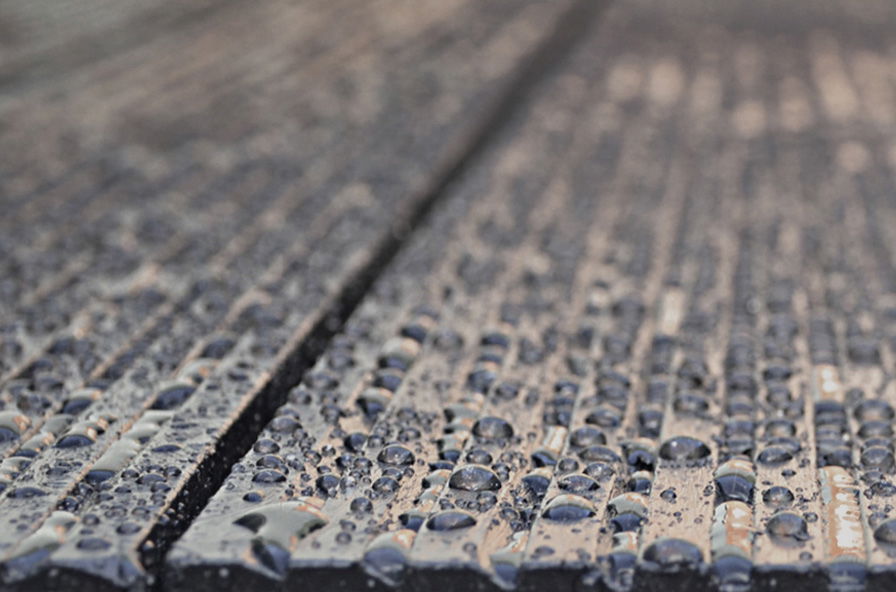
Safety is a top priority, particularly for families with children, elderly relatives, or pets. Our decking ranges have been specifically engineered with safety in mind. In fact, our Explorer boards feature deep embossed grain patterns that provide excellent grip, even when wet. This makes them one of the best examples of composite decking anti slip solutions in the UK. Combined with our 15-year warranty on this range, customers can invest with confidence knowing that their deck is one of the safest they can buy.
Waterproof & Slip Resistant Composite Decking: Comparing Smooth vs. Textured Slip-Resistant Decking
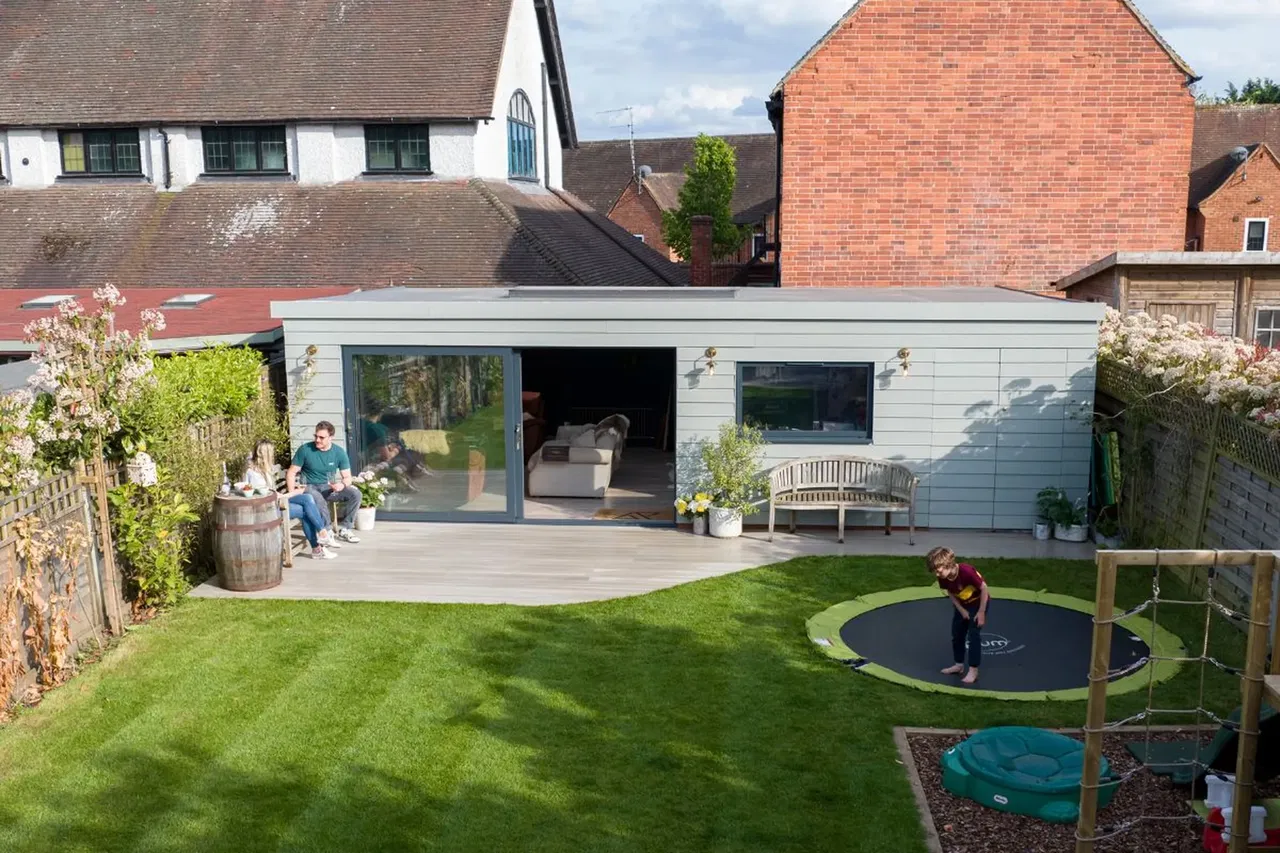
The finish of your decking plays a major role in slip resistance. Smooth boards may have a sleek, modern look but can sometimes feel less secure underfoot. By contrast, textured or embossed boards offer more grip and are generally preferred in high-traffic or outdoor entertainment areas.
Our waterproof & slip resistant composite decking comes in both styles, allowing you to choose the look that suits your design vision while still ensuring safety. For commercial spaces, textured finishes are often the go-to option, while homeowners may opt for smoother finishes in sheltered or covered areas.
Best Slip-Resistant Composite Decking for Pool Areas
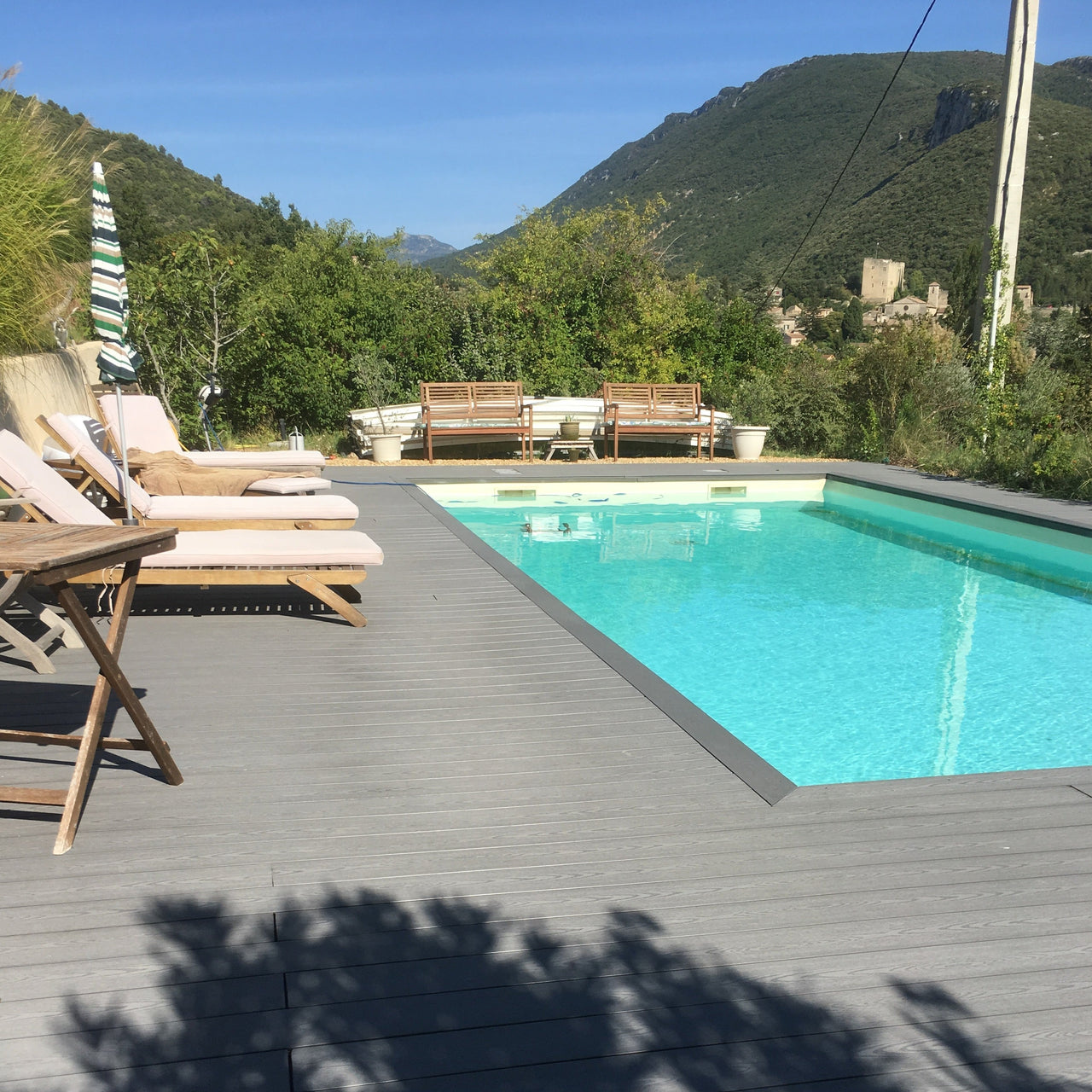
Poolside environments present unique challenges: standing water, chlorine, and salt exposure. Timber decking in these conditions can quickly become hazardous. That’s why we recommend non-slip composite decking UK customers can rely on for pool surrounds.
Our capped boards are engineered to withstand constant exposure to water and chemicals, while their slip-resistant textures ensure safe footing. Waterproof & slip resistant composite decking is therefore not just a practical choice, but also one that blends seamlessly into stylish outdoor pool and spa designs.
How to Improve Slip Resistance on an Existing Composite Deck
If you already have an older deck, there are still ways to improve its safety. Regular cleaning to remove dirt, algae, and debris will help keep the surface grippy. You can also add anti-slip strips or mats in particularly high-traffic zones or more dangerous areas such as steps.
For those looking to upgrade, replacing older timber or worn-out boards with modern waterproof & slip resistant composite decking provides a long term solution that requires less maintenance and delivers better results.
Slip Resistance Ratings for Composite Decking Explained
When choosing decking, understanding how slip resistance ratings work is important. In the UK, decking is tested using the Pendulum Test Value (PTV). Boards with a PTV rating above 36 are considered low slip risk, even in wet conditions.
At EnviroBuild, we’re proud that our decking consistently achieves excellent results in these tests. You can read more about our specific results in this article: Is composite decking slippery when wet? This ensures customers get the safest option available and removes uncertainty about whether composite decking slippery concerns apply. With our products, safety comes as standard.
How to Prevent Water Damage on Composite Decking
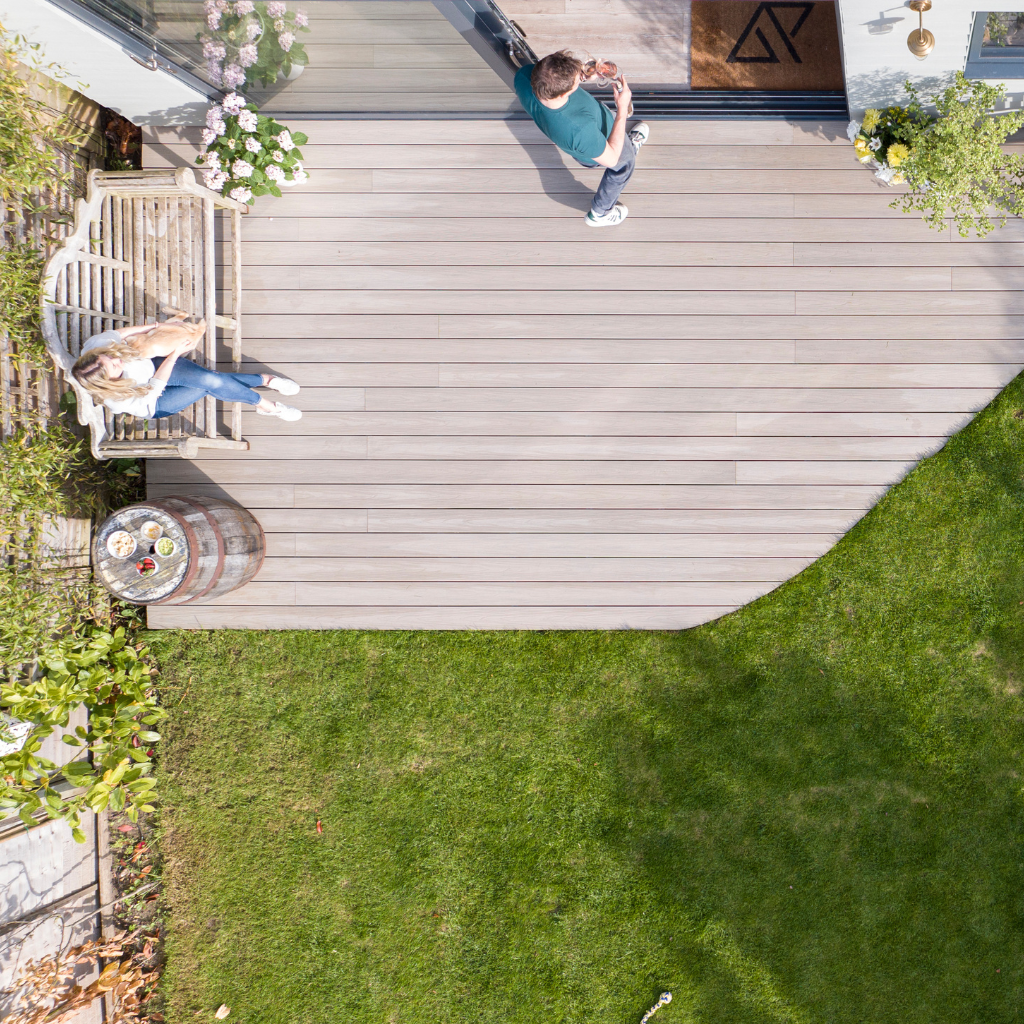
Although our boards are designed to resist moisture, proper installation and maintenance remain important. Ensuring good ventilation beneath the deck, using correct fixings, and allowing for expansion gaps will all help prevent water from pooling. Waterproof & slip resistant composite decking, when combined with correct installation , guarantees a deck that lasts for decades without the common issues of timber such as warping, splitting, or rot.
Waterproof & Slip Resistant Composite Decking: How to Maintain Waterproof Composite Decking
One of the biggest advantages of composite is its low maintenance. Unlike timber, which needs regular sanding, sealing, or staining, composite only requires the occasional wash with warm soapy water. This raises the question: how often should you replace decking? With timber, replacements may be necessary every 10–15 years. With our composite ranges, you can expect up to 25 years of reliable performance thanks to superior durability. Waterproof & slip resistant composite decking saves homeowners time, effort, and money on upkeep.