
Capped vs Uncapped Composite Decking: Which Should You Choose?
Quick answer:
Capped composite decking has a protective outer layer bonded to the board, giving it extra resistance to staining, fading and moisture ingress. Uncapped composite decking has no additional outer layer, the wood-plastic composite forms the surface directly, giving it a more natural texture at a lower cost. Both are low-maintenance alternatives to timber. The right choice depends on your budget, how much surface protection you want and the finish you prefer.
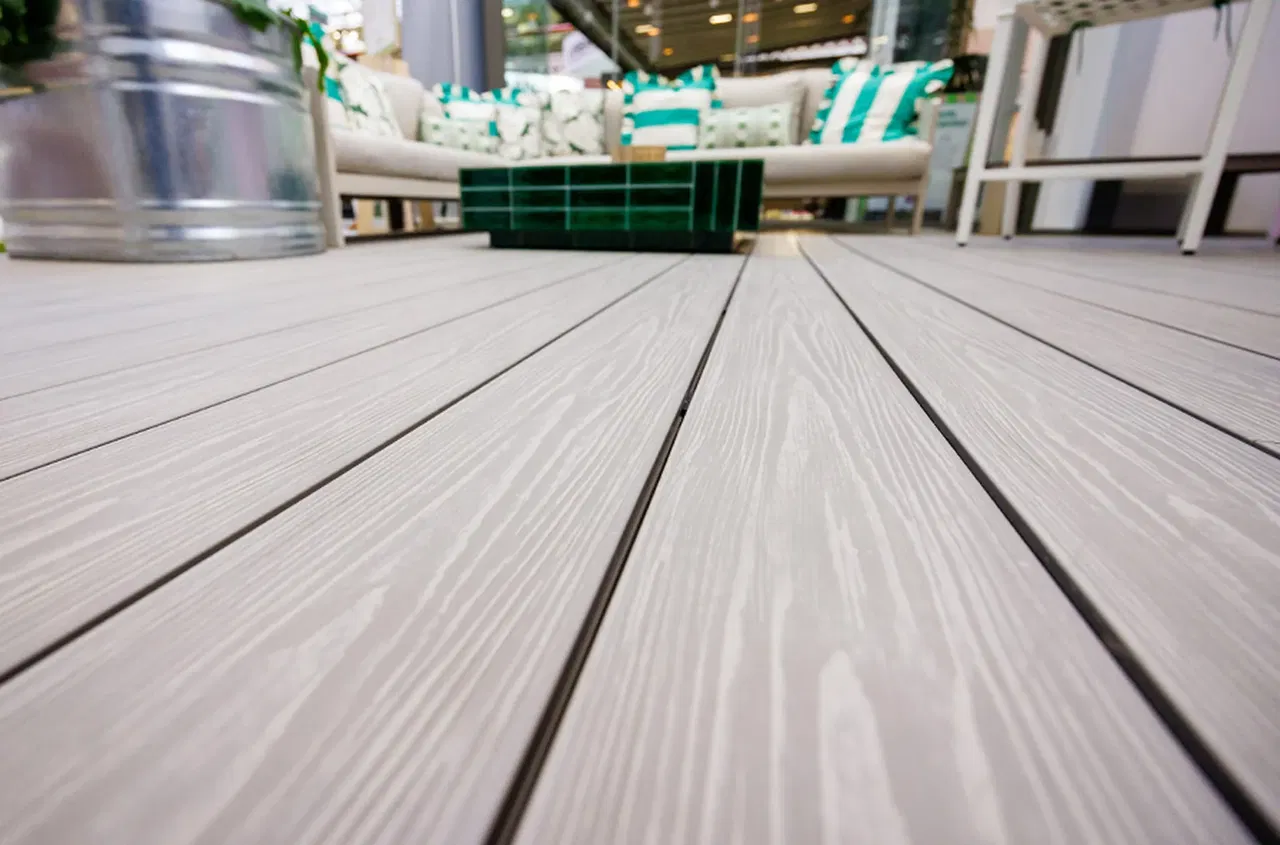
What's the difference between capped and uncapped composite decking?
Composite decking boards are made from a mix of wood fibres and recycled plastic. Whether that mixture is protected by an additional layer determines whether a board is capped or uncapped:
Capped composite decking
has a thin protective shell, usually a plastic polymer layer, bonded to the surface (and sometimes all sides) of the board during manufacturing. This layer sits on top of the wood-plastic composite core.
Uncapped composite decking
has no additional layer. The wood-plastic composite itself forms the walking surface, with nothing added on top.
This is a separate distinction from hollow vs solid core construction, a board can be capped or uncapped regardless of whether its internal structure is hollow or solid. Read our hollow vs solid composite decking guide for that comparison.
Capped decking: advantages and trade-offs
Advantages:
Extra stain resistance:
the protective layer makes it harder for spills, food or drink to mark the surface.
More resistant to fading:
the cap is usually engineered to hold colour for longer under UV exposure than an uncapped surface.
More resistant to moisture absorption:
the outer layer adds a barrier against water ingress at the surface.
Trade-offs:
Higher cost:
the additional manufacturing layer typically makes capped boards more expensive than uncapped equivalents.
Surface can feel less natural:
some homeowners find the capped surface feels slightly more plastic-like underfoot compared with an uncapped board.
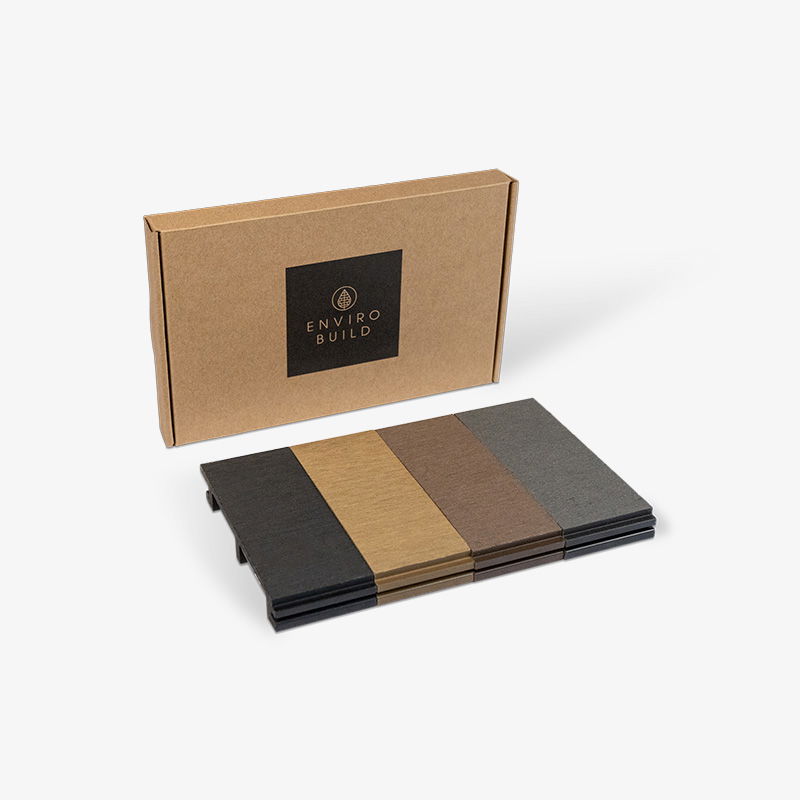
Shop the Frontier capped decking range or order a FREE Frontier decking sample pack
Uncapped decking: advantages and trade-offs
Advantages:
Lower cost:
without the extra manufacturing layer, uncapped boards are typically more affordable.
More natural texture and grip:
the composite surface itself tends to feel closer to timber underfoot.
Ages into a natural, weathered tone:
the colour fades over the first few months outdoors before settling into a consistent shade, similar to how real timber weathers.
Trade-offs:
Less resistant to staining:
without a protective layer, spills are more likely to mark the surface if not cleaned promptly.
Colour will change after installation:
the initial fading period means the board won't keep its as-installed colour long-term, which may not suit buyers who want a fixed colour from day one.
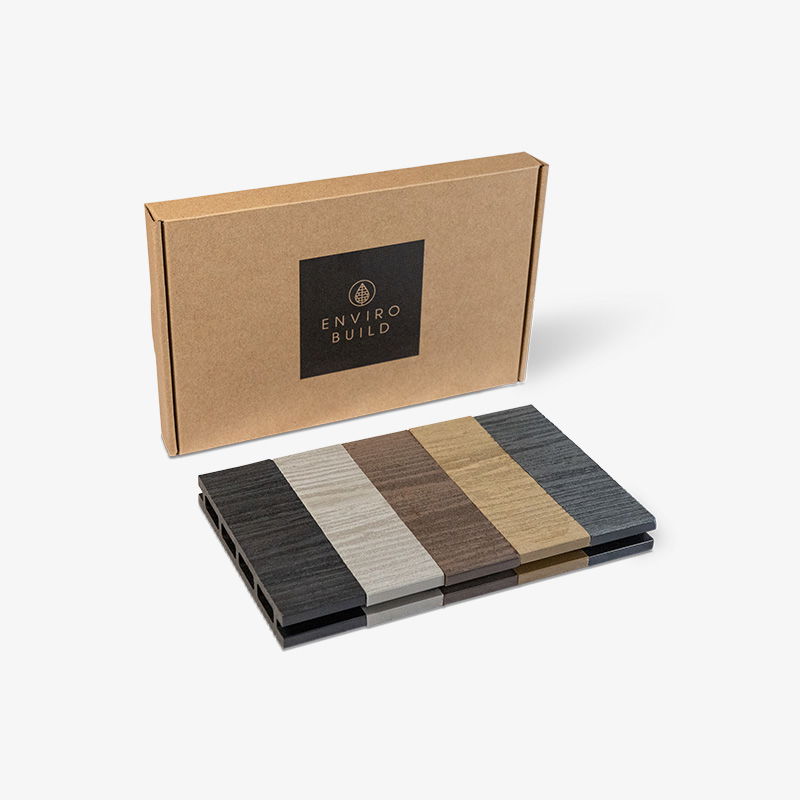
Shop the Explorer uncapped decking range or order a FREE Explorer decking sample pack
Capped vs uncapped composite decking: head-to-head
Capped
Uncapped
Typical cost
Higher
Lower
Stain resistance
Higher
Lower
Colour stability
More stable over time
Fades over first few months, then stabilises
Surface feel
Slightly plastic feel
Wood-like feel
Moisture resistance
Higher
Lower
Which one should you choose?
Choose capped decking if
you want maximum stain and fade resistance with minimal colour change over time, or your deck will see heavy footfall and use.
Choose uncapped decking if
you want a more natural texture and grip underfoot, you're comfortable with an initial fading period as the board settles into its long-term shade, or you want to keep costs down without compromising on low-maintenance performance.
Both capped and uncapped composite decking are engineered to avoid the sanding, staining, and sealing that timber decking requires, the difference is in surface protection and finish, not overall lifespan or low-maintenance credentials.
Frequently Asked Questions
If you don’t find the answer you're looking for, our team of experts is here to help. Give us a call on 020 8088 4888.
No. Like capped decking, uncapped composite decking never needs sanding, staining, or sealing. The only difference is that uncapped boards go through an initial fading period after installation, settling into a consistent shade within the first few months.
Capped boards require an additional manufacturing layer bonded to the composite core, which adds to production cost. Uncapped boards skip this step, keeping the price lower while still delivering the core low-maintenance benefits of composite decking.
No. The colour change happens mainly in the first few months after installation as the board settles into its long-term shade. After that, the colour remains consistent under normal use.
It's not recommended. The two board types can have different surface textures, colour behaviour, and sometimes thicknesses, so using one type consistently across a deck gives the most uniform result.
Ready to Transform Your Outdoor Space?
Take the next step with EnviroBuild composite decking. Whether you're ready to buy or just exploring, our team is here to help you build your dream project.
Contact Us
Our team of experts is here to answer your questions.
Contact Now
Order Free Samples
Feel the quality and see the colours before you buy.
Get Samples
Decking Calculator
Estimate exactly how many boards your project needs.
Calculate Now
Request a Quote
Get a tailored price for your complete decking project.
Get Quote