
Hollow vs Solid Composite Decking: Which Should You Choose?
Quick answer:
Hollow composite decking boards have an internal chamber structure, making them lighter and more affordable, while solid composite decking boards are dense all the way through, giving them extra weight, a more substantial feel underfoot, and typically a higher load-bearing capacity. Both are durable, low-maintenance alternatives to timber, the right choice depends on your budget, the deck's intended use, and how it will be installed.
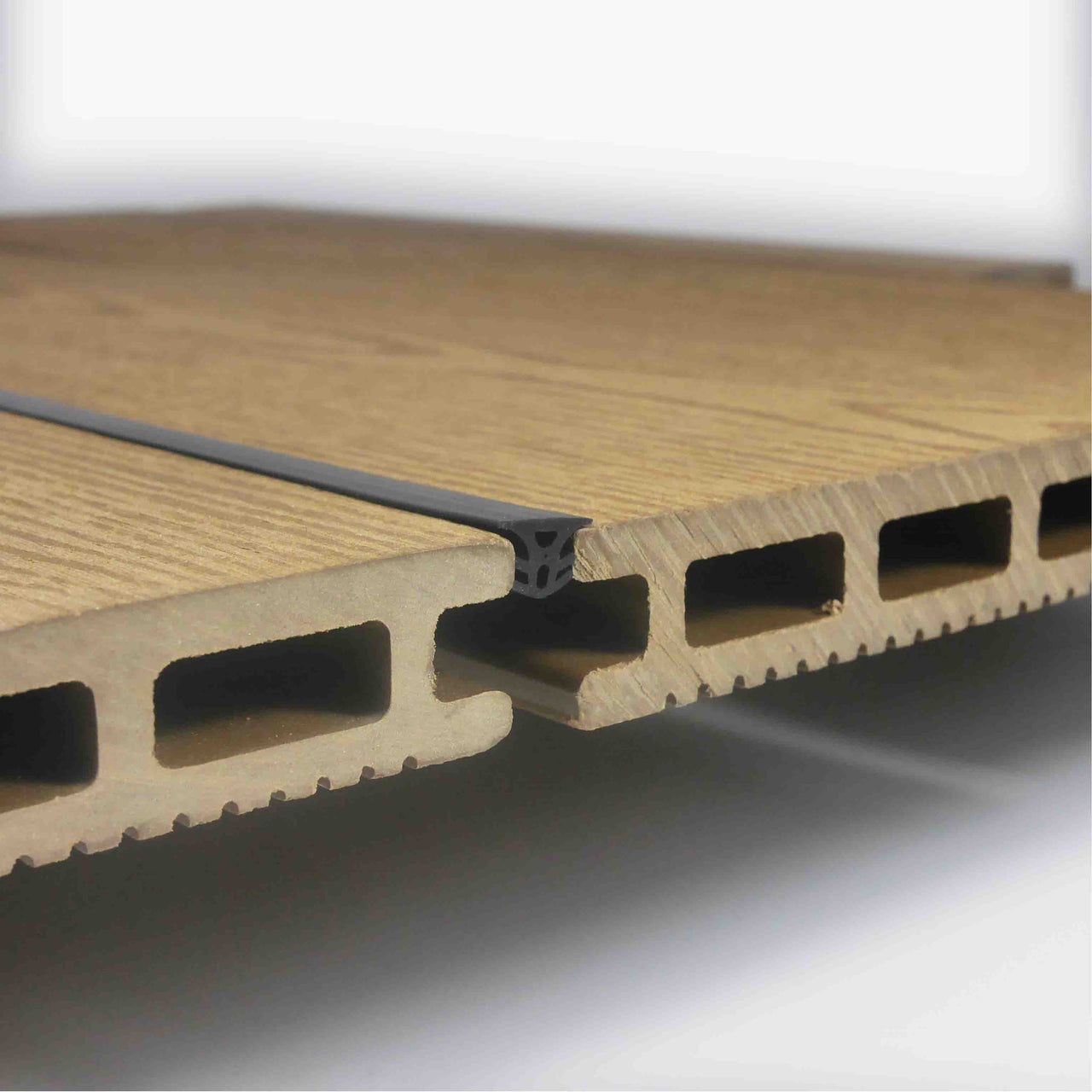
What's the difference between hollow and solid composite decking?
Composite decking boards are made from a mix of wood fibres and recycled plastic. How that mixture is shaped determines whether a board is hollow or solid:
Hollow composite decking
is manufactured with internal chambers running the length of the board, similar to a honeycomb structure. This reduces the amount of material used, making each board lighter without sacrificing the strength needed for typical residential decking.
Solid composite decking
is manufactured as one solid board, with no internal chambers. This uses more material per board, resulting in a heavier, denser product.
Both structures are then either capped (with a protective outer layer) or uncapped, that's a separate distinction from hollow vs solid, and boards can be built either way regardless of whether they're hollow or solid inside. Read our capped vs uncapped composite decking guide.
Hollow core decking: advantages and trade-offs
Advantages:
Lighter to handle:
easier to carry, cut, and install on site, particularly useful for solo installers or tricky access sites.
Lower material cost:
using less raw material generally makes hollow boards more affordable per square metre.
Easier to work with:
lighter boards are typically quicker to manoeuvre during installation, which can reduce labour time.
Trade-offs:
Lower load-bearing capacity:
the chamber structure means hollow boards are usually rated for slightly shorter joist spans than solid boards of the same dimensions, so check manufacturer span tables for your specific project
Can sound different underfoot:
the internal cavity sometimes produces a slightly hollow sound when walked on, particularly if the substructure isn't fully supported
End caps often required:
cut ends of hollow boards typically need an end cap fitted to stop debris or moisture entering the chamber
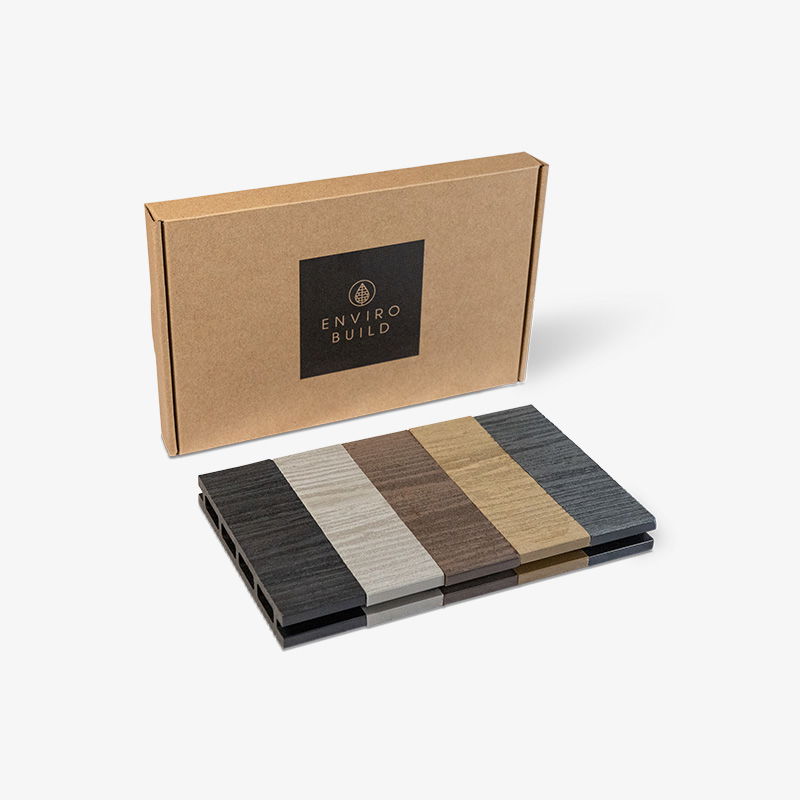
Shop the Explorer hollow-core decking range or order a FREE Explorer decking sample pack
Solid core decking: advantages and trade-offs
Advantages:
Higher density, more substantial feel:
solid boards feel heavier and firmer underfoot, which some homeowners prefer for a premium look and feel.
Stronger load-bearing capacity:
generally rated for longer joist spans than hollow boards, which can reduce the number of joists needed in a substructure.
No hollow sound:
being solid all the way through, they don't produce the cavity sound sometimes associated with hollow boards.
Trade-offs:
Heavier to handle:
more physically demanding to carry and install, particularly on larger decking projects.
Higher material cost:
using more raw material per board typically makes solid decking more expensive than hollow equivalents.
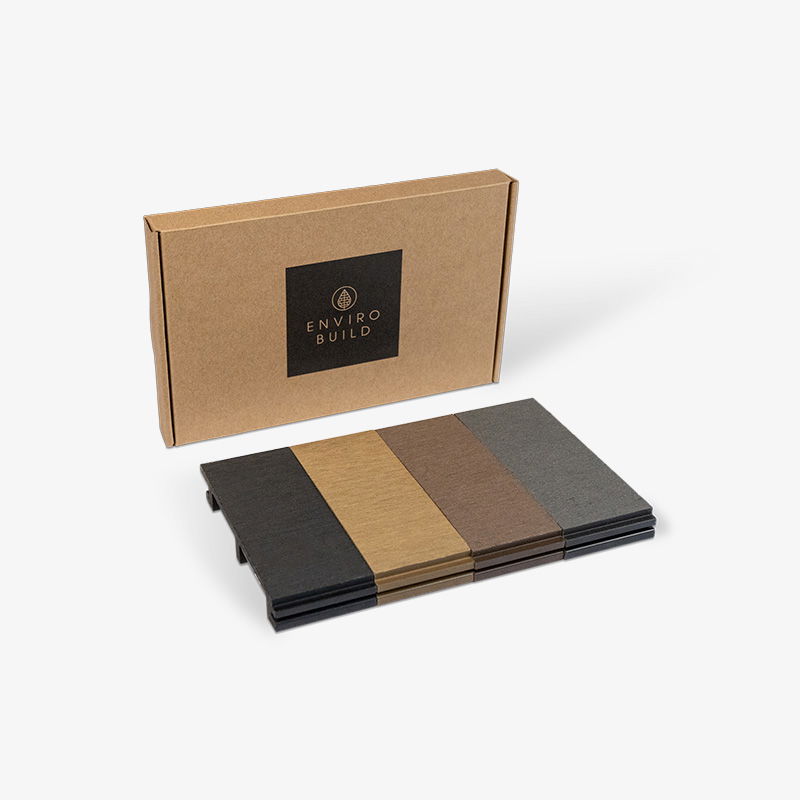
Shop the Frontier solid-core decking range or order a FREE Frontier decking sample pack
Hollow vs solid composite decking: head-to-head
Hollow Core
Solid Core
Weight
Lighter
Heavier
Typical Cost
Lower
Higher
Underfoot Feel
Lighter
Denser
Load-bearing Span
Shorter joist spans typically
Longer joist spans typically
Ease of Installation
Easier to handle and cut
More physically demanding
Which one should you choose?
Choose hollow core decking if
you're working to a tighter budget, want a lighter board that's easier to install yourself, or are decking a smaller residential garden where load-bearing spans aren't a major concern.
Choose solid core decking if
you want the most substantial, premium feel underfoot, you're decking a larger area where longer joist spans reduce substructure costs, or the deck will see heavy daily use, such as a commercial setting or a busy family garden.
Neither option is more "durable" than the other in terms of lifespan, both hollow and solid composite decking are engineered to resist rot, splintering, and fading, and typically carry similar warranty terms. The decision comes down to budget, handling, and the feel you want underfoot, not which one lasts longer.
Frequently Asked Questions
If you don’t find the answer you're looking for, our team of experts is here to help. Give us a call on 020 8088 4888.
Hollow composite decking is strong enough for standard residential use, but it's typically rated for shorter joist spans than solid decking of the same dimensions. Always check the manufacturer's span tables to confirm the right joist spacing for your project.
It depends on your priorities. Solid decking offers a denser, more premium feel and typically a longer joist span, which can reduce substructure costs on larger projects. For smaller, budget-conscious projects, hollow decking delivers similar durability at a lower price point.
It can. The internal chamber structure sometimes produces a slightly hollow sound underfoot, especially if the substructure isn't fully supported. Solid decking doesn't have this characteristic, as there's no internal cavity.
It's not recommended. Different board types can have different thicknesses, weights and installation requirements, so it's best to use one type consistently across a single deck for a uniform finish and predictable structural performance.
Ready to Transform Your Outdoor Space?
Take the next step with EnviroBuild composite decking. Whether you're ready to buy or just exploring, our team is here to help you build your dream project.
Contact Us
Our team of experts is here to answer your questions.
Contact Now
Order Free Samples
Feel the quality and see the colours before you buy.
Get Samples
Decking Calculator
Estimate exactly how many boards your project needs.
Calculate Now
Request a Quote
Get a tailored price for your complete decking project.
Get Quote