

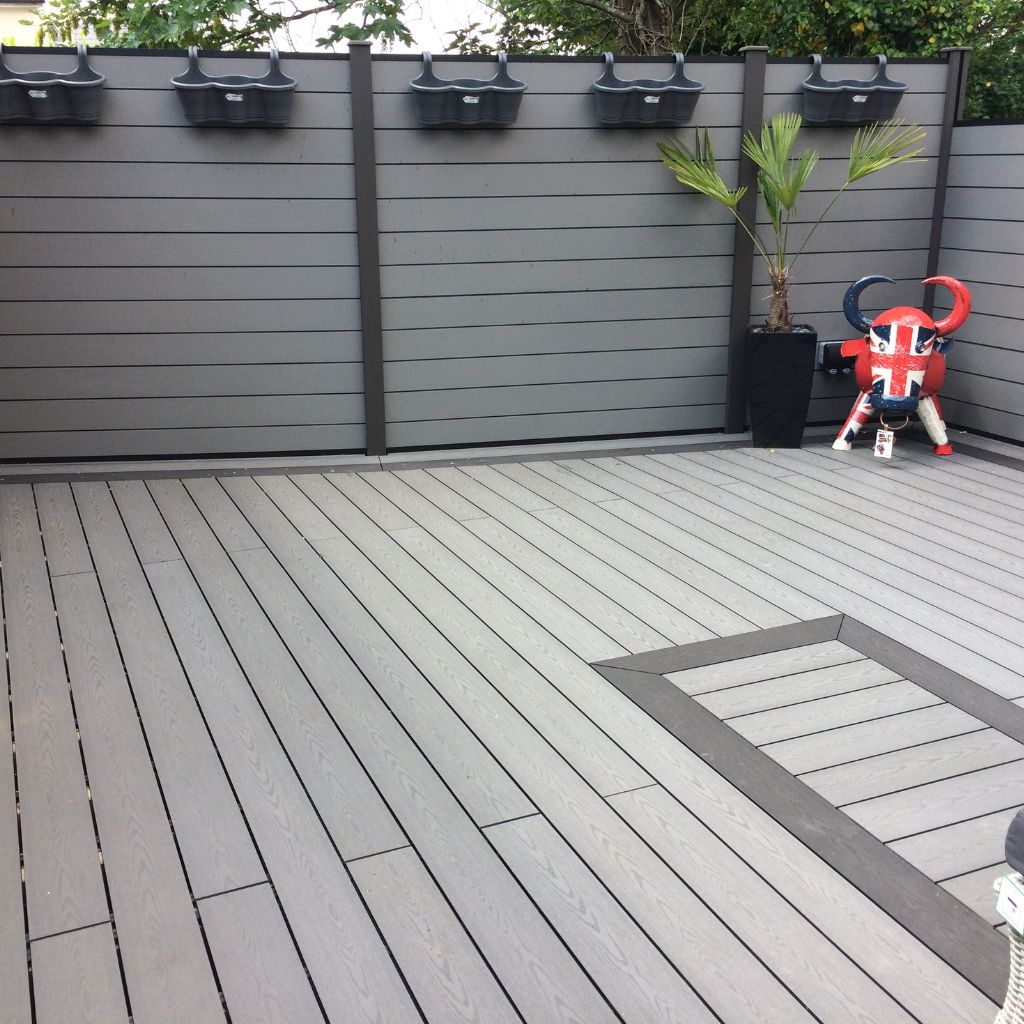
Timber, Composite or Plastic Decking: We Help You Choose in 10 Minutes
Before getting into the detail, it helps to see how the three decking options stack up against each other in one place. The table below summarises typical UK figures for cost, maintenance, lifespan, appearance, weather resistance and installation.
Factor
Timber decking
Composite decking
Plastic (PVC) decking
Typical installed cost
Around £70–£90/m² for treated softwood; £110–£130/m² for hardwood
Around £90–£110/m
Around £33–£59/m², depending heavily on the product
Maintenance
Highest. Needs regular cleaning and may need oiling, staining or sealing to maintain its appearance and protection
Low. Usually needs routine cleaning, with no sanding, staining or sealing
Low. Usually needs routine cleaning only
Typical Lifespan
Varies significantly by timber type, treatment and maintenance
Often 25+ years, depending on the product
Varies by manufacturer and product, so check the warranty
Appearance
Real wood grain with natural variation; changes as it weathers
Available in consistent colours and realistic wood-effect finishes
Generally more uniform, although wood-effect finishes are available
Wet Weather
Can absorb moisture and may swell, warp, split or develop algae if not properly maintained
Resistant to rot and splintering; performance against fading varies by product
Does not rot or absorb water like timber; UV performance varies by product
Installation
Usually screw-fixed or fitted with hidden fixings onto a suitable subframe
Often installed with hidden clips onto a suitable subframe
Often uses fixing systems similar to composite decking
Best for
People who want the look and feel of real wood and do not mind regular upkeep
People who want a wood-like appearance with much less maintenance
Projects where low maintenance and moisture resistance are priorities
Cost
Upfront Material and Installation Cost
Timber is usually the cheapest decking option upfront, particularly treated softwood. Current UK averages for supply and installation are around £70 to £90 per square metre for treated softwood, compared with approximately £110 to £130 per square metre for hardwood. Composite decking typically costs around £90 to £110 per square metre supplied and installed, although prices vary depending on the board, deck size and complexity of the installation. Plastic decking prices vary more widely by product and specification, so it is worth comparing like-for-like installed quotations.
Long-Term Cost of Ownership
The upfront price only tells part of the story. A softwood deck that needs annual oiling or staining will cost more over a ten-year period than the initial quote suggests, once the price of treatment products and the time spent applying them is factored in. Composite and plastic decking avoid most of that ongoing spend, since neither requires sanding, painting or resealing. When comparing a decking quotation across these decking options, it is worth asking what is included over the full lifespan of the deck, not just the installation day.
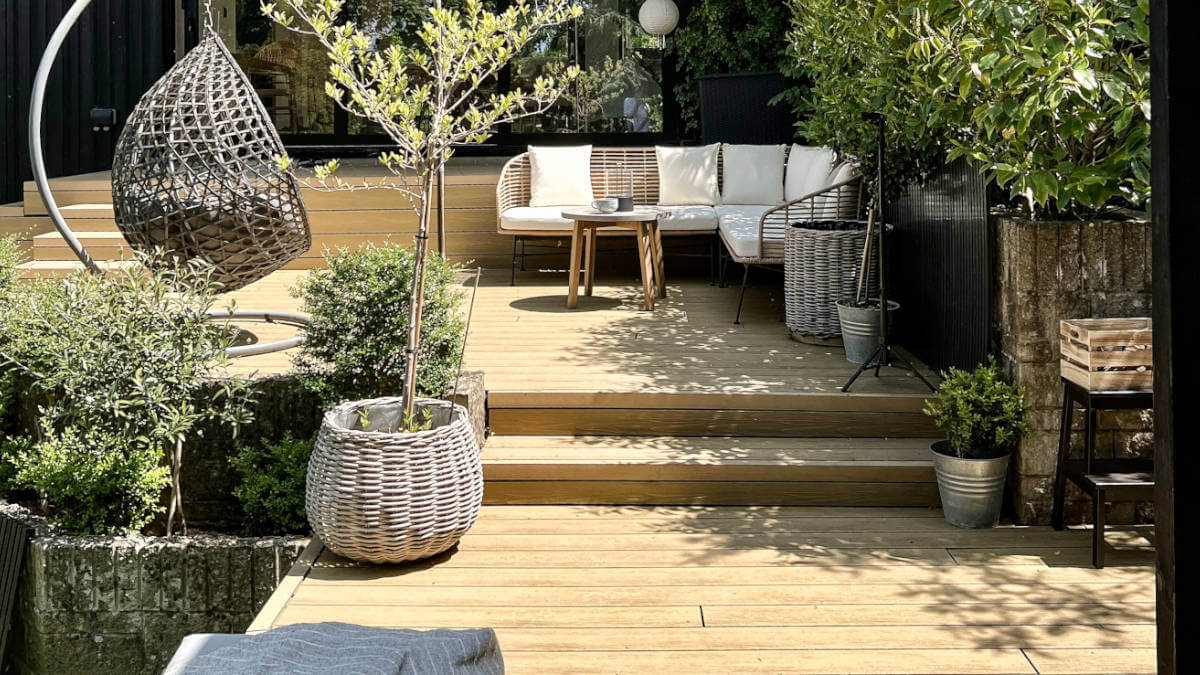
Maintenance
What Timber Decking Needs Season to Season
Timber decking, including treated decking boards, needs regular attention to stay in good condition. Softwood in particular should be cleaned regularly and may need re-oiling or re-staining periodically to help maintain its appearance and protection. Even treated deck boards benefit from an annual check for loose fixings, moss growth or areas where the surface has worn through, especially after a wet winter. According to the Timber Research and Development Association, treated timbers in ground contact can achieve service lives of roughly 15 to 45 years, though regular cleaning is still needed to keep the surface free of algae and grime.
What Composite and Plastic Decking Need
Of the three decking options, composite needs far less upkeep than timber. A monthly clean, or as needed, is generally sufficient, using a low-pressure washer held at least 30cm away, and set below 1500 psi. You can find out more in our Composite Decking Care Guide. Harsh solvents and bleach should be avoided, as should aggressive scrubbing on capped boards. No oiling, painting or staining is required. Plastic decking follows a similar low-maintenance routine, though it is worth checking manufacturer-specific cleaning instructions, since guidance can vary between products.
Appearance
The Natural Look of Timber
Timber decking offers a natural wood grain and warmth that composite and plastic products try to replicate but sometimes cannot fully match. Its appearance will change over time as the wood weathers, which some homeowners want and others try to prevent through regular treatment.
How Composite and Plastic Compare Visually
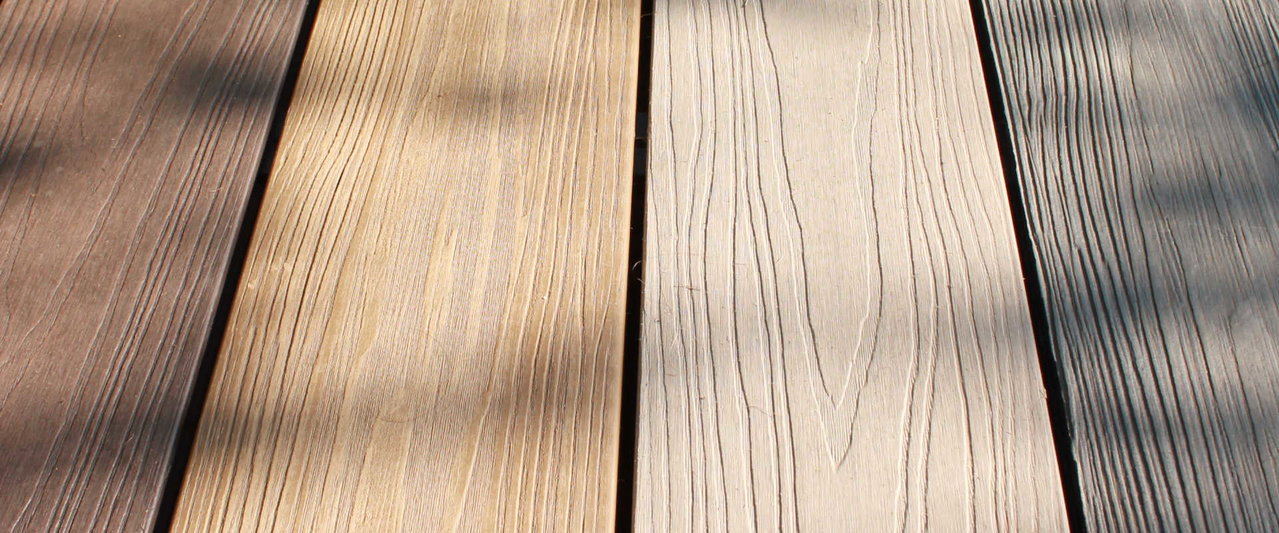
Composite decking is available in both smooth decking boards and textured, wood-grain finishes, so the choice comes down to whether a contemporary or a more traditional look is preferred. Capped composite boards also resist staining and fading better than uncapped versions because of their strong outer layer. Some composite ranges use a tongue and groove composite decking profile, which creates a tighter, more seamless finish between boards than a standard grooved edge. Plastic decking has moved on considerably from its flatter, more obviously synthetic early designs, with newer wood-effect textures narrowing the visual gap with composite.
Weather Performance
British weather is demanding on any outdoor surface, and the three decking options respond to it differently. Timber can swell in wet conditions and contract as it dries, which over time leads to warping, splitting or splintering if it is not properly treated and maintained.
Composite decking is designed to resist rot and splintering, while fade resistance varies by product and the type of protective capping used. Plastic decking is fully resistant to moisture and rot, since it contains no organic material for water to penetrate, though fade resistance still depends on the quality of UV stabilisers used in manufacturing.
A few practical points are worth checking before choosing a material based on weather performance alone:
Outer Layer: Whether the product has a UV-stable capping layer, which affects fading resistance over several summers.
Water Resistance: How the board handles standing water, particularly in shaded or poorly drained areas of the garden.
Decking Cover: Whether adding a decking cover or pergola is planned, since this can extend the life of any material by reducing direct sun and rain exposure.
Checking these details against a product's technical sheet, rather than assuming every board in a category performs identically, gives a more accurate picture of how a deck will hold up locally.
Lifespan
Lifespan is closely tied to maintenance, and the gap between the three decking options is significant. Pressure-treated softwood typically lasts 10 to 15 years, while hardwood and teak, kept up with regular oiling, can reach 25 to 40 years.
Composite decking can often last 25 years or more, depending on the product, installation and maintenance, with warranties commonly ranging from 15 to 25 years. Plastic decking lifespans vary more by manufacturer, so it is worth checking the specific warranty on the product being considered rather than relying on a single industry figure.
Installation
Timber Installation Considerations
Timber decking is installed onto a timber or steel joist frame, with boards fixed using screws or hidden fixings depending on the finish required. It is a well-understood method, though getting the joist spacing and ground preparation right still calls for some carpentry experience, particularly on larger or raised decks.

Composite and Plastic Installation Considerations
Composite and plastic decking are often installed using hidden clip systems that fix into the sides of the boards, giving a clean surface with no visible screw heads. Boards are typically supplied in set decking lengths, so it is worth planning the layout in advance to minimise cutting and wastage. While some composite systems are marketed as DIY-friendly, larger installations, or decks built around composite floor decks in commercial or hospitality settings, are usually best handled by an experienced installer to ensure the substructure is properly specified.
When Timber Is Still Worth Considering
Timber is often the better fit when the look and feel of real wood matters more than having the lowest-maintenance deck possible. It can work particularly well for:
Traditional or period homes:
Natural timber tends to sit more comfortably alongside older brickwork, stone, cottages and character properties.
Gardens where appearance comes first:
No manufactured board fully replicates the variation, grain and ageing of real wood.
Projects with a tighter upfront budget:
Treated softwood can cost less to install than many hardwood or composite options, although ongoing maintenance should be factored in.
Homeowners who are comfortable with upkeep:
Timber makes more sense if regular cleaning and occasional treatment are not a problem.
Projects where boards may need to be cut or adapted on site:
Timber is familiar to work with and can be shaped and fixed relatively easily during installation.
Where Composite and Plastic Can Outperform Timber
Composite and plastic decking suit family gardens with heavy foot traffic, poolside areas exposed to constant moisture, and any project where long-term, low-maintenance performance matters more than the lowest upfront price. Our Outdoor Café Decking, Luxury Garden Decking and Garden Sun Deck Composite and plastic decking tend to make more sense in projects where the deck needs to cope with frequent use, exposure to moisture or limited time for ongoing upkeep. They can be particularly useful for:
Busy family gardens:
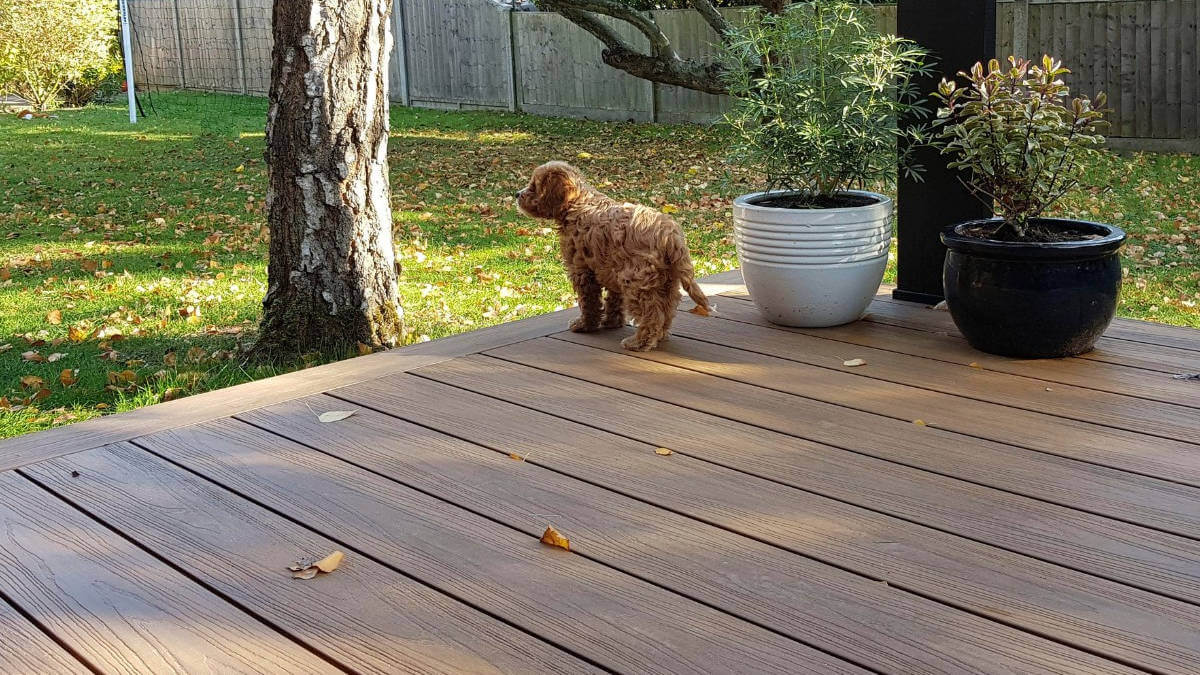
A low-maintenance surface can be more practical where the deck is used regularly for entertaining, children or pets.
Poolside and wet areas:
Plastic and many composite products cope well with repeated exposure to moisture, making them worth considering around pools, hot tubs and other frequently wet spaces.
Commercial or hospitality spaces:
Decks used by cafés, restaurants and other businesses often need a consistent finish that can handle heavier foot traffic without demanding frequent treatment.
Hard-to-access areas:
If cleaning, sanding or treating the deck regularly would be inconvenient, a lower-maintenance material can make more sense over the long term.
Projects where consistency matters:
Composite and plastic boards provide a more uniform colour and finish than natural timber, which can be useful where a clean, contemporary look is the priority.
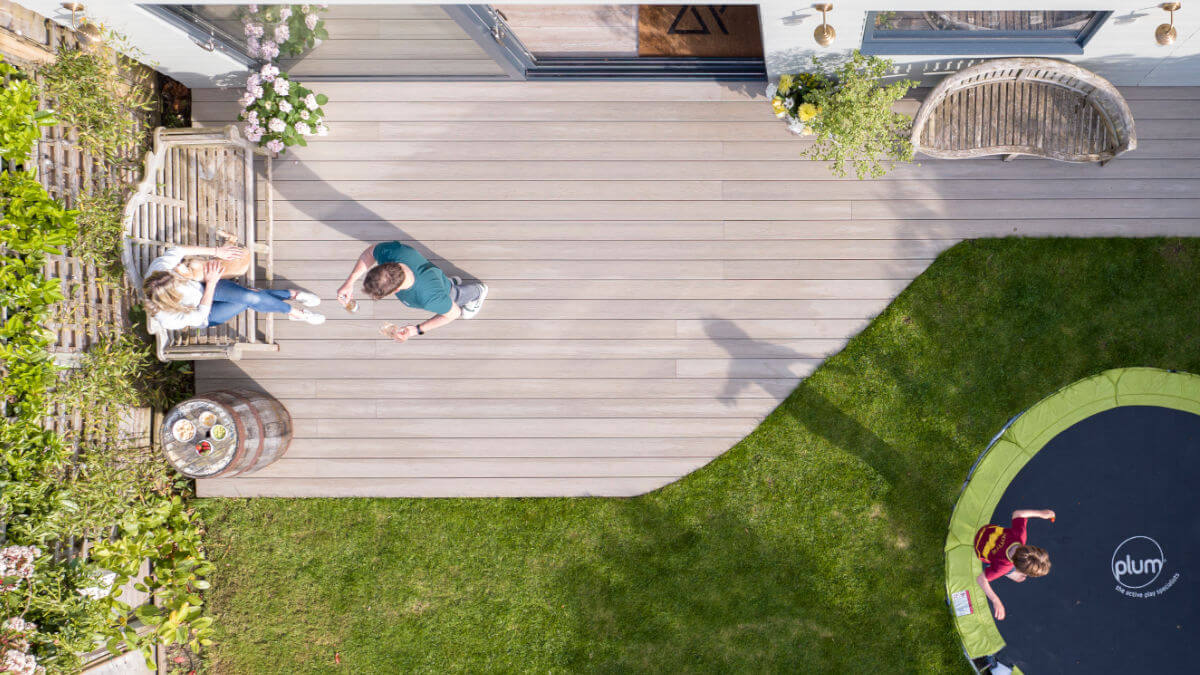
Composite decking is already being used across a wide range of residential and commercial projects. Our Outdoor Café Decking , Luxury Garden Decking and Garden Sun Deck case studies show how it performs in different settings.case studies show composite decking used across a range of commercial and residential settings.
Choose EnviroBuild Composite Decking
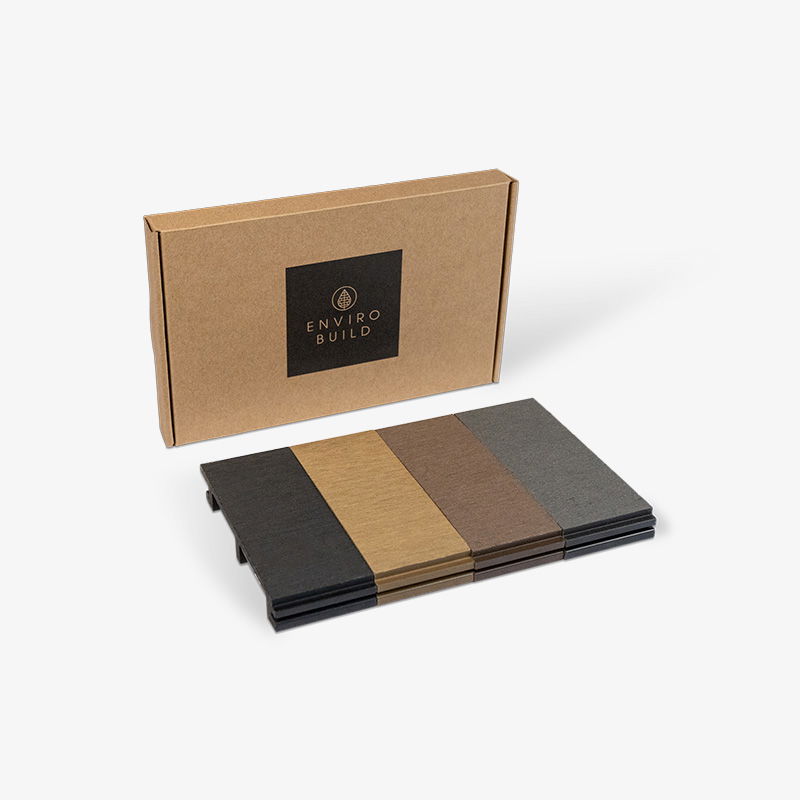
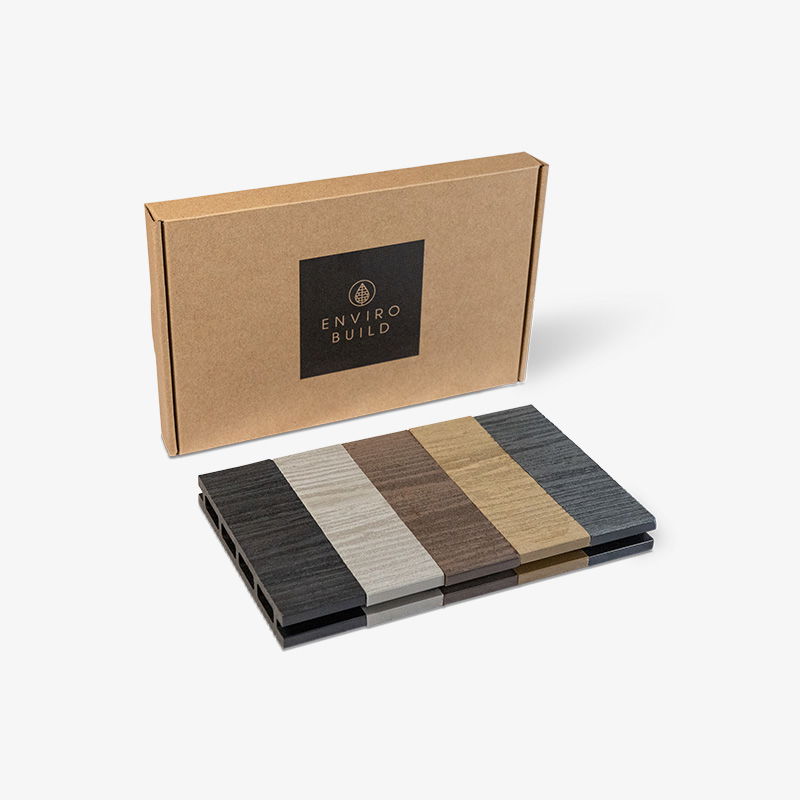
At EnviroBuild, we offer two composite decking ranges built for different priorities. The Explorer boards contain up to 87% recycled materials and come with a 15-year warranty, while the solid-capped Frontier boards are made with up to 90% recycled content and carry a 25-year warranty against staining and fading. Anyone deciding between the two can request free samples and use our convenient decking calculator before making a purchase.
Frequently Asked Questions
1. How long does composite decking last compared to timber?
Composite decking can often last 25 years or more, depending on the product, compared with 10 to 15 years for pressure-treated softwood and up to 25 to 40 years for well-maintained hardwood or teak.
2. Is plastic decking as strong as composite decking?
Plastic decking is generally lighter than composite, and while it performs well under normal residential use, structural strength varies by manufacturer and profile, so checking the specific product's load ratings is recommended for heavier applications.
3. Can I install decking myself, or do I need a professional?
Smaller composite or plastic decks with hidden clip systems can suit a confident DIYer, but larger installations, sloped gardens or projects involving structural subframes are best handled by an experienced installer.
4. Which decking option needs the least maintenance?
Composite and plastic decking both need far less maintenance than timber, generally requiring only occasional cleaning rather than annual oiling, staining or sealing.