
Composite Cladding For Modern Homes
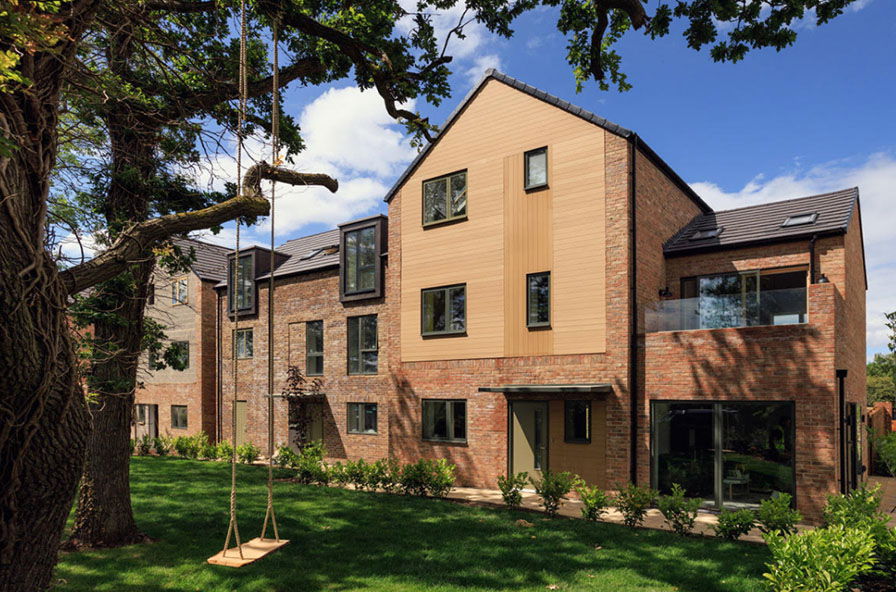
Upgrade your exterior with long-lasting, low-maintenance cladding that combines modern design with environmental responsibility. Composite cladding offers a versatile and stylish finish for a wide range of applications.
Section Heading
Fast Delivery
Orders over £1200 are delivered free of charge
Trusted Warranty
Peace of mind with long-lasting protection
Trade Discounts
Exclusive discounts for installers and contractors
Wind Powered
Manufactured with 100% renewable energy
Cladding Substructure & Accessories
A long-lasting cladding system starts with the right support. Our range of rot free substructure components and finishing accessories ensures your composite cladding performs as beautifully as it looks. From non-rot battens to insect mesh and colour-matched trims, we offer everything needed for a secure and successful installation.
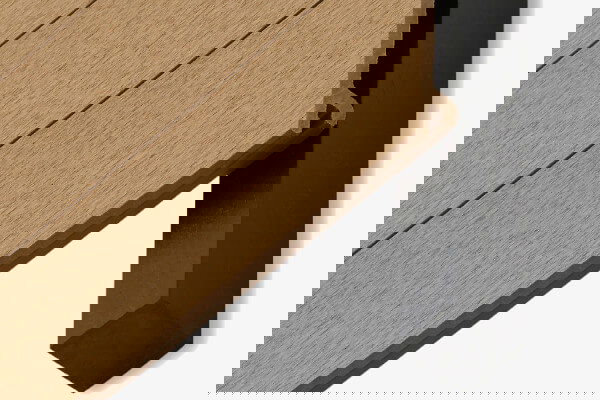
Cladding Battens
Non-rot battens provide a stable and long-lasting fixing point for your cladding. Ensuring consistent performance in all weather conditions.
View Battens
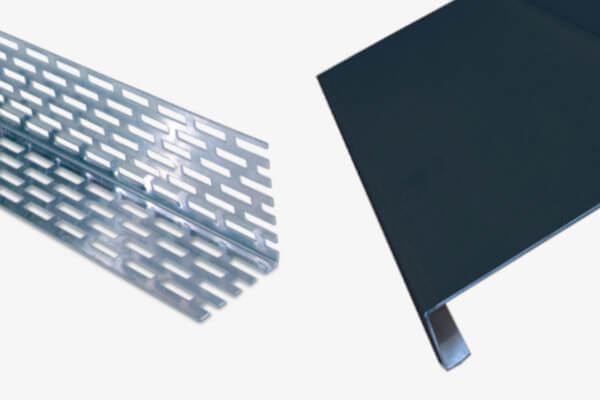
Accessories
Insect mesh and drip trays help maintain airflow, while preventing pest ingress and managing water runoff. Supporting a healthy and compliant wall system.
View Accessories
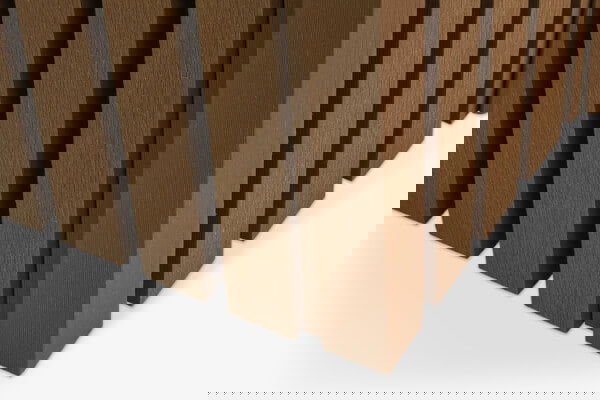
Trims & Fascia
Colour-matched trims and fascia boards complement your chosen cladding. Concealing edges, corners, and joints for a seamless visual appearance .
View Finishing Trims
How To Install Composite Cladding
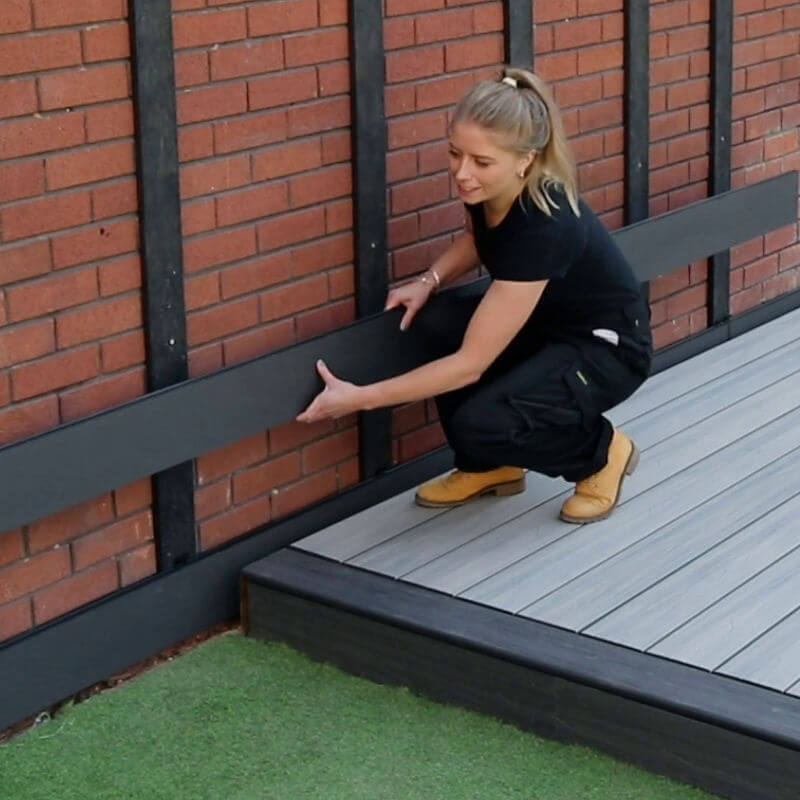
Installing composite cladding is straightforward. With easy-to-follow guidance, compatible accessories, and expert support available whenever you need it, you can feel confident from the first cladding board to the final trim.
Horizontal or vertical installation
Composite cladding boards can be installed either vertically or horizontally, depending on your design preference and the needs of your space.
Step-by-step cladding install guide
To make things easier, we offer a detailed installation guide that walks you through the full process.
Find an installer with our installer network
We can connect you with experienced contractors through our trusted installer network.
Composite Cladding FAQs
If you don’t find the answer you're looking for, our team of experts is here to help. Give us a call on 020 8088 4888.
Technically, yes, you can paint composite cladding, but in most cases, it is not recommended.
Composite cladding is engineered to be a low-maintenance exterior solution, with built-in colour and surface protection that removes the need for painting altogether. Applying paint can reduce performance, cause adhesion issues, and may void the manufacturer’s warranty.
Why Painting Is Not Advised:
Protective surface layer: Many composite cladding boards are capped with a polymer shell that resists moisture, UV fading, and stains. Paint struggles to bond to this surface and may peel or flake over time.
Baked-in pigment: The pigmentation is integrated during manufacturing, meaning the colour is uniform throughout the board and designed to last for decades without repainting.
Warranty considerations: Altering the surface, by sanding or painting, can void fade, stain, or structural warranties.
For older, uncapped composite cladding that has significantly faded or been damaged, painting can be a last-resort option:
Clean thoroughly and lightly sand, use a high-quality acrylic latex paint suitable for exterior use. Expect to reapply paint periodically, as it won’t offer the same longevity as the original finish.
For best results and minimal upkeep, it’s advisable to choose a composite cladding colour you’re happy with long-term, avoiding the need for repainting while maintaining an attractive, eco-friendly façade.
Yes, composite cladding can undergo slight fading during the first few months after installation as it adjusts to sunlight and weather. The colour stabilises after this initial weathering period, usually between 8-16 weeks.
UV exposure: Sunlight can cause lightening of pigments during the initial settling period.
Tannin leaching: Natural tannins from the wood fibres wash out of uncapped boards in the first few weeks, sometimes leaving temporary marks before the colour stabilises.
Environmental conditions: Boards in sunnier, south-facing areas may experience weathering at an accelerated rate compared to shaded areas. They will eventually stabilise to the same colour.
This early weathering phase is normal for most composite products, particularly for uncapped composite cladding boards, and usually stabilises within the first few months.
Capped composite cladding is engineered with UV inhibitors and fade-resistant pigments to maintain its colour for decades, featuring an extended warranty.
Composite cladding is highly water-resistant but not completely waterproof. Made from a blend of recycled wood fibres and high-performance plastics, it’s designed to withstand rain, humidity, and moisture without rotting, warping, or splitting, making it a low-maintenance cladding option for a wide range of environments.
Composite cladding is not a watertight barrier on its own; it should always be installed as part of a properly designed façade system with suitable weatherproofing behind it.
Why Composite Cladding Performs Well in Wet Conditions:
Low water absorption - The plastic content prevents the boards from absorbing significant moisture, unlike natural timber.
Capped protection - Capped composite boards feature a polymer shell that further shields against water ingress and surface staining.
Dimensional stability - The cladding boards resist swelling and shrinkage caused by changing moisture levels.
Installation Considerations for Weather Resistance:
Use suitable substructure – Aluminium or plastic wood battens, combined with appropriate ventilation and drainage, help maintain performance.
Include a waterproof membrane – A breathable membrane behind the cladding ensures the wall structure remains protected from driving rain.
Follow installer guidelines – Correct spacing and fixing prevent trapped moisture and prolong the life of the façade.
When installed as part of a well-designed rainscreen system, eco-friendly composite cladding provides long-lasting moisture resistance, making it a smart choice for both residential homes and large-scale commercial projects.
Composite cladding can be cut using many of the same tools as traditional timber. Clean, precise cuts will ensure a high-quality finish and smooth cladding installation.
Recommended Tools:
Mitre saw or Circular saw: Fitted with a sharp, fine-tooth, carbide-tipped blade for smooth cuts.
Jigsaw: Useful for detailed or curved cuts, especially around windows, vents, or other obstacles.
Work support: Use a stable workbench or sawhorses to keep boards steady while cutting.
Cutting Tips:
Measure twice, cut once – Accuracy ensures neat joins and reduces waste.
Cut in a well-ventilated area – Composite materials produce fine dust; cut outdoors if possible.
Use protective gear for your own safety – Wear safety glasses, gloves, and a dust mask.
Support the board fully while cutting – Prevent chipping or splintering at the ends.
Allow for expansion gaps – Follow installer guidelines to leave the correct spacing for thermal expansion.
While eco-friendly composite cladding is easy to work with, precision and preparation are key. Using the right tools and techniques not only improves the visual finish but also ensures long-term durability and compliance with warranty conditions.
Composite cladding typically lasts 25 to 30 years or more, making it a durable, long-term alternative to timber and other traditional cladding materials.
The overall lifespan depends on the quality of the product, installation standards, and environmental exposure. Composite cladding is specifically engineered to withstand decades of weathering with minimal upkeep.
Why composite cladding is long-lasting:
Moisture resistance – The combination of recycled wood fibres and high-performance plastics prevents rotting, warping, and swelling.
UV & fade protection – Integrated pigments and UV inhibitors maintain colour stability.
Low-maintenance performance – No need for painting, staining, or sealing. Routine cleaning is enough to keep it looking its best.
Structural integrity – Resistant to insect damage and less prone to expansion and contraction compared to natural wood.
With up to 25-year limited residential warranty and up to 10-year commercial warranty we are confident in the quality, durability and longevity of our composite cladding.
Cleaning composite cladding is simple and requires far less effort than maintaining traditional timber. Thanks to its low-maintenance design, most surfaces only need occasional washing to keep them looking their best.
Routine Cleaning Steps:
Remove loose debris -
Use a soft brush or broom to clear away dust and leaves.
Wash with mild soap and water -
Mix warm water with a gentle detergent and apply with a soft-bristle brush or cloth, scrubbing along the grain of the board.
Rinse thoroughly -
Use a garden hose or a low-pressure washer (under 1500 psi) to remove soap residue. Avoid high-pressure nozzles too close to the surface.
Maintenance tips for longevity:
Perform an annual deep clean – Particularly in shaded or damp areas prone to algae growth.
Check drainage and ventilation – Good airflow prevents moisture build-up behind the boards.
Avoid abrasive tools – Wire brushes or scouring pads can damage the surface texture.
Avoid bleach or strong solvents - Harsh chemicals can damage the boards.
With these simple steps, composite cladding retains its colour and finish for decades, providing homeowners with a reliable, professional-grade exterior that needs minimal upkeep.
The best composite cladding combines long-term durability, low maintenance, and visual appeal, while meeting the specific requirements of your project.
For most applications, capped composite cladding is considered the top choice, thanks to its advanced protective layer that enhances weather resistance, colour stability, and overall lifespan.
The best composite cladding features:
Capped protection – A polymer shell shields the core from moisture, UV damage, and staining, ensuring the façade retains its appearance for decades.
Fire safety considerations - Systems that meet fire or building code requirements.
High recycled content – Premium products often use up to 90% recycled wood fibres and plastics, making them an eco-friendly cladding choice.
Fade and stain resistance – UV inhibitors and integrated colour pigments maintain a consistent finish with minimal fading over time.
Comprehensive warranty – Warranties of up to 25 years covering structural integrity and fade and stain protection.
Ease of installation – Large-format boards can speed up installation due to less of them needing to be installed.
Ultimately, the best composite cladding is one that balances performance, sustainability, and your specific design aesthetic, delivering a low-maintenance, weather-resistant exterior solution suited to your project’s needs.
Composite cladding offers superior performance and aesthetics compared to uPVC, particularly for projects where long-term durability, sustainability, and a premium appearance are priorities.
While uPVC (unplasticised polyvinyl chloride) is lightweight and cost-effective, composite cladding boards deliver a more robust, weather-resistant finish with the look and feel of natural timber.
Key advantages of composite over uPVC:
Aesthetics – Composite cladding provides a more authentic woodgrain texture and richer colour palette, creating a higher-end appearance for both residential and commercial façades.
Durability – The blend of recycled wood fibres and high-performance plastics resists warping, cracking, and brittleness, even after decades of exposure. uPVC can become brittle or discolour over time.
Low-Maintenance – Both materials are easy to care for, but capped composite cladding resists fading and staining better, maintaining its look with minimal upkeep.
Eco-Friendly – Many composite products use up to 90% recycled content and are manufactured with sustainable processes, whereas uPVC production is more energy-intensive and less sustainable.
Impact Resistance – Composite cladding tends to handle knocks and dents better than uPVC, which can crack under impact.
When uPVC Might Still Be Chosen:
For smaller budgets, temporary structures, or areas with minimal exposure, uPVC may be a practical solution. However, for long-term, low-maintenance cladding with a premium finish, composite generally provides better value and performance.
Standard composite cladding is not fireproof, but many products are designed to be fire-resistant and meet specific building regulations.
Fire performance varies between manufacturers, so it’s essential to check the fire rating of the exact product you plan to use, especially for high-rise or commercial projects where stricter requirements apply.
Understanding Fire Ratings:
Euroclass Ratings – In the UK and EU, composite cladding is tested under EN 13501-1 standards and assigned a fire classification (A1–F).
Typical Ratings – Most uncapped wood–plastic composite boards achieve a Class C or D rating, meaning they are flame-retardant but not non-combustible. Specially formulated boards with fire-retardant additives can achieve a Class B rating, suitable for more demanding applications.
Building Regulations – For buildings over 18 metres in height in the UK, external wall cladding must generally be non-combustible (Class A1 or A2), which standard composite products do not meet. For projects where non-combustibility is mandatory, aluminium cladding may be a more suitable choice.
Our cladding ranges fire-ratings:
Explorer Cladding - Class B
Slatted Cladding - Class D
Eco-friendly composite cladding can be part of a safe building façade when used in the right context and with the correct fire rating for the project.
Cladding Gallery & Inspiration
Explore our cladding gallery to see our composite cladding across a range of residential and commercial designs. Whether you're cladding a garden office, a contemporary extension or a multi-storey façade, our real-world examples and creative ideas will help you find the perfect solution.
Gallery section header
Lorem ipsum dolor sit amet, consectetur adipiscing elit. Vivamus pharetra tincidunt tortor, sed accumsan ante ornare tincidunt. In mi orci, egestas et sollicitudin at, tincidunt sit amet nibh. Duis in luctus lorem. Suspendisse sollicitudin orci elit, quis fermentum ex euismod quis.
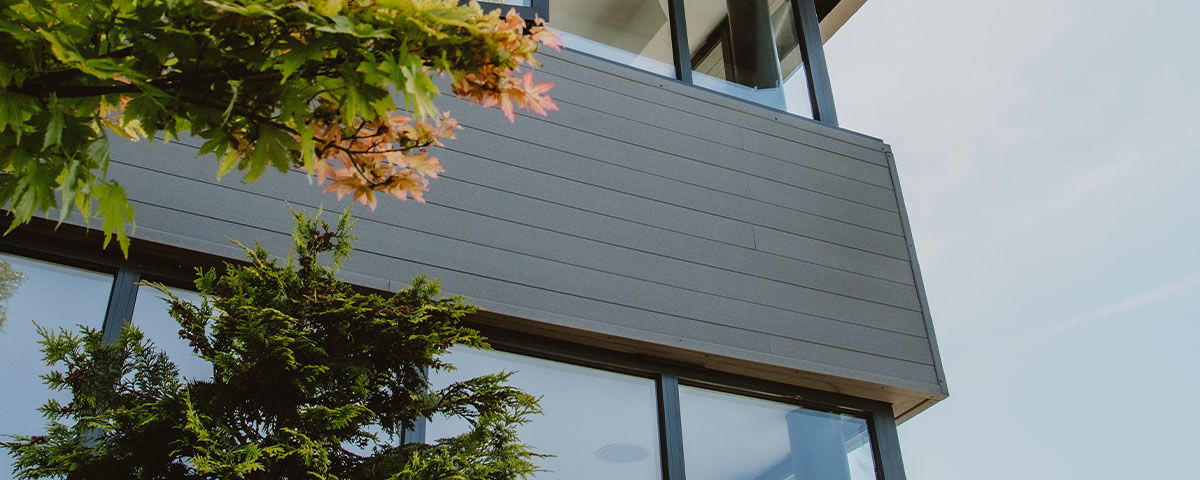
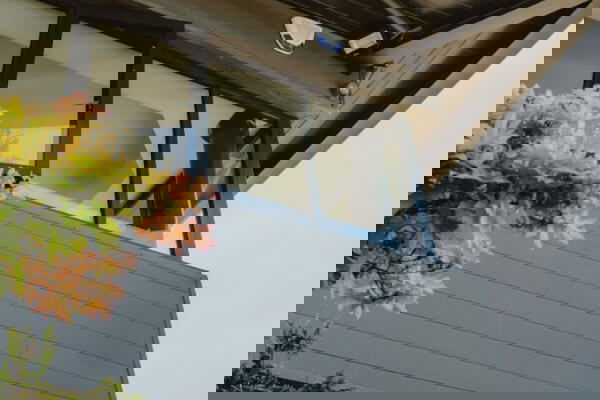
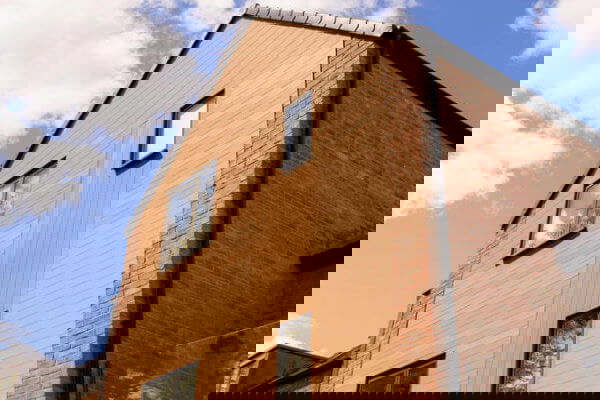
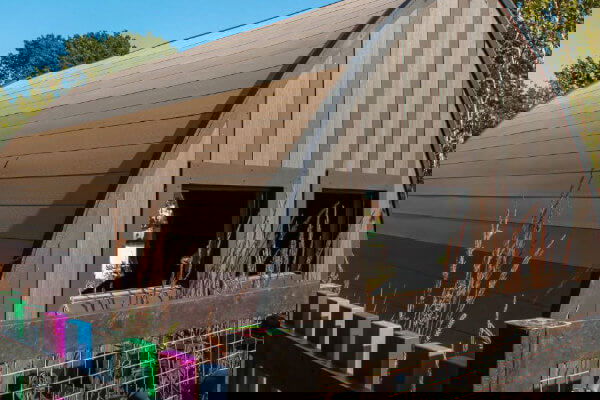
Modern exterior and soffit with Explorer Stone for a contemporary finish.
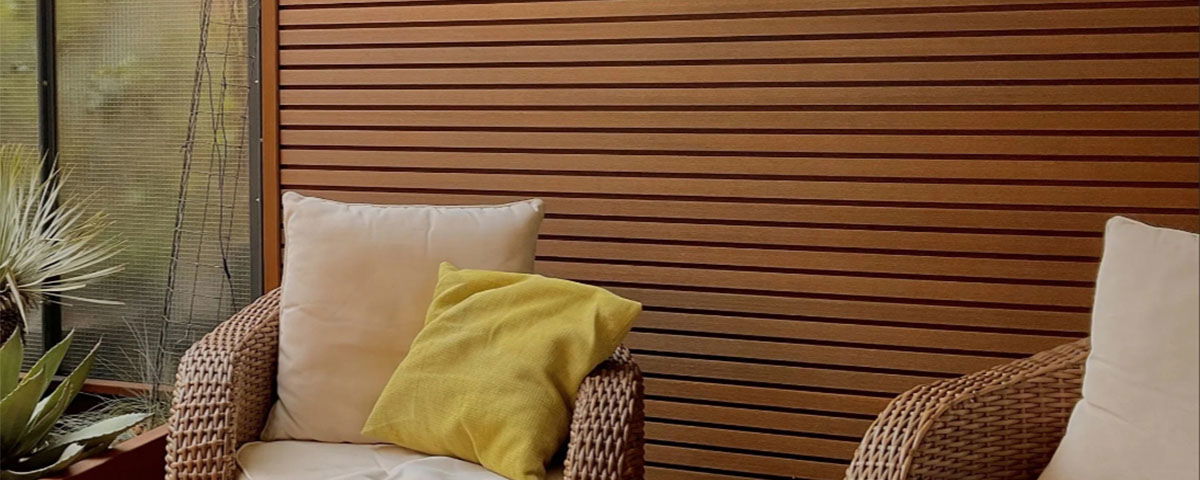
Contemporary Slatted cladding in Balau for striking but natural look.
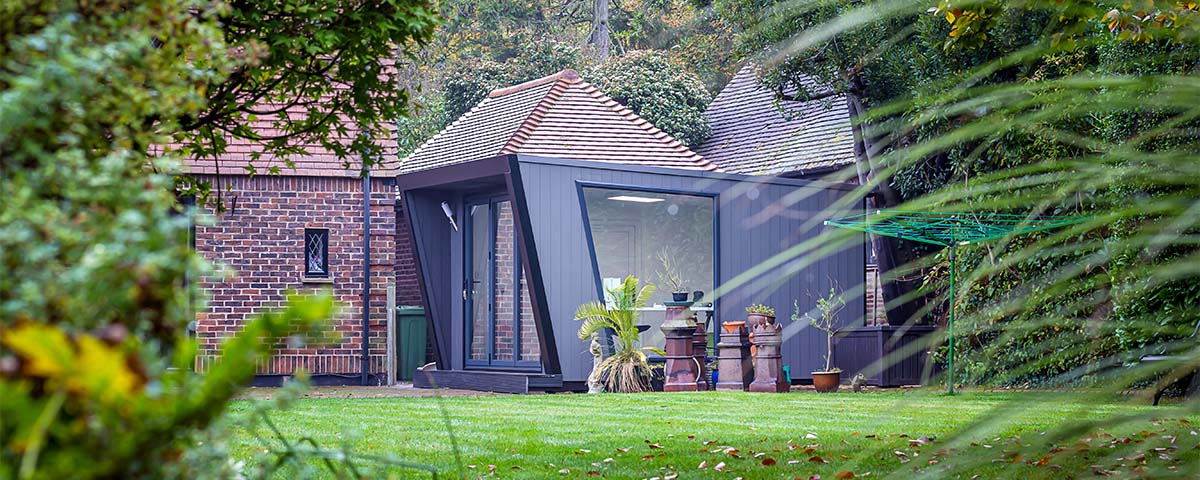
A modern garden room in Explorer Stone for a sleek, neutral finish.
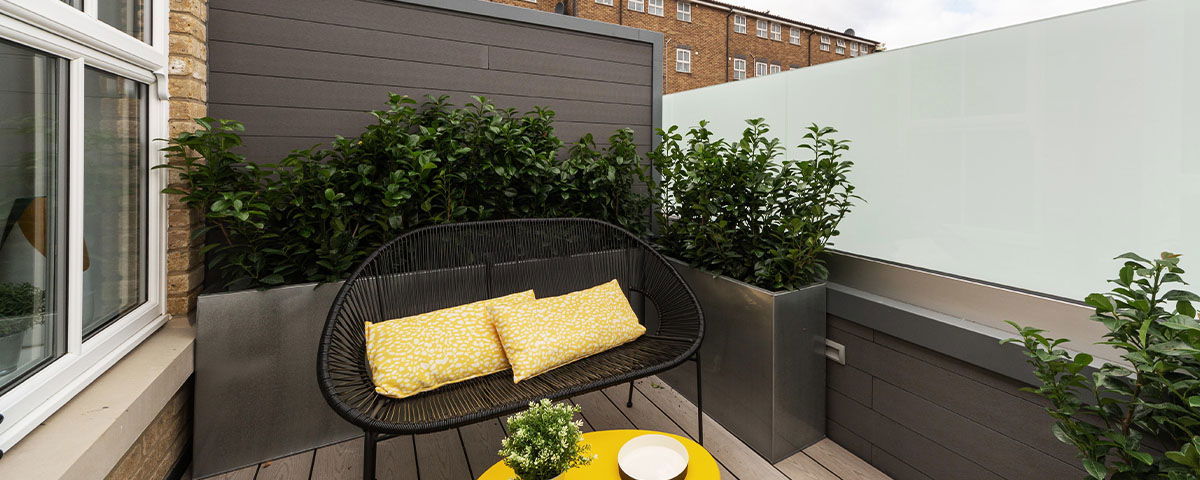
A cosy balcony garden with a dark charcoal Explorer Granite finish.
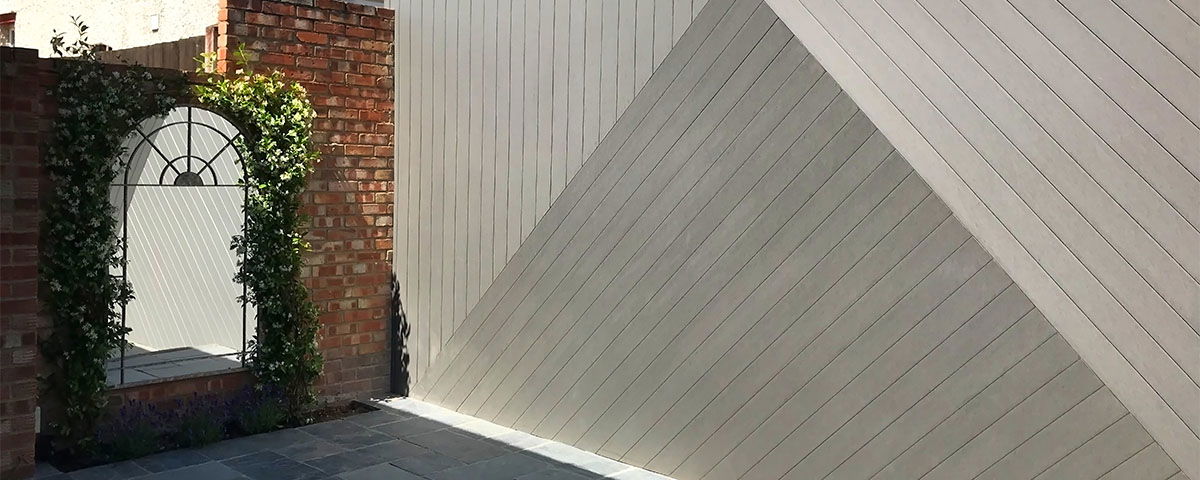
Explorer Stone is used here to make an interesting angled finish.
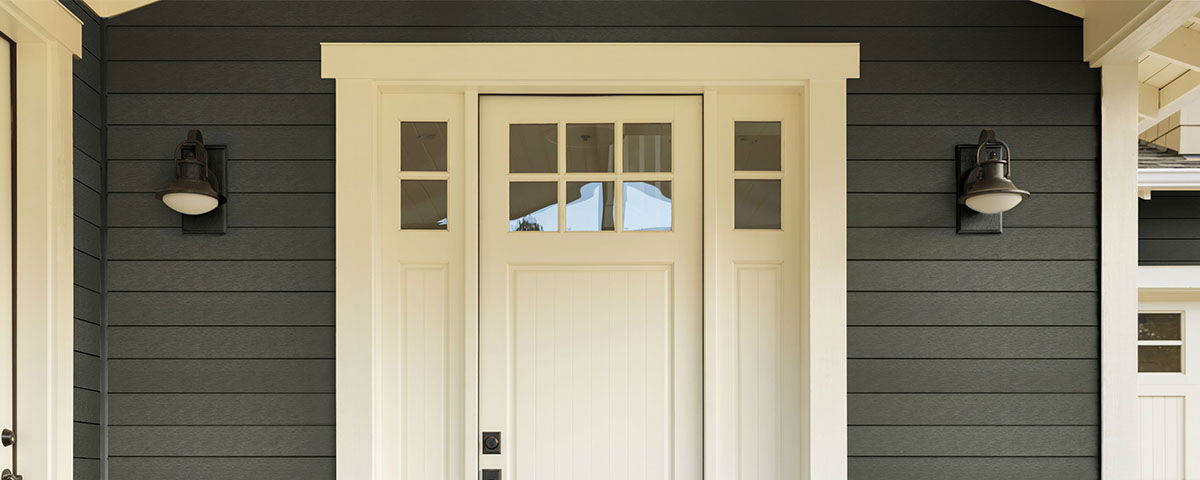
A front patio using Explorer Granite for a striking contrasting look.

The gaps in the Slatted Balau cladding brings about a beautiful modern look.
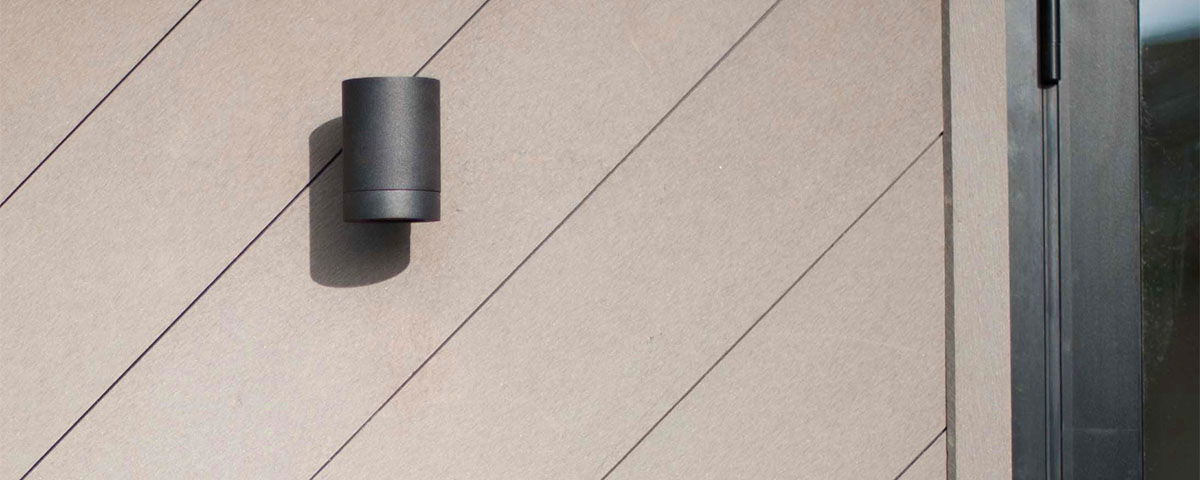
Explorer Silver Birch is installed diagonally here for a contemporary finish.
Plan Your Project With Our Cladding Calculator
Our online cladding calculator helps you estimate exactly how many boards, battens, and fixings you’ll need. For a detailed and accurate quote (especially if your project has unique requirements) we recommend getting in touch with our expert team on 020 8088 4888.
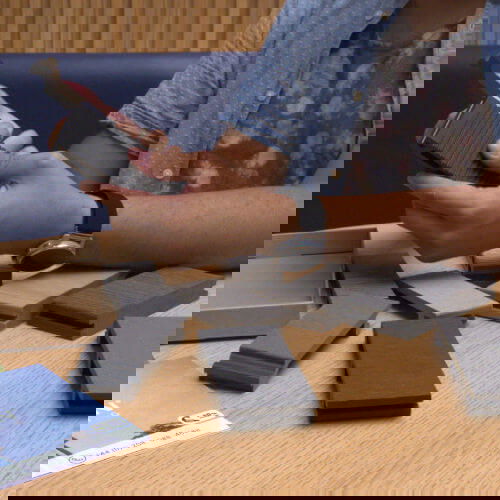
Choose your cladding
Start by selecting your preferred cladding range and finish. Results will be tailored to board size and coverage.

Enter your dimensions
Simply input the width and height of the area you plan to clad. You can calculate for a single wall or add multiple sections.
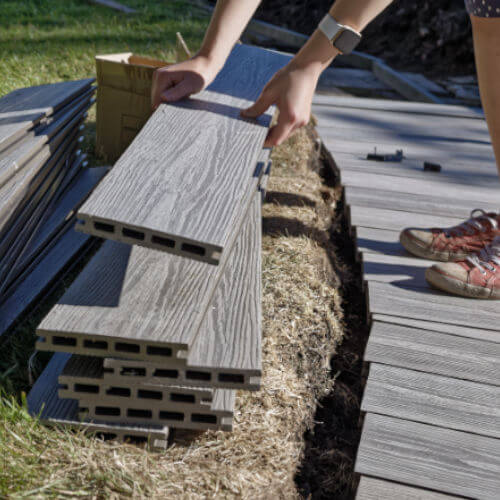
Estimate in minutes
Receive a tailored materials estimate instantly including the number of boards, battens and fixings required.
Why Choose Composite Cladding?
Composite cladding offers a modern solution to the common problems faced with traditional timber. It delivers the natural look of wood with far less maintenance.
Durability in all weather conditions
Engineered to perform in the unpredictable UK climate, making it ideal for long-term exterior applications.
No splintering, warping or rotting
Unlike timber, composite cladding won’t splinter or warp with changes in temperature and humidity.
Low-maintenance, no treatments needed
Composite cladding is resistant to moisture, mould, insect damage and UV exposure. Say goodbye to annual staining, sealing and painting.
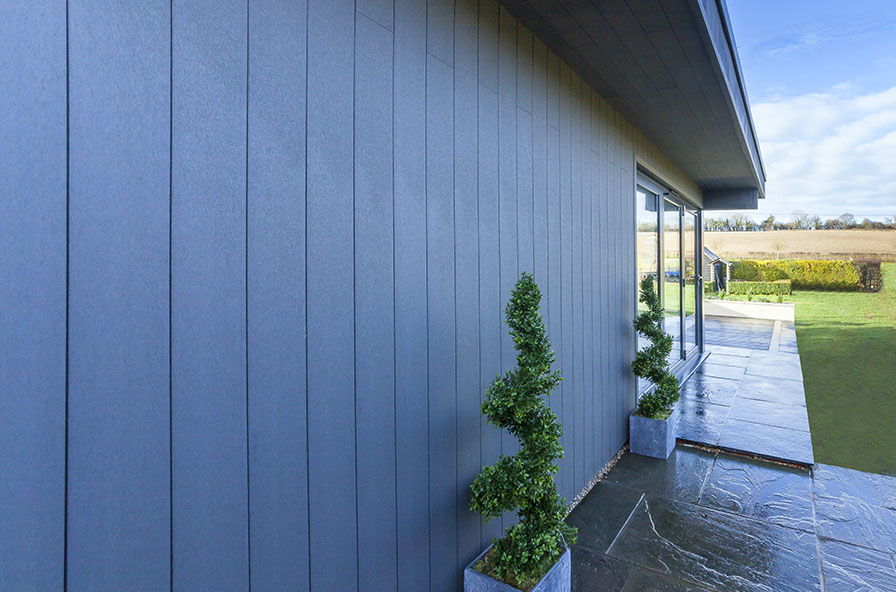
How To Care For Composite Cladding
Composite cladding blends recycled wood fibres with high-performance plastic polymers, creating a durable alternative to traditional timber that is easy to care for.
Easy to clean cladding
Composite cladding only needs occasional cleaning with warm water and mild detergent - no pressure washers or specialist products required.
No sanding, staining or painting
The colour is built into the board, there's no need to treat or re-finish the surface, even after years of weather exposure.
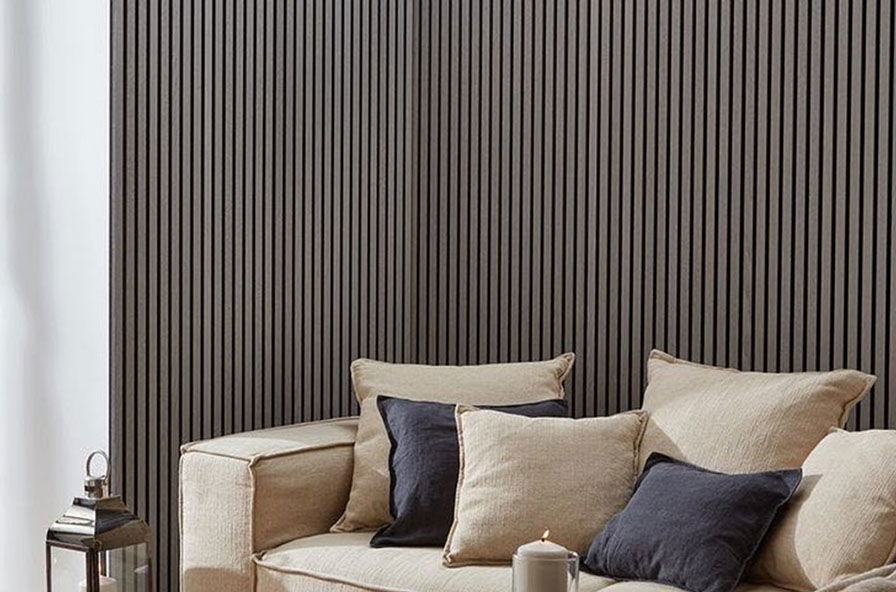
Eco-Friendly Composite Cladding
Made using a high percentage of reclaimed wood fibres and post-consumer plastics, eco-friendly cladding gives waste materials a second life in a long-lasting, low-maintenance exterior solution.
Up to 90% recycled materials
Each board is manufactured using up to 90% recycled materials, helping to reduce landfill waste and reliance on virgin resources.
Manufactured with 100% renewable energy
Our composite manufacturing process is designed for minimal environmental impact.
10% of profits donated to sustainable causes
We support vital conservation work through our partnership with Rainforest Trust UK.
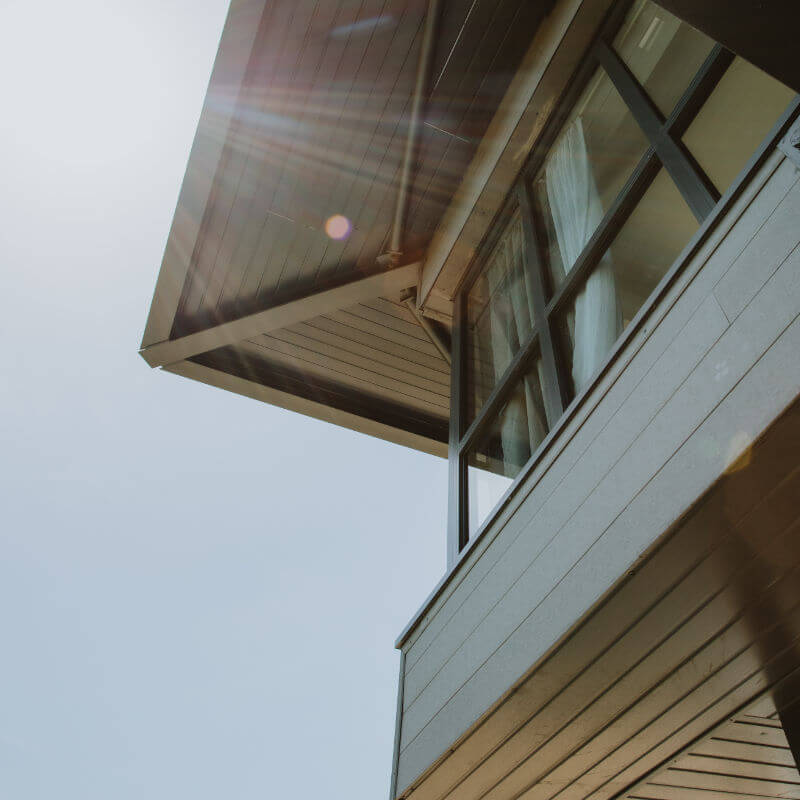
From the Blog
Popular articles from our blog with tips and ideas for getting the best from your project.
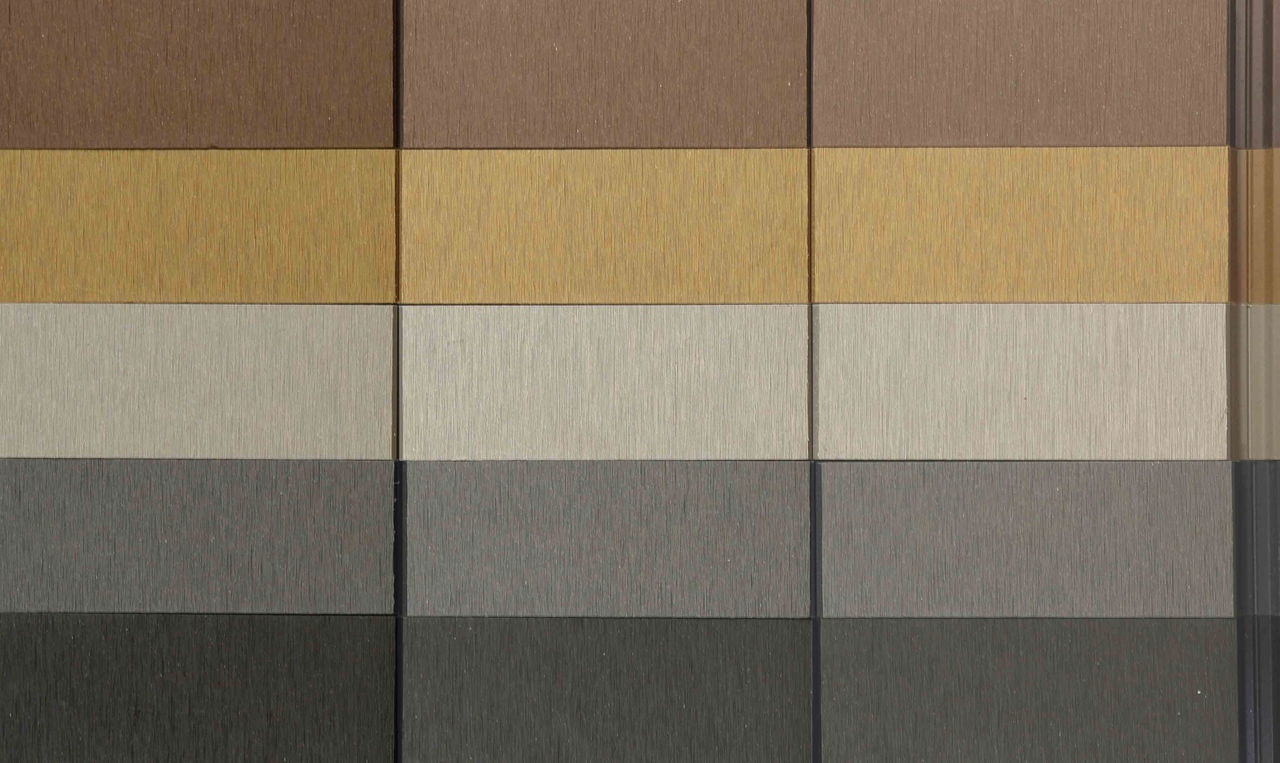
Does Composite Cladding Fade?
Learn how composite cladding retains its colour over time, common fading causes and maintenance tips to keep your exterior cladding vibrant and low maintenance for years.
Read Article
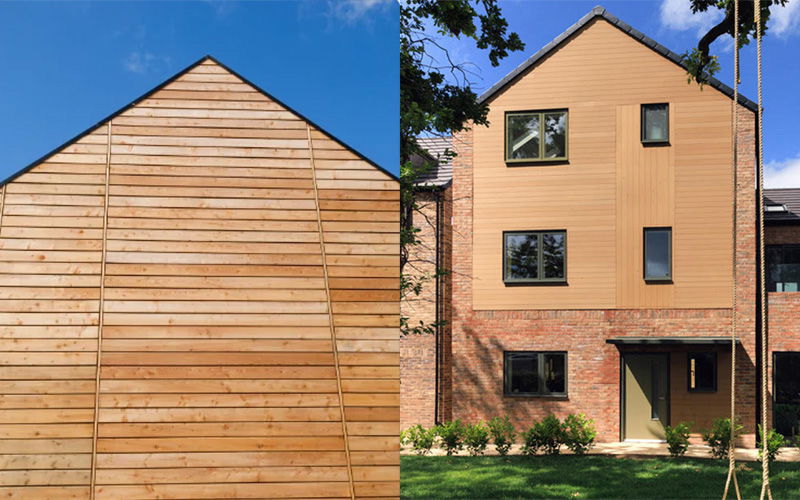
Wood vs Composite Cladding
Discover the pros and cons of wood and composite cladding. Wood has natural charm and traditional appeal while composite cladding offers low maintenance, durability, sustainability, and cost-effectiveness. Find the best cladding for your project.
Read Article
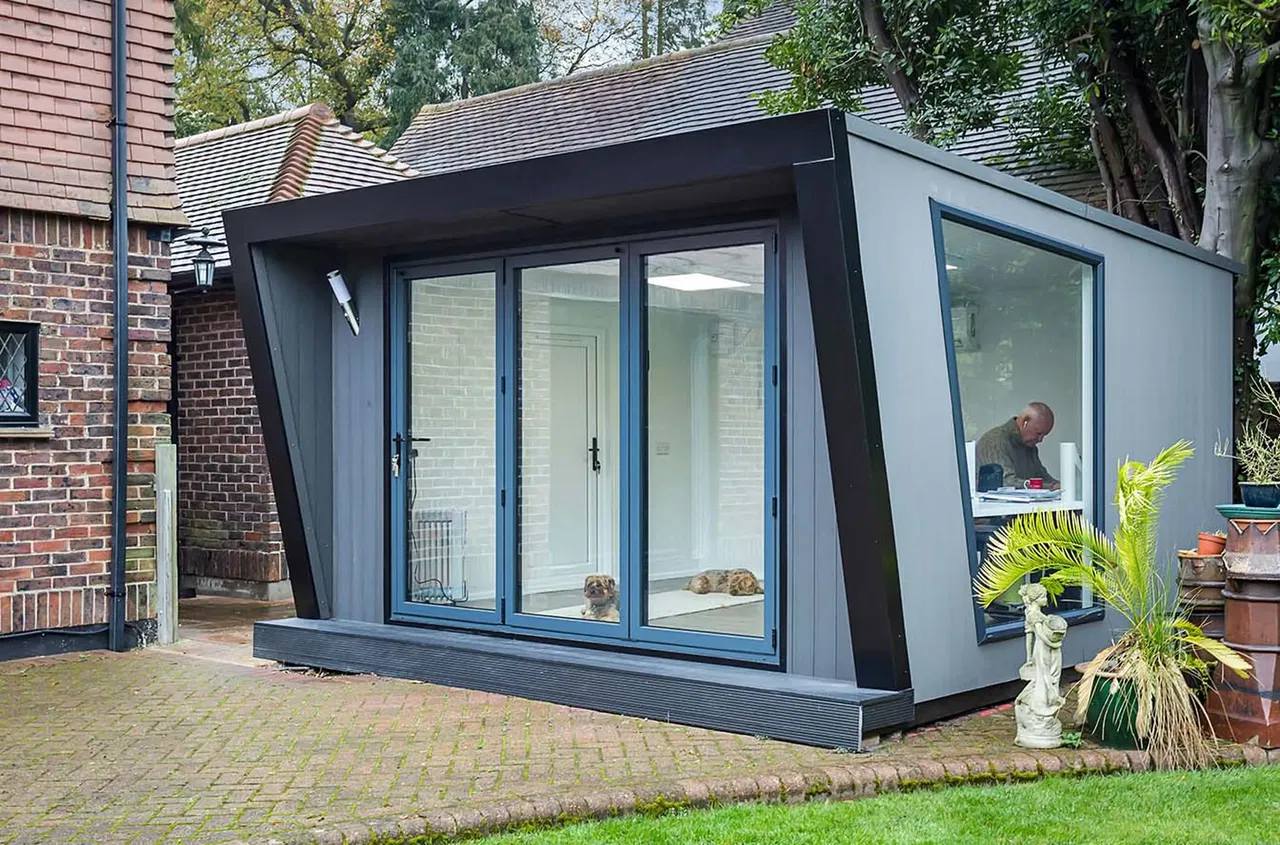
Composite Cladding Design Ideas
Explore inspiring composite cladding designs that combine durability, low maintenance and stylish aesthetics. Discover the best cladding ideas to create seamless, sustainable and beautiful outdoor spaces in the UK.
Read Article
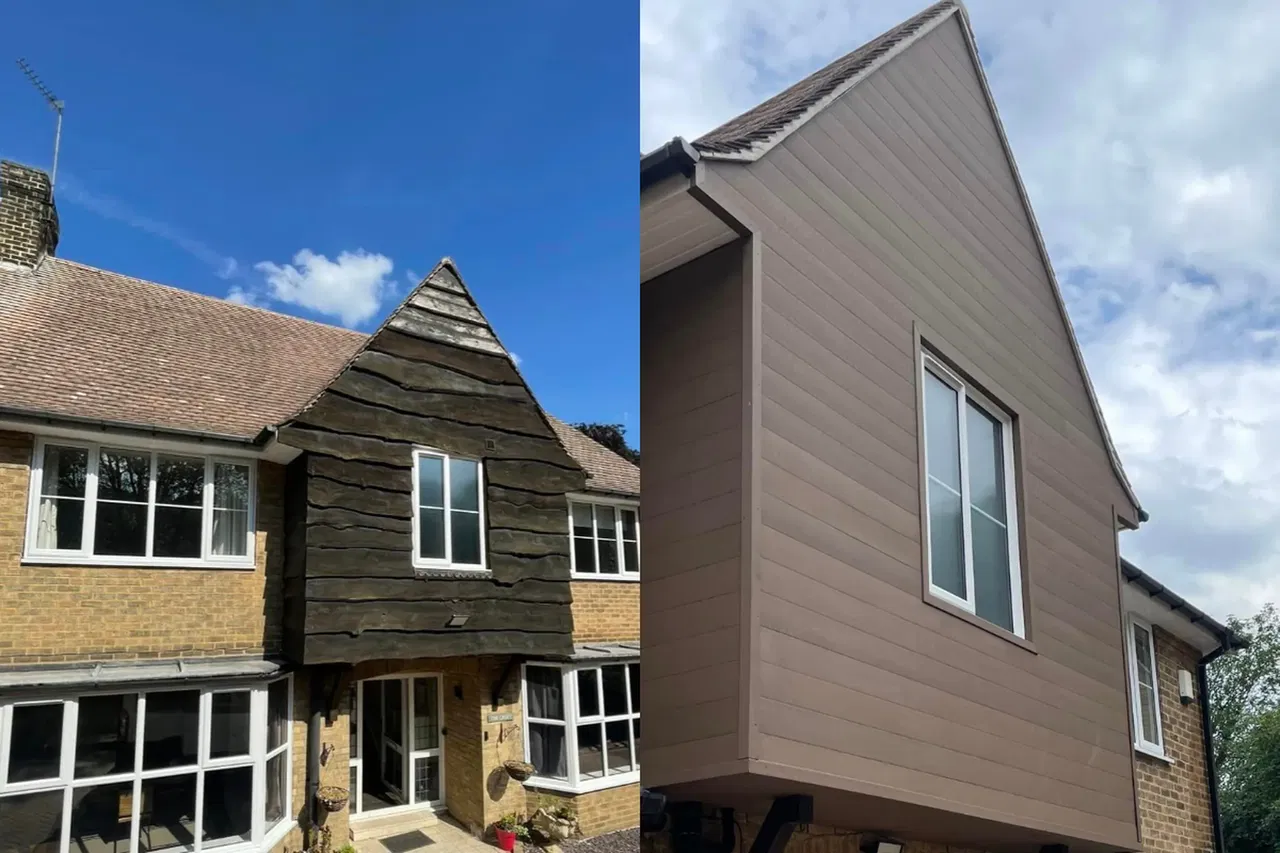
Choosing The Best Cladding Material For Your Project
Explore the best cladding options for your project, wood, composite and aluminium. Discover benefits, maintenance, fire safety and sustainability to choose the ideal cladding material in the UK.
Read Article
Can You Paint Composite Cladding?
Discover whether painting composite cladding is advisable and best practices if you choose to paint. Learn why composite cladding requires low maintenance and how it compares to wood cladding.
Read Article
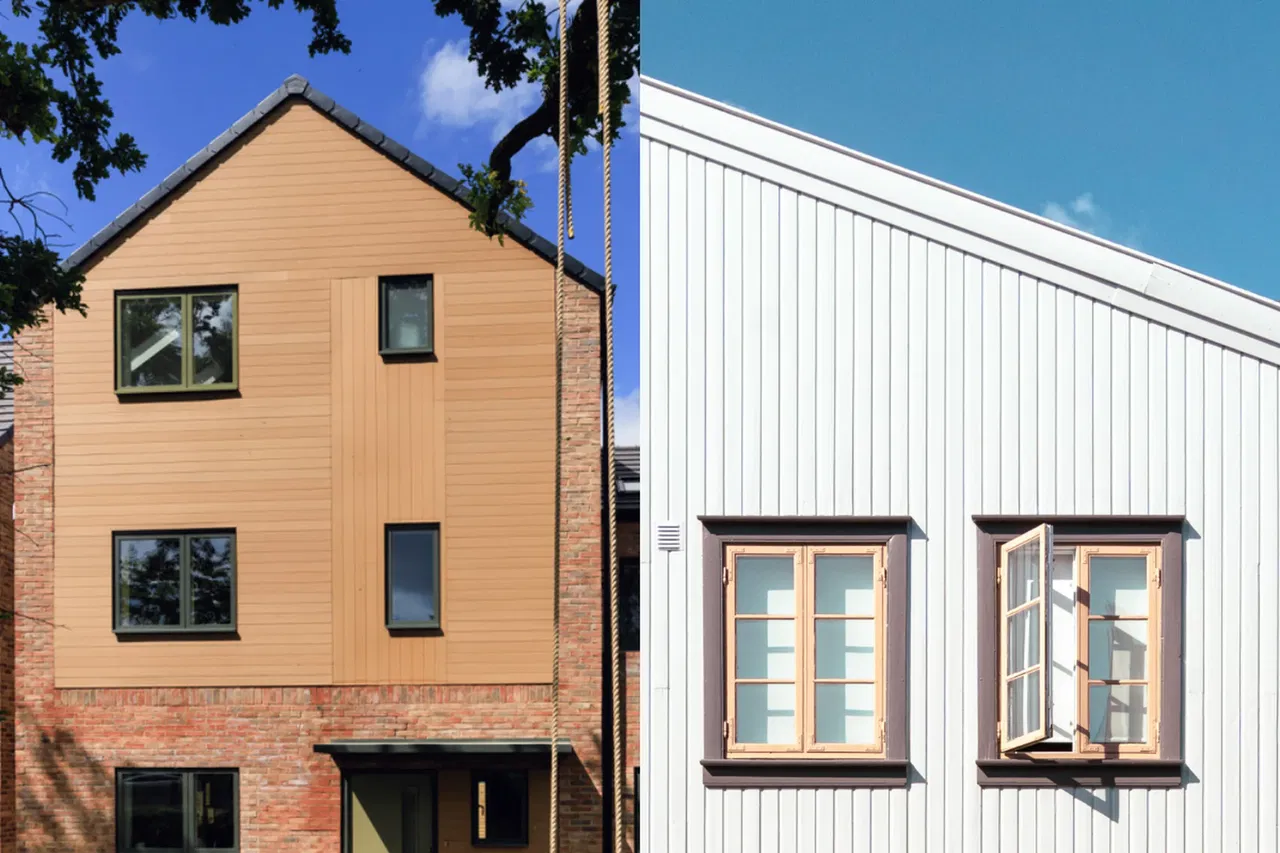
uPVC vs Composite Cladding
Compare uPVC and composite cladding for your project. Discover their durability, appearance, fire safety, sustainability and maintenance to choose the best exterior wall cladding solution.
Read Article
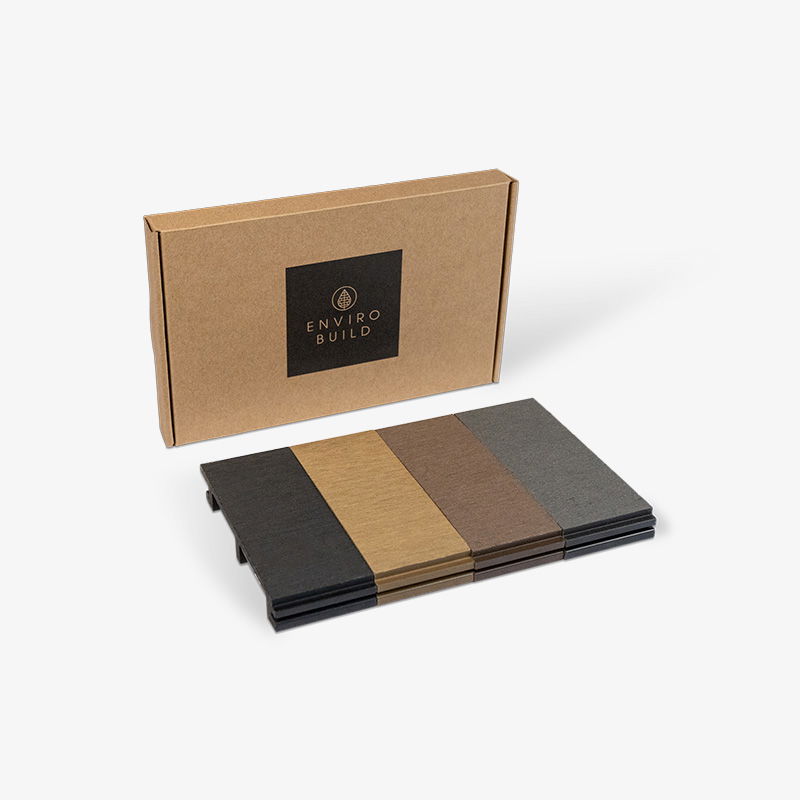
Order your free cladding sample pack today
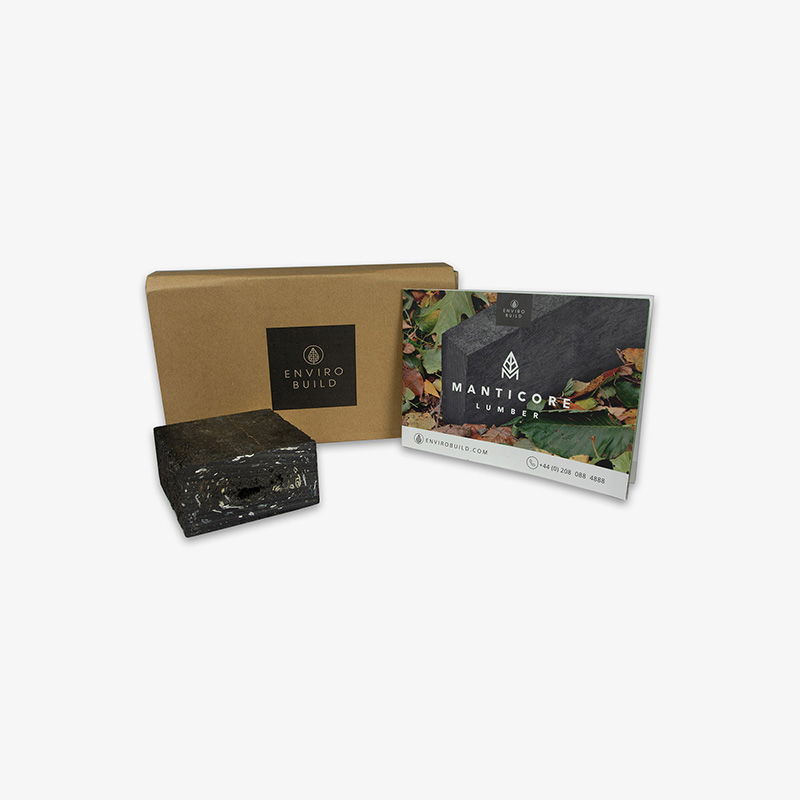
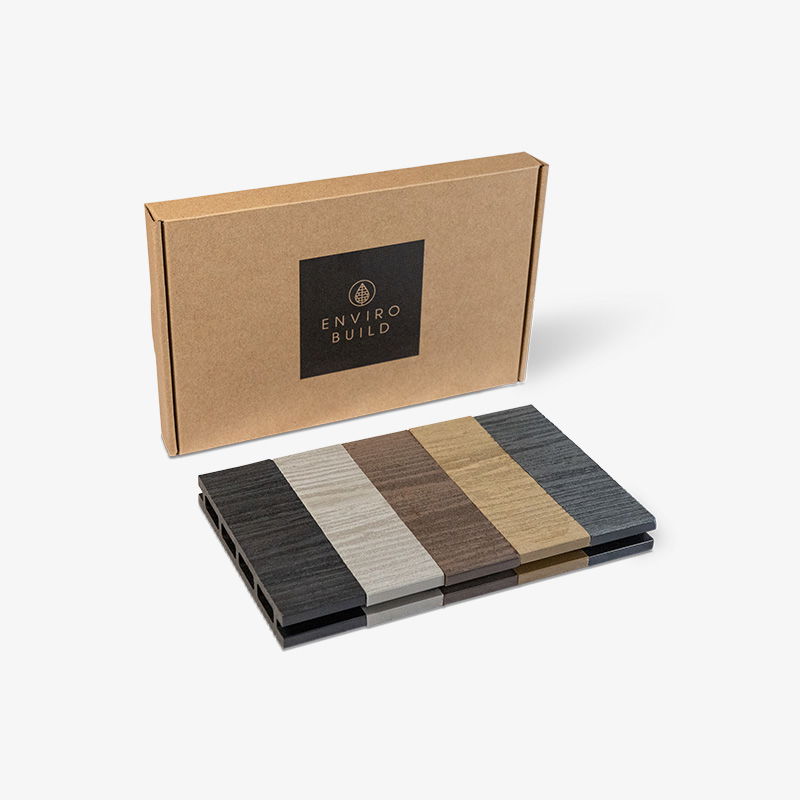
Not sure which composite cladding is right for your project? Our free sample packs take the guesswork out of choosing. See the colours in natural light and feel the textures before making a decision - all from the comfort of your own home.
Delivered quickly and free of charge
All wood materials we use are FSC® certified

Member of World Land Trust's Carbon Balanced Programme

We donate 10% of our profits to Rainforest Trust UK