
Decking Joists
Decking joists form the essential foundation for high-performance outdoor surfaces. Choose from aluminium joists for fire-rated and commercial applications, or recycled plastic joists for sustainable, rot-resistant support.
Section Heading
Fast Delivery
Orders over £1200 are delivered free of charge
Trusted Warranty
Peace of mind with long-lasting protection
Trade Discounts
Exclusive discounts for installers and contractors
10% Pledge
We donate 10% of profits to sustainable causes
Decking Joist Accessories
Complete your substructure with a range of accessories designed to simplify installation and improve long-term performance. From levelling components to structural connectors, our accessories ensure your decking joists are secure, stable and ready for all types of outdoor applications.

Joist Hangers
Joist hangers provide strong, reliable connections between joists and structural supports, ideal for complex substructure layouts.
View Joist Hangers
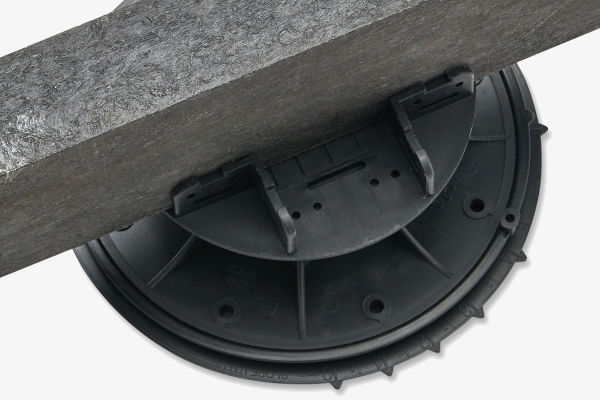
Joist Cradles
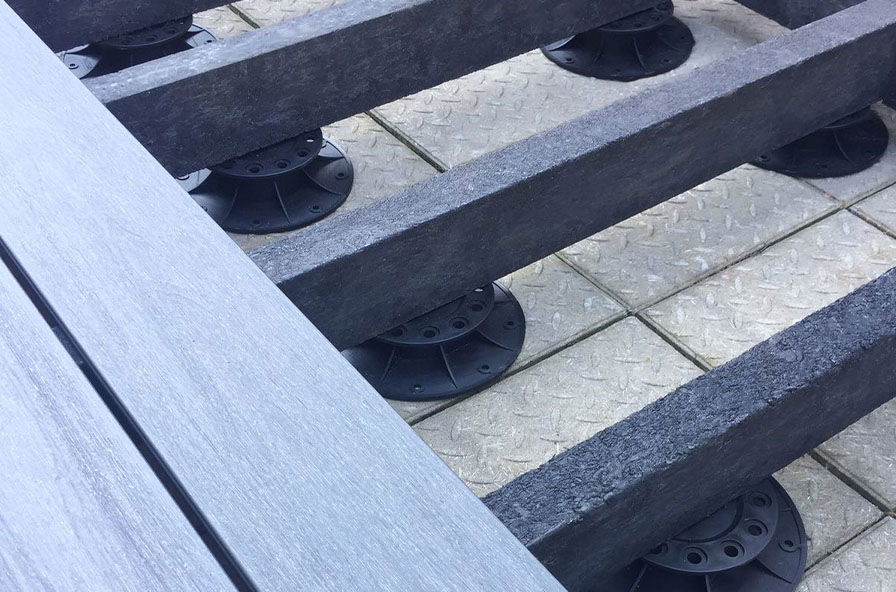
Joist cradles slot onto the top of adjustable pedestals to hold joists securely in place. Designed for quick positioning and easy height adjustment.
View Joist Cradles
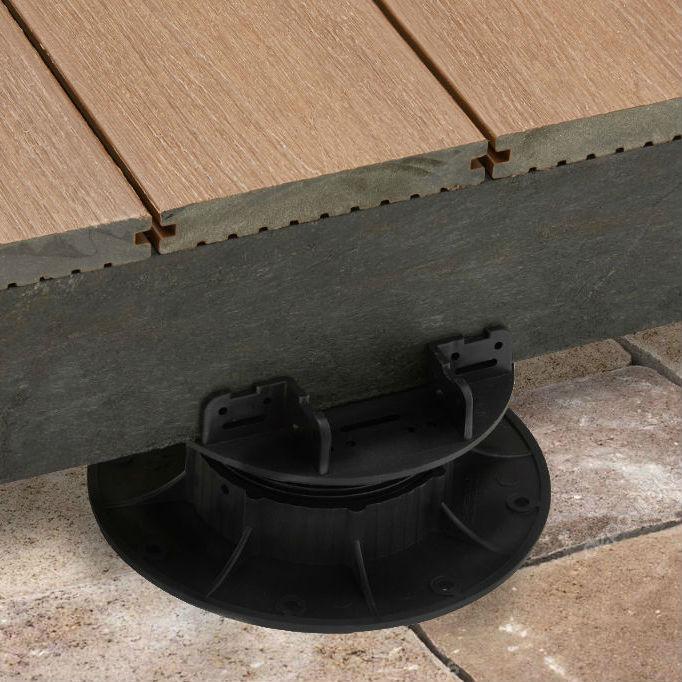
Adjustable Pedestals
Adjustable pedestals allow you to create a level substructure over uneven surfaces. They’re quick to install and height-adjustable by hand.
View Pedestals
Decking Joist Installation
Joist systems are designed for simple, adaptable installation. Choose from recycled plastic or aluminium joists depending on your project needs.
Adjustable pedestal installation
For balcony, terrace or roof applications, use joist cradles on top of adjustable pedestals to support joists.
Ground-level installation
Recycled plastic joists can be laid directly onto firm, level ground. Their rot-proof composition makes them perfect for ground-contact installations.
Step-by-step installation guide
We provide a detailed installation guide covering joist layout, spacing, fixings and compatible build-ups.
Decking Joist FAQs
If you don’t find the answer you're looking for, our team of experts is here to help. Give us a call on 020 8088 4888
No, composite decking will not rot, one of its biggest advantages over traditional timber. Composite decking boards are made from a blend of recycled wood fibres and high-performance plastics, creating a dense, moisture-resistant material that resists the fungal growth and decay associated with natural wood.
Unlike timber, which can absorb water and break down over time, eco-friendly outdoor decking made from composite materials is specifically engineered to be low-maintenance and long-lasting—even in wet or humid environments.
Moisture resistance: The plastic content repels water, preventing it from seeping into the board.
No organic breakdown: With no exposed wood grain, there’s no food source for fungi or mould that cause rot.
Capped protection (on some ranges): Premium capped boards have an added polymer shell for even greater protection against moisture, staining, and mildew.
If you're looking for a decking solution that resists the elements and avoids the pitfalls of rotting wood, composite decking boards are a reliable and sustainable choice for both residential and commercial projects.
Composite decking is designed for long-term colour stability, but some initial fading or lightening is normal, especially in uncapped boards. This early change is due to UV exposure and the natural bleeding of tannins from the wood fibres within the board.
Tannin leaching: During the first 8 - 10 weeks after installation, especially in wet weather, tannins from the wood content may leach out of uncapped boards. This can temporarily darken or stain the surface but is a normal part of the weathering process and usually washes away naturally.
UV exposure: Like any outdoor material, sunlight can cause surface fading. With composite decking, this typically results in a slight lightening that stabilises quickly.
Uncapped composite decking: May show more visible tannin marks and minor colour change initially, but these boards settle into a consistent tone over time.
Capped composite decking: Features a durable polymer shell that resists both UV damage and tannin staining, offering superior fade resistance and longer-lasting colour.
Once early weathering is complete, composite decking boards settle into a consistent tone and require no painting or staining. It’s a simple, low-maintenance way to create a great-looking outdoor space that stays that way.
No, composite decking is designed to offer excellent slip resistance, even in wet conditions. While no outdoor surface can be entirely slip-proof, especially in areas prone to standing water or algae, most composite decking boards outperform traditional timber due to their engineered textures and low-porosity surfaces.
Textured surface finishes: Composite boards are manufactured with slip-resistant patterns, such as grooves or embossed woodgrain, that provide reliable grip underfoot.
Low water absorption: Unlike timber, composite decking boards do not swell or become slippery as they absorb water. Their material composition resists moisture ingress, reducing long-term hazards.
Correct deck installation is essential. A slight fall or slope allows water runoff, preventing puddling that can lead to slippery areas.
Routine cleaning helps maintain optimal performance. Keeping the surface free from organic debris, algae, and mould is key to long-term slip resistance.
When properly installed and maintained, composite decking provides a safe and reliable solution for outdoor spaces.
Composite decking is a man-made building product manufactured with a blend of wood fibres, plastic polymers and a small amount of bonding agents. This mix is heated, formed into board shaped lengths and then cooled.
Recycled wood fibres: Typically sourced from sawdust or reclaimed wood, these fibres provide the deck board with strength and a natural grain-like texture.
Recycled plastics: High-density polyethylene (HDPE) or polypropylene is used to bind the board together and add moisture resistance. These plastics are often sourced from post-consumer waste such as packaging or plastic bottles.
Additives and binders: Colour pigments, UV inhibitors, and bonding agents are added to improve fade resistance, colour consistency, and structural stability.
Capped composite decking includes a protective polymer shell that surrounds the core, providing enhanced resistance to staining, fading, and moisture.
Uncapped composite decking boards are more affordable but may be more susceptible to early weathering or surface marking.
This eco-friendly outdoor decking solution not only diverts waste from landfill but also offers excellent durability and aesthetics with minimal upkeep.
In many ways, composite decking is a better long-term choice than traditional wood decking, especially when it comes to durability, maintenance, and environmental impact. While timber remains popular for its natural aesthetic and lower upfront cost, composite decking boards offer several key advantages that make them a smarter investment for modern outdoor spaces.
Low maintenance: Composite decking doesn’t require sanding, staining, or sealing. Occasional cleaning is all that’s needed, making it a truly low-maintenance decking solution.
Longer lifespan: Unlike timber, composite boards won’t rot, splinter, warp, or suffer from insect damage.
Slip and fade resistance: Capped composite boards are designed to resist UV fading, stains, and moisture, maintaining their appearance.
Eco-friendly materials: Most eco-friendly outdoor decking options use recycled wood and plastics, reducing landfill waste and deforestation.
For some projects, such as heritage restorations or where a weathered natural finish is specifically desired, wood may be appropriate. However, for the vast majority of deck installation projects, especially where longevity, performance, and sustainability are priorities, composite decking is the superior choice.
Plan Your Project With Our Decking Calculator
The decking calculator is designed to provide a quick estimate based on standard installation assumptions. For a detailed and accurate quote (especially if your project has unique requirements) we recommend getting in touch with our expert team on 020 8088 4888.
Choose your decking
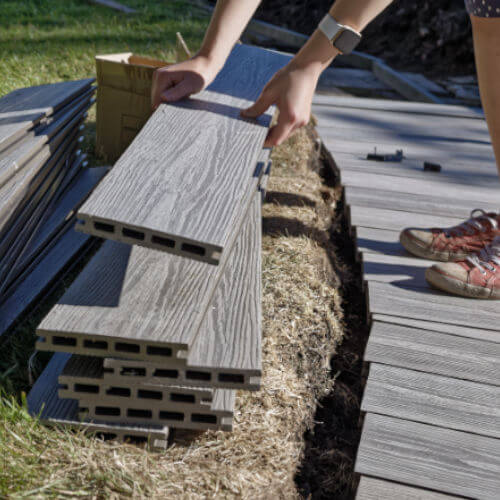
The calculator will factor in board dimensions, coverage area, and recommended fixings.

Enter your dimensions
Enter the length and width of your area, the calculator will generate a tailored list of materials.
Estimate in minutes
In just a few clicks, you’ll have a breakdown of how many boards and fixings your project needs.
Why Choose Aluminium or Plastic Joists Over Timber?
Traditional timber joists can warp, rot, and degrade over time. Aluminium and recycled plastic joists offer a low-maintenance alternative with improved durability
No rotting, warping or splintering
Unlike timber, plastic and aluminium joists are resistant to moisture damage. They won’t rot, swell or split.
Longer lifespan, minimal maintenance
Timber joists often require annual treatments to prevent decay. Aluminium and plastic joists are built to last with no ongoing maintenance needed.
Non-combustible or fully recycled
Aluminium joists provide a fire-rated substructure solution. Plastic joists offer a 100% recycled option.
The Benefits Of Plastic Lumber Joists
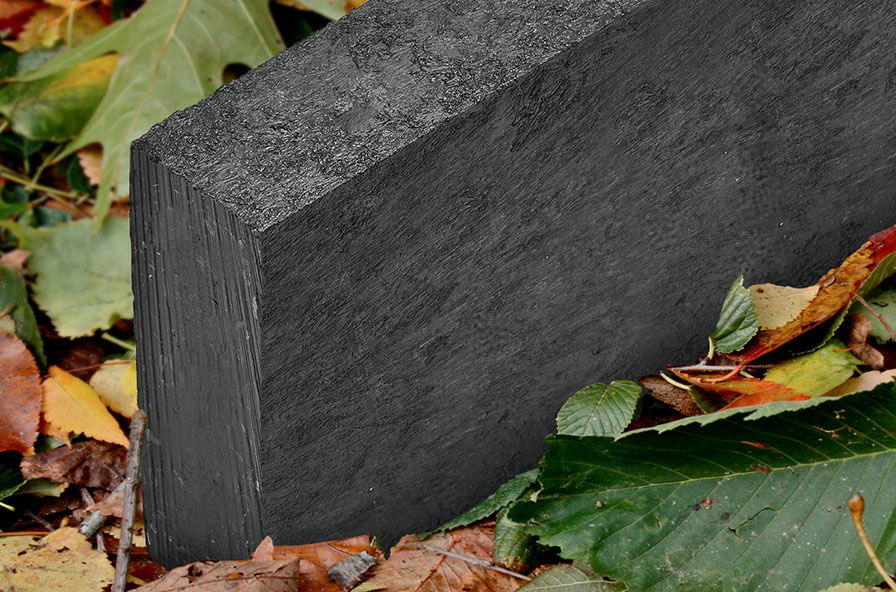
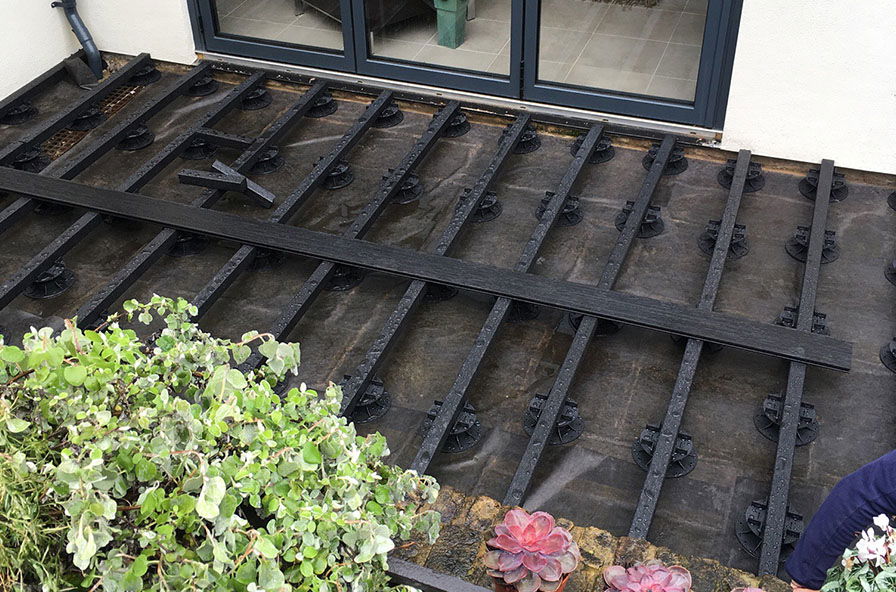
Made from 100% recycled plastic, plastic lumber joists are a durable and environmentally friendly alternative to traditional timber. Ideal for ground-level decking builds.
Rot-proof and moisture resistant
Plastic joists won’t absorb water, meaning there’s no risk of rot, even when installed directly on the ground.
Strong, durable and low-maintenance
Offering excellent load-bearing strength and high impact-resistance while resisting warping and cracking.
The sustainable choice
Made from 100% post-consumer recycled plastic sourced in the UK, helping divert waste from landfill.
The Benefits Of Aluminium Joists
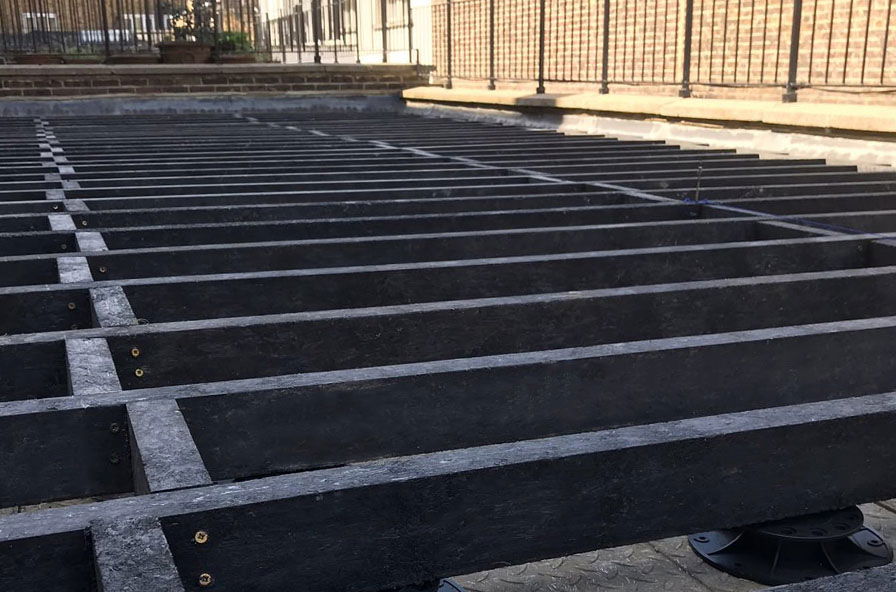
Aluminium joists offer unmatched structural performance and fire safety, making them the preferred choice for balconies, roof terraces and commercial decking projects.
Class A fire-rated and non-Combustible
Aluminium is inherently non-combustible, ideal for buildings where fire-rated substructures are required.
High strength-to-weight ratio
While lightweight, aluminium joists deliver exceptional structural strength and dimensional stability.
Corrosion and weather resistant
Aluminium resists corrosion in exposed outdoor environments, providing long-term performance.
Why Choose Aluminium Joists
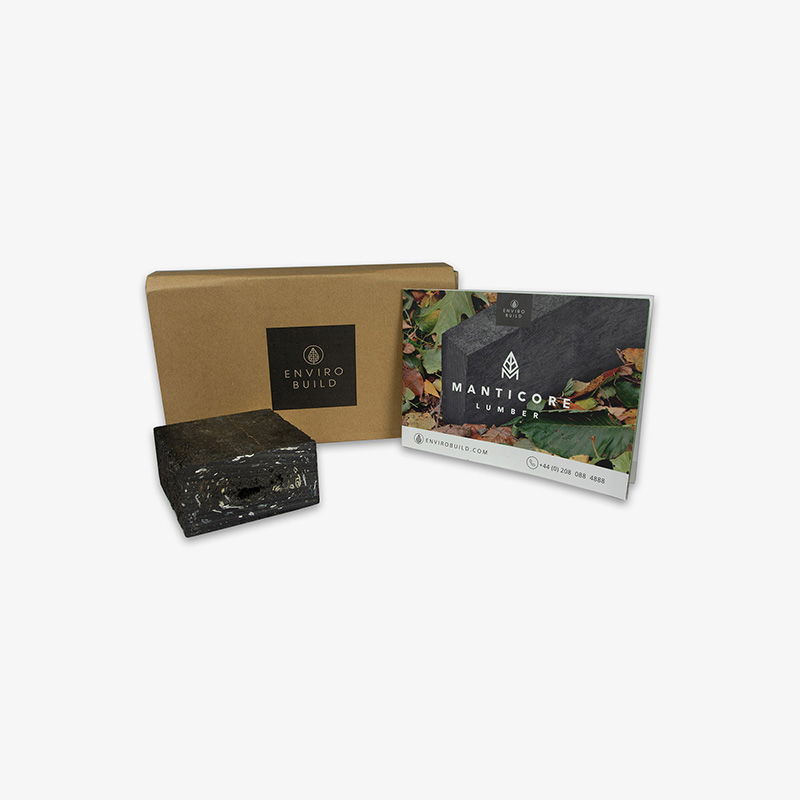
Order your free sample pack today
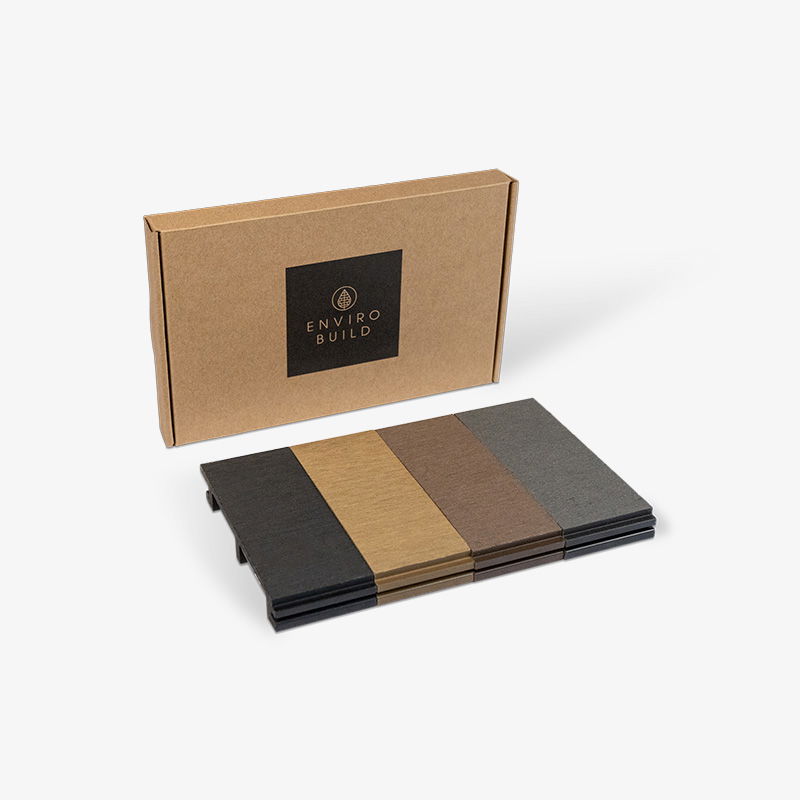
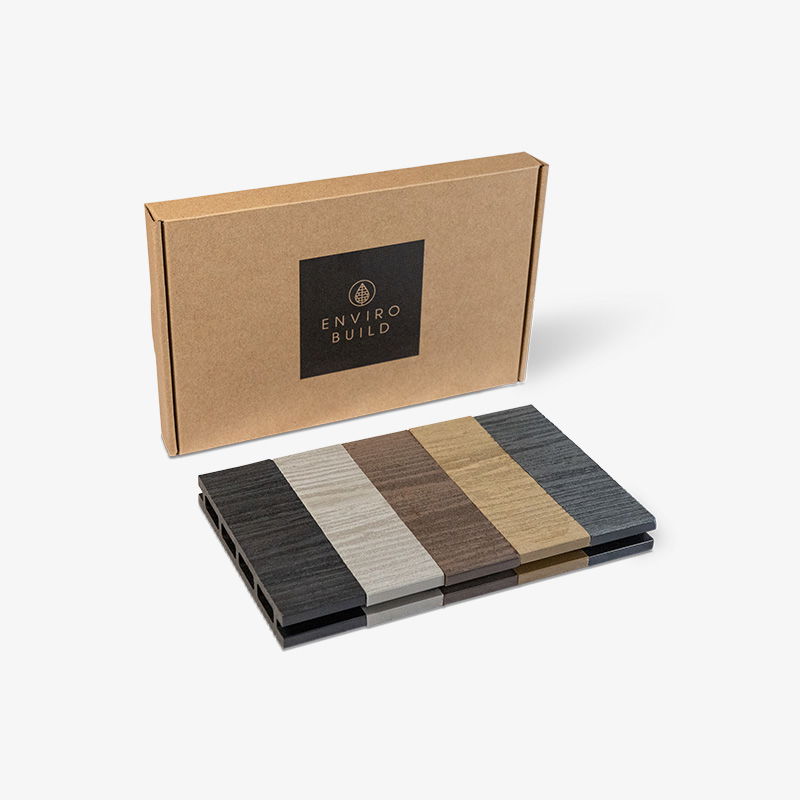
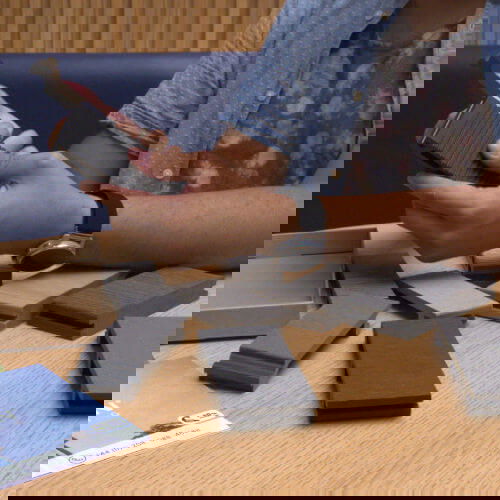
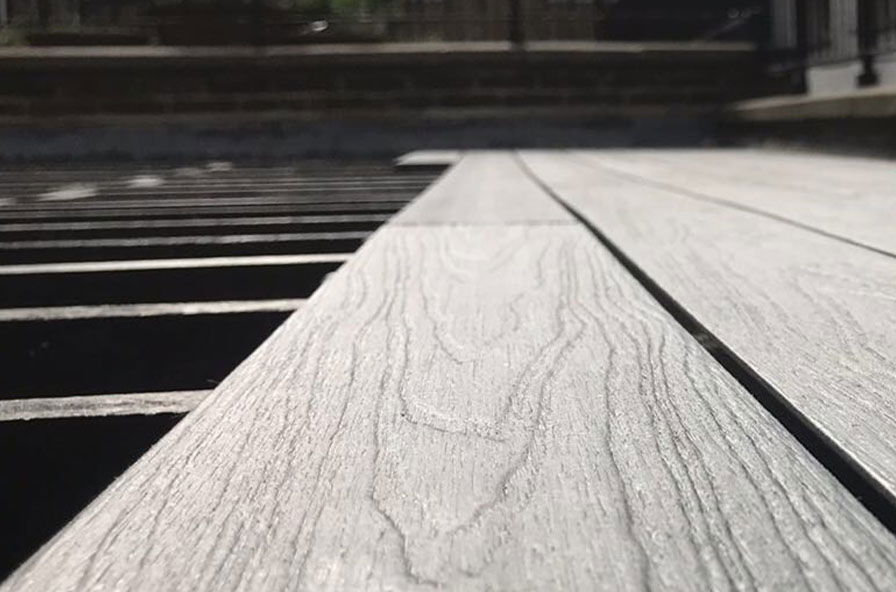
Not sure which composite decking is right for your garden project? Our free sample packs take the guesswork out of choosing. See the colours in natural light and feel the textures before making a decision - all from the comfort of your own home.
Delivered quickly and free of charge
All wood materials we use are FSC® certified

Member of World Land Trust's Carbon Balanced Programme

We donate 10% of our profits to Rainforest Trust UK