
Fibre Cement Decking Care Guide: Cleaning & Maintenance
How to clean fibre cement decking, remove algae and moss, and handle chips or cracks. No sealing or oiling needed.
Fibre Cement Decking Care Guide
Fibre cement decking needs very little upkeep: a sweep and an occasional wash with warm water, mild detergent and a soft brush is normally enough to keep it looking its best. Because it’s cement-based rather than wood-plastic composite, it won’t rot, swell or need re-oiling — but it is more brittle than composite decking, so avoiding harsh chemicals, close-range pressure washing and heavy point loads matters more than it does for timber-look composites. This guide covers cleaning, algae and moss removal, chip/crack handling and winter care, drawing on EnviroBuild’s own published fibre cement care guidance and general fibre cement industry practice where EnviroBuild hasn’t published a specific instruction.
At a Glance
Question
Answer
How often should I clean it?
Once or twice a year; more often in coastal or heavily shaded spots
What do I clean it with?
Warm water, mild detergent, soft-bristle brush or cloth
Can I pressure wash it?
Low pressure only (EnviroBuild advises under 1500 psi), held well back from the surface
What should I avoid?
Harsh/acidic chemicals, solvents, abrasive pads, de-icing salt
Does it need sealing or oiling?
No — EnviroBuild’s boards are factory-finished; no sealing, oiling or staining required
Is it more brittle than composite?
Yes, generally — fibre cement can chip or crack under sharp impact or concentrated point-loading, so it needs a bit more care in handling than wood-plastic composite
Colours available
Coffee and Cloud (EnviroBuild range)
Manufacturer warranty
15 years (EnviroBuild)
How Do You Clean Fibre Cement Decking?
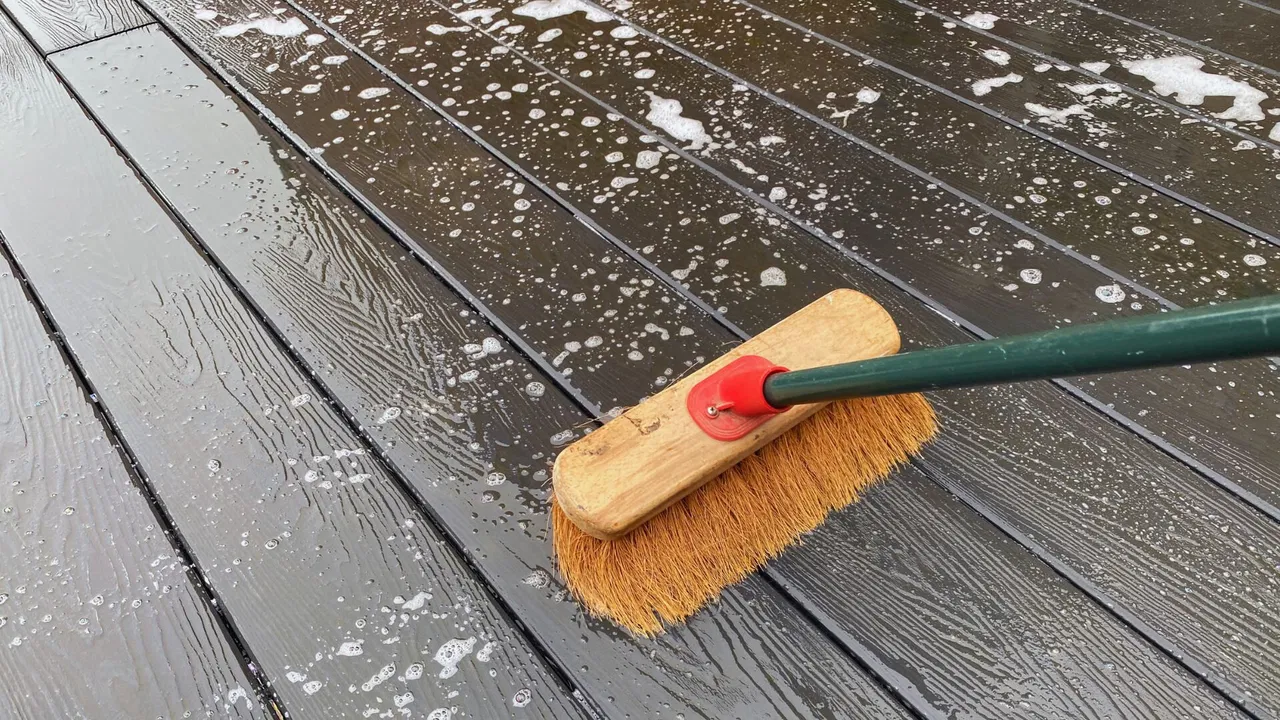
EnviroBuild’s own fibre cement care guide sets out a simple four-step routine: sweep off dust, leaves and debris with a soft broom; wash with warm water, mild detergent and a soft-bristle brush or cloth; rinse with a hose or a low-pressure washer (under 1500 psi); then let the surface air dry naturally [1]. They recommend doing this once or twice a year, more often in coastal locations or heavily shaded areas where dirt and organic growth build up faster [1].
It’s also worth checking drainage while you’re cleaning — clearing debris from the gaps between boards and around joists keeps airflow and drainage working properly underneath the deck [1].
What Should You Avoid When Cleaning It?
EnviroBuild is explicit that harsh chemicals, solvents and abrasive scouring pads can damage the surface coating, so stick to mild, non-solvent detergents [1]. This lines up with wider fibre cement industry guidance: Cembrit’s facade cleaning instructions likewise call for a mild, solvent-free household cleaning agent rather than anything acidic or abrasive, and specifically flag that high-pressure cleaning is a “severe treatment” for fibre cement that can strip or damage the surface [2].
If you do use a pressure washer, keep it low pressure, use a wide fan tip, and hold it well back from the boards rather than working close-up in one spot — this is standard practice across fibre cement building products generally, not just EnviroBuild’s range [3][2]. When trying any new cleaning product, test it on a small, inconspicuous area first in case of discolouration [2].
How Do You Remove Algae, Moss and Mildew?
In the UK’s damp, shaded gardens, algae and mildew are the most common thing you’ll actually need to treat. EnviroBuild’s care guide recommends a biodegradable outdoor cleaner formulated for mineral-based surfaces for algae or mildew, and warns that autumn leaf litter and organic debris left sitting on the deck are a common trigger for staining and algae growth, so clearing it promptly helps prevent build-up [1].
As with any cleaning product, test it on a small area first to check it doesn’t affect the board’s colour before treating the whole deck [2]. A stiff (but non-abrasive) brush and a rinse afterwards will usually finish the job.
Can Fibre Cement Decking Chip or Crack?
This section is general fibre cement guidance rather than an EnviroBuild-specific instruction — EnviroBuild’s published care guide covers surface scratches and scuffs but does not detail structural chip or crack repair.
Fibre cement is a cement-based material, and like other rigid cementitious building products it’s generally more brittle than wood-plastic composite decking. It can chip on a sharp, concentrated impact (a dropped tool, a dragged heavy object) or crack under point-loading on an unsupported edge or span. EnviroBuild’s own cutting guidance for this product notes boards must be “adequately supported along their length to prevent breakage” when being cut — a useful reminder that the material behaves more like a rigid board than a flexible composite plank, on-site as well as in use [4].
For everyday scuffs and light surface marks, EnviroBuild’s care guide suggests fine-grade sandpaper or a manufacturer-approved touch-up may reduce their appearance, depending on the board’s finish — but it stresses checking technical guidance before sanding any factory-finished surface [1]. For genuine chips or structural cracks, general fibre cement building product practice (as reflected in fiber cement siding manufacturer guidance) is: small chips can sometimes be filled with a cementitious patching compound, while a board that’s genuinely cracked through — rather than superficially marked — is usually best replaced, since a cracked cement board won’t regain its structural integrity [3]. Contact EnviroBuild or your installer before attempting a repair on a visible or structural area.
Does It Need Sealing, Oiling or Staining?
No — for EnviroBuild’s fibre cement decking specifically, none of this is needed. The boards are factory-finished, and EnviroBuild’s guidance states plainly that no sealing, oiling or staining is required to maintain the surface [1]. This is one of the headline differences from timber and a point of difference from some composite decking too.
One general point worth flagging (not an EnviroBuild instruction): some fibre cement products in the wider market use a clear edge sealer on site-cut edges to even out colour and water absorption where the factory coating has been cut through [2].
How Does It Cope With Winter and Frost?
EnviroBuild states its fibre cement decking resists frost, warping and rot, and highlights strong dimensional stability against freeze-thaw cycling [1]. The main thing to actively manage is de-icing salt: EnviroBuild’s guide advises avoiding it in winter because it can leave residues on the surface [1]. A stiff brush and, if needed, sand or a similar non-salt grit for grip is the safer option on icy days.
One general note for cement-based products in damp UK conditions: cementitious materials can occasionally show a light, powdery white deposit called efflorescence, which is a natural, cosmetic mineral occurrence rather than a defect, and general fibre cement guidance suggests it can usually be cleared with a dilute vinegar-and-water solution if it appears [2]. EnviroBuild’s own guidance doesn’t specifically mention efflorescence for this product, so treat this as general fibre cement background rather than an EnviroBuild instruction.
Maintenance Checklist
Every clean (1–2x a year, more in coastal/shaded gardens):
Sweep off leaves, dust and debris with a soft broom
Wash with warm water, mild detergent and a soft brush or cloth
Rinse with a hose or low-pressure washer (<1500 psi), held back from the surface
Let the deck air dry naturally
Clear debris from board gaps and joists to keep drainage clear
Spring
Rinse off winter grime and check fixings and substructure are still secure [1]
Summer
A quick wash keeps the surface looking fresh — no sealing or oiling needed [1]
Autumn
Clear fallen leaves and organic debris promptly to prevent staining or algae taking hold
Check drainage channels and gaps between boards aren’t blocked [1]
Winter:
Avoid de-icing salt on or near the boards
Use a brush or non-salt grit for grip on icy patches, rather than chemical de-icers [1]
Once or twice a year, alongside cleaning
Inspect boards and fixings to confirm everything is secure and properly aligned [1]
FAQ
Do I need to oil or seal EnviroBuild’s fibre cement decking?
No. EnviroBuild’s boards are factory-finished, and their published care guidance states no sealing, oiling or staining is required to maintain the surface.[^1]
Can I use a pressure washer on fibre cement decking?
Yes, but keep it low pressure — EnviroBuild specifies under 1500 psi — and don’t hold the nozzle close to the surface. Wider fibre cement industry guidance goes further and generally treats high-pressure cleaning as something to avoid altogether, so when in doubt, a hose and soft brush is the gentler option.[^1][^2]
Will frost or ice damage fibre cement decking?
EnviroBuild states the boards resist frost, warping and rot. The main winter risk to manage is de-icing salt, which their guidance advises avoiding because it can leave residue on the surface.[^1]
What do I do if a board gets chipped or cracked?
EnviroBuild’s care guide addresses light surface scratches and scuffs (fine sandpaper or a manufacturer-approved touch-up, checked against technical guidance first). For a genuine chip or crack, this is general fibre cement practice rather than EnviroBuild-specific guidance: small chips can sometimes be filled with a cementitious patching compound, but a board that’s cracked through structurally is usually better replaced. Contact EnviroBuild or your installer before repairing a visible area.[^1][^3]
How do I stop the deck going green or slippery with algae?
Clear organic debris (leaves, damp litter) promptly, since it’s the main trigger EnviroBuild flags for algae and staining, and treat any growth with a biodegradable cleaner formulated for mineral-based surfaces. Test any product on a small area first.[^1][^2]
How long does EnviroBuild’s fibre cement decking last?
EnviroBuild markets the product with a 15-year warranty and states the boards are designed for a long service life, resisting rot, pests, UV and freeze-thaw cycling — with routine cleaning helping preserve the finish over that time.[^1][^5]
Sources
EnviroBuild — Fibre Cement Decking Care Guide
Cembrit / American Fiber Cement Corporation — Facade Cleaning Instructions (PDF)
The Home Depot — How to Maintain Fiber Cement Siding
EnviroBuild — How to Cut Fibre Cement Decking
EnviroBuild — Fibre Cement Decking product page
EnviroBuild — Fibre Cement Decking Installation Guide
Further Reading
Thinking about a fibre cement deck, or want to see how it compares against EnviroBuild’s composite ranges? Take a look at
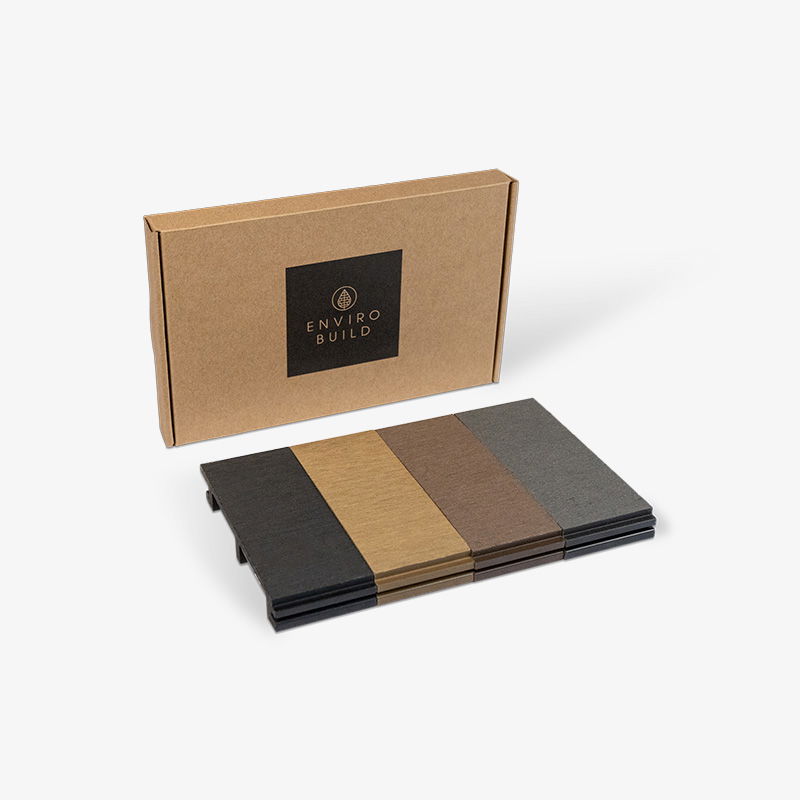
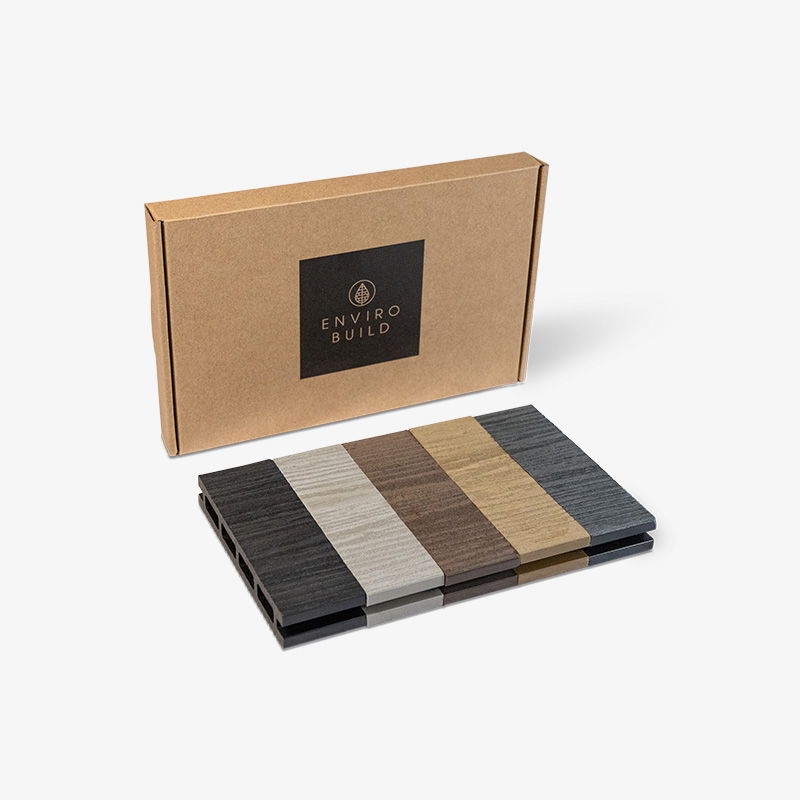
EnviroBuild’s Fibre Cement Decking — Coffee and Cloud finishes, Class A1 fire rating, and a 15-year warranty — or request a free sample to check the finish and colour in person before you buy.
Technical Support & Resources
For more detailed maintenance and installation information, explore our product-specific guides and resources:
Fibre Cement Downloads
Contact our expert technical team on 020 8088 4888 for help with cleaning methods, stain removal or maintenance planning for your project.